Robert E. Lee’s Army of Northern Virginia crossed the Potomac in the summer of 1863 carrying a conviction that one decisive blow could force the Union to surrender. The invasion was a gamble built on audacity rather than industrial strength, with a shrinking Confederate army that could not afford sustained losses. Lee sought a crushing victory that might break Northern resolve and end the war outright.
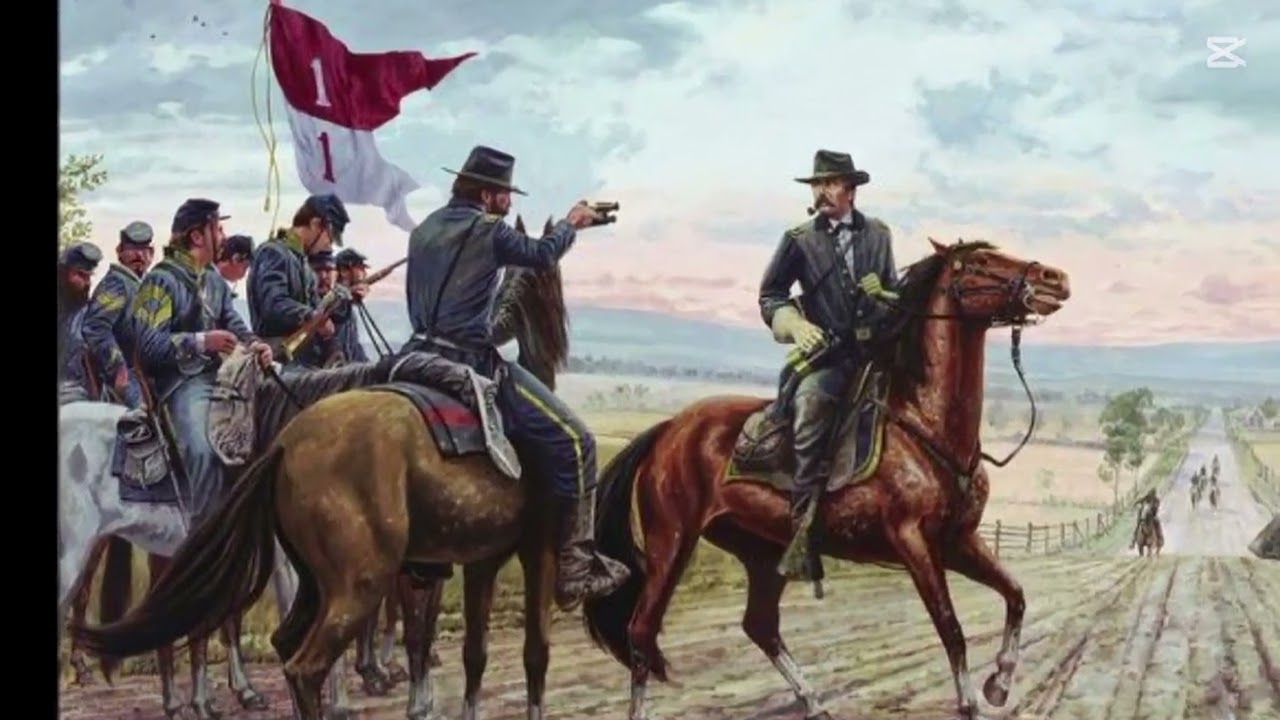
Gettysburg was never planned as a battlefield. The town held no strategic importance, yet a Confederate search for shoes, accidental skirmishes between scouting parties, and converging troop movements drew two massive armies into collision at the Pennsylvania crossroads. By the time the first shots cracked through the morning air, the war itself seemed to tighten around the town, with each successive day raising the stakes until everything came down to a single decision. That decision was Lee’s to make, and the warning against it came from his most dependable lieutenant, James Longstreet.
Longstreet had little patience for romantic visions of war. He distrusted frontal attacks against fortified positions and believed victory came from controlling the battlefield, forcing the enemy to attack on unfavorable ground. He had been proven right before. At Fredericksburg, his securing of Marye’s Heights had turned repeated Union assaults into slaughter, reinforcing his core conviction that the enemy should be allowed to attack and be destroyed.
Lee entered Pennsylvania confident but brittle. Longstreet viewed the invasion as a campaign of movement, designed to threaten Washington, stretch Union supply lines, and pull the Union Army out of strong positions. Victory, in his view, would come through deliberate and intelligent pressure, not a single dramatic strike. When Gettysburg appeared before him, he saw not an opportunity but a snare.
On July 1, Confederate troops pushed Union forces through the town itself, taking prisoners and seizing momentum. But Longstreet watched the Union Army settle onto the high ground south of Gettysburg, occupying Cemetery Hill, Cemetery Ridge, and Culps Hill. He understood what entrenched infantry on elevated terrain with overlapping fields of fire meant. He knew the cost of attacking those heights.
That evening, Longstreet approached Lee quietly but urgently, advising him not to attack the next day. He urged Lee to move around the Union left instead, force the enemy off the high ground, and make them fight on southern terms. Lee listened, nodded, and hesitated briefly, weighing the boldness that had won him so many battles against the warning of a man who understood risk as deeply as courage. Then he refused.
That night, Union soldiers dug relentlessly into the hard ground. Artillery was dragged into position and infantry lines curved across the ridges, tightening with every hour. The federal position hardened with each passing minute. Lee spent the night wrestling with doubt, torn between audacity and caution, between the spirit of his men and the brutal mathematics of firepower.
July 2 dawned hot and tense. Longstreet’s plan remained unchanged, march south, swing wide around the Union left, threaten supply lines, and force the Union to attack on unfavorable terms. Lee approved the idea only in part, narrowing the maneuver, favoring speed over concealment. Then time slipped away.
Delays followed, wrong roads, confused guides, Union signal stations spotting the movement. With every lost hour, the Union left grew stronger. The decisive moment Longstreet envisioned was gone before the attack even began. What followed was among the most brutal fighting of the war.
Combat raged at Devil’s Den, the Wheatfield, the Peach Orchard, and Little Round Top, often at distances close enough for men to see terror in each other’s faces. At Little Round Top, a desperate Union defense barely held. A single regiment fixed bayonets and charged downhill, sealing a breach that might have unraveled the entire federal line. Longstreet watched with grim certainty, courage could not defeat terrain, and valor could not silence artillery.
By nightfall, the Confederates had gained ground at devastating cost, but the Union line still stood and the opportunity was gone. July 3 arrived charged with expectation. Lee believed the Union center had been weakened and that a massive concentrated assault could break it. Longstreet had walked the ground, nearly a mile of open fields with no cover.
Every contour warned him against the attack. The order came anyway. Pickett’s division would lead the assault, and Longstreet was ordered to oversee it, the cruelest duty Lee could assign him. Witnesses later recalled that he could not speak the command; he only nodded.
Just after midday, Confederate artillery thundered, more than a hundred guns shaking the earth. For nearly two hours, shells slammed into the Union line, but the bombardment failed. Many shots overshot, ammunition dwindled, and Union guns fell silent, not destroyed, but waiting. Then the infantry stepped forward into open ground, flags waving, lines steady under a merciless sun.
Union artillery erupted and tore the formations apart. Some men reached the stone wall, and some briefly broke through, but there were too few. The attack collapsed, leaving the field strewn with bodies and entire regiments destroyed. Longstreet stood silently.
Later, he would call it the saddest day of his life. Lee took responsibility, telling his men that the failure was all his fault. The Army of Northern Virginia withdrew intact but broken beyond repair. Gettysburg became known as the high-water mark of the Confederacy.
The question remains whether Lee could have changed the outcome by heeding Longstreet’s warning. History never answers the paths not taken, but at Gettysburg, one voice urged restraint, and when that warning went unheeded, the war turned onto a road with no return.