David Allan Coe was one of country music’s most polarizing figures, and the line between his actual past and his carefully built legend was never entirely clear. That ambiguity was never accidental. Born in Ohio in 1939, Coe described an early life marked by reform schools, encounters with the law, and years in correctional facilities. Over time, some of his prison stories became so dramatic that even longtime fans began asking how much of it was true.
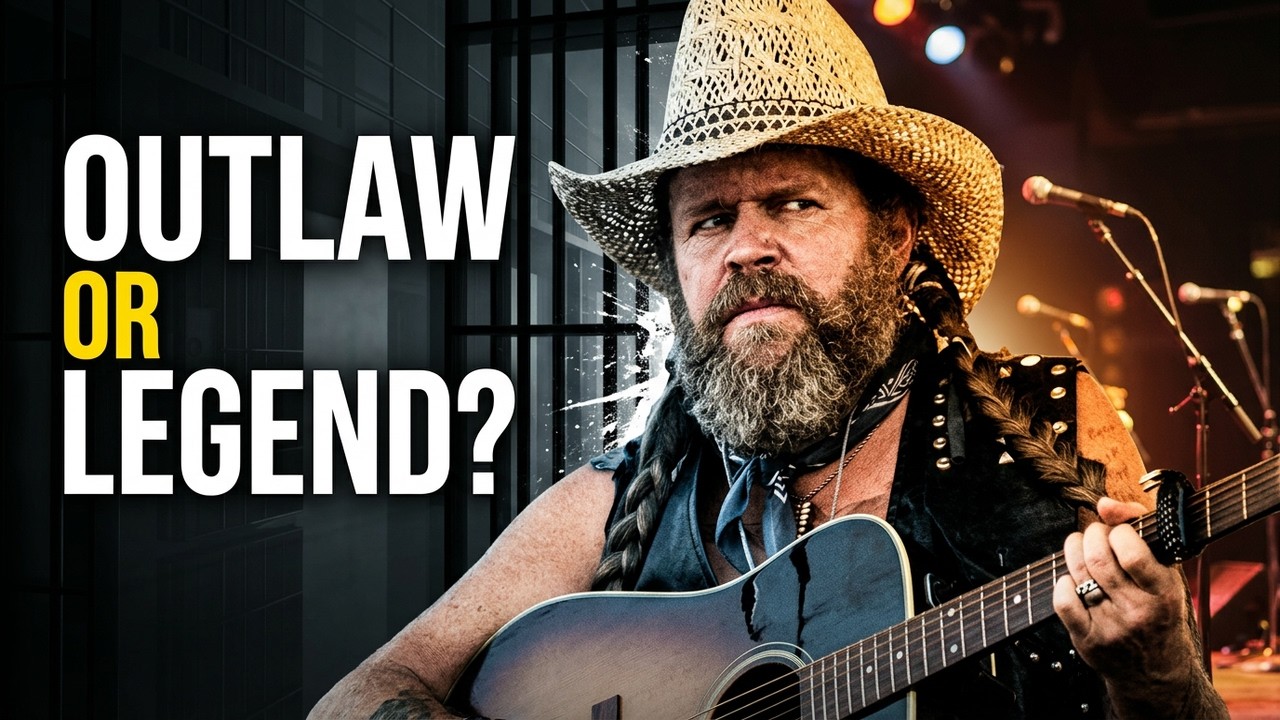
That uncertainty became part of the brand: Coe understood that mystery helped sell records. By the 1970s, he had worked his way into the Nashville scene and built a reputation as one of country’s true outsiders. His rough, unpolished image stood in sharp contrast to the mainstream stars of the era. Songs like “You Never Even Called Me by My Name” made him a household name in outlaw country, blending humor, storytelling, and authenticity that fans embraced.
His talent, however, was never the main source of controversy. Throughout his career, Coe repeatedly faced criticism for offensive lyrics, inflammatory material, and associations that made many listeners deeply uncomfortable. Some of his most contentious recordings remain widely condemned and are a major reason his legacy is still debated today. At the same time, his influence on the genre is difficult to deny.
His songwriting and persona helped shape the rebellious identity of outlaw country, and many artists have pointed to him as an inspiration. His music and his public behavior often seemed to work against each other, complicating how he is remembered. Fans were drawn to the sense that Coe was not a manufactured star in a cowboy hat but someone who seemed uninterested in being tamed by the industry. His unpredictability was part of the draw, and it helped his legend grow even as critics called for him to be shut out.
His story reflects the double-edged nature of rebellion. At its best, that rebelliousness produced honest, original art. At its worst, it led to self-destruction and controversy. Coe carved out a place in country music history that no one else quite duplicated, becoming the kind of artist people argue about almost as much as they listen to.
He never seemed interested in being universally loved, only in being impossible to ignore.