On November 9, 1975, the Edmund Fitzgerald departed from Wisconsin bound for Zug Island, loaded with iron ore pellets. The 729-foot freighter, once the largest on the Great Lakes, had a flawless safety record and was expected to operate well into the 21st century. Weather reports at departure were favorable, with a storm predicted to track south of Lake Superior, posing no threat.
Five hours later, the National Weather Service revised its forecast. The storm would instead deliver gale-force winds across all of Lake Superior. Captain Ernest M. McSorley, 63, adjusted course toward the Canadian coastline, seeking protection from the incoming waves and wind.
By 1:00 a.m. on November 10, the Fitzgerald was battling a violent tempest. Winds exceeded 50 knots, and waves over 10 feet high pounded the hull. The ship pressed forward through the night, but conditions only worsened. By 2:45 p.m., snow reduced visibility dramatically, forcing the vessel to slow.
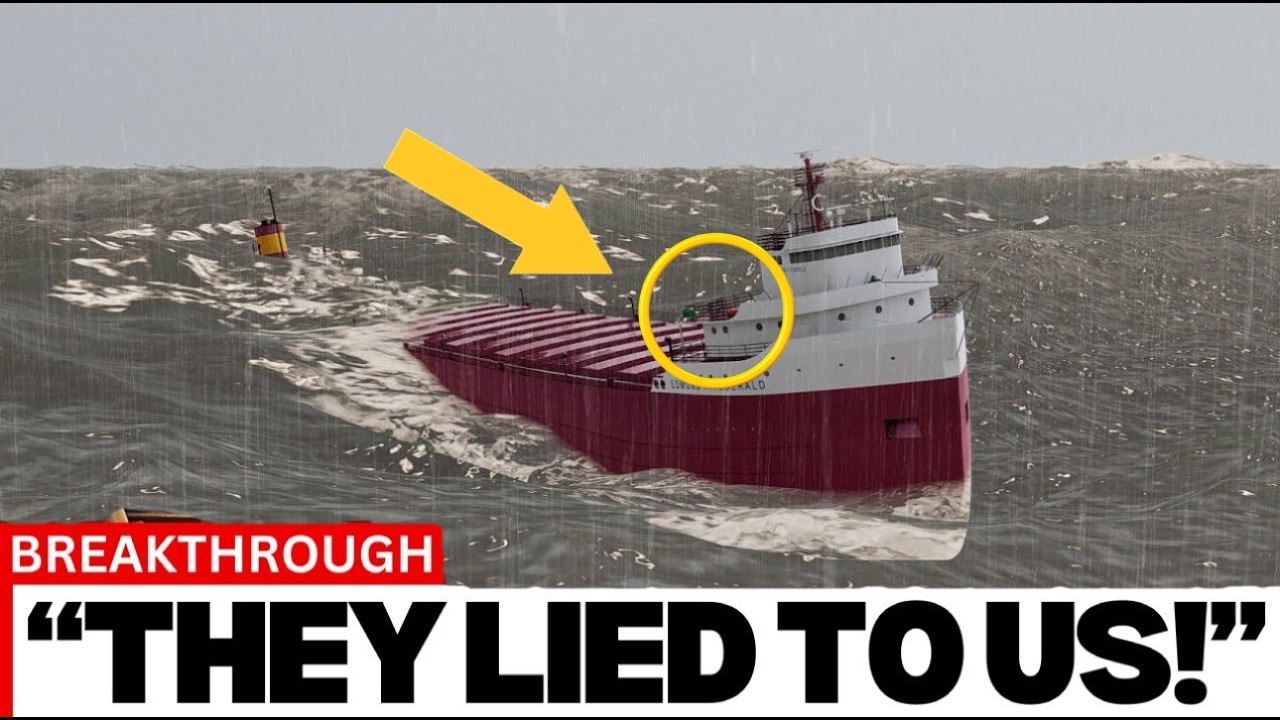
At 3:30 p.m., Captain McSorley radioed the nearby SS Arthur M. Anderson, which was trailing about 10 miles behind. He reported a fence rail down, two vents lost or damaged, and a list. He requested the Anderson remain close for emergency assistance.
Near 7:10 p.m., the Anderson’s first mate contacted McSorley with navigational advice and asked how the Fitzgerald was managing. McSorley’s reply was stoic: “We are holding our own.” It was the final transmission from the Edmund Fitzgerald.
The Anderson’s crew radioed repeatedly but received no answer. Radar showed nothing. They notified the Coast Guard, and by 9:00 p.m., the Anderson had reached safe harbor in Whitefish Bay. The Coast Guard asked the captain to turn back and search. He agreed reluctantly, saying he feared a terrible battering but would try.
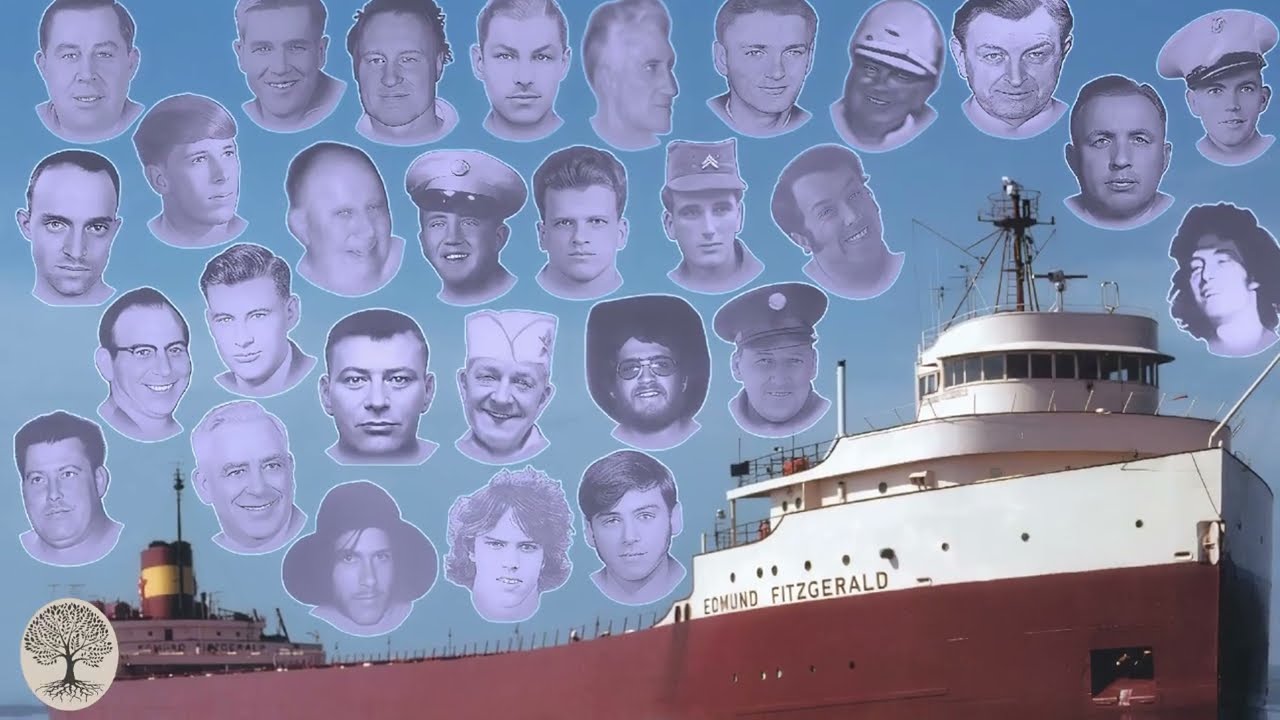
The search proved fruitless. Only a shattered lifeboat and scattered wreckage were found. After hours of searching in worsening conditions, one conclusion remained: the Edmund Fitzgerald had gone down with all 29 crew members. No distress signal was ever sent.
The wreck was located five days later, broken into two sections. Investigators and experts have debated the cause ever since. Some believe the ship broke apart while still afloat under immense strain. Others argue a series of rogue waves overwhelmed the vessel. Some point to flooding in the cargo hold or a grounding on a reef in the storm’s chaos.
Questions also emerged about maintenance under Captain McSorley. Evidence suggested repairs had been postponed or hastily completed, and McSorley was known for driving the ship hard, even in severe weather. Whether his decisions led to the sinking remains uncertain, but several contributing factors were identified in the years that followed.
No single cause was ever definitively proven. Still, the tragedy prompted sweeping safety reforms. Depth finders became mandatory for larger ships, and survival suits were required for every crew member. Navigation and communication systems across the Great Lakes were upgraded, along with updated charts and maps.
A monument honoring the 29 men who died stands near the shore at Whitefish Point, Michigan. The ship’s bell and anchor were recovered and are preserved in museums. The crew were skilled and dedicated professionals, and the peril they faced was immense.
Captain McSorley’s final words, “We are holding our own,” were not just a message to the Anderson. They were a statement that masked a ship already in serious trouble. The storm may have been the final blow, but the Fitzgerald was likely lost long before it went under.