One afternoon in the spring of 1921, a young woman named Lydia Stow sat on the front porch of her house in Coalfield, Tennessee, waiting for the man she loved to come home from work. She was seven months pregnant. Andy Russell worked at a timber outfit in nearby Petros, and for months he had come home at the same hour every evening, as steady as a man with new purpose in life. That evening, he did not come.
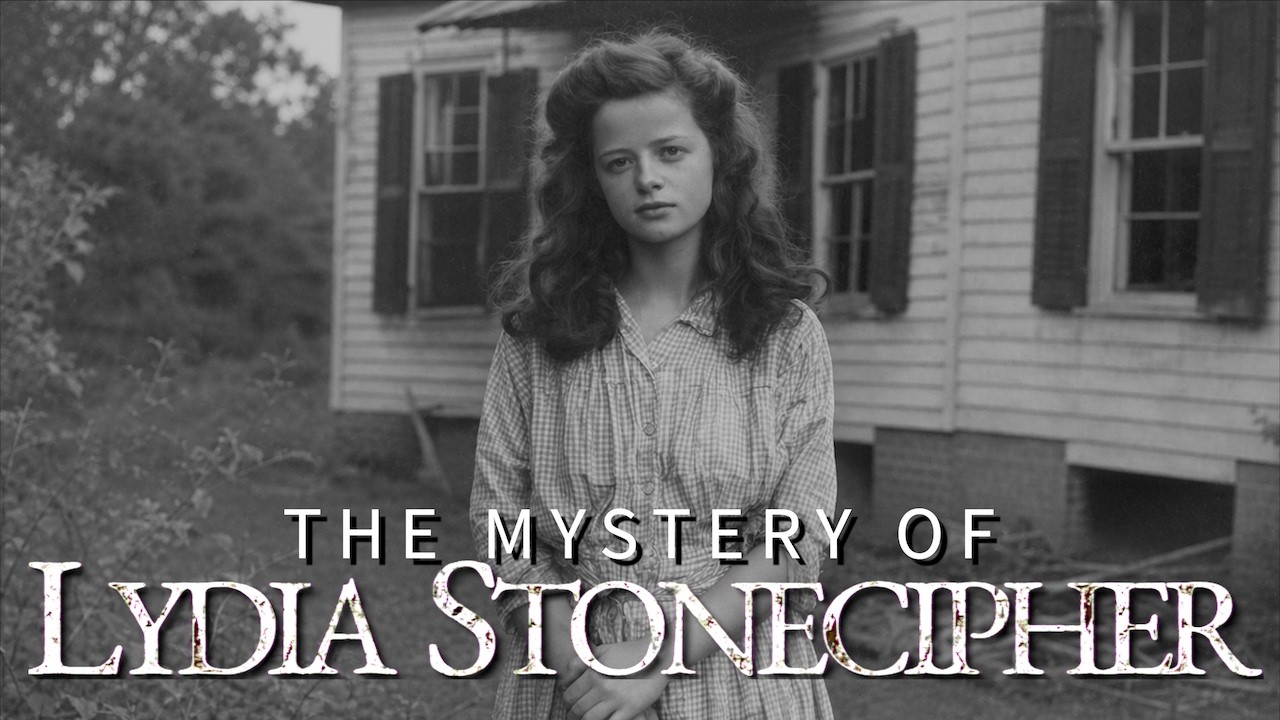
Lydia was not worried at first. Men ran late sometimes. But he did not come home by dark, and he did not come home at all that night. She was up before daylight the next morning, already dressed when her mother came into the kitchen.
Her mother took one look at her daughter’s face and hitched the wagon without being asked. They drove straight into Coalfield, fearing an accident, a terrible injury, anything that might explain his absence. At the timber yard, the foreman told them what had happened. Andy Russell had drawn all of his pay and walked off the job.
He had not come back. Lydia searched the boarding house and the church, but no one had seen him. He was gone, the way sand slipping through your fingers is gone. On the wagon ride home, her mother later recalled, Lydia did not cry.
She sat with her hands folded over her baby, staring straight ahead at the road, and never made a sound. The loss of Andy Russell was not the end of what that spring would take from her. Lydia had been hurting for two or three days before he disappeared, a kind of pain she told herself would surely pass. She did not want to worry her mother, so she said nothing.
The pain did not pass. By Saturday, they rode into Oliver Springs to see a doctor, and the doctor sat the two women down and told them, as kindly as such a thing can be told, that Lydia’s baby no longer had a heartbeat. She had lost her man on a Thursday and her child on a Saturday, inside of three days. Lydia carried the weight of both losses in silence for months.
She rarely spoke of what had happened. Then, six months later, a stranger knocked on the door. He was looking for Andy Russell. When Lydia’s mother asked what his business was, the man told her plainly: Russell owed him money.
He owed money to a good many men in Morgan and Roane Counties. It turned out that Andy Russell had been a gambler all along, which explained why he had never stayed in one place for long. The mystery of his disappearance was laid out on that doorstep in about ninety seconds. He had not been hurt.
He had not been kept away by anything on God’s earth. He had run, the same way he had always run, and Lydia had never been anything more to him than a place to stay until it was time to go. Lydia stood in the doorway and listened to all of it, then thanked the stranger. She turned and walked three steps toward the screen door, and then she went down.
She collapsed on the floor and did not move again. How her sixty-year-old mother, with her bad heart, managed to get her grown daughter off the porch, into a wagon, and four miles into town, no one ever knew. But somehow she did. Two doctors were called, one from Oliver Springs and one from Wartburg, but neither could bring her back.
She lay there for four days. It was not a sick sleep. She was simply still, her breathing slow and even, but they could not wake her. The doctors could not account for it by any medical means they knew.
Her mother never gave up. She sat in a straight chair beside the bed for four days and four nights, holding her daughter’s hand and praying until her voice gave out. On the fourth morning, just as it was getting light, Lydia opened her eyes. Without any grief or confusion, she looked up at her mother and smiled.
She was different from that morning on. Everyone could see it, though no one could explain it. She carried a smile on her face and laughed in a way she had not laughed in years. That Sunday, she was the first one through the church door.
When the preacher asked if anyone had a word to share, Lydia, who had never stood up in front of people in her life, rose before the entire congregation. The church went so quiet that you could hear the clock tick. When she finished speaking, grown men who had not cried in public since they were children were wiping their faces with their sleeves and not caring who saw them. Lydia was baptized that April in the little Emory River on a warm morning, with the redbuds out.
When she came up out of the water, she was laughing and crying tears of joy. Her mother had been holding a question for weeks, half afraid that asking it might undo what had happened. But the question ate at her, and she had to know. One evening, she sat Lydia down at the kitchen table and asked her straight out what had happened, what had changed inside of her.
And Lydia told her. She said that when she found out about the baby, something in her heart opened that she had never known was shut. For the first time, she understood that all she had ever wanted in this world was to be a mother. When her child was taken from her, and the truth about Andy came on top of it, there was nothing left in this world for her to hold on to.
So she let go. Then she told her mother that during those four days she was asleep, her physical body was in that bed, but she was not. She had been somewhere else, somewhere she could not fully describe, because all the words made up on earth fell short of it. It would be like trying to explain the beauty of the ocean to a man who had spent his entire life in the desert.
But there was a light there that did not come from any particular place. It was simply there, and the second she arrived, every heavy thing she had ever carried fell away all at once. She said she was not alone. A man came to her, someone who might have been in his early thirties.
He came toward her like someone who had been waiting on her. He did not speak in words. Instead, he let her feel, for a while, a love so complete and certain that there was not one square inch left inside her that held fear. Before she woke up, he told her that everything would be all right, and that it always had been.
Lydia’s mother listened to the whole story without saying a word. When it was done, she asked the only question she had left. Quietly, she asked her daughter who the man was. Lydia looked at her mother across the table, peaceful and steady, with a kind of peace that would stay with her for the rest of her life.
Then she smiled and said, “Mama, it was my son. ”
The story of what happened to Lydia Stow is the reason Granny Tallet never doubted that heaven was real. She carried the thought of Lydia’s boy with her for nearly fifty years, the way he stood before his mother as a grown man even though he never drew a single breath in this world. She thought of him waiting there on the other side, watching the road for his mama.
And when she finally came, the first thing her baby ever said was the only thing her broken heart needed to hear: that everything was all right, and that it always had been, and that somehow it all works out in the end.