On October 27, 1897, the Consolidated Coal and Coke Company’s medical department in Harlan County, Kentucky, received its first report of typhoid fever among miners working the 1,200-foot-deep slopes of the “Number 7” mine. The company doctor, Dr. C. E.
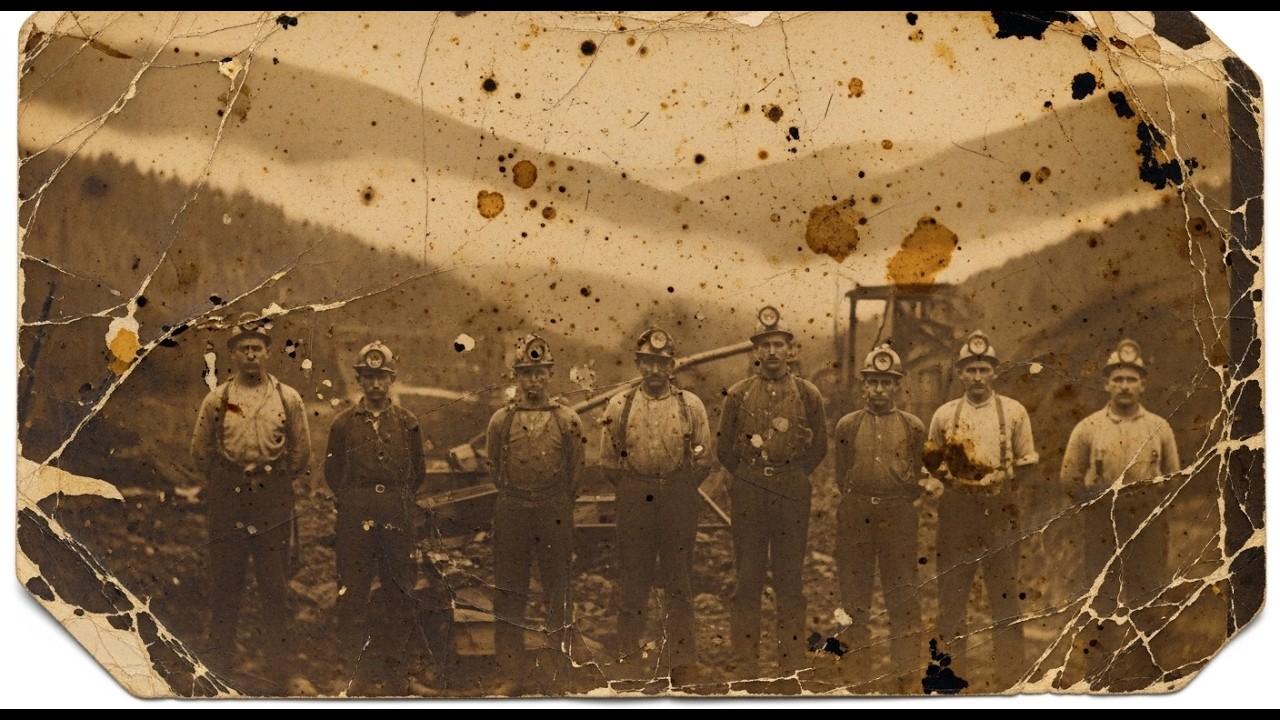
Dawson, noted that the patient, a 37-year-old loader known as “Crack” Willard, had come down with fever, chills, headache, and a dry cough, and that he had recently eaten pork from a hog raised in the hollow above the mine entrance. Dr. Dawson ordered the man to bed and warned him to stay there, but he kept the details of the diagnosis off the official books. He knew what was coming.
The company had no interest in hearing that typhoid might be spreading through the water that fed the miners’ homes and the steam-driven machinery below. The town of Evarts, Kentucky, in 1897 was a company town. Hundreds of miners lived in rows of identical frame houses owned by Consolidated Coal and Coke, and nearly every family drew its drinking water from the same shallow wells and springs that drained the hillsides above the mine. The miners worked in narrow, gas-ridden chambers of the Cumberland Mountains, hundreds of yards below the creek that ran past the tipple, and by the time management understood that the disease was not a random event, it was already moving.
The evidence in the company records shows this was not a mystery. The hog, the contaminated creek, the shared wells, and the crowded tenements created the perfect conditions for the outbreak, and the medical reports that followed in November showed unmistakably what was occurring. By November 8, 1897, Dr. Dawson reported that twenty-three cases of typhoid fever had been diagnosed within the company’s housing, with deaths among the most vulnerable.
The company’s response was not to clean the water supply but to dispute the diagnosis. Superintendent James M. Young sent a telegram to the company’s general offices claiming that the illness was nothing more than “mountain fever” which was common and non-contagious, and that the deaths were due mostly to “malaria in the hills. ” Dr.
Dawson refused to support that fiction. He wrote letters to the local newspapers, and he reported directly to the county board of health, providing them with his actual figures. By that point, the typhoid had entered the mines themselves. Men who worked the water-logged lower levels, where the seepage collected underground and the men drank from the same barrels and hoses, began to show the same symptoms.
The disease spread along the tunnels, following the routes where men worked and slept and shared their drinking water underground. The turning point came in mid-November 1897, when Dr. Dawson collected samples from the creek and the wells and sent them to the Kentucky State Board of Health for laboratory confirmation. The tests were conducted in Frankfort, and they returned positive for typhoid bacillus.
The lab also examined water drawn directly from the mine’s deep sump and found that the contamination had penetrated underground. That analysis, combined with the rising death count, forced the company into action, but not the action that would save lives. Instead, the company announced that it would house typhoid patients together in a single boardinghouse at the edge of town, where they would receive care, and that it would place the community under quarantine. The quarantine, the company explained, would protect the surrounding counties from the outbreak.
But the real purpose, as described in company correspondence later discovered by historians, was to protect the company’s access to laborers and to prevent the state from closing the mines. The result was that within the quarantined camp, the disease continued to kill because the dirty water remained in use and the treatment, such as it was, depended on the efforts of a single overworked physician. By early December, the evidence of what was happening became impossible to hide. The company’s own ledger books, examined later, recorded the burial expenses for the dead, and they show a pattern of weekly funerals running from late November through December and into early 1898.
The final death count was significant. Of the roughly 149 miners and their family members who fell ill, according to the county health records, at least 44 died. The victims were mostly young men and boys in their teens and twenties, although women and children also died. The dead included men who had been buried in the mine collapse before the typhoid began, blamed on roof falls and gas, but in the deeper record, the company never disentangled the two disasters.
The burial ledger contains a fifth entry, an unnamed victim, but transcribed reporting from the Kentucky Post described the toll as “upwards of fifty. ” In the local community, the outbreak was known simply as the Number 7 mine fever, and its consequences were felt across the hollow. The state board of health published a lengthy inspection report in 1898 that included disturbing evidence of what the company had known. The report stated that water for the houses and the mines came from a stream just above the townsite that was, in its words, “polluted with fecal matter and refuse from the miners’ homes,” and that the company had known about this condition for years but failed to provide any other source of drinking water.
The state report also included the results of laboratory work showing that the disease was waterborne typhoid, and it recommended that the mine be supplied with clean water from a protected spring. The company’s response to the state was recorded in its own minute book. It refused the recommendation on the grounds of cost, and it eventually dismissed Dr. Dawson, who had refused to keep quiet.
The company’s attorney then worked to have the quarantine lifted by late December, arguing that the crisis was over, even though the mortality continued into the new year. The outcome for the company was not immediate, but it was fatal. The typhoid outbreak, combined with an earlier collapse that had killed a number of miners and the refusal to address the underlying sanitation, destroyed the company’s relationship with the surrounding communities and with the insurance and credit markets. By 1899, Consolidated Coal and Coke had been placed into receivership.
By 1900, what remained of the operation was sold to the Kentucky Coal and Iron Company, and the mine that had been the site of so much suffering was eventually abandoned. The name Rattlesnake Hollow, the specific number of the mine, and the details of the fever faded from most published histories, as did the names of the victims, who were listed in the county records only briefly. The state board of health, pushed to act by the reports of an employee the company had fired, was given new funds for water testing, and the Kentucky mining industry, watching the litigation that followed, quietly changed the way it dealt with company town water. The human cost lingered longest.
Children who survived the fever carried the scars of typhoid, weakened hearts, lifelong health problems, and the memory of the hundreds of dollars in burial expenses their families had to pay. Some of those expenses were later absorbed by the company through forced loans, and the debts were repaid from future wages, ensuring that the dead, the survivors, and the company itself were tied together, even after the mine closed. Dr. Dawson, after his dismissal, became a physician in the mountain circuit, and his later writings and documentation, preserved in a family archive, include a copy of the state report and a focused, carefully written note to his brother in 1898 that remains the most complete firsthand account of the outbreak.
In his letter, he wrote that the men and women of Evarts had not died from a virus or from a lack of medical attention, but from a preventable condition, and that their deaths were a result of carelessness, greed, and the belief that human life was cheaper than organization. No single photograph survives of the mine at the peak of the outbreak, and no one knows the exact location of the mass grave. The town of Evarts itself still exists, and in the local library, a small display case contains a piece of 1890s coal-mining equipment from the Consolidated Coal and Coke operation, along with a note that in 1897, the area suffered an outbreak of typhoid fever. The note does not mention the death count or the company’s refusal to fix the water supply, and that quiet omission is the final chapter.
The disease was known. The deaths were recorded. The cause was understood. None of it stopped the digging.
The mines reopened under new owners within a decade, and the water was still drawn from streams contaminated by the hills, and another generation of miners went down below with nothing but the same brass lamps and the same unanswered questions above their heads.