Long before she became Hollywood’s most famous blonde, Marilyn Monroe was Norma Jeane, a girl born into instability on June 1, 1926, in Los Angeles. Her mother, Gladys Pearl Baker, had a turbulent life marked by abusive marriages and mental illness. Norma Jeane’s paternity was uncertain for decades; her mother’s coworker, Charles Stanley Gifford, was later confirmed as her biological father through a 2022 DNA test.
Norma Jeane spent her earliest years in foster care with a Christian couple, Albert and Ida Bolander. Her mother visited on weekends, but the bond was fragile. When Norma Jeane was seven, Gladys bought a small house in Hollywood and brought her daughter to live with her.
That stability lasted only until 1934, when Gladys suffered a severe mental breakdown and was diagnosed with paranoid schizophrenia. She was institutionalized, and Norma Jeane became a ward of the state.
What followed was a childhood shuffled between foster homes, relatives, and an orphanage. For 16 months, she stayed with a family where there were dark suggestions of abuse. She developed a stutter and retreated into herself.
In 1935, she was placed in the Los Angeles Orphan’s Home, where she later recalled feeling utterly abandoned. Eventually, her mother’s friend, Grace Goddard, became her guardian, but stability remained out of reach. Norma Jeane later alleged that Grace’s husband, Doc, molested her.
Despite the chaos, something inside her was stirring. When foster families sent her to the movies, she sat transfixed in the dark theaters. She later said that when she realized what acting was, she decided that was what she wanted to be.
In 1938, she moved in with Grace’s aunt, Anna Atchinson, who was kind and gave her a rare sense of home. But by 1941, she was back with the Goddards. At 16, facing the choice of moving with them out of state or returning to the orphanage, she married James Dougherty, her 21-year-old neighbor.
The marriage brought no happiness; Marilyn later admitted she felt trapped and suffocated.
When Dougherty shipped out with the merchant marine in 1944, Norma Jeane found work at the Radio Plane Company, a munitions factory in Van Nuys. There, Army photographer David Conover photographed her for a wartime morale project. The spark was lit.
She quit the factory, began modeling full-time, and by 1945 had signed with the Blue Book Modeling Agency. Her brown curls were straightened and bleached platinum blonde. Within a year, she appeared on 33 magazine covers.
Her husband opposed her career, but Norma Jeane was not about to slow down. By 1946, she left him and signed her first contract with 20th Century Fox through agent Ben Lyon. Together, they crafted her new name: Marilyn Monroe, after Broadway star Marilyn Miller and her mother’s maiden name.
Her first year at Fox was a crash course in the movie business. She studied acting, singing, and dance while working small parts. When her contract was not renewed in 1947, she was crushed, but she refused to quit.
She returned to modeling, took acting classes, and networked strategically. Fox executive Joseph Schenck helped her land a contract at Columbia Pictures, where she was coached by Natasha Lytess, who became a mentor and constant presence.
Her first starring role came in the 1948 musical Ladies of the Chorus, but the film flopped. By September, her contract was not renewed, and once again, Marilyn was cut loose.
In 1949, broke and desperate, she posed nude for photographer Tom Kelly for a series of calendars, using the alias Mona Monroe. She did not see it as shameful, but those photos would later roar back into her life.
Not long after, she met Johnny Hyde, a wealthy, well-connected agent decades older than her. Marilyn became both his protégée and his lover. Through him, she landed tiny roles in major films, including All About Eve and John Huston’s noir The Asphalt Jungle.
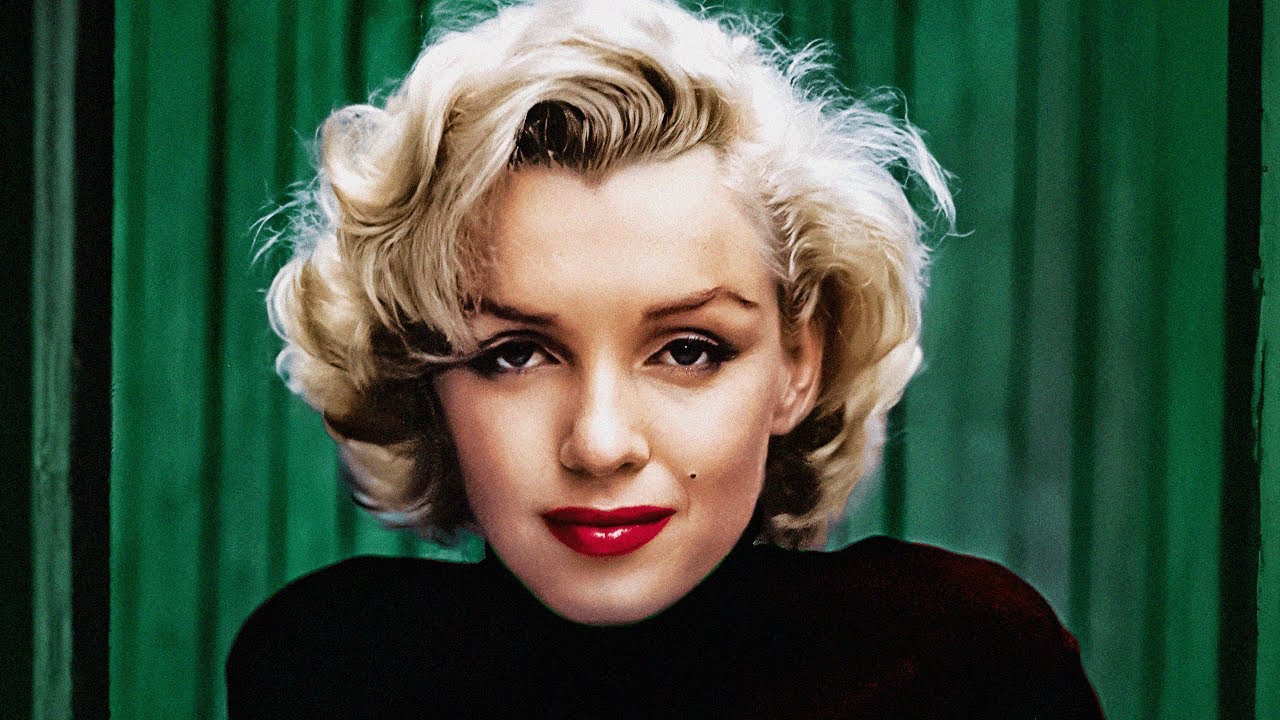
Critics began to notice that this girl was not just a pinup; she could act.
By December 1950, Hyde had secured Marilyn a seven-year deal with 20th Century Fox. Days later, he died of a heart attack, leaving Marilyn devastated and alone again.
She pushed forward. In 1951, she landed supporting roles in Fox comedies like As Young as You Feel and Love Nest. Fan letters poured in by the thousands.
Soldiers plastered her pin-ups in their barracks. By the next year, the Hollywood Foreign Press named her the best young box office personality.
In early 1952, she began a romance with New York Yankees superstar Joe DiMaggio. Together, they were a press agent’s dream. Then came the scandal that could have ruined her.
In March 1952, rumors about the nude calendar shots resurfaced. Instead of denying them, Marilyn admitted the truth: she had posed nude because she was broke and needed the money. That honesty shocked people, but it also won them over.
She landed the cover of Life magazine, and Hollywood cashed in immediately, releasing three of her films back to back.
But Marilyn wanted more than cheesecake roles. She studied with acting coaches and took on heavier parts. In Clash by Night, she played a working-class cannery girl and impressed critics.
In Don’t Bother to Knock, she played a disturbed babysitter. Reviews were mixed, but it proved she was not afraid to stretch herself.
Off-screen, she fueled her sex symbol status with headline-grabbing stunts, wearing a scandalous dress as Grand Marshal at the Miss America pageant and quipping to reporters that she usually wore no underwear.
Behind the scenes, Marilyn was building a reputation for being difficult. She was late to sets, forgot lines, and demanded endless retakes. Directors grew frustrated, but her struggles were rooted in crippling stage fright, perfectionism, and deep insecurity.
She leaned on her acting coaches and began relying on pills and alcohol to soothe her nerves and insomnia.
By the end of 1952, Marilyn Monroe was the most talked-about woman in Hollywood. But the higher she climbed, the more the world expected her to stay locked in the role of the sexy, giggling bombshell. Marilyn wanted something more dangerous: control.
By 1955, she was done playing by the old rules. After The Seven Year Itch exploded at the box office, Fox executives realized she was the box office. Marilyn demanded story approval, director approval, and even cinematographer approval.
She wanted $100,000 per film plus the freedom to work outside Fox. The press thought she was crazy. The studio thought she would fold.
When she signed her new deal on December 31, 1955, she walked away with one of the most revolutionary contracts Hollywood had ever seen. For the first time, an actress had creative control that rivaled the men who ran the industry.
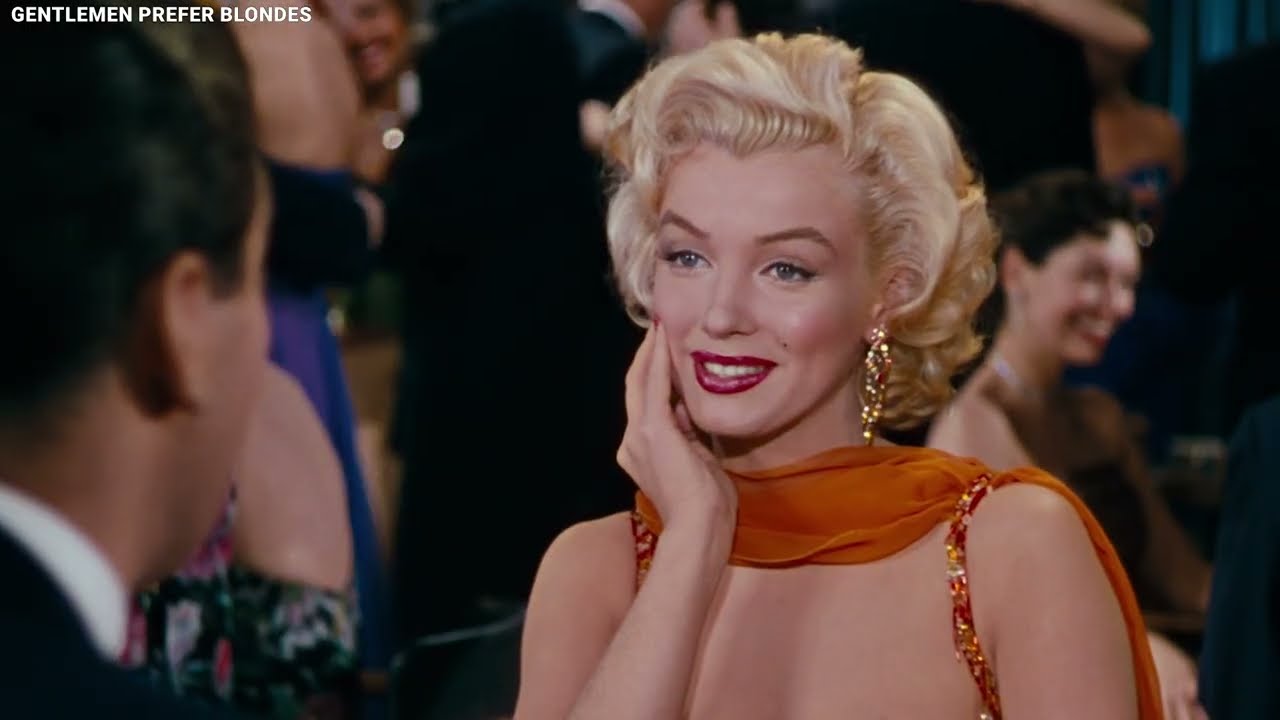
Her first test under the new contract came with Bus Stop, a serious drama that proved she could carry weight. The world leaned in, waiting to see if the woman mocked as a bimbo could actually deliver. Marilyn was more than ready to show them.
But while her career was finally soaring, her personal life was a different story.
Her first marriage to James Dougherty ended in 1946. Then came Joe DiMaggio. On paper, they were a dream: Hollywood’s brightest star and baseball’s golden boy.
In reality, it was a storm. Joe wanted a wife; Marilyn wanted a career. As her fame skyrocketed, his jealousy deepened.
He could not handle the world’s gaze on her, especially after she filmed the iconic scene in The Seven Year Itch with her white dress flying over a subway grate. For DiMaggio, it was humiliation.
The fights grew uglier. Marilyn filed for divorce just nine months later, citing mental cruelty. Yet the bond never fully broke.
Years later, when her health spiraled, Joe returned as a friend. When Marilyn died in 1962, it was DiMaggio who handled the funeral. He never remarried and sent flowers to her grave three times a week until his own death.
Marilyn’s longest and most complicated love came with playwright Arthur Miller. The press dubbed them the egghead and the hourglass. To Marilyn, Miller represented security.
She converted to Judaism for him and threw herself into the marriage. Miller wrote her love letters calling her a miracle.
But reality has a way of rewriting fairy tales. Marilyn suffered miscarriages that devastated her. Miller, once her biggest champion, began scribbling cruel things in his diary, thoughts Marilyn would eventually discover.
He painted her as a disappointment, even an embarrassment, in front of his intellectual friends. For a woman who craved respect as much as love, it was a betrayal that cut deep.
The cracks showed while filming The Misfits, a movie Miller wrote for her. By the time the cameras stopped rolling, so had their marriage. They divorced in 1961.
Beyond her marriages, Marilyn’s love life was filled with rumored affairs. She was linked to Charlie Chaplin Jr. and his brother Sydney in a scandalous triangle.
Milton Berle claimed a brief affair. Her bond with drama coach Natasha Lytess sparked speculation of a different kind. Whispers about other women followed her for years.
The list of men tied to Marilyn reads like a roll call of mid-century icons. Director Elia Kazan privately confessed to a fling. Marlon Brando escorted her to a premiere and remained a close friend.
Frank Sinatra was a confidant after her divorce from Arthur Miller. Jerry Lewis shocked many in a late-life interview when he claimed a secret romance.
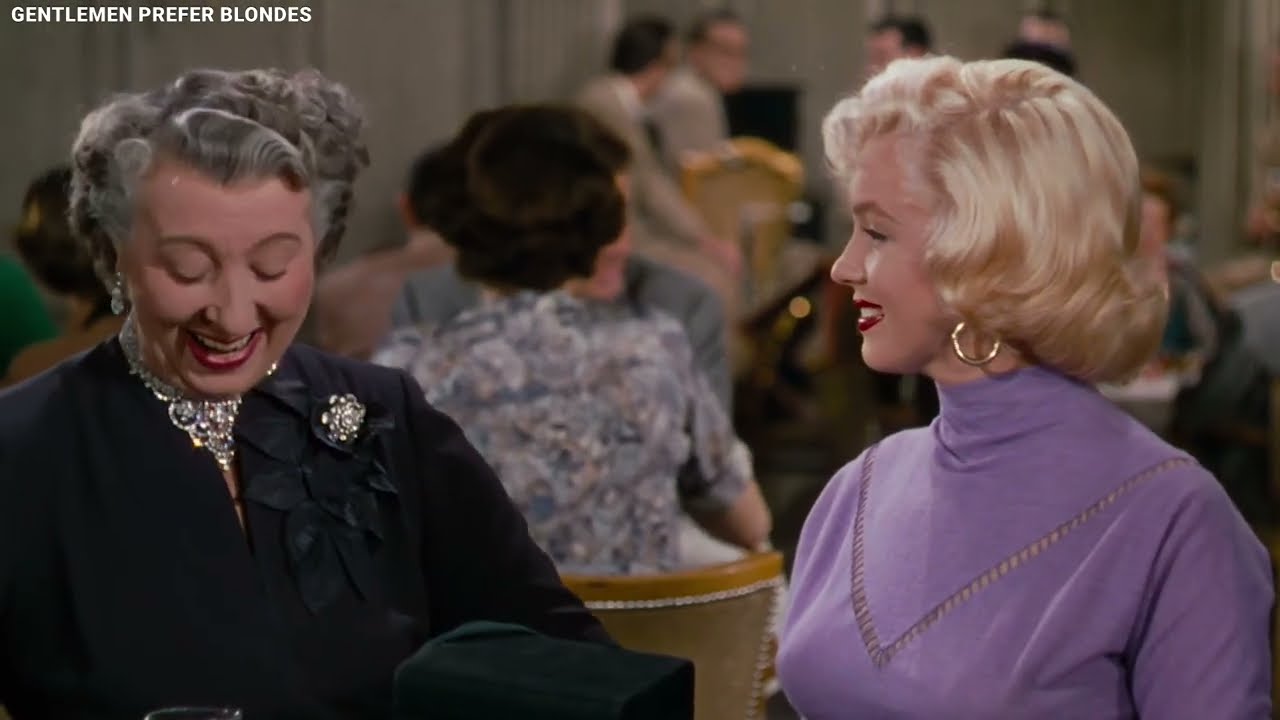
But the rumors that never died involved President John F. Kennedy and his brother Robert.
At the height of JFK’s rise to power, when cameras painted him as America’s golden boy, and Marilyn reigned as Hollywood’s most intoxicating star, the two were playing with fire. Freshly declassified FBI files suggest that Marilyn was not just having a fling with JFK; she was carrying his child during his 1960 presidential campaign.
Radar Online reports that FBI memos flagged Marilyn’s pregnancy as a direct threat to Kennedy’s campaign. In July 1960, photographers caught Marilyn in New York during hair and makeup tests for The Misfits. Sharp-eyed observers noticed a slight roundness at her stomach, just enough to suggest the beginning of a bump.
The timing was messy. Marilyn had just finished filming Let’s Make Love with French actor Yves Montand. The tabloids pointed a finger at him, but according to reports, Marilyn believed the baby was JFK’s.
Their affair supposedly began around 1954 at a Hollywood party, and although they both married other people, they kept finding their way back to each other in secret.
By the time Kennedy secured the Democratic nomination in 1960, Marilyn was back in Los Angeles. That is when she reportedly told him about the pregnancy. For Kennedy, the news was catastrophic.
With the presidency within reach, he allegedly told her she could not go through with it.
Not long after, Marilyn was hospitalized for ten days during the filming of The Misfits. The official reason given was exhaustion. But buried in FBI files and whispered in Hollywood circles is another version: Marilyn had been pushed into a secret abortion to protect JFK’s career.
Still, Marilyn held on to hope. She reportedly believed she had a future with Kennedy, even after he told her to keep her distance. That fantasy was shattered in 1962 when she sang her now-infamous Happy Birthday to him at Madison Square Garden.
The sultry performance allegedly enraged Jackie Kennedy. From that moment on, Jackie is said to have demanded an end to the affair.
And here is where it gets darker. Just before her death in August 1962, Marilyn was allegedly ready to go public. She wanted to tell her story.
That never happened. Instead, she was found dead in her Brentwood home. The official cause was ruled a probable suicide.
For decades, conspiracy theories have swirled, only growing stronger with the release of documents connected to the JFK assassination investigation. One memo cited Norman Mailer, who suggested rogue operatives in the FBI or CIA may have had their own reasons to silence her, to keep the Kennedy legacy untouched.
Biographers point to strange details that followed her death. Her housekeeper, her publicist, and actor Peter Lawford were never properly questioned. In 1983, her housekeeper finally admitted that Robert Kennedy had visited Marilyn the night before she died.
In the files of private investigator Fred Otash, there were suggestions of a cover-up.
So what really happened to Marilyn Monroe? Was it an overdose, a suicide, or something much more sinister? One thing is certain: if she had carried JFK’s child and was ready to tell the world, that secret alone would have been enough to bring down Camelot.
And maybe, just maybe, that is why Marilyn Monroe’s story still feels unfinished.