Ilse Koch remains one of the most infamous figures to emerge from the Nazi concentration camp system. Known to prisoners as the "Buchenwald Witch" or the "Buchenwald Bitch," her cruelty was so extreme that it eventually drew the attention and condemnation of the highest ranks of the Third Reich. Her story is one of sadism, perversion, and a justice system that struggled for decades to hold her accountable.
Born in Dresden in 1906, Ilse was described by those who knew her as a sweet child. Regular visitors to the local library, where she spent much of her free time, even gave her the nickname "Angel." She grew up with aspirations of a stable life and trained as an accountant.
That ordinary path changed dramatically in 1934 when she met Karl Koch, a member of the Nazi Party and an SS officer.
The two formed an immediate bond, and Ilse chose to follow her lover wherever his career took him. In 1936, that meant the Sachsenhausen concentration camp, where Karl was appointed commandant. Ilse joined him two years later, taking a position as an accountant at the camp.
At Sachsenhausen, Karl Koch quickly established a reputation as one of the most brutal sadists in the SS. He beat prisoners with whips that had razor blades embedded in the leather, branded them, and tortured them with vices. Far from being horrified by her husband's behavior, Ilse absorbed these new sensations with apparent fascination.
In 1937, Karl was transferred to Buchenwald, where he was tasked with building a new concentration camp from the ground up. Ilse followed him there, and it was at Buchenwald that her own cruelty would fully blossom.
Prisoners who survived Buchenwald later recalled that they feared Ilse Koch far more than they feared her husband. She would take strolls through the camp, casually selecting a random victim and beating them half to death with a lash. But this direct violence soon became insufficient for her appetites.
Ilse acquired a German Shepherd dog, which she trained to attack prisoners on command. Her main pastime was setting the vicious animal on inmates, with a particular focus on pregnant women. She reportedly derived great pleasure from watching the terror of her victims and the sight of the dog's fangs tearing into their bodies.
As her cruelty escalated, so did her inventiveness. She developed a taste for sending selected prisoners to the zoo, where they would be devoured by the Himalayan bears that lived there. Ilse would stand at the cage, enjoying the bloody spectacle.
Her most notorious hobby, however, was needlework of a particularly gruesome kind. Ilse began selecting prisoners who had tattoos on their bodies. These prisoners were killed by lethal injection, and then their skin was removed, processed, and delivered to her.
She used the human skin to create lampshades, gloves, handbags, and even underwear.
Prisoners were well aware of her obsession with tattoos. Many deliberately cut themselves to ruin their tattoos or tried to get themselves sent to the gas chamber to permanently damage the drawings on their skin. One well-known case involved a French cabaret actress who had a beautiful tattoo covering her entire back.
As soon as Ilse noticed the woman, her fate was sealed. Ilse reportedly made a tablecloth from the poor woman's skin.
A prisoner named Albert Gronowski, who worked in the morgue, later testified that Ilse sewed panties from the skin of a Roma prisoner. He recognized the tattoo on the underwear because he had seen it on the back of a man from his block. The prison doctor who wrote death certificates helped falsify documents, listing heart attacks as the cause of death for the tattooed victims.
Ilse became so engrossed in her craft that she began corresponding with the wives of commandants at other camps, sharing the secrets of tanning and processing human skin. Her preference for making lampshades earned her the additional nickname "Frau Lampshade."
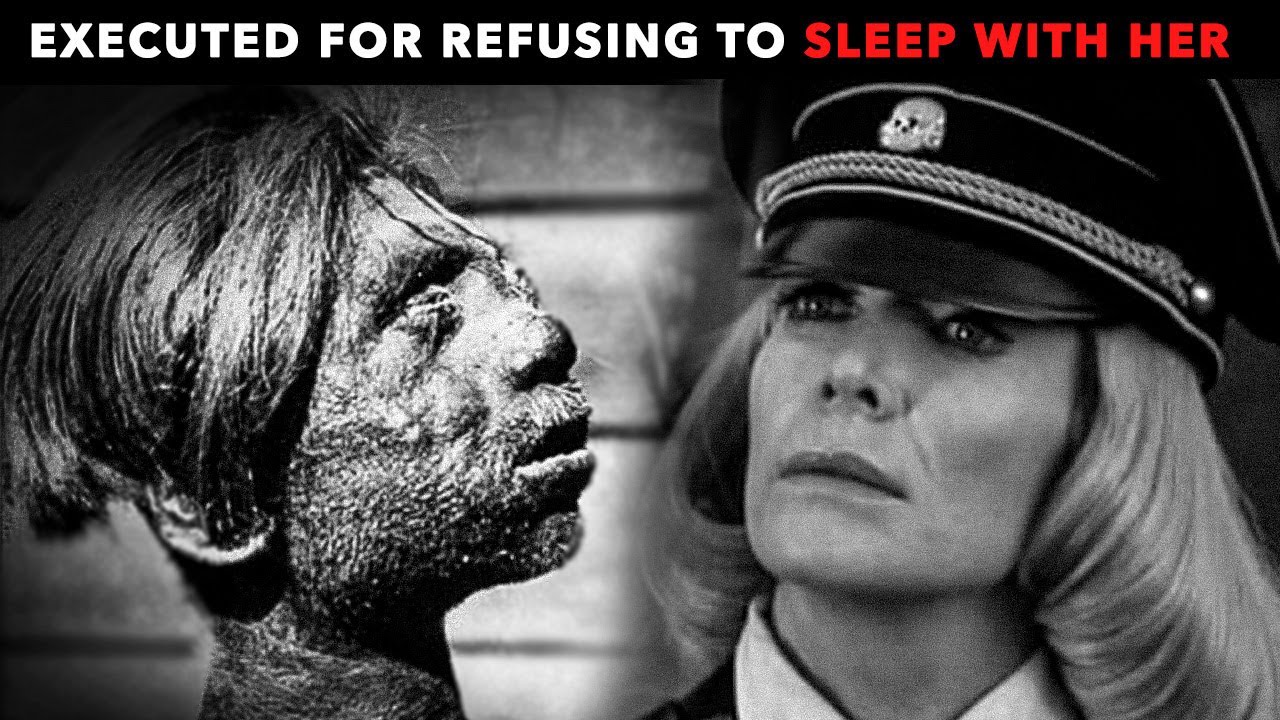
Despite her monstrous nature, Ilse was not entirely devoid of human desires. On one occasion, she spotted a tall and athletic young Czech prisoner. She ordered that the man be washed and fed heavily for several days.

He was then dressed in a suit and brought to her apartment, where she greeted him in a pink dressing gown, clearly expecting an intimate encounter. The Czech refused her advances, which sealed his death sentence. Ilse brutally beat him, and the man was subsequently shot.
In a bizarre contradiction, Ilse Koch wrote gentle and romantic poems by the light of the lampshades made from human skin.
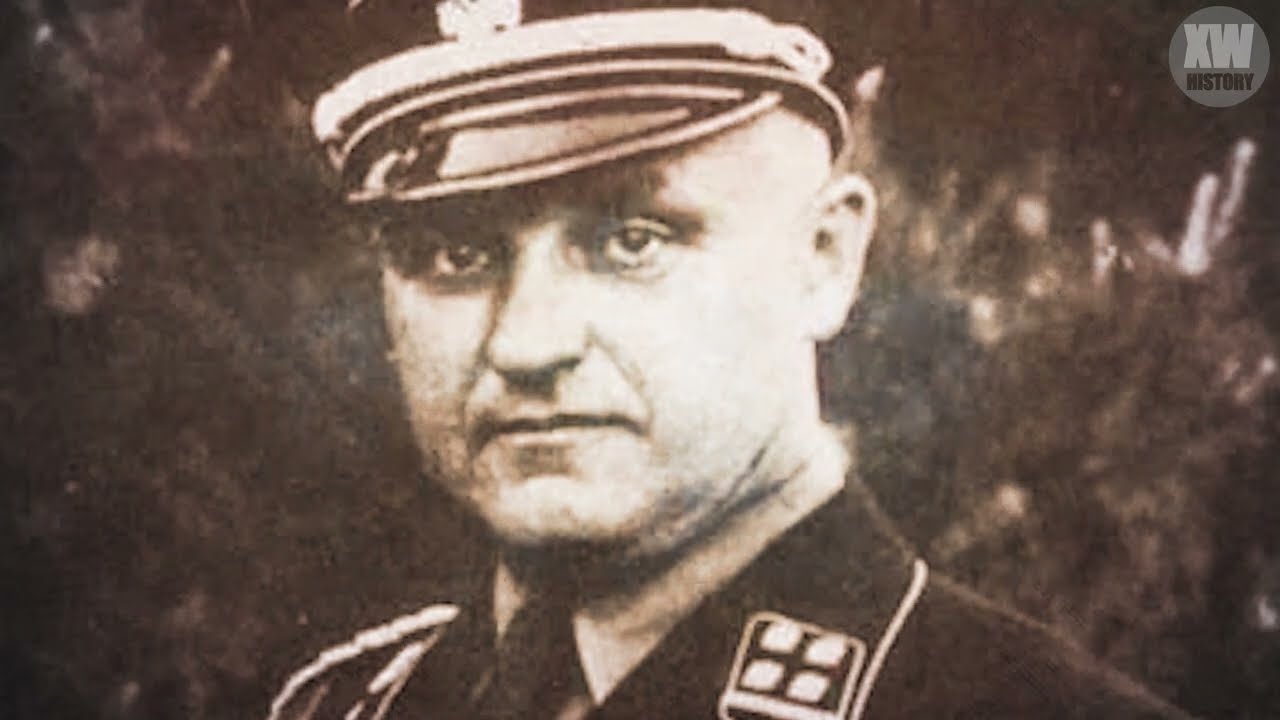
The madness of the Koch couple eventually became too much even for the Nazi leadership. Karl Koch was accused of murdering an SS man who had complained about extortion by his superiors. He was also accused of killing a doctor who had secretly treated him for syphilis.
More surprisingly, he was charged with embezzlement and excessive cruelty toward prisoners.
The embezzlement charge proved to be the most damaging. Karl Koch was accused of stealing approximately one million marks. Despite his pleas to be sent to the front to redeem himself, he was convicted and sentenced to death.
The sentence was carried out in April 1945, when he was shot in the courtyard of the Buchenwald concentration camp.
Ilse Koch managed to escape conviction at that time. No direct evidence of her guilt was found, and she had successfully hidden her activities. After the war, she was released and attempted to keep a low profile.
Ironically, her brief arrest and detention allowed her to claim the status of an anti-Nazi activist, a fiction she maintained until 1947.
In that year, charges were brought against her for her crimes at Buchenwald. Ilse denied everything, claiming that the accusations were a conspiracy by co-workers who were retaliating against her for her official diligence. Despite being pregnant, she was convicted and sentenced to life imprisonment.
In 1951, however, the High Commissioner dismissed all charges against her. The ruling stated that the evidence was insufficient and that there was no proof of her involvement in the manufacture of items from tattooed human skin. The decision sparked outrage, even among Germans who had grown weary of war crime trials.
The American prosecutor, William Denson, who had originally secured her life sentence, called the decision a monstrous failure of justice.
The public outcry was so intense that German authorities arrested Ilse Koch almost immediately upon her release from the American prison in Munich. A new trial was launched, and the Bavarian Ministry of Justice actively searched for witnesses to build an indisputable case. They summoned 240 surviving prisoners from the Sachsenhausen and Buchenwald camps to testify.
Based on the evidence gathered, Ilse Koch was once again sentenced to life imprisonment. She never acknowledged her guilt. In letters to her son, she adamantly denied any wrongdoing, insisting that she had only been sincerely and honestly fulfilling her duty to her country.
Her son was the only person who visited her in prison. During his last visit, she complained of injustice and said she had not been sleeping well. She claimed that the souls of the dead concentration camp prisoners visited her at night.
On September 1, 1967, Ilse Koch ate her last meal, wrote a farewell letter to her son, and hanged herself in her cell using bound sheets. Her son later took his mother's maiden name, Keller. In 1971, he attempted to restore her reputation by writing a heartfelt letter to the editorial board of the New York Times.
The letter went unanswered.
Ilse Koch's death brought an end to a life marked by extreme cruelty and a complete absence of remorse. Her crimes at Buchenwald remain among the most disturbing examples of human depravity from the Nazi era, and her eventual suicide in prison closed a chapter that had shocked the world for more than two decades.