The wedding photograph remains one of the most famous images of the 20th century: the world’s most admired widow standing beside one of its richest men on a private Greek island. For decades, it was presented as a fairy tale—a grieving woman finding safety with a devoted protector. Behind that photograph, however, sits a marriage built on fear, financial calculation, hidden infidelity, and a final act of cruelty that was still being planned when Onassis died.
Long before their wedding shocked the world, Jacqueline Kennedy and Aristotle Onassis moved in the same circles of wealth and power. Their friendship deepened in the fall of 1963, after Jacqueline’s newborn son, Patrick, died just days after being born prematurely. Onassis invited her aboard his private yacht for a Mediterranean cruise, offering a rare escape from public scrutiny.
Those weeks gave Jacqueline a sense of privacy she had struggled to find in the White House.
Months later, President Kennedy was assassinated in Dallas. In the years that followed, Onassis remained a quiet presence in her life. Then, in June 1968, Robert Kennedy was assassinated in Los Angeles.
For Jacqueline, the loss confirmed a growing fear that her family was being targeted. She reportedly confided to friends that her children might not be safe either. With only a single Secret Service officer assigned to each of them, her fear was compounded by a sense of inadequate protection.
Just four months after Bobby’s death, she decided to marry Onassis. Biographers suggest the speed of the decision makes sense only through the lens of genuine terror rather than romance. It was a practical calculation about what her family needed to survive.
The marriage was arranged like a business deal. The prenuptial agreement reportedly contained between 170 and 173 separate clauses, drafted over months of negotiations. It governed how much time the couple would spend together, financial terms in the event of divorce, and, most importantly, extensive guarantees for the physical security of Jacqueline and her children.
Onassis agreed to provide around-the-clock protection for the rest of their lives.
The financial terms were equally calculated. If Onassis ended the marriage, Jacqueline would receive a reported $20 million. If she walked away, she would receive a smaller but still substantial settlement.
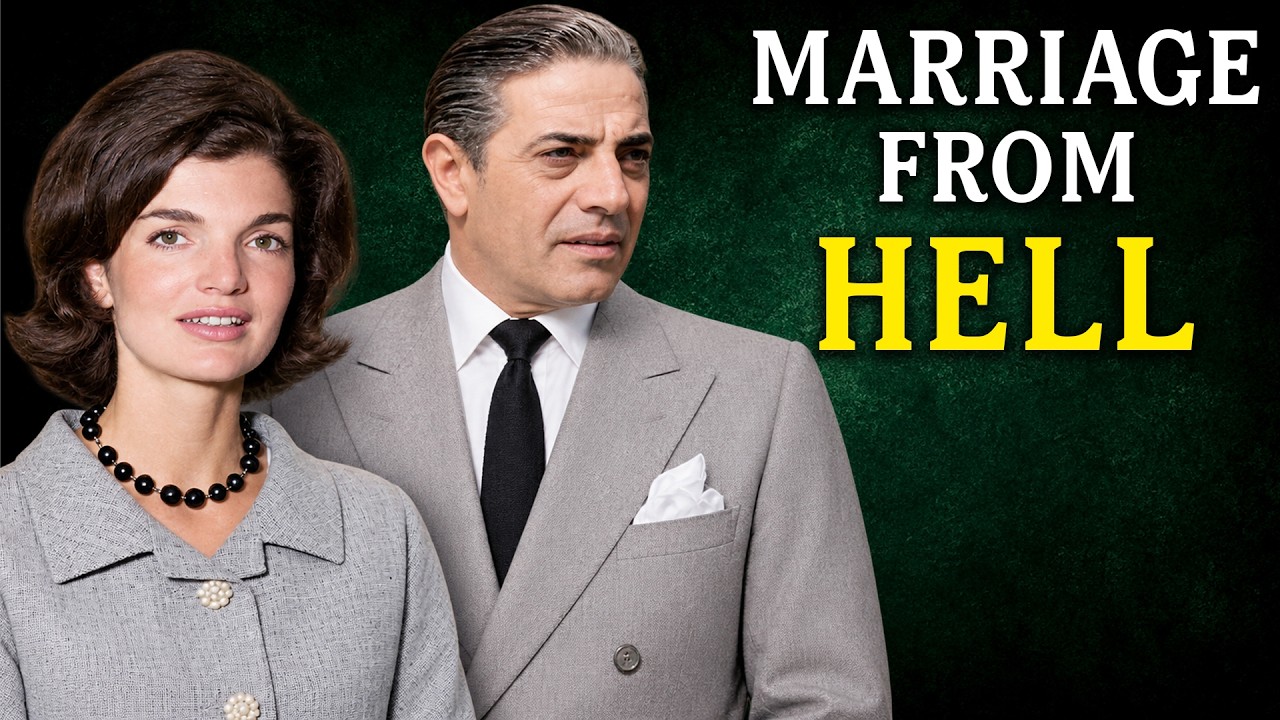
In the event of his death, she was guaranteed an annual income of roughly $200,000 along with certain properties. It read less like a declaration of love and more like a carefully negotiated corporate merger.
The wedding took place on October 20, 1968, on Skorpios, Onassis’s private island in the Ionian Sea. It sent shockwaves through American society. Many felt the marriage tarnished the memory of President Kennedy.
Others were captivated by the wealth and mystery of her new husband. The union also created friction with the Catholic Church, since Onassis was divorced and his first wife was still living.
Jacqueline quickly became the target of relentless media attention, earning the nickname Jackie O. One aggressive photographer became so notorious that she was granted a restraining order against him. The scrutiny arguably exceeded what she had faced as first lady.
What almost no one knew was that Onassis had never let go of the woman he had loved for nearly a decade before Jacqueline entered his life. In 1959, he had begun a passionate affair with opera singer Maria Callas, while both were still married to other people. Their relationship had captivated European tabloids for years.
When Onassis married Jacqueline, the public assumed his relationship with Callas was over. The private reality was different. According to multiple biographers, he resumed visiting Callas within weeks of returning from his honeymoon.
The ongoing relationship became an open secret among those who knew him best. Jacqueline’s friend Carly Simon later described the emotional toll of watching her endure this infidelity while maintaining public composure.
Onassis’s devotion to Callas bordered on obsessive. After his health declined, he reportedly showed up at her Paris residence and whistled up toward her window when she refused to see him. On one occasion, he threatened to drive his car through her front door.
His emotional loyalty had never truly shifted to the wife the world believed he had married for love.
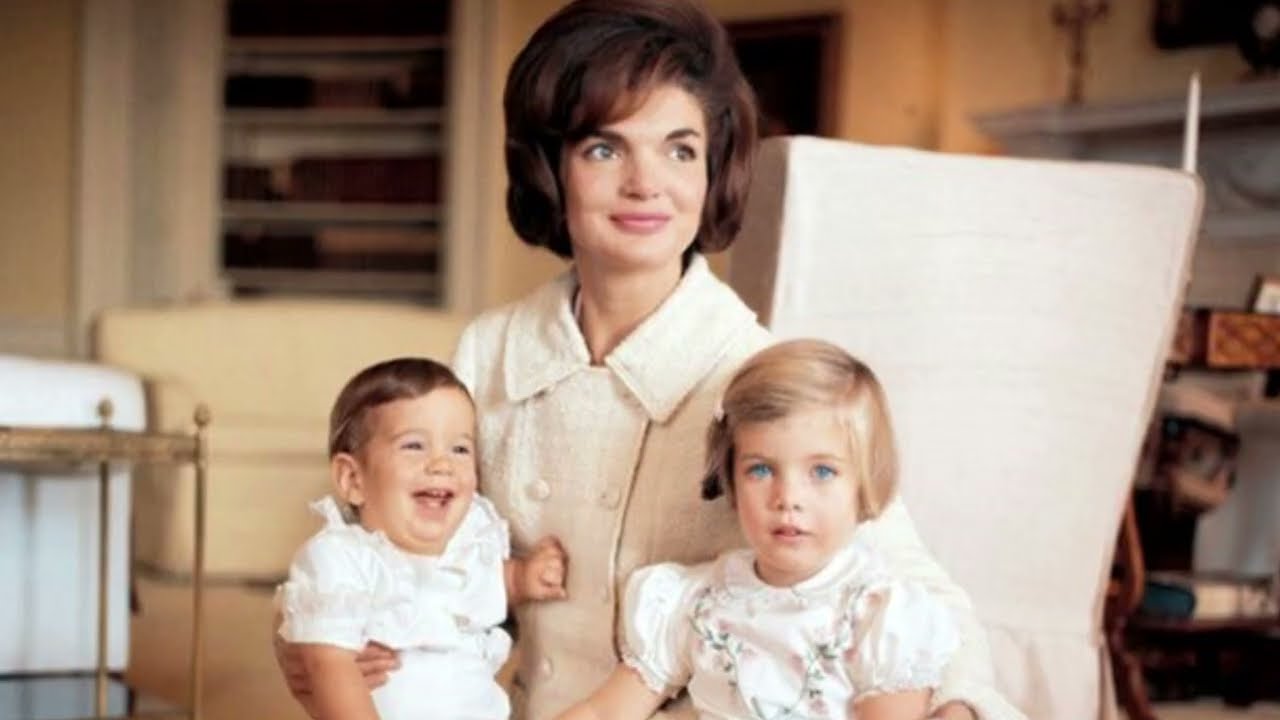
In February 1970, a set of deeply personal letters written by Jacqueline suddenly surfaced at a public auction. The letters had been written years earlier to Roswell Gilpatric, a former Deputy Secretary of Defense with whom she had maintained a romantic connection. One letter had been written from aboard Onassis’s own yacht, explaining why she had not yet told Gilpatric about her plans to marry Onassis.
The sudden appearance of the letters struck observers as too convenient to be coincidental. Speculation swirled about who had released them and why. No definitive explanation has ever been confirmed, leaving the episode as one of the more persistent mysteries of her years with Onassis.
In January 1973, Onassis’s only son and intended heir, Alexander, was involved in a plane crash at Athens Airport. He died the following day at just 24 years old. The loss shattered Onassis in ways from which he never fully recovered.
Rather than turning to his wife for comfort, his grief curdled into blame. He began telling friends that Jacqueline had brought misfortune into his life, reportedly referring to her as a witch and insisting she carried a curse. His own advisers found the accusations alarming coming from a man known for hard-nosed rationality.
The accusations marked a permanent turning point. Onassis grew colder and more resentful. He reportedly cut her monthly allowance by roughly a third in an effort to control her spending.
A husband who had once promised lifelong protection now used money as a tool of punishment.
As his health declined, Onassis grew determined to end the marriage. He reportedly hired a private investigator to follow Jacqueline in hopes of gathering evidence of infidelity. He retained the notoriously aggressive attorney Roy Cohn to begin drafting divorce paperwork.
According to biographer Arianna Stassinopoulos, Onassis made his intentions clear: he wanted the divorce to be as humiliating and painful for Jacqueline as legally possible. The directive reportedly left even his own attorney taken aback.
Onassis never got the chance to carry out that plan. He had been diagnosed with myasthenia gravis, a serious autoimmune disorder causing progressive muscle weakness. In his final months, doctors reportedly had to tape his eyelids open so he could keep his eyes functioning.
He traveled to Paris for treatment, choosing to remain close to Maria Callas rather than his own wife.
Aristotle Onassis died on March 15, 1975, at the American Hospital in Paris at age 69. His will had already been quietly revised to reduce Jacqueline’s inheritance.
Following his death, his daughter Christina inherited the overwhelming majority of his fortune. She moved quickly to limit what Jacqueline could claim under the prenuptial agreement. A drawn-out legal battle stretched on for roughly two years.
Christina had reportedly never warmed to Jacqueline, and the underlying tension shaped the fight over the document that had been designed to prevent such conflict.
In 1977, the two sides reached a settlement. Jacqueline agreed to accept a reported $26 million, formally waiving any further claims to the estate. It was a substantial sum but far smaller than the bulk of her late husband’s fortune, and considerably less than she might have received had Onassis not spent his final months working to reduce her inheritance.
Jacqueline’s public statement after his death was careful and measured. She described him as someone who had rescued her during a period when her life felt engulfed by shadows. The language revealed little about the turbulence of their seven years together.
In the years that followed, Jacqueline turned to a Belgian-American diamond merchant named Maurice Tempelsman to manage her settlement. He reportedly multiplied her inheritance several times over through careful investment. Tempelsman became her closest and most enduring companion for the remainder of her life, offering the stability that had eluded her in both marriages.
Looking back across the marriage, the picture that emerges is far more troubling than the fairy tale sold to the public in 1968. A union built on genuine fear for her children’s safety. A cold, meticulously negotiated contract standing in for romance.
A husband who never let go of another woman. Stolen letters resurfacing at the worst possible moment. A family tragedy curdled into irrational cruelty.
And a plan for deliberate humiliation that was never completed.
None of this erases whatever genuine comfort Jacqueline and Onassis found in each other during the earlier years, particularly after the losses of her husband and brother-in-law. Biographers generally agree that the early years contained real warmth and mutual respect. But the fuller picture—hidden infidelity, calculated financial punishment, and a plan for deliberate humiliation—tells a far more disturbing story than the one repeated in magazines for decades.
Jacqueline Kennedy Onassis remains one of the most admired women of her generation, remembered for her poise and resilience. But the fuller story of her second marriage reveals a woman who survived yet another deeply difficult chapter, hidden almost entirely behind the glittering surface of one of the most photographed unions in modern history.