On the night of October 15, 1951, millions of American television viewers tuned in to a new sitcom about a zany housewife named Lucy Ricardo and her Cuban bandleader husband, Ricky. The show was I Love Lucy, and its success would do far more than make stars of its leads. It would change the way television was made, financed, and watched, and it would put its co-creator and star, Desi Arnaz, at the center of one of the most innovative careers in the history of the medium. Desi Arnaz was born on March 2, 1917, in Santiago de Cuba, into a wealthy and privileged family.
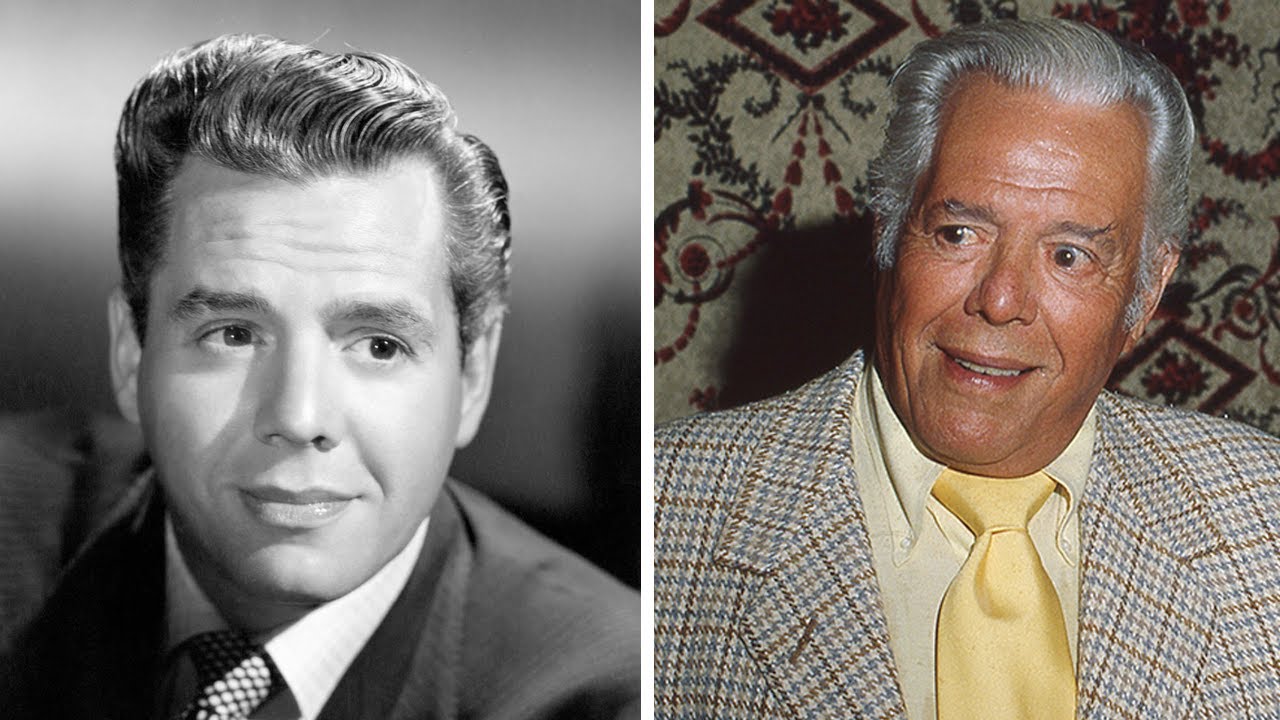
He grew up attending private schools and, thanks to his father’s involvement in the Cuban music scene, was exposed to the entertainment world at an early age. Music became the driving force of his youth. He absorbed a range of styles, from Cuban music to jazz and swing, and was especially drawn to the vibrant energy of the music of his homeland. That blend would become his trademark.
As a teenager, he formed his own band and began performing professionally, quickly earning a reputation as a charismatic and talented performer. But the young musician was restless. He wanted more than regional success, and he set his sights on the United States. His arrival in the American entertainment industry eventually led him to the role that would define his public image and alter television history.
In I Love Lucy, Arnaz played Ricky Ricardo, the lovable and often flustered Cuban bandleader married to Lucy, played by his real-life wife, Lucille Ball. The character made him a household name and won over audiences with warmth and comic charm. The show was groundbreaking on several fronts. It became one of the pioneers of the sitcom genre, setting a new standard for television comedy.
But its importance reached far beyond jokes and plotlines. Arnaz and Ball insisted on filming before a live studio audience, using multiple cameras, a production technique that would become standard practice for decades. Arnaz also made a critical business decision that changed the economics of television: he refused to accept a pay cut to keep the show on the air and instead took a reduced salary in exchange for full ownership of the episodes. At the time, networks owned every show they broadcast, and reruns had little value.
Arnaz, recognizing the potential of syndication, bought the rights to I Love Lucy outright. That move transformed reruns into a lucrative revenue stream and established the financial model that would support the television industry for generations. His contribution to the medium was not limited to that single sitcom. With his production company, Desilu Productions, Arnaz became one of the most successful producers in television.
Desilu grew into a major studio, producing and co-creating several popular series, including The Untouchables and Star Trek. While Arnaz’s acting career would eventually slow, his work behind the camera kept him at the center of the industry for years. Arnaz’s personal life was as colorful and public as his screen persona. He was known for his high-spirited personality, his infectious energy, and his charm, both on and off camera.
He married twice. His first marriage, to Ball, produced two children, but the relationship was plagued by personal difficulties. Rumors of infidelity and struggles with substance abuse followed the couple, and after twenty years of marriage, they divorced. Despite the painful end of their marriage, Arnaz and Ball remained close friends and professional partners.
His second marriage, to Edith Mack Hirsch, lasted until his death. He was also one of the first Latin American actors to become a true star in the United States, paving the way for later generations of Hispanic performers. His unique blend of Latin rhythm and American swing made him a distinctive figure in entertainment, and his success helped open doors that had long been closed. At the same time, his later years were difficult.
He struggled with alcohol and drug addiction for many years, battles that took a serious toll on his personal and professional life. He also faced financial troubles in his later years, even as he continued to make guest appearances on television and occasionally returned to acting in films. His focus, however, had increasingly shifted to producing work behind the scenes. Desi Arnaz died on December 2, 1986, at the age of sixty-nine.
His death was mourned by the entertainment industry and by the audiences who had grown up watching him. He was remembered as a talented performer, a savvy businessman, and a pioneer of television. His legacy has endured. As a co-creator of I Love Lucy, he helped shape a show that became a beloved classic and that set the standard for situation comedies that followed.
As an executive, he helped build Desilu into one of the largest and most successful television production companies of its time, and in doing so, he created a blueprint for how television programs could be produced, owned, and sold. His role as the bumbling but endearing Ricky Ricardo cemented his place in popular culture, and his broader career broke down barriers for Latin American actors at a time when such representation was nearly nonexistent. The story of Desi Arnaz is not simply the story of a beloved television character. It is the story of a performer who recognized the potential of a young industry and helped build its foundation.
Through his work on screen and behind it, he changed the way television was made, the way it was financed, and the way it lived on long after its first broadcast. That legacy, carried through reruns, syndication, and generations of sitcoms modeled on his pioneering work, remains very much alive.