In the late summer of 1979, a 24-year-old woman arrived at Balmoral Castle as the guest of the Prince of Wales. She was witty, glamorous, and entirely at ease in rooms full of famous people. In London, photographers waited for her outside restaurants.
Her name had been printed beside some of the most famous men in the world.
She was Sabrina Guinness, and she was about to face the most infamous test in British royal life.
The scene was familiar to anyone who knew Balmoral. A fire burned in the grate, tartan covered the walls, and the furniture had not moved in a century. The family had returned from the hill, drinks were being poured before dinner, and everyone stood in their usual places.
Somewhere in the house, someone was changing for dinner, because at Balmoral, everyone changes for dinner.
Sabrina looked around for somewhere to sit. She saw a high-backed chair by the fire and moved toward it. It looked ordinary enough.
No one was sitting in it.
The Queen stopped her. “Don’t sit there,” she said. “That’s Queen Victoria’s chair.”
That was all. Four or five seconds. No shouting, no scene, no one asked to leave.
The conversation healed over the moment like water. Drinks continued to be poured, dinner was served on time.
But the young woman never quite recovered her balance that night. Within a few months, the relationship was over. It ended so suddenly that people still argue about why.
The story of Sabrina Guinness begins with a name that was not quite what it appeared to be. The newspapers called her a brewery heiress. She was not.
Her branch of the Guinness family had almost nothing to do with the stout. They were the banking branch, descended from Samuel Guinness, brother of Arthur, who had leased the brewery in Dublin. The Sabrina Guinnesses founded a bank instead in 1836.
By the late 1970s, the family was deeply embedded in banking, politics, and society. They had faced so much tragedy that the tabloids began writing about a “Guinness curse.” The name itself was so resonant that headline writers never bothered to distinguish the details.
Born in January 1955, Sabrina was the eldest of five children, raised on a farm in Hampshire. Her father was a naval officer turned banker. Her mother came from a Midlands family in the paint and varnish business.
There was a twin sister named Miranda, a sister Anita who married into the Rothschild family, a younger brother Hugo who became an artist and later worked on Oscar-nominated films with Wes Anderson, and a fourth daughter named Julia.
Hold on to Julia. She is the reason this story does not end where you think it ends.
By her early twenties, Sabrina was one of the most photographed young women in London. Journalists called her the “It Girl” of her generation, a phrase borrowed from a silent film star of the 1920s. The meaning had cooled by then.
It meant a young woman who was everywhere, knew everyone, and could be photographed at any moment without warning.
She was seen in Mayfair clubs and King’s Road shops. Her name appeared in gossip columns alongside Mick Jagger, David Bowie, Jack Nicholson, and Rod Stewart. How much of that was romance and how much was simply being in the same room, only she could say.
She never said.
But here is the detail that does not fit the stereotype. At one point during those years, she worked as a personal assistant to David Stirling. If that name means nothing to you, it meant a great deal in Britain.
Stirling founded the SAS in the North African desert in 1941 and spent the end of the war in Colditz. He was a man of secret plans and very little patience.
Sabrina worked for him. In the evenings, camera flashes outside Mayfair clubs. In the mornings, the correspondence of a man who reinvented modern warfare.
So by the time the Prince of Wales met her, she was not the person the palace imagined from newspaper clippings. She was a party girl, yes, but also capable of managing a difficult office. She was a wealthy heiress, but she worked a job.
None of that mattered in 1979. The palace was not looking for a woman who could handle a difficult boss. They were looking for a woman who had never been photographed leaving a nightclub with the wrong man.
Charles was under more pressure than ever. He had turned thirty the previous November, the age he had once named as suitable for marriage. His great-uncle Mountbatten was quietly steering him toward his own granddaughter.
The newspapers were proposing a new candidate every few months, calling the procession “Charles’s Angels.”
Then Sabrina entered, and she was unlike the others. They were photographed together at sporting events. Friends noticed how much he laughed when he was with her.
Princess Margaret, who knew more than anyone about love stories the family would not allow, described the relationship as serious.
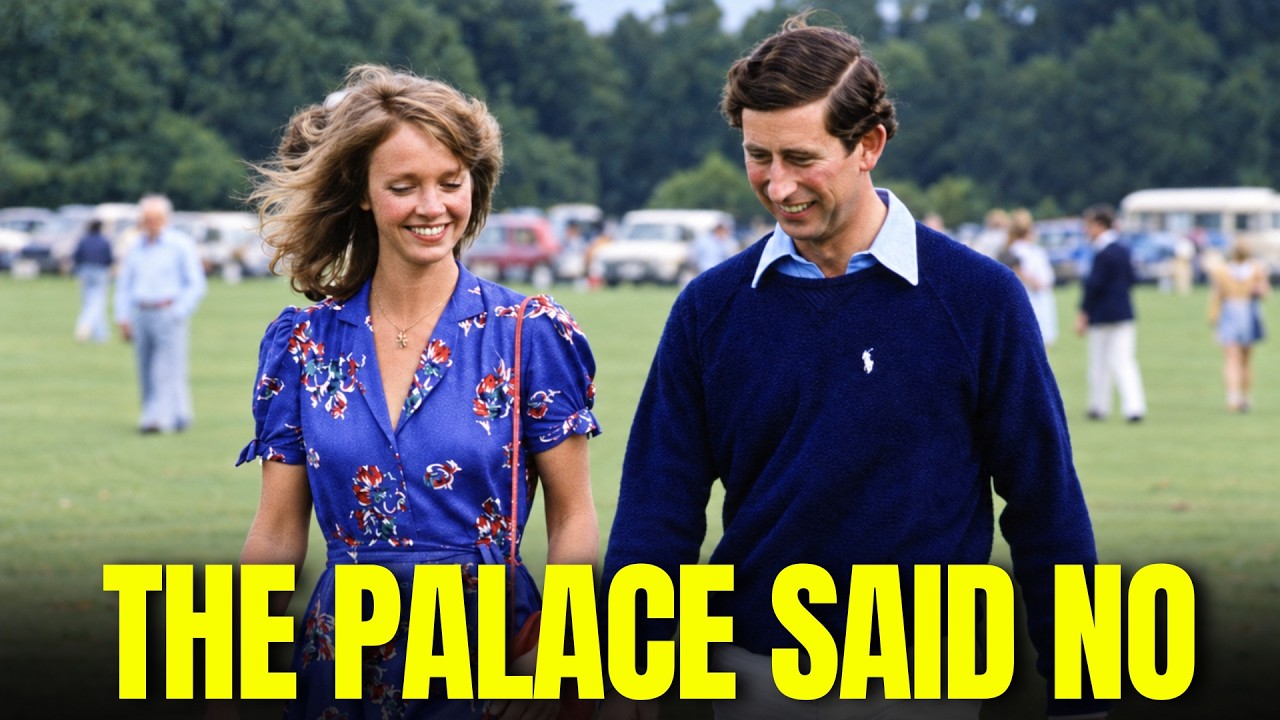
After nine months, one summer, and a handful of photographs, the invitation came. An invitation like that was never a private matter. The moment a young woman was seen going with the Prince in August, every news desk in London knew what it might mean.
Balmoral. Fifty thousand acres of highland purchased by Prince Albert for Queen Victoria in 1852. She loved it so much she spent months there every year after his death.
A piper plays under the monarch’s window in the morning. There are long marches across the moors, whatever the weather. Picnics in the rain, formal dinners in the evening, parlor games afterward, and a schedule no one writes down.
There are no rules. There are only expectations, and everyone already knows them, and no one tells you.
Guests are expected to rise early, dress for the weather, and keep walking regardless of the conditions. In the evening, there are card games, charades, and a kind of continuous politeness that never quite relaxes. The family is entirely themselves there.
That is the point of the place. And that is what makes it so hard for anyone arriving from outside.
Sabrina was used to comfort in Hollywood houses and London nightclubs. But those places rewarded people who were interesting. This place rewarded people who knew the code.
So back to the drinks before dinner. She looks around. She sees an empty chair by the fire.
The woman sitting on the throne of the United Kingdom tells her, in front of everyone, that the chair is not hers.
Royal biographer Andrew Morton tells the story and adds one small, painful sentence. She never recovered her balance.
Think about what that means for the rest of the evening. Every choice suddenly becomes a risk. Where do you put your glass?
Do you speak? Do you sit at all? And around you, a family completely at ease because they grew up knowing the answers.
There is no worse feeling than being the only person in the room who does not know the rules and being watched while you learn them.
Was the Queen cruel? Probably not. She had said that sentence for years, perhaps assuming everyone knew it.
Others received the same treatment. It may have been habit. It may have been a small warning shot from a mother who had read the same gossip columns as everyone else.
No one will ever prove which.
Notice how small the weapon was. No argument, no fight, no ultimatum. Just a sentence about a piece of furniture, delivered by the only person in Britain whose opinion could decide a marriage.
In the late 1970s, the woman who married the heir to the throne was expected to meet four conditions. She must be from a suitable family. She must not be Catholic.
She must have no romantic past anyone could point to. And she needed the Queen’s approval.
Sabrina passed the first two conditions easily and failed the third in every newspaper in Britain. Notice who was not judged. The Prince himself had been linked to a long string of women, and no one suggested that made him unfit for marriage.
Years earlier, Mountbatten had written to him with exactly this advice. “Sow your wild oats now, then choose a girl who hasn’t.”
The rules for men and the rules for brides were never the same.
The love story ended shortly after the Balmoral visit. It ended suddenly. The Prince is said to have ended it himself.
The reason repeated ever since is that the Queen was not satisfied with Sabrina’s past.
And then, silence. No interview, no statement. No book, no friend leaking to the papers.
Nothing. That is unusual. Almost everyone else in this story eventually spoke, through memoirs, documentaries, or anonymous quotes.
She did not.
There are two ways to read that. The first is loyalty, good manners, or simple indifference to the whole affair. The second is more interesting.
Perhaps there was not as much to say as the headlines suggested, and she spent fifty years refusing to inflate a nine-month relationship into a life story.
Here is what that silence hides. We do not know whether Sabrina was heartbroken or relieved. We do not know if she looked at that room, at the chairs you cannot sit in, at the walks in the rain, and decided this was not the life she wanted.
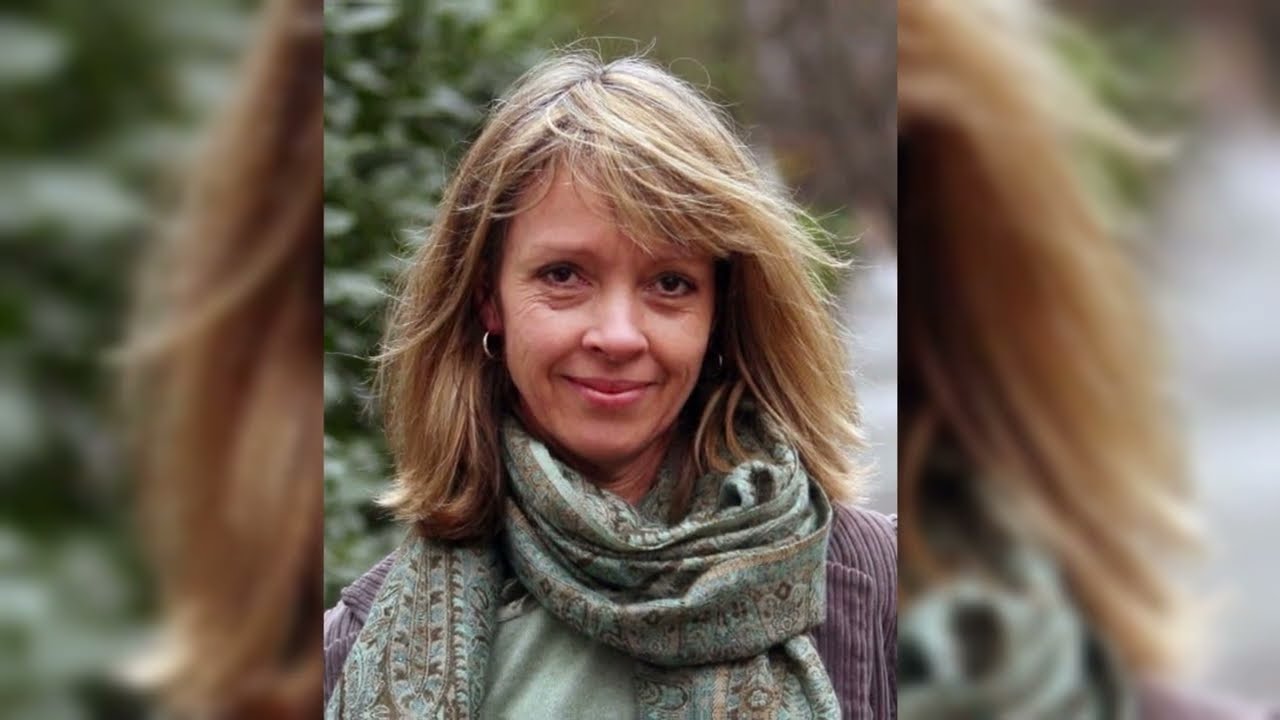
What we know is that the rest of that year was cruel to the Prince. In August, Mountbatten was killed by an IRA bomb in Ireland. Charles heard the news while on a fishing holiday in Iceland.
Within months, Amanda Knatchbull had refused his proposal of marriage. The two strongest threads of his future were cut.
Then came September 1980, and another young woman arrived at Balmoral. Lady Diana Spencer did not stay in the castle. She stayed with her sister in a cottage on the estate and did everything right.
She walked. She joined in. She never complained.
On one long trek across the hills, she fell into a bog and got up laughing.
The family was delighted. The Queen made it known she was pleased with her son’s choice of guest.
Put the two visits side by side, one year apart, and the contrast is almost too perfect. The one who was more worldly stumbled over a chair. The nineteen-year-old fell in the mud and passed with flying colors.
The test rewarded the girl who grew up beside the family and had not yet lived her own life.
We all know how that ended. Diana passed the test, but the marriage destroyed her. Whatever that test measured, it was not happiness.
In February 1981, Charles proposed to Diana. In July, they married at St Paul’s Cathedral before hundreds of millions of viewers. Twenty-four years later, after divorce and widowhood, at the age of fifty-six, he married Camilla Parker Bowles, a woman whose past would have failed every item on that list.
His private life became a long argument against the rules that had been imposed on him.
Sabrina, meanwhile, got on a plane. She spent about a decade in Hollywood working behind the camera. One of the films she worked on was “Mississippi Burning,” Alan Parker’s drama about the murder of three civil rights activists in the American South.
Released in 1988, starring Gene Hackman and Willem Dafoe, it won the Oscar for cinematography.
Consider the size of that distance. Ten years earlier, she had been told where not to sit in a Scottish drawing room. Now she was on a set in the American heat, working on a story about violence and cover-up.
Then she came home and did something no one in the gossip columns expected. In 1995, with television executive Greg Dyke, she founded a charity called Youth Television for Cable. The goal was simple.
Take teenagers from the poorest parts of London, those with no connections and no opportunities, and teach them television production. Not a two-week work experience, but real training with real equipment, making actual programs that went on air.
Some of the young people had never held a camera before. They left with a portfolio and a reference. Some got jobs in an industry that had never looked at them twice.
For most of them, it was the first time anyone in that world had taken them seriously.
In 2000, she was nominated for an award for that work. The Telegraph still described her in headlines as a “spoilt Guinness girl.” Twenty years after Balmoral, the press still defined a charity founder by her former boyfriends.
Which brings us back to Julia, the fourth daughter, the sister.
In 1987, at a dinner party in London, Julia Guinness, by then Julia Samuel, sat near the Princess of Wales. They started laughing at something, and that was it. As Julia later put it, there was something about Diana and something about her, and it simply worked.
Consider the situation. Eight years earlier, Diana’s husband had taken Julia’s older sister to Balmoral, and the palace had decided she was not suitable. Now the sister herself was becoming close to the Princess, a trusted confidante.
They lived near each other in Kensington. Diana was sometimes seen picking up Julia’s children from school.
Those were the years of separation, the Panorama interview, the divorce. The Princess was at her most isolated. Almost anyone who got close to her could have sold a story.
Julia did not.
Julia was not a socialite seeking the spotlight. She was a psychotherapist specializing in grief, working with families whose children were dying. In 1994, she helped found the charity Child Bereavement UK.
Then, in the early hours of August 31, 1997, in a tunnel in Paris, everything changed for that family. Julia remained close to Diana’s sons afterward. In 2009, Prince William became royal patron of her charity.
He had lost his mother at fifteen. The cause was as personal as a cause could be. And his mother’s friend was at the heart of it.
Julia went on to write best-selling books about grief and became one of Britain’s most prominent voices on how families cope with loss.
Then, in October 2013, the christening of Prince George. Seven godparents were chosen. Not dozens, not a diplomatic list.
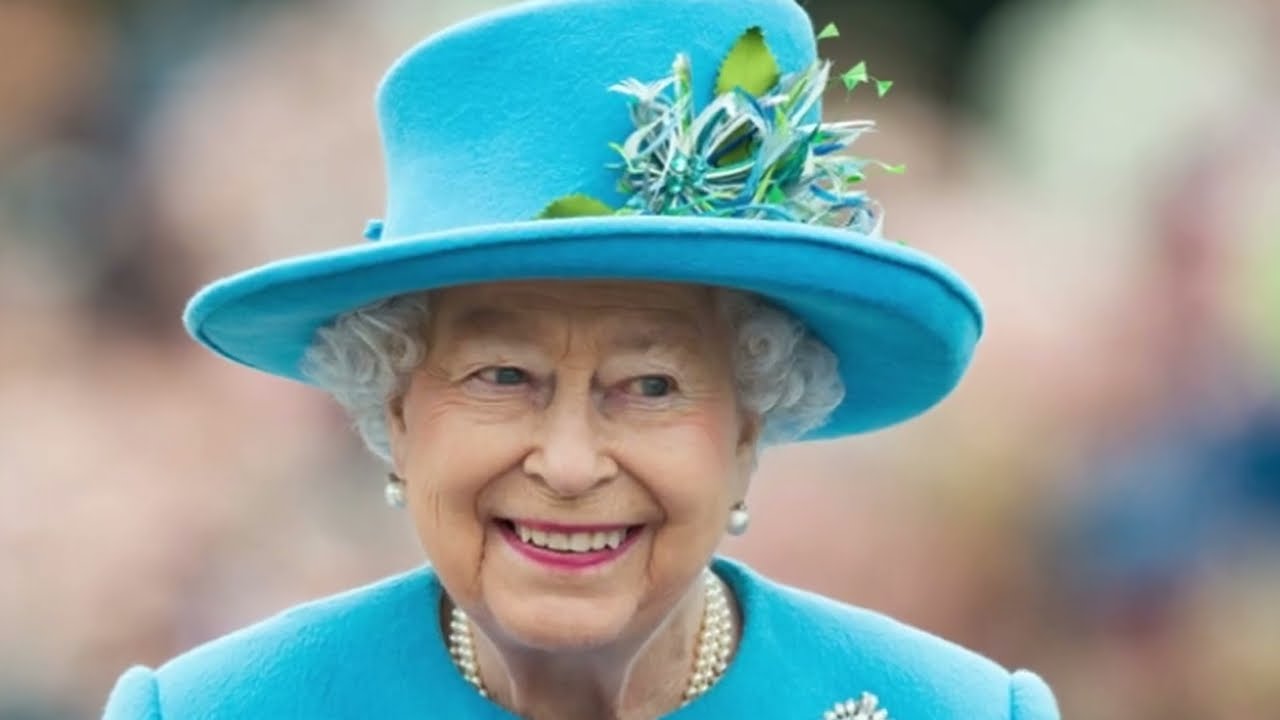
Seven people, close friends and family of a young couple who were very careful about who they let into their lives.
One of the seven was Julia Samuel.
The christening took place in the Chapel Royal at St James’s Palace, with water brought from the River Jordan, conducted by the Archbishop of Canterbury. The guest list was very small, and photographs of that day circled the world. Look closely, and standing among the family is a woman whose sister was once rejected by the same institution.
Read that again slowly. The Queen once told a Guinness girl she could not sit in a certain chair. Thirty-four years later, a Guinness girl stood at the font as godmother to a future king.
No one planned it. Julia met Diana by chance at a dinner party. The friendship grew on its own.
The family judged silently as not quite right for the heir entered the royal story anyway, not through ambition but through grief, kindness, and luck.
Did the sisters ever sit and talk about it? It is almost impossible to imagine they did not. But like everything else in this story, those conversations remained private.
Sabrina did not marry for most of her adult life. The woman once considered as a potential princess spent decades working on both sides of the Atlantic without a title and without memoirs.
Then in 2011, at fifty-six, she met a playwright. Tom Stoppard was born Tomas Straussler in Czechoslovakia in 1937 and escaped the Nazis as a small child. Relatives who stayed behind were killed in the Holocaust.
He had written “Rosencrantz and Guildenstern Are Dead” and “Arcadia,” won an Oscar for “Shakespeare in Love,” and been knighted.
They married in June 2014 at a small ceremony in Dorset. She was fifty-nine. He was seventy-six.
She became Lady Stoppard.
When asked about it two years later, Stoppard gave one of the best short answers about marriage anyone has offered. He said marriage had made him kinder.
Consider that trajectory. At twenty-four, she was assessed against a checklist and found wanting. At fifty-nine, she married a man whose entire career was about chance, time, and the stories people tell about themselves.
If there was a living writer who understood what it meant to have a whole life rewritten by a single sentence in a single room, it was that man.
In November 2025, Sir Tom Stoppard died in Dorset at the age of eighty-eight. Tributes poured in from every theater in the English-speaking world. Sabrina became a widow less than a year ago.
That grief belongs to her alone.
The woman the palace once decided was too liberated for a royal marriage ended up in one of the happiest late marriages in British public life.
So back to the room. What ended it? No one has ever given a full account.
There is a nine-month love story, a visit to a castle, one sentence about a chair, and then the door closed. There is the explanation everyone repeats. The Queen’s concern about her past.
And there is the silence of the only two people who were actually there.
Nearly fifty years have passed. Charles became King. Camilla was crowned.
Diana died almost three decades ago, and every friend, servant, bodyguard, and hairdresser in that world has had their say. Sabrina had every opportunity to tell the story to a newspaper, a biographer, or a documentary crew. Publishers would have paid a fortune.
She never did.
Think about what that book could have contained. The rooms, the names, the weekends, the moment the Queen spoke. All of it recorded by the only person who could describe it from the inside.
In a world where royal friends are quoted, chased, and explained, her silence is an answer in itself.
Here is what keeps coming back. The Balmoral test was designed to spot the right queen. It rewarded the teenager who laughed in the bog.
It rejected the woman who would spend fifteen years opening doors for children who had nothing. The test judged a past and missed the future entirely.
The scorecard was not what the newspapers assumed. Sabrina lost a prince and kept her life. Diana won a prince and lost almost everything else.
Amanda never took the test at all because she saw the price and said no.
The chair, as far as anyone knows, is still there by the fire in the highlands. It is waiting for the next guest who does not know the rules. And there will be a next guest.
And somewhere in Dorset, the woman who was sought for that life owes nothing to the throne at all.