In the summer of 1862, fifteen-year-old William Warden Patterson watched as Union forces under Major General John Pope swept through his home county of Culpeper, Virginia. Pope had been given command of the newly created Army of Virginia after Union efforts on the Peninsula had stalled, and Washington ordered him to advance into Virginia and threaten Richmond from the west. To break Confederate resistance, Pope issued orders endorsed by President Lincoln that allowed his troops to live off the land and treat Southern civilians harshly. The war was no longer aimed only at armies; it was aimed at the people themselves.
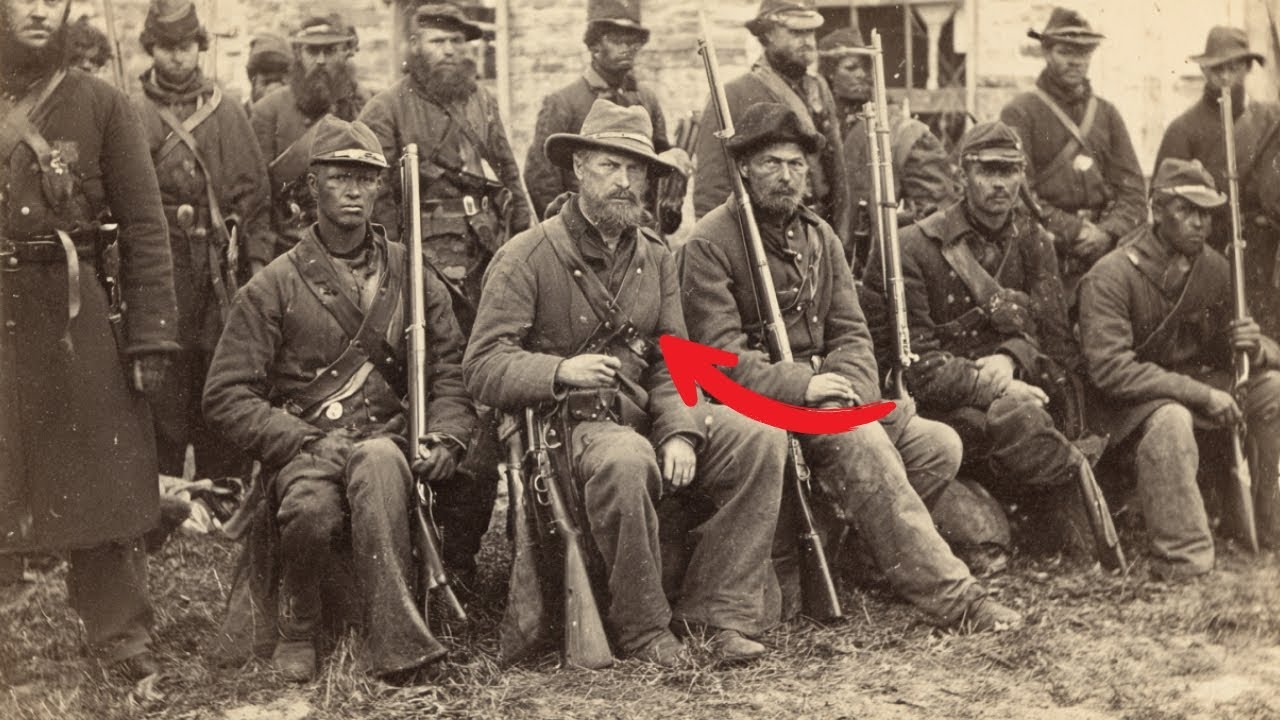
Patterson later wrote that Pope’s soldiers stripped residents of everything valuable and destroyed what they could not carry away. Many respected citizens were imprisoned simply for their Southern loyalties. The orders enraged both civilians and Confederate soldiers, and even the normally composed General Robert E. Lee condemned Pope as a villain who led thieves and killers.
To counter the Union advance into Culpeper County in mid-July, Lee sent Major General Thomas J. “Stonewall” Jackson’s division westward, a movement that would culminate in the Battle of Cedar Mountain on August 9, 1862. Patterson could not bear to sit idle. His family farm had been looted, the barns and fences gone, and everything of value stolen or destroyed.
On August 7, he escaped the farm with his uncle, Reverend William J. Warden, and set out to join Jackson’s army as a volunteer. The pair hurried to Gordonsville and learned that Jackson had made his headquarters at the home of Mrs. Philip Barber, a distinguished Virginia woman who had welcomed the general and his staff.
The reverend, a former schoolmate of Jackson, shared a warm friendship with him, and the youth was introduced to the general with great excitement. When Jackson asked about his home, Patterson explained that his family’s farm, like many others in Culpeper, had been plundered, with all valuables stolen or destroyed. He told the general that he wanted to help defeat the Yankees and asked for a rifle, claiming he was a skilled marksman. Jackson issued an order, and within thirty minutes the boy held a new rifle and fifty rounds of ammunition.
The general clasped his hand and said, “I know you’ll fulfill your duty. ”
Patterson joined Company E of the 21st Virginia Regiment of Infantry, part of the Second Brigade under General Charles S. Winder of Baltimore. He knew nearly every man in the company from their enlistment over a year earlier.
After the battles around Richmond, the company had lost fifty-seven men to illness, wounds, and death, leaving only twenty-eight, five of them prisoners. The men greeted him warmly. His uncle stayed with Jackson and later joined an artillery battery whose officers he knew, serving bravely when the fighting began. That evening, the regiment marched ten miles to Orange, Virginia, and camped the following night in Madison County near Liberty Mills.
The men were exhausted, so Patterson volunteered to forage for food. He visited several houses before finding a welcoming farm, but it was late and he was over a mile from camp. The lady of the house offered to prepare him a fine supper, but he asked instead for apples and peaches to carry back. She told him to take as much as he could hold.
He filled a bag and returned after sundown. Shortly after he left, a regiment of Union cavalry under Brigadier General John P. Hatch arrived and captured nearly everyone at the house. Back at camp, most of the men had eaten and were asleep.
Patterson’s cousin, George R. Patterson, wanted fried apples and took a servant boy with canteens to fetch water from a spring across the road in a cornfield. As they reached the spring, the moon emerged and revealed a line of Union cavalry advancing silently through the cornfield. The boys spotted them just in time and raced back to camp, shouting warnings.
Drums sounded, the men armed themselves, and the cavalry retreated. The camp barely slept that night. Early the next morning, the regiment marched toward Culpeper County. Patterson, an underage volunteer, moved freely among the men, wearing a black jacket and once-white pants with saddlebags that amused the soldiers.
Around one o’clock, orders came to quicken the pace, and they double-marched for over two miles. At two o’clock, Patterson faced his first combat during the artillery barrage that opened the Battle of Cedar Mountain. Every battery in Pope’s army opened fire, and the Confederates responded with half as many guns. For three hours, they endured heavy shell and shrapnel.
A schoolmate asked him why he had joined, saying he would not have come for a thousand dollars. Patterson replied that he was there to help defeat the Yankees who had destroyed his home and would not trade his chance for a thousand dollars. At five o’clock, the artillery ceased, and Union infantry advanced in heavy columns. Patterson was relieved the barrage had stopped, ignoring the bullets whizzing past.
His cousin pulled him down and warned that the real danger was coming. They were on the army’s far left, and Pope’s larger force attacked their front and rear. At that critical moment, General Jackson rode up to their company and ordered the colonel to hold the line at all costs. The men cheered and vowed to hold until the last man fell.
Within minutes, they repelled two infantry columns. But in the rear, the enemy broke through, outnumbering them ten to one. At the pivotal moment, two Confederate regiments, Virginia and Alabama troops, flanked the Union force with a fierce rebel yell. The Yankees dropped their weapons and fled in panic, many killed or captured.
The tide turned, and Pope’s army retreated. The general who had boasted he had only seen rebels’ backs was fleeing himself, having never faced Stonewall before. The Confederate division lost nearly half its men killed and wounded. Patterson’s company lost more than half, including Brigadier General Winder, Colonel Richard H.
Cunningham, and two lieutenants from their county. They pushed the Union forces back a mile and a half. Near sundown, the enemy sent five thousand cavalry to break their lines. The Confederates formed in a field near thick woods where Hatch’s cavalry prepared to charge.
Orders came to load double charges. Patterson’s rifle had fired fifty times, and when it jammed with the ramrod stuck, he used a rock to hammer it down. Kneeling in the front rank, he spotted a Yankee on a fine sorrel horse, aimed, fired, and saw him fall, the ramrod tearing through him. The recoil knocked Patterson over and nearly broke a comrade’s arm.
His captain joked that he had not known he had artillery in his company. Patterson stayed on the battlefield until Monday, then withdrew to Orange. Jackson aimed to intercept Union reinforcements from Fredericksburg that were aiding Pope. Patterson and his uncle, thinking they could reach Culpeper faster, took a road through Madison County.
They arrived as Pope’s rear guard left town. Within an hour they were home, but the farm was transformed. One main building had been burned for firewood, and all but one other structure was gone. No fences, crops, livestock, or timber remained.
The servants had been taken, leaving only barren ground. When Pope’s army arrived, hundreds had looted the home, taking valuables, bed clothes, silverware, dishes, food, and destroying the furniture. Patterson stayed with his family until 1863, when he rejoined the Confederate cause, serving with Colonel John S. Mosby’s 43rd Battalion, Partisan Rangers.
His account, though possibly embellished in places, reflects the intense emotions stirred by Pope’s policies and the determination of a fifteen-year-old boy to fight for what remained of his home.