On June 25, 1876, George Armstrong Custer led more than 260 men of the Seventh Cavalry Regiment into a valley beside the Little Big Horn River in Montana. By the end of that day, nearly all of them were dead. The battle would go down in American history as Custer’s Last Stand, wrapped in myth and celebrated as a doomed but valiant fight. But for the soldiers who survived, the reality was much darker.
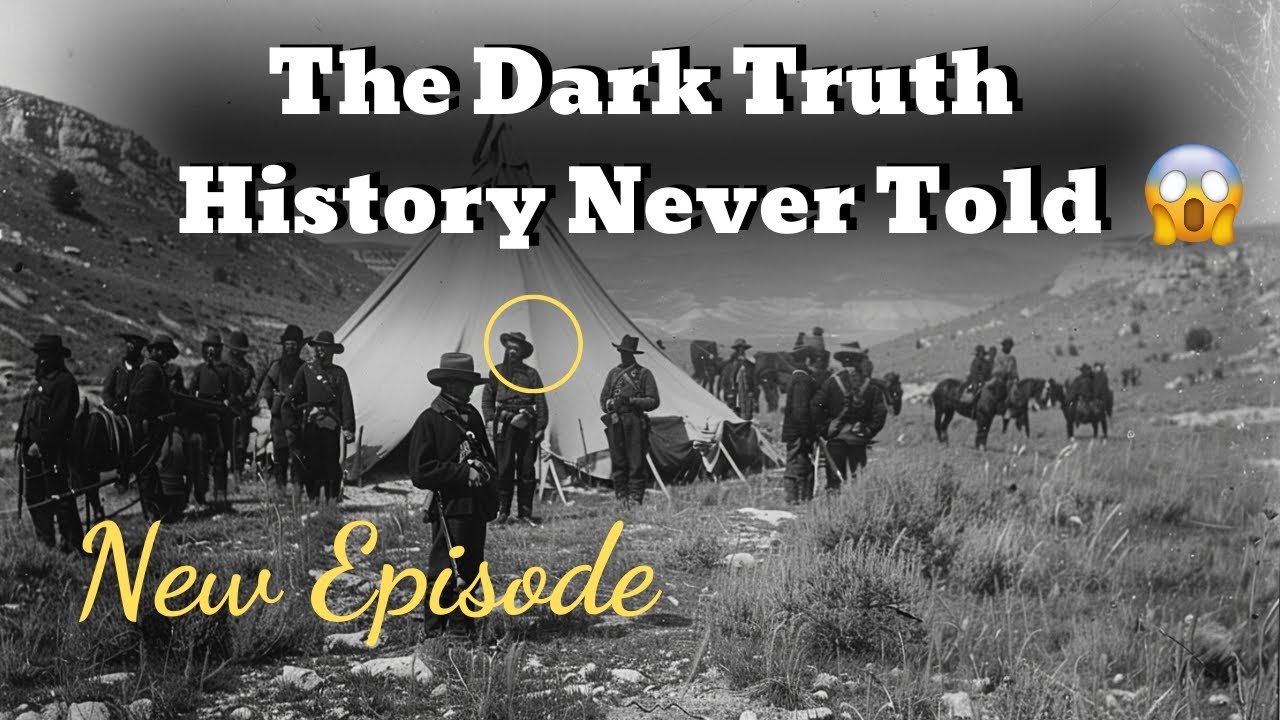
The campaign that ended in disaster began three days earlier. On June 22, Custer led the Seventh Cavalry away from their camp near the Rosebud River, heading into southeastern Montana toward what he believed would be a decisive engagement. The army was hunting the Lakota, Cheyenne, and Arapaho tribes, who were resisting the government’s efforts to force them onto reservations. The march was long and punishing.
The sun beat down relentlessly, the horses grew weary, and there was little time to rest. Each night the men set up camp only to rise before dawn and push on. On June 23, the column marched another twelve miles. By the morning of June 24, they were deep in hostile territory.
Custer had sent six Crow scouts ahead to gather intelligence. When they returned, they brought troubling news: fresh pony tracks, evidence that a large Native American village was nearby. The discovery should have made Custer pause. Instead, it seemed to strengthen his resolve.
He gathered his officers for a council that evening, but the enlisted men were not told what was discussed. All they knew was that the decision had been made. They were moving forward. Around 11 p.
m. , the regiment packed up and marched under cover of darkness, following the right fork of Rosebud Creek. By dawn on June 25, the scouts returned with even more alarming news. They had spotted the village.
It lay in the valley nearly three miles away, and it was far larger than anyone had expected. Thousands of warriors were preparing for battle. The scouts warned Custer that the element of surprise was already lost. The Crow scouts urged him to reconsider.
A mixed-race scout named Mitch Bouyer was especially vocal, warning that the regiment was walking into a trap. Custer refused to back down. As the column advanced, the soldiers noticed dust clouds in the distance. At first, they seemed to suggest the village was retreating.
Custer took them as a sign that the enemy was on the move, possibly fleeing, and he did not want to miss the chance for a swift and decisive victory. He ordered Major Marcus Reno to lead an attack. Reno’s detachment crossed the river at a natural ford and advanced onto the open prairie. His goal was to engage the enemy head-on while Custer attempted to flank them from another direction.
At first, Reno’s assault appeared to go according to plan. His men dismounted and formed skirmish lines, sheltering their horses in the trees along the riverbank. The first shots rang out, and for a brief moment, it seemed the Native American forces might buckle. Then the situation shifted dramatically.
A massive force of Lakota, Cheyenne, and Arapaho warriors, mounted on horseback and armed with bows, arrows, and rifles, surged toward Reno’s troops. The speed and precision of their attack stunned the soldiers. Private John Burkman, who was with Reno’s detachment, later described the terror of the moment. The soldiers thought they were advancing into battle, but suddenly they were surrounded on all sides.
The warriors were everywhere, shooting from horseback. Men were falling all around him, and it was impossible to tell where the fire was coming from. Reno’s men were quickly overwhelmed. The warriors flanked their position and began cutting off the soldiers’ retreat back to the river.
Realizing his men were in danger of being surrounded, Reno made the fateful decision to retreat into the timber. The trees offered some cover, but the warriors continued their relentless pursuit. As the soldiers fled, many were struck down by arrows or rifle fire. Some were trampled by charging warriors.
The retreat became a rout. Burkman and about thirteen other soldiers huddled together in the trees, trying to avoid the bullets and arrows. He later called it one of the most terrifying moments of his life. While Reno’s men were being driven into the timber, Custer and the rest of the regiment were advancing further into the valley, unaware of the disaster unfolding behind them.
Custer still believed the dust clouds signaled a retreat. Determined to press the attack, he led his men forward, hoping to strike the village directly and force the warriors to flee. But the warriors were not retreating. They were waiting.
Before the soldiers knew it, they were surrounded. Custer’s detachment, numbering only about 210 men, faced an estimated 2,500 warriors. Private George Herendeen, who was with Custer’s command that day, remembered the moment they realized how much trouble they were in. One minute they were advancing, and the next the warriors were everywhere, coming at them from all directions like a wave crashing over the shore.
The attack was brutal and swift. The warriors, led by chiefs like Sitting Bull and Crazy Horse, struck with incredible speed. The soldiers scrambled to form defensive lines, but it was too late. Herendeen later described the chaos: the men could not even see the enemy half the time.
The dust from the horses and the noise of the gunfire made it feel like trying to fight a storm. They fought as best they could, but they were no match for the numbers and determination of the warriors. One by one, the men around him fell. The battle had turned into a massacre.
Custer was killed along with most of his command. Meanwhile, Reno’s men had managed to regroup on the bluffs above the river. They established a defensive position, but they were cut off from the water and desperately needed it. The heat was unbearable.
Many soldiers were suffering from dehydration. One survivor recalled that they had not had a drop of water in over thirty-six hours. Men were collapsing from thirst, their tongues so swollen they could not speak. They tried to eat the hardtack in their rations, but without water, it was impossible to swallow.
Some men chewed on grass in a desperate attempt to moisten their mouths. It did little to help. As the hours passed, the situation grew more dire. The wounded were suffering, and the survivors feared another attack could come at any moment.
Desperate for water, a group of about fifty men volunteered to make a dash for the river. They sprinted across exposed ground under heavy enemy fire. Several were wounded, and one was killed, but they managed to fill their camp kettles and canteens and bring back just enough water to ease the suffering of the wounded. For many of the wounded, it was already too late.
As night fell, the survivors braced for another attack. They used saddles, packs, and even the bodies of dead horses to build makeshift barricades. The battlefield was eerily quiet, broken only by the distant sounds of mourning from the Native American camp. Herendeen described the atmosphere as unsettling, like the calm before a storm.
The men knew the warriors were out there, watching and waiting. They stayed on high alert all night, expecting a final assault. But it never came. The warriors had returned to their village to mourn their dead, leaving only a small force behind to keep the soldiers pinned down.
When dawn broke on June 26, many of the men were on the brink of collapse. They had not slept in nearly two days, and the lack of food and water was taking its toll. Some were delirious from dehydration. Others sat in silence, staring into the distance.
On June 27, General Alfred Terry and his reinforcements finally arrived. The survivors cheered as Terry’s column approached, knowing their ordeal was over. They had spent two days trapped on the bluffs, waiting for death. But the relief was short-lived.
As Terry’s forces moved through the battlefield, the full extent of the carnage became clear. The bodies of Custer and his men lay scattered across the valley, many mutilated beyond recognition. In the days following the battle, the soldiers recovered the bodies of the fallen. The horror of what had happened became increasingly clear.
Many of Custer’s men had been mutilated by the warriors and their families. It was a final act of vengeance for years of broken promises and conflict. The bodies had been scalped, decapitated, and dismembered. In some cases, strips of skin had been removed.
Small bullet wounds in the legs suggested that some soldiers had been tortured before they died. Among the dead was Isaiah Dorman, a Black scout who had ridden with the regiment. His body was found riddled with small bullet wounds, suggesting he had been captured alive, tortured, and killed. For the Native American warriors, the mutilation of the bodies was not simply an act of revenge.
It was a cultural ritual, a way of reclaiming their honor and exacting vengeance for the many lives they had lost to the U. S. Army over the years. In the decades that followed, Custer’s Last Stand was romanticized and turned into legend.
Custer was often portrayed as a tragic hero who fought valiantly against impossible odds. But for the men who were there, the reality was more complex. Custer’s refusal to listen to the warnings of his scouts had led directly to the massacre of his men. The battle and its brutal aftermath left scars that lasted for generations.
For the Native American tribes, the victory at the Little Big Horn was a moment of triumph, but it was short-lived. Within a few years, the U. S. Army returned with greater force, and the power of the Plains tribes was broken forever.
The survivors of the Seventh Cavalry carried the memories of that day with them for the rest of their lives. The events of June 25, 1876, stand as a stark reminder of the dangers of arrogance and the high cost of war.