In 2013, a three-hour audio recording leaked online featured a former poker world champion admitting he stole over $20 million from players on the online poker site Ultimate Bet. On the tape, Russ Hamilton, who won the World Series of Poker main event in 1994, said plainly: “I did take this money, and I’m not trying to make it right. ”
The recording revealed that Hamilton had no intention of returning the funds, and the people around him, including lawyers and company insiders, did not argue. Instead, they helped him figure out how to hide the money and minimize the damage to themselves.
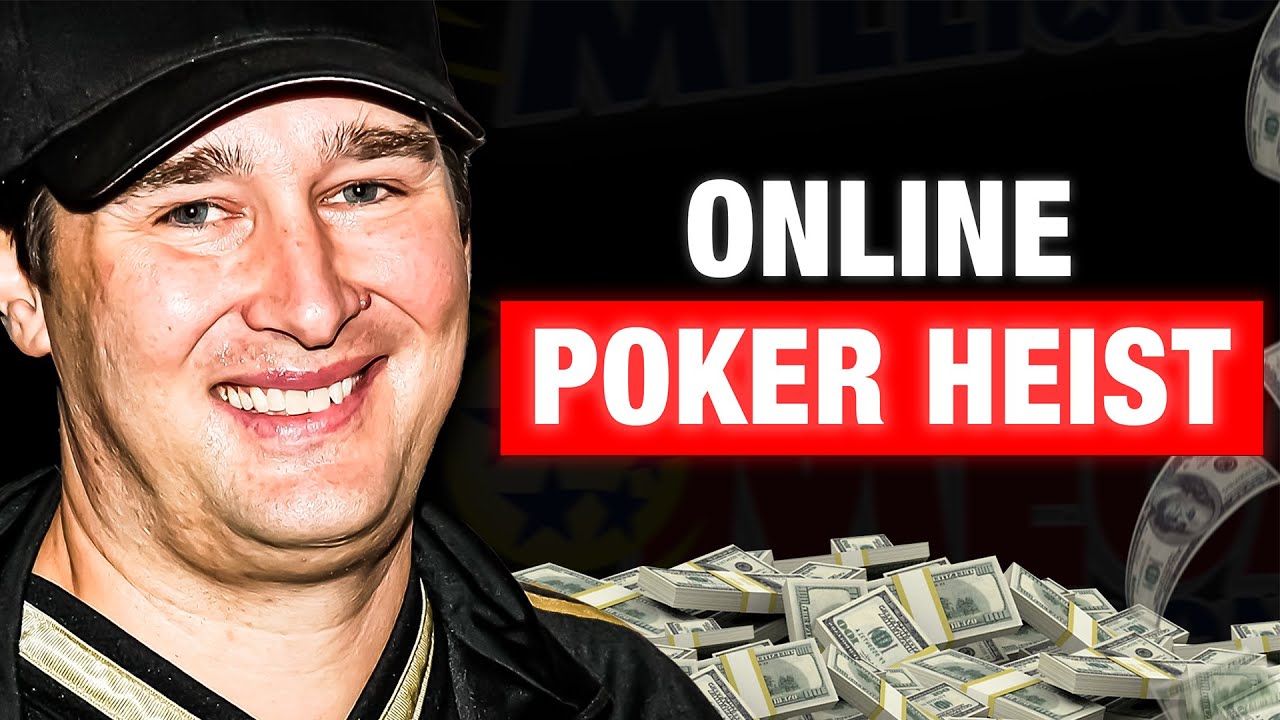
Ultimate Bet launched in 2001 through a company called IE Logic, which later rebranded to Excapsa. The site targeted casual players during the early online poker boom and signed two high-profile ambassadors to build credibility: Phil Hellmuth, a former world champion, and Annie Duke, a popular tournament pro. Their involvement helped the site grow quickly, and by 2003, Ultimate Bet was one of the most recognizable names in online poker, hosting daily tournaments, attracting high-stakes players, and processing millions of dollars in deposits and withdrawals. Around that time, Russ Hamilton joined the company as a consultant.
He was given internal access to help improve operations. From the outside, the platform appeared legitimate, but by 2003, the cheating had already started. That year, a hidden feature was added to the Ultimate Bet software. It allowed someone with internal access to view the hole cards of every player at a table.
The feature was invisible to users and didn’t require server permission. It was originally developed for internal auditing, supposedly to help staff investigate complaints or detect bots, but it was never disabled during live games and never monitored. Hamilton had access to this tool through his consulting role and his direct relationship with the software team. He created multiple fake player accounts and used them to enter high-stakes games.
None of the accounts were linked to his name. During these games, he could see exactly what each opponent was holding, letting him know when to call, fold, or raise. The accounts didn’t win every hand or play perfectly, which made them less suspicious, but over thousands of hands, the win rate became impossible to explain. Between 2003 and 2007, Hamilton used this method repeatedly, moving winnings between accounts and cashing out through the site’s regular withdrawal process.
Over time, the total exceeded $20 million. Ultimate Bet never flagged the activity. At the time, there were no internal systems to detect this kind of access, and staff assumed the accounts were just highly skilled players. The fraud continued for more than four years.
Most of the money came from high-stakes games where even good players lose regularly, which made detection harder. From the outside, everything appeared normal, but inside the system, the largest known cheating operation in online poker history was already underway. In late 2007, a player on Absolute Poker, a linked site sharing infrastructure, ownership, and staff with Ultimate Bet, lost a hand that didn’t make sense. He requested a hand history, and when it arrived, it included information that shouldn’t have been there: every player’s hole cards.
The file was leaked online, confirming the first superuser scandal in online poker. Attention soon turned to a screen name on Ultimate Bet called Neo Neob. It had appeared in high-stakes games throughout 2006 and 2007. The account didn’t trash talk or win every hand, but over time, the profit numbers didn’t add up.
Players collected hand histories and analyzed patterns, finding that Neo Neob was only making the right decisions when the outcome couldn’t be guessed. It wasn’t playing well; it was playing with information no one else had. The data was posted online, along with graphs, breakdowns, and win rates. The conclusions were clear: whoever was behind Neo Neob had been cheating for years.
Ultimate Bet responded with silence, then denial. Players kept posting more hands and linking more accounts. Finally, in May 2008, Ultimate Bet released a statement admitting that cheating had taken place between March 2006 and December 2007, carried out by people connected to the previous owners. No names were given, no numbers, no details.
The players had already done most of the work uncovering the truth. Ultimate Bet said they were conducting an internal investigation, claiming the issue was limited, the people responsible were gone, and all affected players would be refunded. But their explanation didn’t match the data players had already collected. Over the next few months, the company revised its timeline multiple times, with each update conflicting with previous statements.
In September 2008, the Kahnawake Gaming Commission, which licensed Ultimate Bet, released its own report. For the first time, a name was attached to the scandal: Russ Hamilton. According to the investigation, Hamilton used 23 accounts to exploit the software tool that allowed him to view opponents’ hole cards. The total amount stolen was over $22 million, most of it from high-stakes cash games.
The report confirmed the cheating had been happening since at least 2003. No other individuals were named. No legal action was taken. The company was fined, and players were promised full refunds.
Ultimate Bet remained online, and by the end of the year, public interest had faded. Some players returned to the site; others didn’t. The scandal appeared to be over. But in May 2013, five years after the investigation ended, a three-hour audio recording was leaked online.
It hadn’t come from a journalist or regulator but from someone who had been there. Travis Makar had worked closely with Russ Hamilton and was present at internal meetings during the early days of the investigation. He had kept a copy of one recorded meeting for years. The recording revealed a side of the story Ultimate Bet had never acknowledged.
In it, Hamilton admits to stealing the money without downplaying it or expressing regret. The others in the room, including Ultimate Bet’s former lawyer Daniel Friedberg and others connected to the site’s management, don’t push back. Instead, they go through names, discussing which players were asking questions, which ones could be silenced, and which were likely to go to the media. The strategy they landed on was selective: refund the loudest victims, delay the rest, keep the total amount hidden, and avoid giving regulators anything that could be used as evidence.
During the recording, Hamilton mentions Phil Hellmuth by name. According to him, the plan from the beginning was to keep Hellmuth in the dark. Not because he was involved, but because his name was still valuable to the company. If Hellmuth believed the company was clean, he would keep defending it, and that’s exactly what happened.
Friedberg is also heard on the recording giving input on how to reduce liability, what language to avoid, and how to make the refunds look complete without disclosing everything. By the end of the meeting, there was no discussion about justice or paying back the full amount. The conversation was focused entirely on minimizing damage to themselves. When the tapes leaked, the reaction online was immediate.
The audio confirmed what players had suspected for years: the cheating wasn’t just about what happened during the games but also about how the company chose to respond. Even with this new evidence, no legal action followed. Hamilton remained silent, Friedberg disappeared from the poker world, and most of the people named in the tapes were never held accountable. Phil Hellmuth, the most recognizable face associated with Ultimate Bet, had been with the site since its early days, promoting it at live events and appearing in advertising campaigns.
When the cheating was exposed in 2008, he didn’t walk away. He released a statement saying he was deeply upset but added that he believed the new management was committed to doing the right thing. He stayed, saying that leaving too early might hurt the chances of players getting refunded. That decision drew criticism.
Some players believed he was protecting the brand instead of the victims. Others defended him, noting he wasn’t named in the investigation and had no technical role at the company. For the next two years, Hellmuth continued to represent Ultimate Bet while the company issued refunds and handled the fallout. In 2010, he officially cut ties with the site.
When the tapes were released in 2013, his name came up again. Hamilton said the plan was to keep Hellmuth uninformed because if he believed the company was clean, he would continue to defend it. And that’s what happened: Hellmuth had defended the site in good faith while others inside the company were actively hiding information from him. After the audio leaked, Hellmuth released a new statement.
He said he had been lied to, that he had never known the full story, and that the tapes confirmed what he had suspected but couldn’t prove. He said, “I’ve never been more wrong about anything in my life. ”
His reputation took a hit, not because he had cheated but because he had been the public face of a company that did. For years, his credibility had been used to shield something he didn’t understand was happening.
Even after the tapes leaked, there was no new investigation. No arrests were made, no charges were filed. Hamilton never spoke publicly, was never prosecuted, and never returned the money. Friedberg left the poker industry, though he later resurfaced as a legal adviser at FTX.
Greg Pearson, who founded the company behind Ultimate Bet, wasn’t named in the final regulatory report and later launched a fraud-prevention business. Ultimate Bet shut down in 2011 after the U. S. Department of Justice cracked down on offshore poker sites.
The remaining player balances were never fully paid. For many in the poker world, the scandal changed how they viewed online games. It exposed how little oversight existed, how easily software could be abused, and how long it could go unnoticed. Players had uncovered the truth, but those responsible walked away.
Today, most players don’t talk about Ultimate Bet. The site is gone, and the game has moved on. But the story hasn’t been forgotten because it raises questions that still don’t have clear answers. If players hadn’t exposed the truth themselves, would anyone else have bothered?
Was this just one person abusing a tool, or was it something deeper?