
Millions of Americans romanticize the Wild West as an era of rugged cowboys, untamed spirits, and trailblazing pioneers, but historians and health experts are now warning that the frontier’s legendary hygiene habits were far deadlier than any gunfight ever staged on a dusty main street.
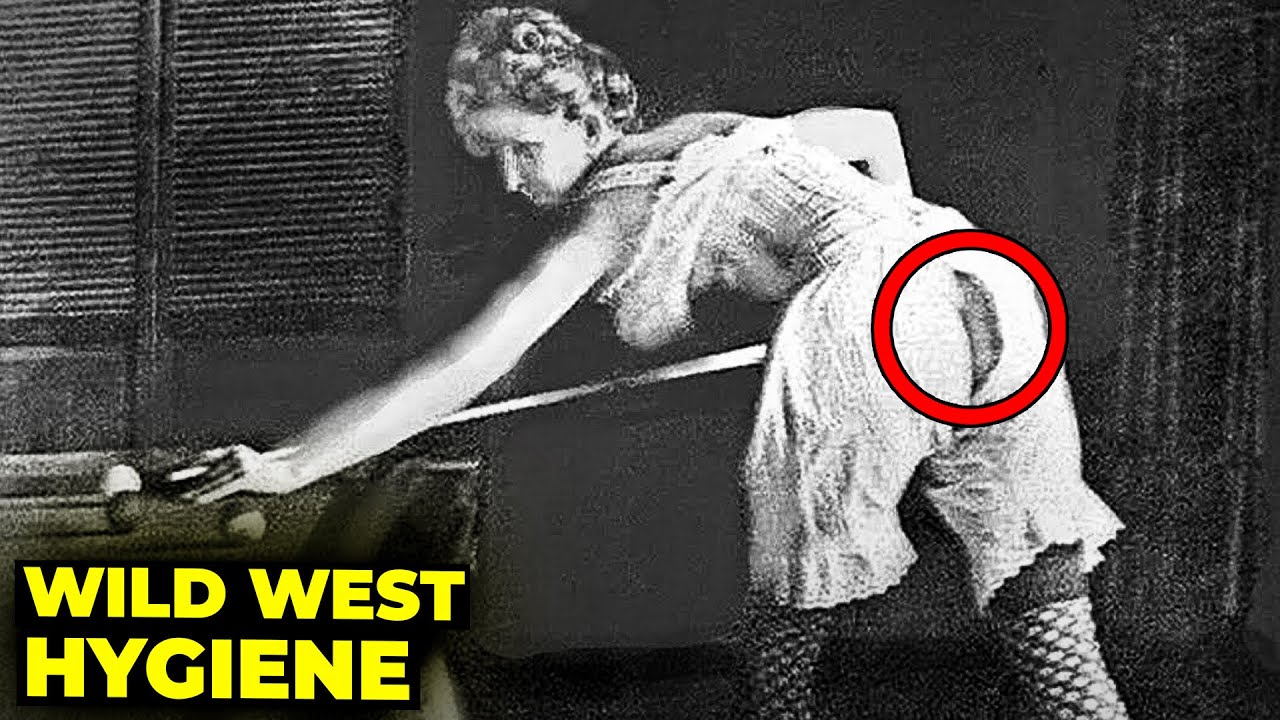
From whiskey consumed as a full meal to cocaine-based toothache drops and Lysol marketed as a feminine cure-all, the daily routines of nineteenth-century settlers reveal a world where cleanliness was a luxury few could afford and disease was the leading cause of death.
Medical historians say roughly nine out of every ten pioneers ultimately succumbed to illnesses such as dysentery, smallpox, measles, mumps, influenza, cholera, mountain fever, and scurvy, a staggering mortality rate that underscores just how brutal life on the frontier truly was.
Cholera stands out as the most common and lethal of these afflictions, spreading rapidly through contaminated water sources that were abundant in the unsanitary conditions of the time. Pioneers faced constant risk of infection because clean water was scarce and poor hygiene practices were the norm.
Perhaps no single institution embodied the frontier’s questionable relationship with cleanliness more than the saloon. These establishments served whiskey made from scorched sugar, potent alcohol, and even bits of chewing tobacco, a concoction that packed a punch like no other and left many cowboys rowdy and prone to violence.
Liquor-fueled bar fights erupted daily in these havens of vice, where whiskey, gambling, and brothels formed the three main outlets for settlers seeking solace from their harsh lives. Fortunes were made and lost in the blink of an eye, while companionship came at a steep and often dangerous price.
 Chewing tobacco was more than just a gross habit in the untamed era. Many individuals turned to it as a means to combat dryness while working outside in dusty fields all day, using the moisture to keep their mouths salivated during long hours outdoors. The practice came with a disgusting side effect: copious spitting.
Dietary habits were equally alarming. While popular imagination conjures images of cowboys feasting on hearty meals around campfires, the reality of pioneer diets was far from extravagant. Beans often constituted an entire meal, and whiskey sometimes replaced food altogether as a liquid dinner.
Medical care was where the frontier’s hygiene crisis turned truly bizarre. In the 1880s, toothache drops containing cocaine were all the rage, with the powerful substance acting as a local anesthetic that numbed dental agony and gave cowboys temporary respite from pain.
With doctors few and far between, pioneers turned to unconventional remedies and elixirs in their quest for health. Alcohol was routinely used as a sedative and considered a legitimate treatment for various illnesses, a practice that reflected a time when the pursuit of health clashed with the realities of an unsanitary existence.
Miners faced their own unique occupational hazards. Beyond treacherous tunnels and back-breaking labor, they endured constant exposure to airborne respirable dust, inhaling extra-fine particles that led to a debilitating lung disease known as pneumoconiosis. Their elevated likelihood of succumbing to lung cancer further highlighted the dire consequences of unsanitary working conditions.

Even places of worship were not spared. The Old Mission Church in New Mexico, today a symbol of rich history and cultural heritage, once harbored secrets of unsanitary practices. Transitions in ownership and occupations by various groups left the church without proper maintenance, allowing dust and dirt to settle on its ancient walls and creating a breeding ground for bacteria and allergens.
Mental and emotional health was addressed through superstitions and mystical practices. With water scarcity and challenging living conditions making people sick, many turned to fortune tellers for glimpses into their fate, embracing crystal ball gazing and tarot card readings brought by Romani people from Europe. These traditions offered solace amid frontier challenges.
Personal grooming eventually began to shift. Long, unkempt hair was a common sight among pioneers and cowboys, serving as a testament to their journeys. But as awareness grew, men recognized the importance of proper hair hygiene, and with improved technology and grooming tools, a new trend emerged: the clean-cut look, as men wielded shears and razors to bid farewell to wild, tangled manes.
Healing waters became a frontier obsession. In an era when illnesses and unhygienic environments were rampant and medical treatments scarce, thermal springs held mystical power. American and European medical professionals recommended journeys to hot springs for back pains and inflammations, with pioneers traversing thousands of miles to immerse themselves in therapeutic waters.

Arkansas hot springs and Colorado’s thermal springs, including the famed Pagosa Springs, became revered not just for therapeutic benefits but as escapes from frontier life. Today these historic sites have transformed into luxurious spas, preserving the legacy of pioneers’ quest for cleanliness and well-being.
Perhaps the most 𝓈𝒽𝓸𝒸𝓀𝒾𝓃𝑔 revelation involves Lysol. Originally marketed as a household disinfectant, it found an unexpected role in personal hygiene, with women turning to the potent concoction to address feminine concerns. Astonishingly, Lysol was marketed as a cure-all for everything from yeast infections to contraception, though the harsh chemicals and toxins lurking within could do more harm than good.
Sexually transmitted infections ran rampant through saloons and brothels, where desire and danger were intertwined. An estimated half of the region’s adult entertainers were afflicted with contagious infections, and hazardous remedies like mercury and boric acid only exacerbated the danger. The true extent of the havoc remains unclear, as death certificates often concealed the cause.
Public health experts say the Wild West may have been a frontier of adventure, but it was far from pleasant for those dealing with health issues. The era’s hygiene practices, from tobacco-stained saloons to cocaine-laced medicine cabinets, serve as a stark reminder of how far modern sanitation and medical science have progressed.
Historians note that the romanticized image of the rugged cowboy persists in American culture, but the grim reality of frontier life, marked by contaminated water, rampant disease, and dangerous quack remedies, is a chapter best left firmly in the past.