Terrence Watanabe, a multimillionaire businessman and heir to a toy empire, lost $124 million gambling in Las Vegas over three years. His losses at Caesar’s Palace alone in 2007 accounted for nearly 20 percent of the casino’s total revenue, making him one of the most profitable—and tragic—high rollers in the city’s history. Born in Omaha, Nebraska, in 1957, Watanabe was expected to follow in his father’s footsteps at the Oriental Trading Company, a supplier of carnival toys and party products. He joined the family business at 15, became CEO by 20, and grew it into a company generating $25 million a month before selling his share in 2000 at age 43.
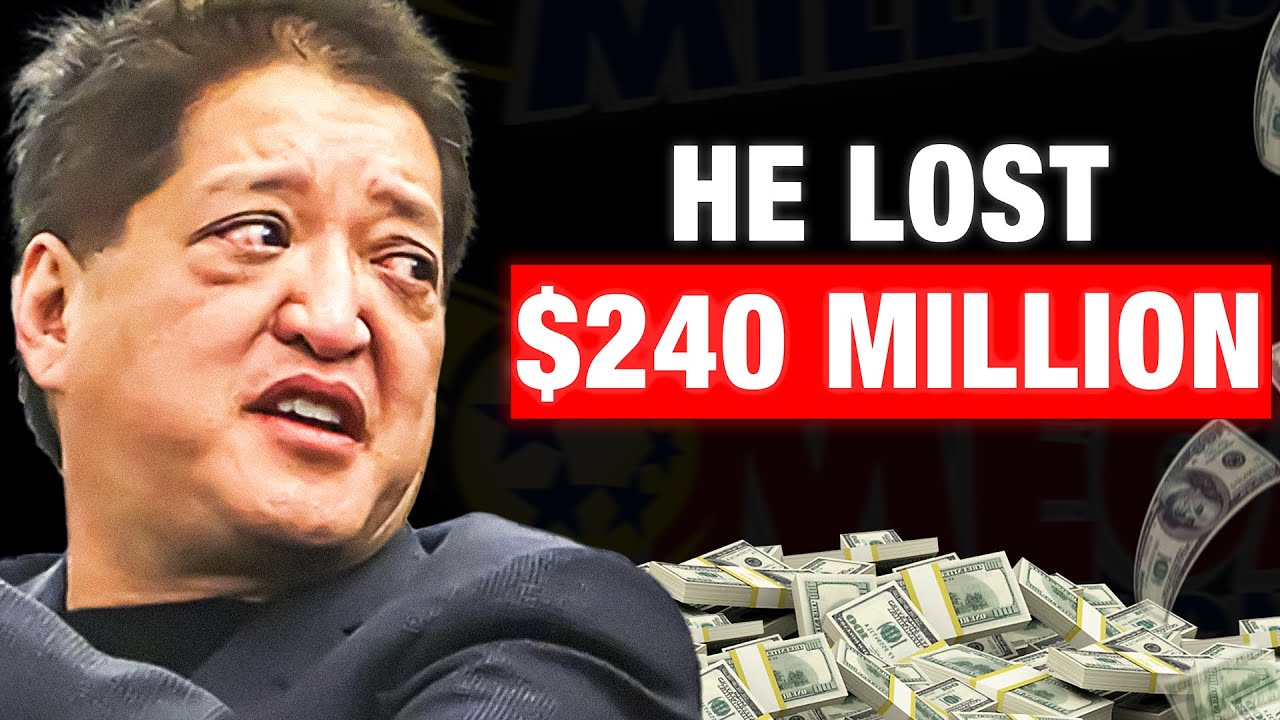
Watanabe said he wanted to focus on philanthropy and “have more fun. ” He donated millions to charity, but without the structure of the business, he grew restless. What began as small trips to a casino across the border in Iowa soon escalated into regular journeys to Las Vegas. By 2005, Watanabe was a fixture at the Rio casino, where staff treated him like royalty.
He was rarely seen without a glass of Jewel of Russia vodka, and the casinos encouraged his drinking—the more he consumed, the more he bet. In 2006, billionaire Steve Wynn personally banned Watanabe from Wynn Las Vegas, concluding he was a compulsive gambler and alcoholic. The ban didn’t stop him; it simply pushed him to Caesar’s Palace, which built its operations around him. He received a three-bedroom suite, unlimited perks, $500,000 in gift shop credit, and a new status tier—”Chairman”—created exclusively for him.
Casino employees recalled Watanabe playing blackjack for up to 24 hours straight, betting $50,000 per hand, often three hands at once. He avoided skill-based games like poker, preferring roulette, slots, and blackjack—games where the house always wins. On good nights, he handed out thousands of dollars in tips. On bad nights, he stumbled through the casino, visibly intoxicated.
According to court records, Caesar’s employees served Watanabe two to three bottles of vodka per day. When a companion once begged a waitress to water down his drink, she refused, allegedly saying, “Terry gets whatever he wants. ”
By late 2007, Watanabe’s appearance had deteriorated. Employees described his slouched posture, unshaven face, and glassy stare.
He sometimes lost track of where he was, staring blankly at a roulette wheel after the game had ended. When his brother and sister visited for Thanksgiving, they confronted him after an alarming dinner. Watanabe admitted, “I’ve lost over $100 million this year. ”
In January 2008, weeks after selling his Omaha mansion for $2.
66 million, Watanabe returned to Vegas desperate to win it all back. By then he was out of money, and Caesar’s Palace claimed he still owed $14. 7 million in unpaid loans. Watanabe launched a lawsuit against the casino, accusing it of exploiting his addiction.
Court documents alleged employees kept him drinking and provided him with prescription drugs to keep him gambling. Caesar’s denied all wrongdoing, with a spokesperson stating, “We’re in the gambling business. Our job is to keep players happy. ”
The casino fought back, pursuing criminal charges against Watanabe for failing to repay the loan—a debt that carried a potential prison sentence of 28 years.
Eventually, both sides dropped their lawsuits, and the criminal charges were dismissed, but the damage was done. Watanabe returned to Omaha with no income, no savings, and no business to fall back on. In 2017, he revealed he had been diagnosed with prostate cancer and started a GoFundMe campaign to raise $100,000 for treatment, collecting only $28,000. He said, “I’ve accepted my situation and do not pity myself, but my hope is that you’ll forgive me for my past and help me live long enough to help others in the future.
”
For Las Vegas, Watanabe was the ideal customer: a man with limitless wealth and no limits. For him, what started as a distraction from boredom became a hole he could never climb out of.