Joseph Valachi walked into the exercise yard at Atlanta Federal Penitentiary on June 22, 1962, convinced that the man approaching him had been sent to kill him. A quiet drug trafficker named Joe Beck, a prisoner serving time in the same facility, had been the name haunting him for days. Valachi believed Beck was the soldier chosen by Vito Genovese to carry out an execution inside the walls. Valachi struck first.
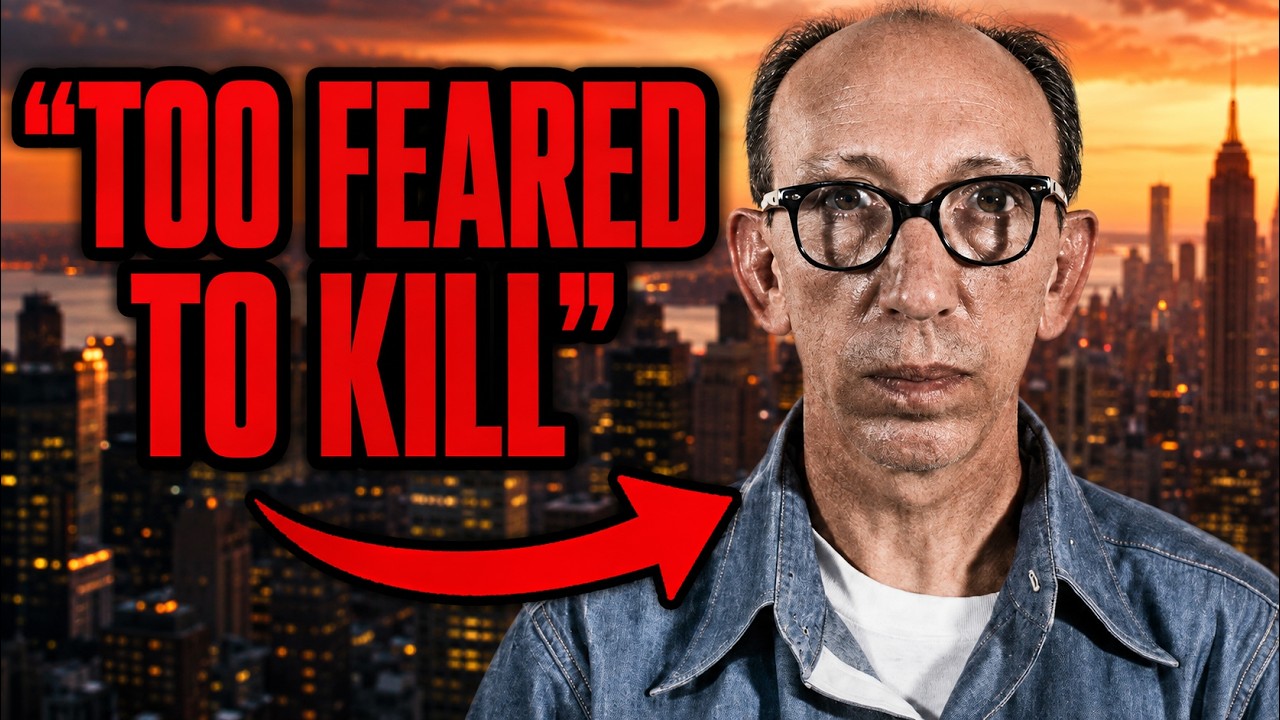
Grabbing a piece of iron pipe near a construction area, he beat the approaching inmate repeatedly before guards could pull him off. Only after the attack did he learn the truth. The man on the ground was not Joe Beck. He was Joseph “Joe” Sobb, a prisoner with no known role in any assassination plot.
A mistaken identity had cost an innocent man his life. Joseph Valachi was already serving a life sentence for drug charges. Now he faced another life term for killing a prisoner who posed him no threat. But the fear that drove him did not come from the victim.
It came from Valachi’s certainty that Genovese still wanted him dead, and that the mob would never forgive what Valachi was about to do next. Facing a lifetime behind bars with no way out, Valachi made a decision that sent shockwaves through the American underworld. He began to talk. Federal investigators had long suspected the existence of a secret national crime organization but had never been able to prove it.
Valachi gave them everything: the structure, the families, the initiation rituals, the leaders, the Commission, and the rule of silence known as omertà. In October 1963, Valachi testified before the U. S. Senate Permanent Subcommittee on Investigations, chaired by Senator John L.
McClellan, with the hearings broadcast nationwide. Americans watched a confessed murderer describe a hidden government of crime operating inside their country. He introduced the public to a word most had never heard before: Cosa Nostra. Valachi named leaders like Vito Genovese and Carlo Gambino, explained how families divided territories, described the ceremony of blood and the burning card, and detailed the mechanics of how drug operations moved from importers to street dealers.
He described a hierarchy that reached the top of New York’s most powerful organized crime groups. The mafia bosses dismissed his testimony as the ravings of a madman. They insisted no such organization existed. But the public was captivated.
Here was a man, admittedly guilty of murder, offering the first detailed account of how the mob actually worked. The era of denying the mafia’s existence in America ended with Valachi’s testimony. He was the first major figure in the American Cosa Nostra to break the code of silence, and his cooperation created a lasting bond between his name and betrayal. Joseph Valachi died of a heart attack in 1971.
He was recorded in history as the man who exposed the mafia, but that legacy was bought with an innocent prisoner’s life, a man who happened to share part of a name with the killer’s fear.