The journey westward in the 19th century was a grueling test of endurance, and the reality of the trail was often far removed from popular imagination. Before settlers could even think about the distant West Coast, they had to survive a trek that could take about 90 days under ideal conditions, but the journey typically stretched much longer due to unforgiving terrain and harsh weather. While the image of settlers galloping across the plains on horseback is enduring, the reality was far more grounded—literally and figuratively. When pioneers prepared for their journey westward, they generally chose between two types of wagons.
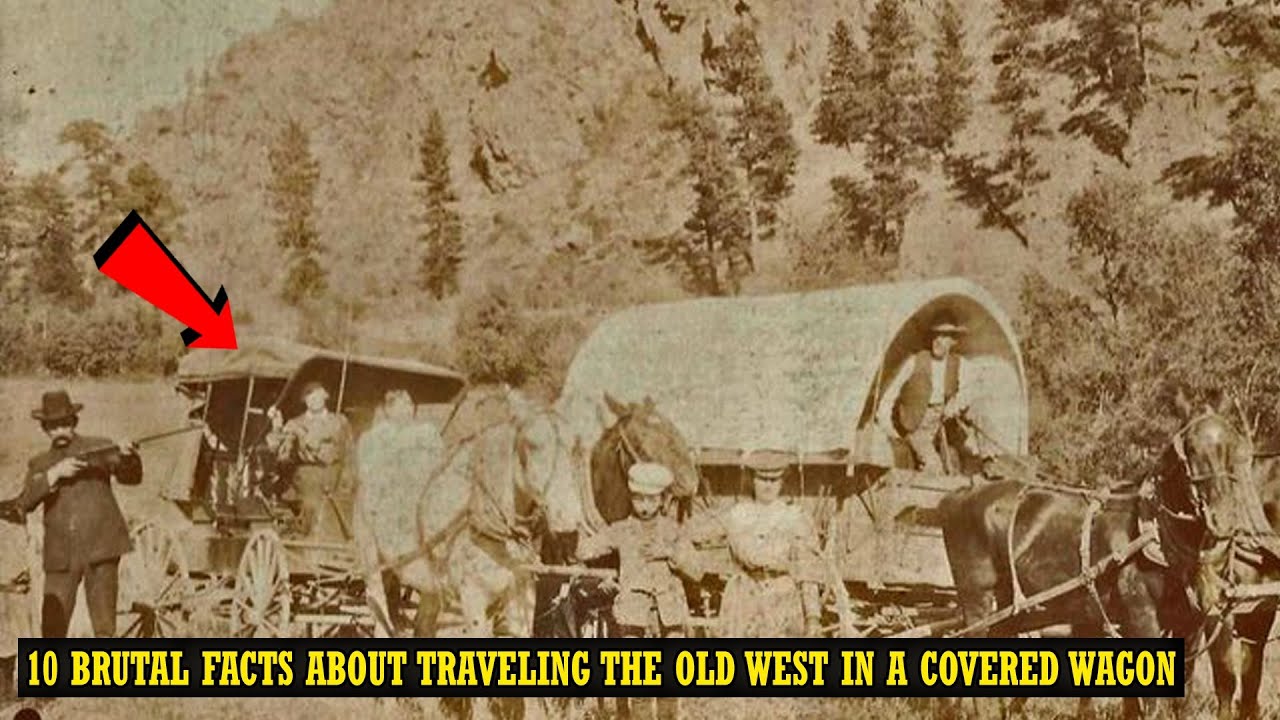
The first and most iconic was the Prairie Schooner, famously represented in the Oregon Trail computer game. These wagons featured large wooden hoops spanning their length, covered with canvas to create a protective canopy. From a distance, the curved canvas tops resembled the sails of schooner ships, inspiring the wagon’s nautical nickname. Prairie Schooners were built for long-haul journeys, but the ride was anything but smooth, as the wagons jolted and rattled across uneven terrain, testing the patience and endurance of all aboard.
The second option was the Conestoga wagon, a heavier and larger vehicle pulled by teams of up to six horses. These wagons were not ideal for cross-country travel due to their size and weight. Instead, they were more commonly used for shorter trips, such as moving from cities like St. Louis to the edge of the frontier.
No horse culture here. When we think of life on the Great Plains, the image of horse culture often comes to mind, with Native American tribes becoming masters of horsemanship after European explorers introduced horses in the 16th century. However, for settlers, horses were a luxury most could not afford. The cost of acquiring and maintaining a horse, which required proper feed, care, and shelter, was simply too high.
Most settlers stretched their resources thin preparing for the journey west, with money going toward essentials like wagons, supplies, and provisions. Saving up for a horse was a cost most couldn’t justify. Instead, settlers turned to more practical and affordable animals: mules and oxen. These hardy beasts were better suited to the grueling demands of the westward trek, ideal for hauling heavy loads over long distances.
Their resilience made them the backbone of most pioneer wagon trains. While they lacked the speed of horses, their endurance and practicality made them indispensable. Upon reaching their destination, settlers often repurposed their mules and oxen for agricultural work, using them to plow fields, haul timber, and build new settlements. Horses, while prized by wealthier settlers and ranchers, were rarely part of the average pioneer family’s journey, as utility trumped status in the quest for a new life on the frontier.
Pioneer families typically traveled west in Prairie Schooners or Conestoga wagons, but feeding themselves along the way presented an entirely different challenge. These wagons were primarily used to transport household belongings, tools, and supplies. The covered wagons were also equipped with a coffee grinder, allowing pioneers to prepare a much-needed cup of coffee to ward off exhaustion after long, grueling hours on the trail. A notable feature of the Chuck Wagon was the “possum belly,” a storage area slung underneath the wagon.
This design proved crucial for settlers crossing treeless plains where traditional firewood was scarce. When the wagon train stopped for the evening, the Chuck Wagon became the focal point of camp life. Settlers gathered around to prepare meals, share stories, and relax after a long day. This routine demonstrated how pioneers addressed the harsh realities of life on the trail, turning limited resources into functional solutions.
In many ways, the Chuck Wagon was more than just a tool for survival—it was a lifeline, ensuring that settlers were well-fed and cared for during their arduous journey. The canvas coverings on the wagons were designed to protect cargo, but they offered only limited defense against the elements. Rain, snow, and relentless prairie winds tested the durability of the wagons, often requiring extensive preparation before families could embark on their journeys. The canvas tops, usually made from 10-ounce cotton duck fabric, started as simple, untreated material.
To make them more weather-resistant, settlers applied a coating of linseed oil, a process that created a waterproof barrier. However, when the rain wasn’t falling, windstorms carried dust and sand across the prairie, pelting the wagons and infiltrating every crevice. Travelers constantly battled these natural forces, often stopping to make adjustments or repairs to remain vigilant. Severe storms could quickly overwhelm even the best preparations, leading to waterlogged supplies and spoiled food.
Wind-driven sand could damage fabrics and grind into wagon axles, creating long-term maintenance problems for the rest of the journey. The trail was not for the faint of heart, and one of the most daunting challenges pioneers faced was wagon maintenance. Roads were non-existent, consisting instead of dirt trails riddled with rocks, holes, and other hazards. When wagons broke down—and they often did—there were no roadside services, mechanics, or friendly neighbors to call on for help.
Settlers were entirely responsible for diagnosing and repairing their wagons, often in remote and unforgiving environments. Preparation was crucial, and knowing the potential for disaster, pioneer families packed their wagons with essential tools, spare parts, and raw materials. Axes, hammers, saws, and nails were common supplies, as were extra wood and metal for crafting replacement parts. Still, tools alone were not enough; the settlers’ ingenuity was their greatest asset.
The persistence required to repair a wagon mid-journey remains one of the many enduring symbols of the pioneering spirit. It speaks to the sacrifices and ingenuity of those who braved the unknown in search of a new life, turning every busted wheel and broken axle into a stepping stone toward their dreams. Pack carefully; the journey westward was grueling, and the roads were far from forgiving. Not only were there no paved highways, but the wagons pioneers relied on also lacked any form of suspension.
This meant every journey, whether it lasted days, weeks, or even months, was an unrelenting series of bumps, jolts, and violent shakes. The Prairie Schooners, the most common wagons of the time, were notorious for their rough ride. These wagons were designed with a flat bottom, making them ill-suited for the rugged terrain. The reality for those heading west in search of a new life was that the rugged terrain, combined with the limitations of their wagons, made the trek a test of both endurance and resilience, with each day presenting new obstacles to overcome.
When pioneers encountered rivers, they had to rely on their ingenuity to cross. Ferry services offered a way to transport wagons across the water, but these ferries weren’t always accessible, and when they were, they usually came at a cost. For many settlers, the expense of ferrying their wagons across was simply unaffordable, so they resorted to makeshift ferries built from spare materials they had collected along the way. If they were fortunate enough to find trees near the riverbank, they could chop wood to create a rudimentary raft, lashing the pieces together to form a floating platform.
Carefully selecting the spot where they could most safely navigate the water, settlers would prepare their wagons for the crossing. Wagon beds were treated with wax to waterproof them, and any cracks were sealed as tightly as possible. In effect, the wagon became a boat of sorts, though far from a reliable vessel. As the oxen team slowly pushed forward into the current, the precariousness of the situation became all too clear.
If everything went well, the wagon would make it across without tipping over, and the settlers could breathe a sigh of relief. But these crossings were fraught with danger; if the river was too strong or the wagon too heavy, the wagon could capsize, spilling its precious cargo into the water. These crossings made for some of the most nerve-wracking moments of the entire journey, forcing settlers to rely on their ingenuity, limited resources, and bravery as they faced the unforgiving elements. The unpredictability of the trail marked the end of one way of life and the beginning of another, with profound consequences for Native American populations.
Forced relocation and displacement became widespread, resulting in the disruption of entire cultures and ways of life. By the mid-1800s, travel between the East and West Coasts became far more feasible, significantly changing the dynamics of American life. However, it was the early settlers traveling in their covered wagons who laid the groundwork for this transformation. The covered wagon was no easy feat; each mile brought its own set of challenges, hardships, and dangers that tested the limits of human endurance.
From unbearable weather to the threat of attacks, the journey west was a brutal experience that shaped the history of America. These facts show just how difficult it truly was for those brave enough to embark on such a perilous journey, turning every obstacle into a testament to the sheer determination required to reach their destination.