In December 1985, John Gotti orchestrated the murder of Paul Castellano, the boss of the Gambino crime family, outside Sparks Steakhouse in Manhattan. The hit was planned by Gotti’s ally Salvatore “Sammy the Bull” Gravano, who later described watching from a nearby car as the shooting unfolded, noting an unexpected complication: two police officers stood just a few hundred feet away before turning and walking off moments before the attack. The assassination marked a violent turning point in New York’s organized crime landscape. Castellano had been a conservative, business-minded boss who favored discretion, while Gotti was flamboyant, media-savvy, and hungry for power.
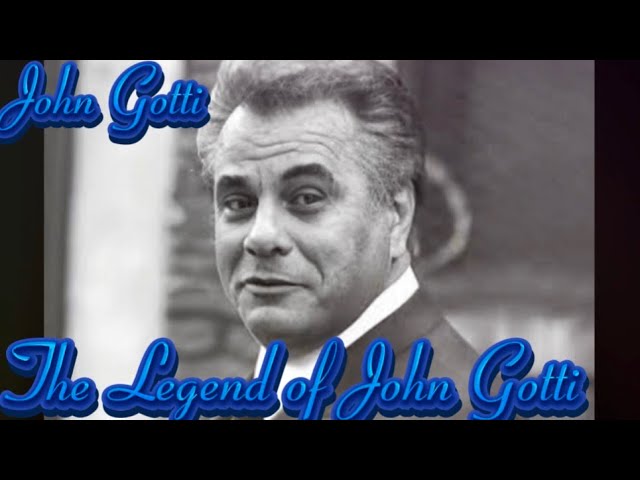
The tension between the two men had been building for years, fueled by disputes over hijacking profits and Castellano’s strict ban on drug trafficking, which Gotti’s associates had allegedly violated. Born on October 27, 1940, in the Bronx, Gotti grew up in poverty. By age 12, he was running with street gangs tied to the mafia, and at 14, a cement mixer crushed his foot during a construction site theft, leaving him with a permanent limp. Over the following decades, he climbed the ranks of the Gambino family under the mentorship of underboss Aniello Dellacroce, building a reputation as a ruthless earner with a loyal crew based in Ozone Park, Queens.
Gotti’s rise was marked by violence. In 1973, he was part of a squad that killed James McBratney, a suspect in the murder of a Gambino nephew. With attorney Roy Cohn’s help, Gotti pleaded guilty to attempted manslaughter and served four years. He was also linked to the 1975 murder of Gambino associate Vito Borelli, according to a later allegation by Bonanno boss Joseph Massino.
Castellano became boss in 1976 after the death of Carlo Gambino, who passed over Dellacroce in a decision that split the family into factions. Under Castellano, Gotti was promoted, but the relationship soured. In 1984 and 1985, Castellano faced federal indictments, including RICO charges, and appointed a committee to run the family in his absence. Gotti, fearing Castellano would retaliate against him and his brother Gene over drug-related indictments, began secretly plotting a coup with allies including Frank DeCicco, Joseph Armone, and Gravano.
The plot violated a long-standing mafia rule against killing a boss without commission approval, a rule unbroken for decades. Gotti bypassed the commission, securing support from figures in other families, and moved forward with the hit that reshaped the Gambino family’s leadership. By January 1986, Gotti was officially recognized as the new boss. His reign was defined by a departure from mafia tradition: he embraced the media, wore expensive suits, charmed reporters, and earned the nickname “the Dapper Don.
” Reports estimated he earned between $5 million and $20 million annually, and his ability to evade conviction in three major trials during the 1980s earned him another nickname: “the Teflon Don. ”
The acquittals were built on manipulation. In his first racketeering trial, juror George Pape secretly took a $60,000 bribe, arranged through Gravano’s connection to Westies gang leader James Coonan, to hold out for a hung jury. Gotti’s defense attorney, Bruce Cutler, aggressively attacked the prosecution’s case, dismissing witnesses and even calling a disgraced bank robber who made sensational claims about prosecutor Diane Giacalone.
The jury acquitted Gotti on March 13, 1987. In another case, a man named Romual Piecyk, whom Gotti was accused of attacking, claimed he could not remember the incident after Gambino members reportedly stalked him, cut his brake lines, and made threatening calls. Gotti walked free again. But the cracks were forming.
The FBI, under the leadership of agent Bruce Mouw, heavily surveilled Gotti’s Ravenite Social Club in Little Italy, planting bugs that captured incriminating conversations. Gotti unwisely held weekly meetings with his capos at the club and discussed sensitive matters in a nearby apartment, which the FBI later bugged as well. The tapes revealed Gotti ordering hits and discussing jury tampering plans. In December 1990, federal agents raided the Ravenite and arrested Gotti, Gravano, and consigliere Frank LoCascio.
Prosecutors charged Gotti with five murders, conspiracy, loan sharking, illegal gambling, obstruction of justice, bribery, and tax evasion. The government also disqualified Gotti’s lawyers, Cutler and Gerald Shargel, arguing they were too close to the criminal enterprise to avoid becoming witnesses themselves. The FBI tapes exposed a rift between Gotti and Gravano. Gotti had allegedly accused his underboss of being overly ambitious and had discussed setting him up for murder.
Gravano, facing a life sentence and feeling betrayed, made the landmark decision to cooperate with the government, becoming one of the highest-ranking New York mafia figures ever to testify against his former boss. The 1992 trial in Brooklyn was held with an anonymous, sequestered jury, a first for the district. Gravano testified in detail about Gotti’s involvement in numerous crimes, including Castellano’s murder, and admitted his own role in 19 killings. Despite defense attempts to discredit him, Gravano’s testimony held up.
On April 2, 1992, after just 14 hours of deliberation, the jury found Gotti guilty on all counts. FBI assistant director James Fox declared, “The Teflon is gone. The Don is covered with Velcro, and all the charges stuck. ”
On June 23, 1992, Gotti was sentenced to life in prison without parole.
He was held in a high-security federal prison in Marion, Illinois, confined to his cell for 23 hours a day. His appeals failed, with the Supreme Court rejecting his final appeal in 1994. In prison, Gotti’s health declined, and he was diagnosed with throat cancer in 1998. He died on June 10, 2002, at the age of 61.
The Catholic Diocese of Brooklyn refused to hold a requiem mass, though a memorial service was later allowed after his burial. His funeral was held outside church grounds, and no representatives from other New York mafia families attended, a pointed rebuke of his leadership style. Gotti’s legacy is deeply contradictory. He became a pop-culture icon, embodying the glamorized image of the American gangster, but his media-driven approach marked a break from the mafia’s code of silence.
Figures like Lucchese underboss Anthony “Gaspipe” Casso argued that Gotti’s openness brought increased law enforcement scrutiny that contributed to the decline of organized crime in the United States. By the early 2000s, the Gambino family was a shadow of its former self, with many members imprisoned or cut off from criminal activity. His son, John Gotti Jr. , followed him into the family and became acting boss but later pleaded guilty to racketeering charges, signaling a shift away from the criminal legacy.
Gotti’s wife, Victoria, reportedly blamed her husband for their son’s path and threatened to leave him over it. The story of John Gotti remains a cautionary tale about ambition, betrayal, and the consequences of seeking fame in a world built on secrecy. His rise and fall reshaped the public’s view of organized crime and left lasting effects on America’s legal system, as federal agencies developed new tools, including extensive wiretapping and RICO prosecutions, to dismantle mafia power across the country.