John Reddaway was a young enforcer and drug distributor for one of the most feared crime figures in Boston—James “Whitey” Bulger. But while many around him eventually cooperated with authorities, Reddaway refused to become an informant, even when he faced 20 years to life in prison. He served 12 years behind bars and has since written a book about his experiences and spoken openly about the betrayal that defined his world. Growing up in South Boston, Reddaway was a promising boxer.
He started training at age five and turned professional at 18, even fighting in Los Angeles. But the sport alone never gave him what he wanted. As a kid from a poor neighborhood without a father at home, he was drawn to older men who had money, cars, and respect. He admired them before he knew exactly how they made their living.
That admiration eventually led him into the orbit of Bulger’s crew, which ran drugs through the area. Before he formally worked for Bulger, Reddaway started selling small amounts of cocaine in clubs, then built his own connections and traveled to Florida to bring back kilos. At 19, he made a risky trip to the Florida Keys with $20,000 in cash to buy a kilogram from a stranger, a deal that almost went wrong. The man eventually returned, explaining that a helicopter he had seen overhead was actually his way of checking Reddaway out.
Reddaway strapped the kilo to his body and flew back to Boston. That was the beginning of his run as a serious supplier. When Bill Shea, the man running Bulger’s drug operation, noticed Reddaway was no longer buying from them, he approached him. Shea proposed a deal: Reddaway would supply the crew directly, keeping his own customers while delivering product for theirs.
Reddaway agreed. That partnership put him in direct contact with Bulger and his right-hand man, Steve Flemmi. Reddaway had known of Bulger since he was a boy. At 15, he had met him briefly, and Bulger had grown up with one of Reddaway’s relatives.
Like many young men in South Boston, Reddaway looked up to him. He said he idolized Bulger completely, unaware at the time that Bulger had been an active FBI informant for decades. Things eventually soured between Reddaway and Shea. Shea began cutting the cocaine and selling part of it on the side to Reddaway’s customers, then blamed Reddaway when the crew complained about the quality.
Bulger backed Reddaway, telling the men that the young man was just trying to prove himself and was not trying to cheat anyone. Shea was called in and essentially exiled. Reddaway ran into Shea at Logan Airport later, knowing Shea was heading to a meeting that could have gotten him killed, and said nothing. Shortly after, Reddaway was summoned to a store by Bulger.
When he went down to the basement, he was met with Uzis pointed at him. Bulger demanded to know about his friends, their money, and where they got it. Reddaway told him that anything the men had came from him and that he would never inform on a loyal man, no matter what happened. Bulger lowered the gun and told him he had passed the test.
It was a loyalty check, and Reddaway knew he had come close to death. As angry as he was, he admitted he saw it as a smart move. From that point, Reddaway was fully in. He ran the drug trade for the crew, dealing mostly with Bulger while others handled different aspects of the operation.
Bulger gave him advice about staying calm and not losing his temper, and even told him once not to return to boxing because, in his words, boxing was for fools. Reddaway noticed something was off when Bulger discouraged him from stepping back from the streets during heavy surveillance. He said his instincts told him something was wrong, but he kept working. In 1990, Reddaway was indicted along with 51 others.
He was at the top of that list because he was the distributor for the operation. The government had wiretaps, informants, and surveillance of his flights back and forth from Florida. They even had him meeting with Bulger. Investigators expected the young man to break and cooperate, especially since he had never been to prison before.
They told him he faced at least 40 years. Reddaway, still in handcuffs, said he was ready to accept life in prison rather than inform. He told them nothing. While he was held and the others considered cooperating, Reddaway sent information back to Bulger.
He refused to believe Bulger was an informant, even when the government suggested otherwise. He told another inmate that Bulger was not a snitch and that authorities were just trying to break them. Looking back, Reddaway said he was wrong, and he still remembers the moment he realized it. During his time in prison, Reddaway spoke to Kevin Weeks on the phone.
Weeks, one of Bulger’s closest associates, confirmed that Bulger and Flemmi had been informants for decades. Reddaway asked how Weeks could live with that knowledge while he was serving a sentence for staying silent. Weeks said he could live with it. Reddaway hung up and never spoke to him again.
He said he knew then that Weeks would become an informant too, which he eventually did. Reddaway was offered a deal after Bulger’s betrayal became public. His lawyer told him he could testify and go home early, with about six years still left on his sentence. Reddaway laughed and refused.
He said he went into prison as a man and would leave as one. In prison, Reddaway earned a reputation for standing his ground. He lost his good time credits repeatedly and spent time in solitary confinement every year due to fights. He told the interviewer that some Italian organized crime figures were his friends there, and that they knew he would back them if they had trouble.
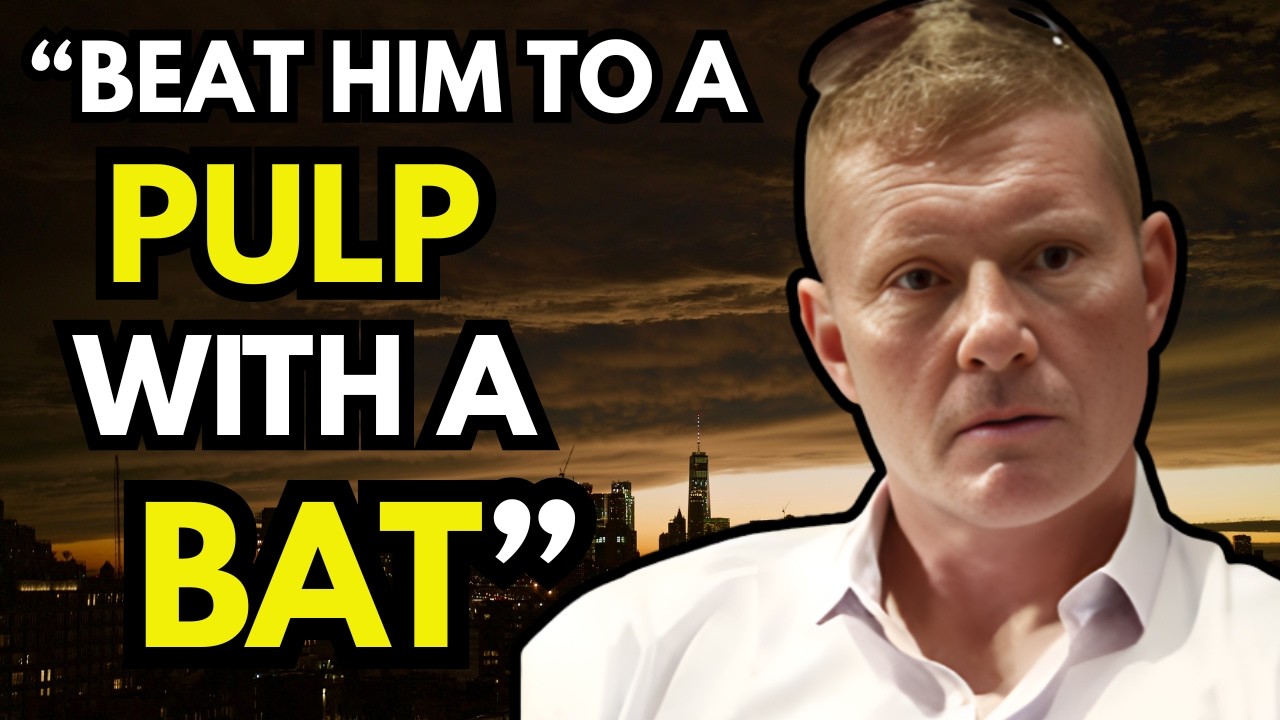
He also said guards told him about a child rapist who had arrived at the facility, and that he took care of him that same night. The man left on a stretcher. Reddaway also described an incident from his time on the streets involving a man who owed him $10,000. The man was avoiding him, so Reddaway hid a baseball bat in a gutter near the man’s house.
He approached unarmed, grabbed the bat, and beat the man badly. The man left Boston and never returned. Reddaway said it was about principle, not the money. If word got around that someone could steal from him without consequences, others would try the same thing.
Reflecting on the men he once respected, Reddaway said he had been closer to Steve Flemmi than many others. They talked mostly about fitness and juicing, and Flemmi gave him books on the subject, but they never discussed business. Flemmi was a gentleman to him, but also, as Reddaway put it, a deadly man. He described Kevin Weeks as Bulger’s obedient boy, someone who was always at his side.
Weeks was a decent fighter, though Reddaway noted he never actually won the Golden Gloves title he claimed. Weeks was not someone to be underestimated, but in the end, Reddaway said, he cooperated like the others. Reddaway said he was not part of the original Winter Hill Gang. Bulger and Flemmi were themselves fugitives and breakaways from that group.
His role was concentrated on the drug operation, and he answered to Bulger, though he saw other members of the crew regularly. After 12 years in prison, Reddaway wrote a book, “Rap Bastards,” and started a YouTube channel where he discusses his life and the realities of organized crime. He does not hide his contempt for the men who cooperated with the FBI while letting others do the time. He told the interviewer that when the betrayal came to light, he chose to serve his full sentence rather than take the same path.
He said he was lucky to be alive. As a teenager, he narrowly avoided being in a car that crashed at high speed into a Boston transit bus, killing several of his friends. He had been forced to attend his sister’s wedding instead of a party. The crash stayed with him and contributed to a certain numbness about tragedy in the neighborhood.
He acknowledged that losing friends at a young age shaped his outlook, though he did not claim to fully understand how it changed him. Now, Reddaway says he still follows the code he grew up with in South Boston. He says he never informed on anyone, even when it cost him years of freedom. And he still finds it hard to accept that the man he once idolized, Whitey Bulger, spent decades as an FBI informant while presenting himself as the protector of the neighborhood.
For Reddaway, that was the ultimate betrayal.