In 1934, the new National Socialist government of Germany decided to overhaul how the nation remembered its war dead. Like most countries, Germany reserved one day a year as a day of remembrance, originally created to pay homage to the huge number of fallen from World War One.
The day had been established by the Weimar Republic in 1922 as People's Mourning Day. It was a reserved ceremony held inside the Reichstag, the German parliament building in Berlin.
But the Nazis knew the power of visuals, pomp and display. Dr. Goebbels, the Reich Propaganda Minister, was charged by Hitler with overhauling People's Mourning Day into something more celebratory and nationalistic.
In 1934, this became Heldengedenktag, the Day of Commemoration of Heroes. The focus shifted from remembering the dead to hero worship, and the center of the day was Hitler himself.
By 1943, the Heroes' Commemoration Day looked more like a funeral service for Nazi Germany than a celebration of military heroes. It would mark Hitler's last appearance at the annual event, as he began to withdraw from public appearances while his physical infirmities manifested themselves and as defeat followed defeat for the nation.
Incredibly, the 1943 Heroes' Day was almost Hitler's last day on earth. A secret plot was afoot to assassinate him during the ceremony itself.
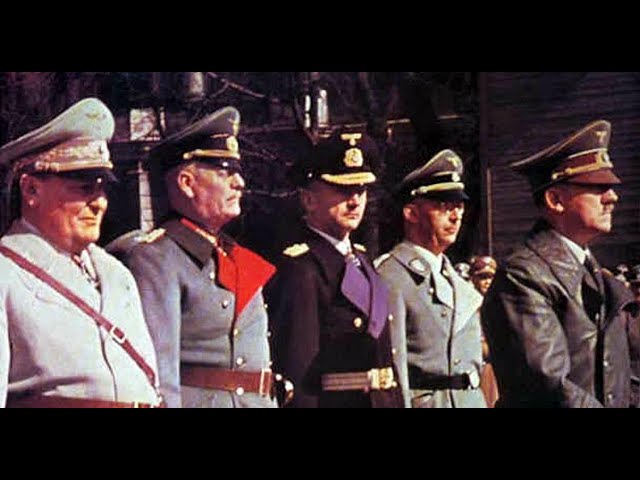
The reason the 1943 ceremony was particularly gloomy and melancholy was that Germany had just suffered its greatest military defeat of the war thus far: Stalingrad. The entire German Sixth Army had been battered, surrounded and then forced to surrender following a terribly mismanaged campaign in the Soviet Union, for which Hitler bore ultimate responsibility.
Over 300,000 German and Axis troops were killed, wounded or captured in the city, and the balance on the Eastern Front swung to the Red Army. Germany would now be almost permanently on the defensive in the east, a true turning point of World War II.
Hitler's appearance in public so soon after Stalingrad would reflect the national mood. He would attempt to reassure the people that all would be well in the east and that ultimate victory would come.
But for some in the army, killing Hitler was now seen as the only way to change the course of the war, and the Heroes' Day parade was the best opportunity to do so.
On the 21st of March 1943, Hitler was driven to the ceremony from the Reich Chancellery in his usual armored Mercedes limousine. Arriving in front of the Zeughaus, the old Berlin armory building, he was greeted by senior representatives of the four services.
They included Grand Admiral Dönitz of the navy, Field Marshal Keitel of the army, Field Marshal Milch of the Luftwaffe and Reichsführer SS Himmler. Moving inside, the first movement of Bruckner's Seventh Symphony filled the interior.
At one p.m., Hitler ascended the podium to speak. In a short address, he claimed that the army had successfully stabilized the Eastern Front following the disaster at Stalingrad.
His speech contained the by now familiar criticisms of Germany's enemies and a resolution to be victorious, ending with praise for Germany's fallen. It was the last, as much a funeral address for the Sixth Army and Fourth Panzer Army as an address to all Germany's fallen in two world wars.
Hitler now moved to another part of the Zeughaus, where a display of captured Soviet weapons had been set up. Among the officers waiting to interpret the displays for Hitler was Colonel Rudolph Christoph Baron von Gersdorff, a staff officer from Army Group Center on the Eastern Front.
The baron was part of a conspiracy of army officers to kill Hitler. In his uniform tunic pockets he carried two small British clam mines.
As Hitler approached him, Gersdorff activated the ten-minute fuses, determined to stay close to the Führer and blow himself up along with Hitler in the explosions. In an extraordinary photograph, von Gersdorff stands with the bombs armed, close to Hitler and other Nazi leaders.
Unfortunately for Gersdorff, Hitler, looking extremely disinterested and unsettled, barely glanced at the exhibits. Those supposed to wander the display for 30 minutes abruptly left after just two.
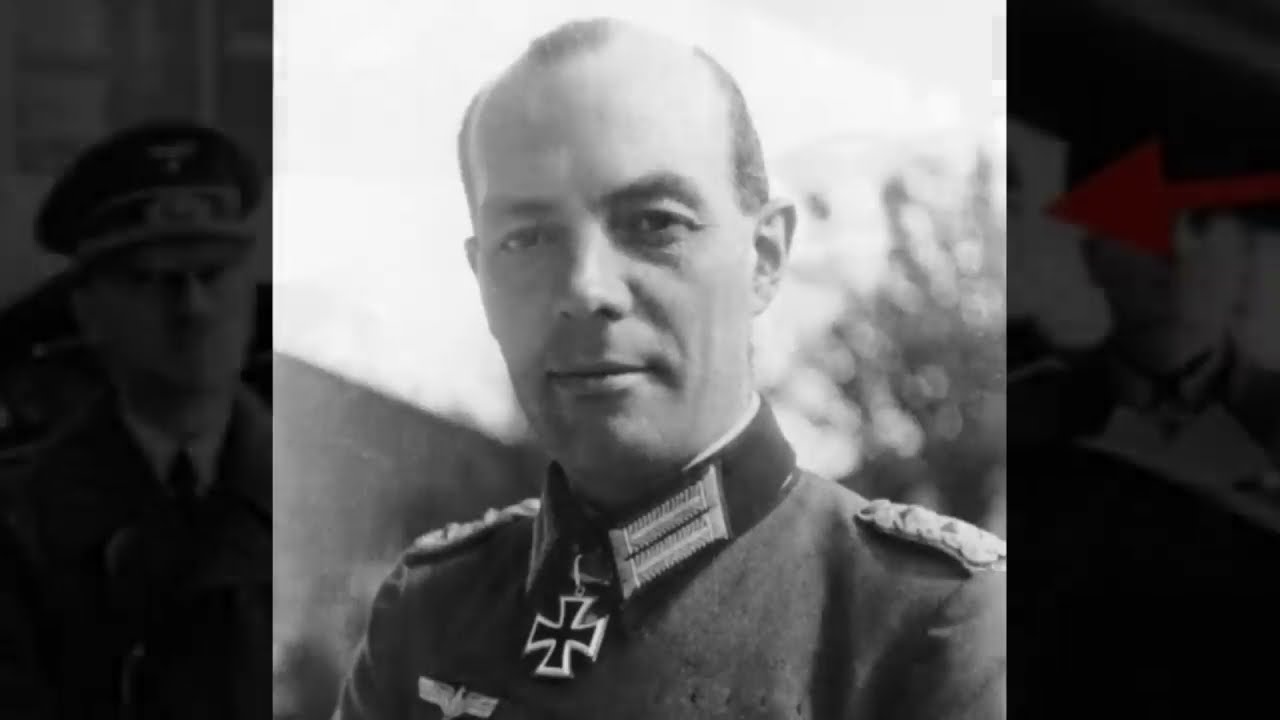
Had he sensed something was wrong? Gersdorff excused himself and dashed to a lavatory stall, managing to defuse both mines with little time to spare. His plot was not detected by Hitler's security force.
The next part of the event now got underway. Leaving the Zeughaus, Hitler was met by the Berlin garrison commandant, Major General von Hase, who incidentally was also in on the plot to kill Hitler.
Hitler now reviewed the assembled troops outside the adjacent Neue Wache, a Prussian-built former royal guard house that had been repurposed as a World War One memorial. Following the troop review, four Knights Cross-holding officers from each service jointly carried a large wreath inside the Neue Wache, which Hitler ceremoniously helped to lay at the memorial courtyard.
Following the wreath laying, Hitler next met 100 carefully selected World War One and Two wounded or disabled veterans, spending a few minutes speaking to individuals and listening to their stories.
The final part of the ceremony involved a march past by the honor guards of the four services, parading the colors and standards of the various units, with Hitler taking the salute.
Following this ceremony, Hitler rarely spoke in public again. His last major public address occurred in November 1943, when he spoke to 10,000 officer cadets at Breslau.
In 1944, he only spoke publicly twice, giving a funeral address for famed mountain troop General Eduard Dietl on the 1st of July and a private address to 200 leaders of German industry at the Platterhof hotel adjacent to his private house on the Obersalzberg on the 4th of July.