General George S. Patton remains one of the most celebrated, controversial, and larger-than-life figures in American military history. He was revered for his leadership in World War II, feared by his enemies, and deeply respected by his troops.
Behind the gleaming medals and powerful speeches was a complex man. His personal flaws, fiery temper, and unyielding ambition left a trail of questions that lingered long after the war ended.
Decades later, his own daughter, Ruth Ellen Patton, would defend him fiercely, only to later reveal a very different side of the man history thought it knew.
Born in 1885 into a family steeped in military tradition, Patton believed from an early age that he was destined for greatness. He attended West Point, where he quickly became known for his intensity, sharp intellect, and athleticism.
Serving with distinction in World War I, Patton developed a passion for armored warfare and modern combat strategies. These experiences laid the groundwork for what would later become his legendary battlefield leadership in World War II.
Alongside his meteoric rise through the ranks came a growing awareness that Patton was not just a soldier. He was a man driven by visions of destiny, reincarnation, and the ancient warrior code.
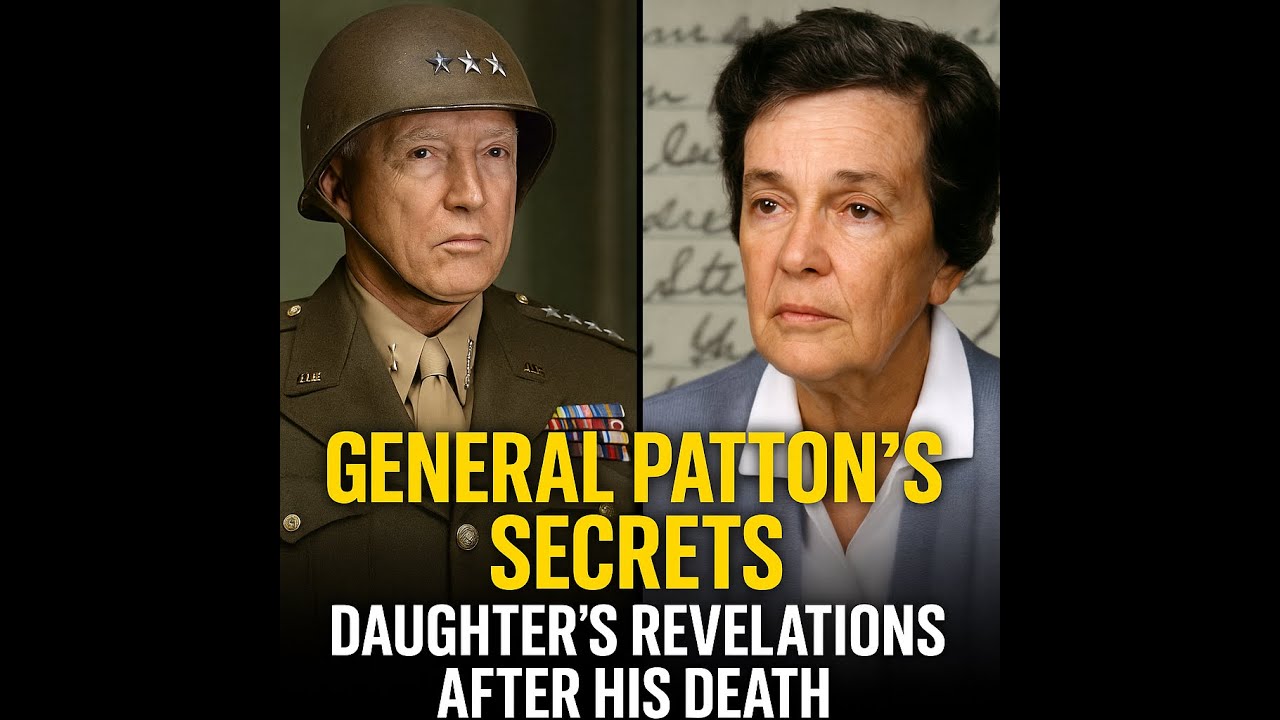
This belief in his pre-ordained greatness fueled his relentless pursuit of victory. But it also alienated some of his peers and baffled his superiors.
Under Patton's command, American forces swept through North Africa, Sicily, and Europe. His daring maneuvers and no-nonsense discipline helped turn the tide of war, and he inspired loyalty and fear in equal measure.
His troops admired his directness and guts. But Patton's leadership was also marred by controversy.
In 1943, while visiting a field hospital in Sicily, Patton slapped two shell-shocked soldiers and accused them of cowardice. The backlash was immediate and widespread.
While he remained in service, his reputation took a hit. The incident revealed a darker, more rigid side of Patton, one that refused to tolerate weakness in any form, even when that weakness came from mental trauma.
Even as the war ended, rumors continued to swirl. Much of the speculation concerned Patton's close relationship with Gene Gordon, a Red Cross worker and his niece by marriage.
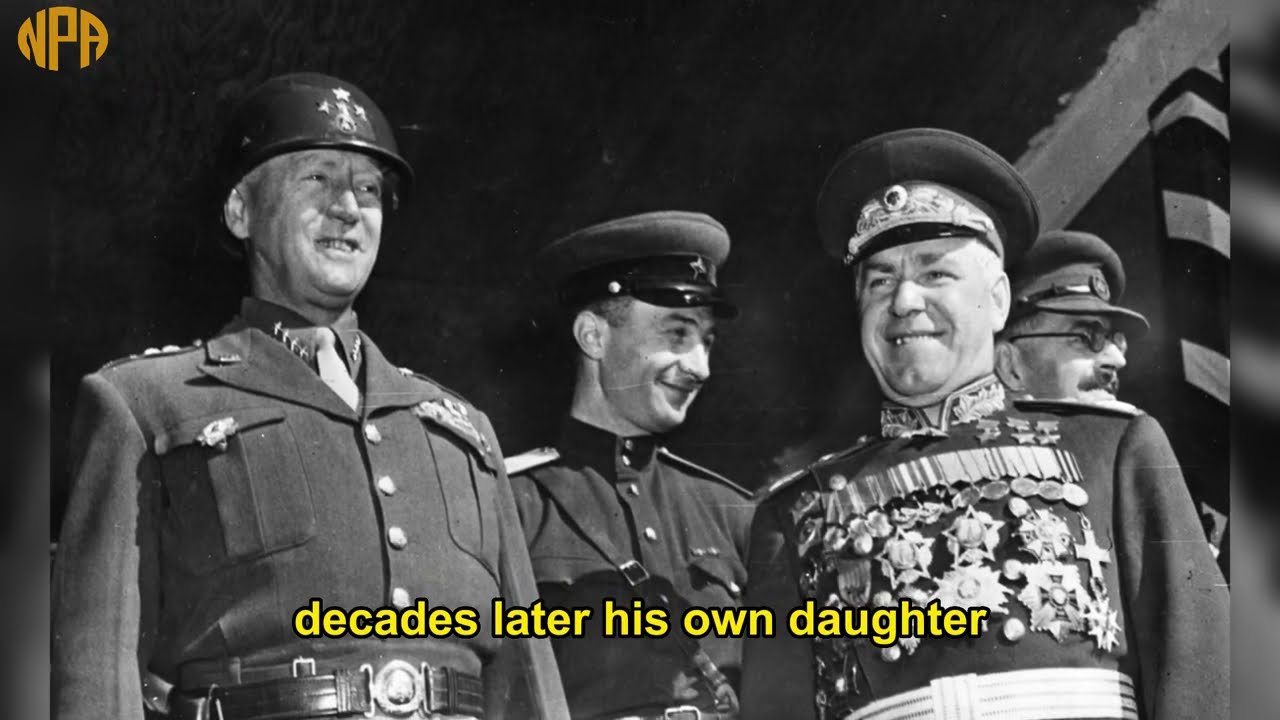
The two shared an unusual closeness, often traveling together and writing lengthy letters. Many dismissed the speculation, chalking it up to camaraderie, but others, including Patton's inner circle, suspected more.
Gene Gordon's tragic suicide just days after Patton's death added fuel to the fire. For years, the nature of their relationship remained a mystery.
Publicly, Ruth Ellen Patton rejected the accusations outright, calling them baseless attempts to tarnish her father's image. She was more than a daughter; she was the guardian of her father's legacy.
She appeared on talk shows, gave lectures, and published writings that framed General Patton as a brilliant but misunderstood hero. She acknowledged his strict discipline but always emphasized his compassion and courage.
To her, the accusations about Gene Gordon were nonsense, stories fabricated by those who did not understand the deep bond between military leaders and those who served with them. Her image of her father was shaped by memory, pride, and the fierce loyalty of a daughter who had seen him lionized and vilified in equal measure.
But Ruth Ellen's narrative took a surprising turn after her death in 1993. Her unpublished letters and memoirs were released posthumously.
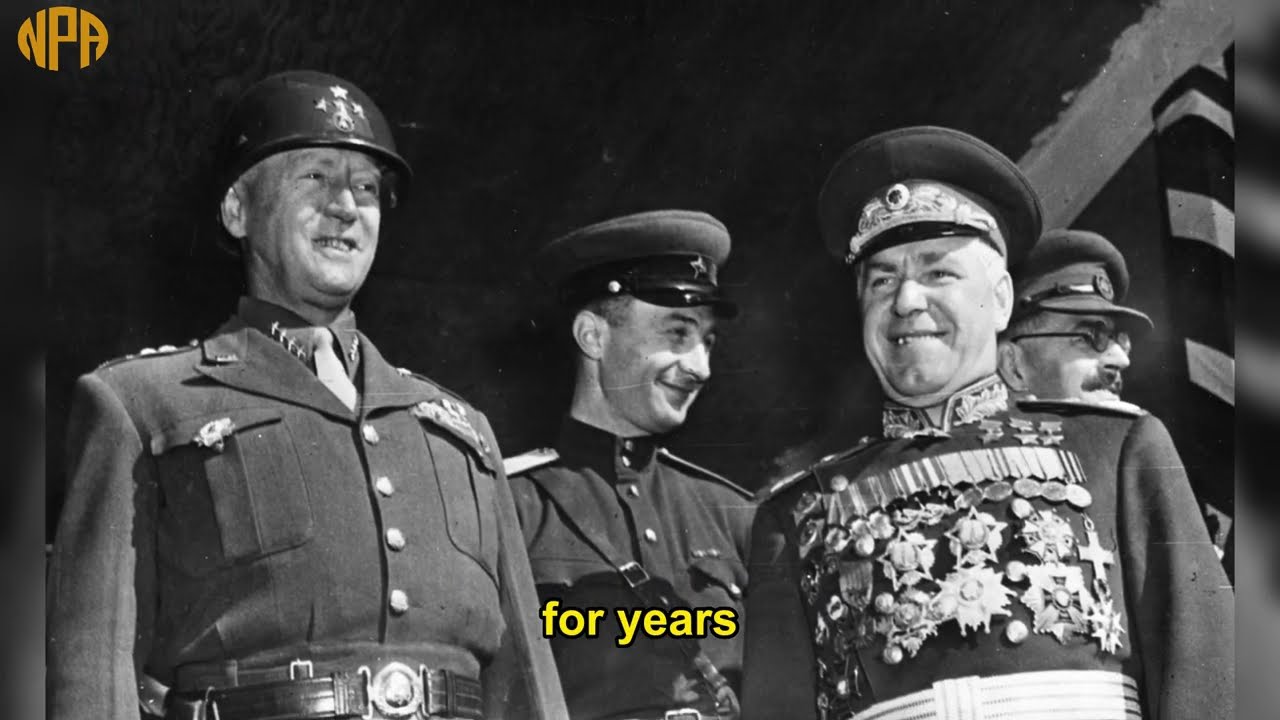
In these deeply personal writings, Ruth Ellen finally confronted the shadows of her father's past. She admitted that she had long suspected a more intimate relationship between her father and Gene Gordon.
She wrote about her mother's quiet awareness, the emotional distance that often defined their home, and the overwhelming pressure to uphold a legacy built on strength and silence. These revelations offered a stunning contrast to the fierce protector the public had come to know.
Ruth Ellen had shielded her father's reputation in life but allowed a more complex truth to emerge in death.
So what do we do with this legacy? A general who liberated Europe, inspired nations, and led with unmatched intensity, but also a man who was volatile, deeply flawed, and at times cruel.
His brilliance on the battlefield cannot be denied. His unfiltered opinions, however, often bordered on the outrageous, and his personal life, once thought to be untouchable, now revealed a complexity rarely acknowledged in traditional histories.
Perhaps the true measure of a leader is not in perfection, but in the full, messy truth of their humanity. Ruth Ellen Patton gave us permission to see her father not just as a general, but as a man caught between greatness and his own imperfections.
In one of her last public writings, Ruth Ellen Patton wrote, "He was my father. I loved him, but he was not perfect."
And maybe that is the most important truth of all. This was the story of General George S. Patton, not just the legend, but the man behind the uniform as told by the person who knew him best and ultimately revealed the truth he never told.