OSWIECIM, Poland — A brick building tucked inside the main Auschwitz compound served as the Nazi regime’s most feared instrument of interrogation and punishment, where prisoners were tortured with iron swings, suffocated in standing cells barely a square yard wide, and shot by the thousands against a concrete wall that still stands today.
Block 11, located inside Auschwitz I, has emerged in historical accounts and survivor testimony as the epicenter of the camp’s machinery of terror — a place where the Gestapo conducted interrogations, where starvation was used as a deliberate method of execution, and where the first experiments with the poison gas Zyklon B were carried out in September 1941.
 The building’s notoriety was so complete that prisoners regarded assignment there as a near-certain death sentence. Those held inside were typically suspected of resistance activity, sabotage, or escape attempts, and were subjected to methods designed not merely to 𝓀𝒾𝓁𝓁 but to extract information and inflict maximum suffering.
Among the most notorious devices used inside Block 11 was a structure known as the “iron swing,” invented by a guard named Wilhelm Boger. According to testimony, it consisted of a one-meter iron bar suspended from the ceiling by chains. A prisoner would be stripped naked and forced to bend over the bar, with wrists bound to ankles.
A guard would then push the victim back and forth across the room in a long, slow arc while interrogators fired questions — first calmly, then shouting, finally screaming. On each return pass, a second guard armed with an iron bar would strike the prisoner’s buttocks. The beatings continued until the victim lost consciousness repeatedly, and in most cases until little remained but a mass of bloodied flesh.
Most prisoners died during the ordeal, some before it ended and others afterward. What remained was gathered from the concrete floor and dragged away. Boger himself oversaw numerous atrocities inside the building but was never executed for his role in the punishment wing at Auschwitz.
The building also holds a dark distinction in the history of the Holocaust. It was in the basement of Block 11 that the first mass killing experiments using Zyklon B took place in September 1941, when Russian prisoners of war were murdered under the supervision of camp commandant Rudolf Hoess. Hoess personally observed the killings as his guards carried out the first test.
The basement proved unsuitable for repeated use because it was difficult to ventilate and clean after each killing, and because the crematorium was located at a distance. That logistical problem led the Nazis to construct dedicated gas chambers with adjoining crematoria — the facilities that would ultimately claim hundreds of thousands of lives.
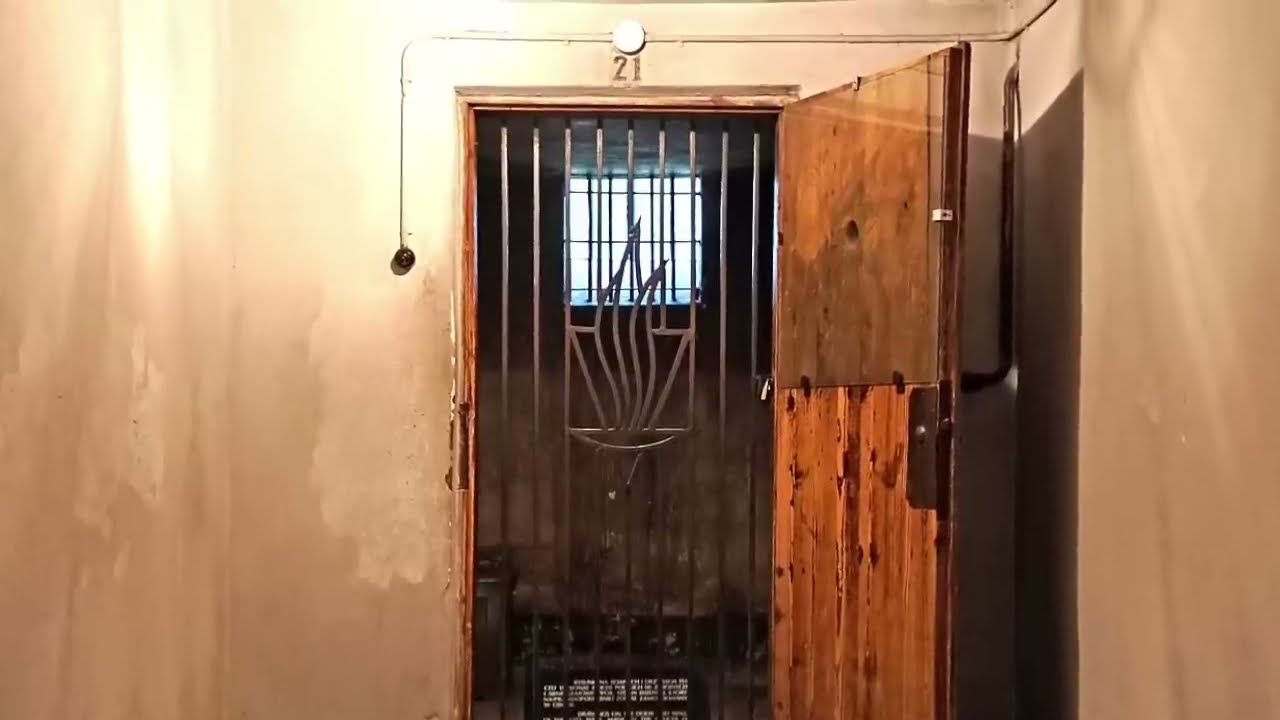
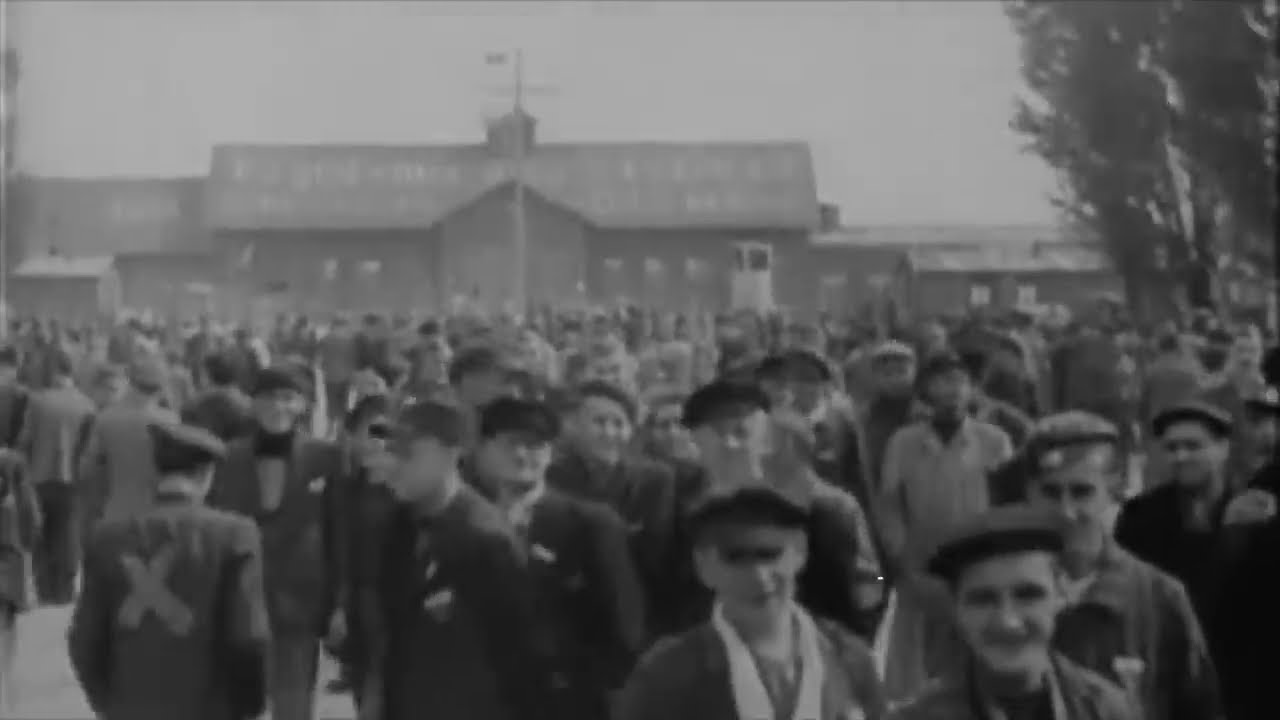 Block 11 also housed the camp’s standing cells, known among prisoners as the “staircase cells.” Four of these chambers existed in the basement, each roughly one square yard in area, and each was used to confine four prisoners at a time. The occupants could do nothing but stand.
The cells were modeled on medieval castle dungeons and allowed no sitting or resting. Prisoners were held in this position for periods of up to ten days, with some permitted to leave for work before being returned to the cells. Ventilation came through a single opening roughly two inches wide, meaning prisoners did not suffocate outright but breathed air that was perpetually thin.
One survivor testified at the Auschwitz trial that he was forced to remain in the standing cells for six weeks, during which he received only three small meals. He described a fellow prisoner who became so hungry that he ate his own shoe. Hoess claimed the standing cells were used only for punishment during free nights, but his successor, Arthur Liebehenschel, removed them from Block 11 in 1943.
The building’s outer courtyard, situated between Block 11 and Block 10, contained the so-called Death Wall — a reinforced concrete structure where firing squads from the SS carried out executions. Prisoners condemned to death were marched from their cells in Block 11 and positioned against the wall before being shot.
Thousands were executed at the wall, including many Polish prisoners suspected of resistance activity. Hostages seized in retaliation for Polish underground operations in nearby towns and cities were brought into the camp and killed beside Block 11. The original wall was demolished in 1944, but a reconstruction stands at the site.
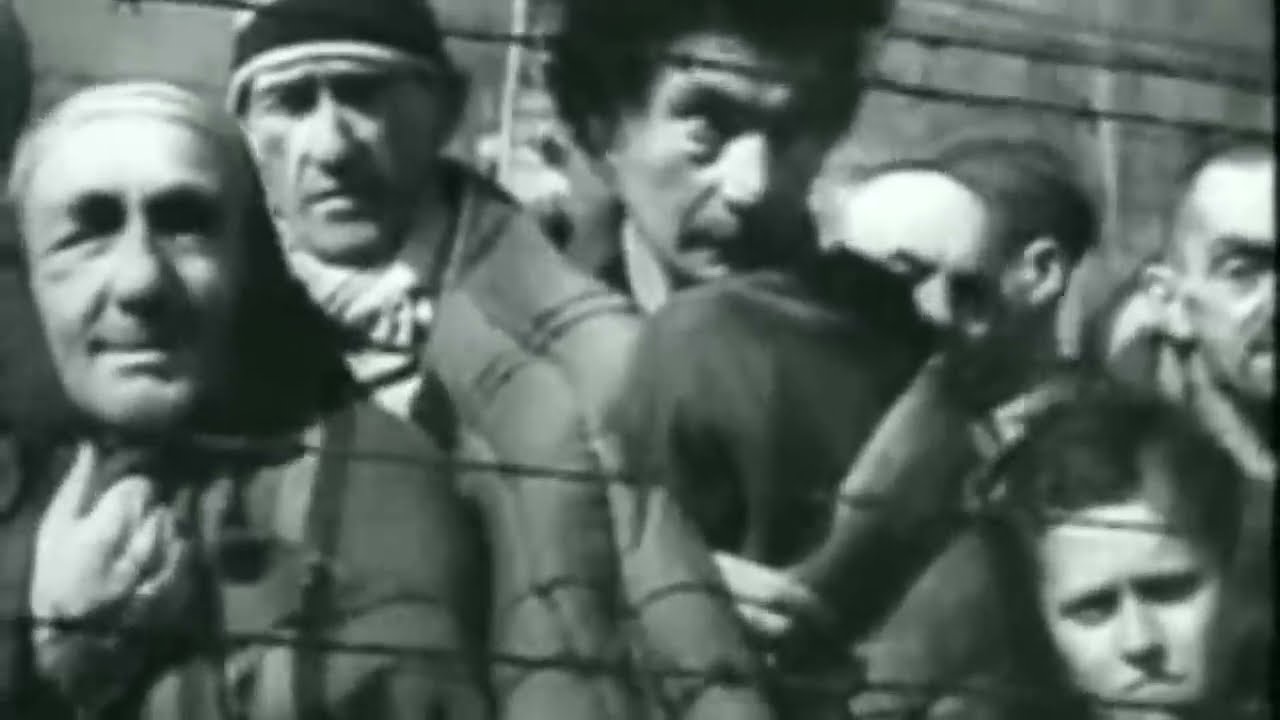 Prisoners were also flogged and bound to posts in the same courtyard. Public whippings were conducted during roll calls using heavy leather instruments, with the aim of intimidating the thousands of prisoners forced to watch. A flogging table known as “the goat” forced prisoners into a restrained position with their feet locked in a box while guards lashed them and demanded they count each stroke aloud and thank the guards for it.
Miscounting meant the punishment restarted.
Other prisoners were punished by having their hands bound behind their backs with chains attached to hooks, leaving them suspended by their wrists in restraints reminiscent of medieval practice. Minor infractions — returning for extra food, pulling gold teeth to trade for bread, stealing from kitchens, or even putting hands in pockets — could trigger severe beatings. Some prisoners, driven by desperation, stole food from pig pens.
Block 11 functioned as the camp’s Gestapo headquarters, where interrogations were conducted under torture. In the camp’s early years, prisoners assigned the harshest labor details were held there, as were numerous Polish priests. Members of the Sonderkommando — prisoners forced to burn corpses — were initially housed in the building, followed by prisoners suspected of involvement in the resistance.
Many prisoners died of starvation inside Block 11, including those sentenced to death by hunger, left in their cells to starve and decompose. The building was part of a vast camp system that claimed at least 1. 1 million lives in gas chambers and through violence committed by guards against prisoners.
 Approximately 1. 3 million people were held at Auschwitz during its operation.
Guards received intensive training in instilling terror, and notorious members of the staff such as Irma Grese and Josef Kramer committed mass killings routinely. Female guards including Grese and Johanna Bormann used dogs to intimidate prisoners and were known for killings and mutilations carried out by the animals. Guards regularly shot prisoners deemed insufficiently productive.
Rudolf Hoess, the camp’s commander, was later executed inside the camp on a gallows built specifically for that purpose, punishment for the reign of horror he imposed on the complex. But many of those who ran Block 11 and its torture apparatus never faced execution for their roles.
The building remains one of the most visited structures at the Auschwitz-Birkenau State Museum, preserved as evidence of a system in which torture was not an aberration but an administrative function. Historians describe Block 11 as the prototype for the industrialized killing that followed — the place where the Nazis first tested the gas that would define the Holocaust, and where the methods of interrogation and punishment were refined into instruments of mass terror.
For survivors, the name Block 11 carries a weight that few other locations in the camp can match. It was, as one account described it, the death wing of Auschwitz — a place no prisoner wished to enter and from which few emerged alive.