The Wild West of movies is only half the story. The real version was dirtier, more violent, and far stranger than anything Hollywood ever put on screen.
Gunslingers became sheriffs. Entire towns lived without law and order. And much of what happened never made it into school textbooks.
Every case below is documented. Together, they may change everything you thought you knew about that era.
Cowboys took a bath about once a month and considered that more than clean enough. Out on the dry plains, water did not come from a faucet, and every sip was precious. Using an entire bucket just to wash seemed wasteful.
The rule was simple. Wash your face and hands every day, and your whole body only when you had the chance. During long cattle drives, that meant going weeks without a real bath. When water was scarce, men rubbed their skin with dry sand as a kind of exfoliant.
At saloons in Tombstone, Arizona, you could rent a bathtub for 25 cents. The catch was that several customers had already bathed in the same water before you got in. Nobody complained. To them, that was already considered pretty clean.
Old West doctors used the same saw to amputate several patients in a row without ever sterilizing the blade. In field surgery back then, the idea of killing germs simply did not exist.
When alcohol was available, the tool got a quick wipe. When it was not, the doctor wiped it on his apron and kept going. Pasteur had already published the germ theory in 1861, but it took decades for that idea to reach the operating table.
The result was brutal. Most men did not die from the gunshot that brought them there. They died days later from infection. That was why the doctor cut fast. Amputating a leg in just a few minutes gave the patient a better chance of surviving than trying to save it for weeks while gangrene slowly took over.
Some saloons let you drink first and pay later, and almost nobody skipped out on the bill. Picture a mining town in the middle of nowhere where there was hardly any cash in circulation. A miner drank today and settled the tab when he sold his gold.
The owner wrote everything down in a ledger and knew by heart who owed what. It was all based on trust and a man's word, with no contract at all. The saloon was not just a place to drink. It also served as a bank, post office, employment agency, and social club all at the same counter.
Unpaid debts were extremely rare. The reason was the small community. In a town like that, anyone who did not pay what he owed got a bad name, and nobody wanted to carry that reputation.
In some parts of the Old West, a cow was worth more than a horse. Every Western movie puts the horse at the center of the story, but the reality was different. In areas where families grew crops and raised livestock at the same time, a good dairy cow was worth more than a workhorse.
A cow produced three to four gallons of milk a day. That milk provided butter, cheese, and cream for the whole family. When she died, she still provided leather, tallow, and meat for the table.
A horse ate expensive grain all year long and gave almost nothing back. A cow fed herself out in the pasture and cost next to nothing to keep. While a horse was nothing but an expense, a cow was practically a walking food factory.
Real duels almost never happened the way they do in the movies. Most of them were murders. The quick-draw showdown with two men facing each other and waiting for the signal to draw was extremely rare in real life.
In the Old West, most so-called duels happened another way. An ambush, a shot in the back, or an attack while the man was drunk or asleep. Billy the Kid killed many of his victims by surprise without any warning.
Wild Bill Hickok, one of the most feared gunslingers in the West, was shot in the back of the head while playing poker at a saloon table. There was no warning and no chance to react. The story of an honorable face-to-face duel was invented by cheap novel writers who had never seen a real shootout.
Ketchup in the Old West did not contain tomatoes. In the early 19th century, ketchup was a dark sauce made from fermented mushrooms, anchovies, or walnut shells.
The recipe came from England, which had copied a fish sauce brought over from China and Malaysia. Back then, it was used to add flavor to meats and stews, more like Worcestershire sauce than the ketchup we know today.
A cowboy who ordered ketchup at a tavern would get something dark, salty, and strongly scented with fish. Tomatoes did not enter the picture until around the 1870s and 1880s, when cooks began bottling the red version that eventually became the standard.
Cowboys slept with their horses to keep from freezing to death. Alone out on the plains at night, with temperatures dropping to nearly 30 degrees below zero, a tent with no insulation and thin blankets were not enough to keep a man warm.
The solution was straightforward. Sleep in the stable, right next to the horses. A large horse gives off a lot of body heat. Four or five of them in an enclosed space kept the air several degrees above freezing, enough to make it through the night alive.
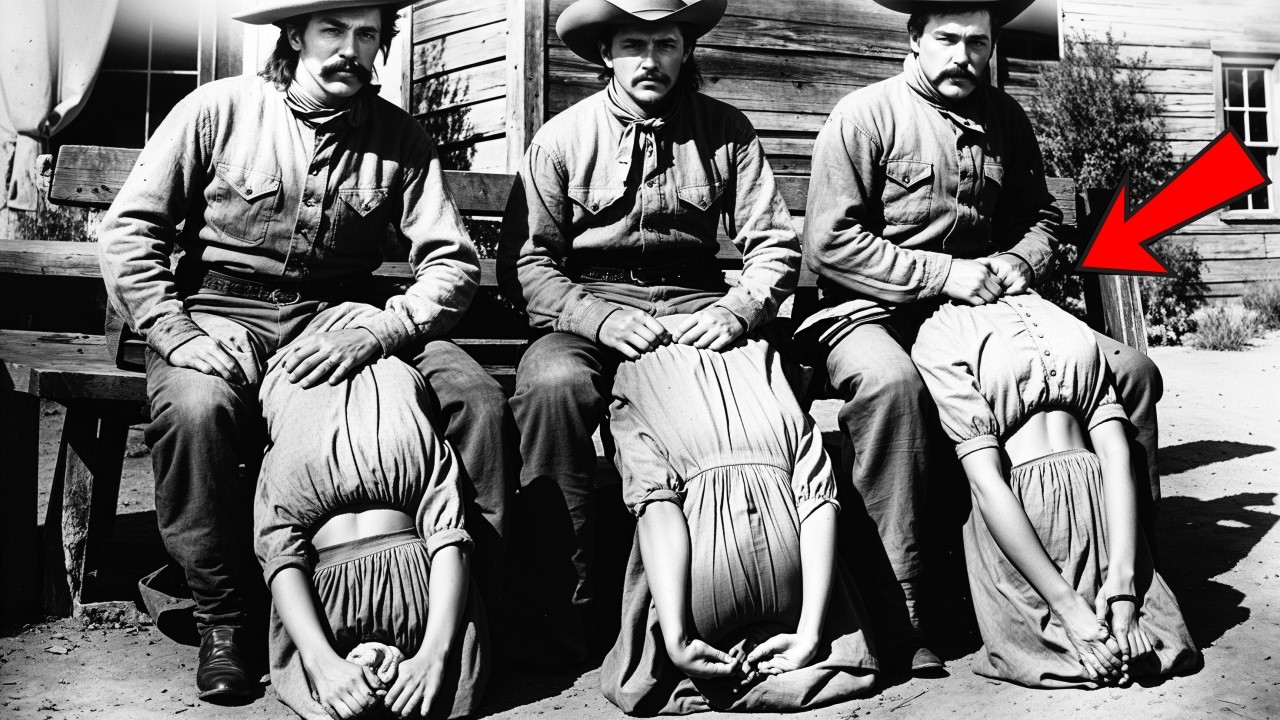
The warmth worked both ways. For men who spent weeks driving cattle through the frozen north, this became routine. It was not a matter of preference, it was pure survival. In the morning, the man woke up covered in straw and smelling like a horse, and nobody thought it was strange.
The first dentists in the Old West pulled teeth without anesthesia and were treated like heroes. Going to the dentist was almost like facing a duel. There was no needle, no injection.
The man sat down, two assistants held his arms, and the dentist clamped on the forceps and pulled as fast as he could. It was all over in seconds. Anyone who took it without making a sound earned the town's respect. Anyone who screamed got made fun of at the saloon for weeks.
Anesthesia already existed. Chloroform had been used in hospitals since 1847. The problem was that it almost never reached isolated towns in the middle of the desert. People on the frontier made do with a few strong swigs of whiskey before sitting in the chair.
One-third of cowboys were black, and that history was erased for decades. Historians estimate that between one-quarter and one-third of the cowboys who drove cattle on the great cattle drives were black men.
Many had been enslaved and headed west after the Civil War in search of work and a fresh start. Some became famous. Nat Love won rodeo competitions. Bill Pickett created bulldogging, the move of bringing down a steer by grabbing it by the horns.
Bass Reeves, a legendary US Deputy Marshal, may have inspired the Lone Ranger. But the cheap novels of the time and later Hollywood gradually erased these men from history. It was not by accident. The industry knew exactly who it was selling to.
Most Old West shootouts involved men who had never trained with a revolver. Revolvers were expensive, ammunition cost money, and almost nobody could afford to practice their aim. When things got violent, these men fired in panic, purely on instinct, without aiming at all.
That is why most of their shots missed badly. Take the famous gunfight at the OK Corral in Tombstone, Arizona in 1881. A handful of men standing just a few steps apart fired around 30 shots in 30 seconds. Three men died.
That works out to about a 50 percent hit rate, and it was considered first-rate marksmanship at the time. The legend of the gunslinger who never missed was all smoke. What determined who made it out alive was not skill with a gun. It was luck.
Women in the Old West carried guns far more often than the movies usually show. Many women ran the farm alone for weeks while the men were away on cattle drives or working far from home. Keeping a rifle or shotgun within reach was routine, not the exception.
Annie Oakley became the famous face of this story, but she was a show sharpshooter. The average frontier woman learned to shoot out of pure necessity. Records from the time show women defending themselves against intruders, thieves, and even animals. In several cases, they fired first.
The most surprising part is that they were almost never put on trial. Under the West's unwritten code, anyone who killed while defending their own home was rarely held accountable for it.
Public hangings were social events, and families even brought picnics. People left home on a Sunday, put on their best clothes, and took the children to watch a man be hanged. In the Old West, that was common.
The execution did not happen hidden away inside a jail. It took place in the middle of the town square in front of everyone. Street vendors walked around selling food and drinks as if it were a fair. Crowds of hundreds, sometimes thousands, gathered to watch.
Photos from the time show well-dressed families posing as if for a church portrait. Nobody thought it was morbid. It was proof that the law worked, that crime had consequences. But many of those who climbed that scaffold never had a real trial.
On settler wagon trains, more people died from accidents than from Native American attacks. The movie scene with a circle of wagons surrounded by flying arrows is almost entirely made up.
The pioneers' own diaries tell a different story. On the Oregon Trail, the biggest killer was cholera, a disease that could kill a man within hours. Next came drownings during river crossings, accidental gunshots, and people falling beneath wagon wheels.
Attacks did happen, but they were rare compared with the diseases and everyday accidents. The image of Native Americans constantly attacking came from cheap novels sold for a few cents on street corners. Real life on the trail had little to do with arrows and everything to do with surviving the journey itself.
Gold rush prospectors often lived less than five years. In 1849, news of gold in California spread across the entire country. Within two years, 300,000 people dropped everything and headed west in search of fortune.
What they found was a different story. Cold, mud, backbreaking work from sunrise to sunset, bad food, and contaminated water. Cholera, dysentery, and scurvy swept through the camps. Fewer than one in every hundred actually got rich.
The people who made a fortune were the ones selling shovels, pickaxes, food, and clothing to the prospectors. Levi Strauss built an empire selling durable pants. Samuel Brannan became a millionaire selling mining supplies. The man digging in the freezing river almost never saw any real money.
Prices in mining towns were so high they felt like highway robbery. In San Francisco during the gold rush, things got completely out of control. Everyone quit their jobs to dig for gold, so there was hardly anyone left to grow food or cook, and the little that did arrive cost a fortune.

A single egg cost one dollar, about 35 dollars in today's money. A patched-up boot went for 100 dollars, nearly 3,500 today. Even washing a shirt became a luxury at eight dollars per item.
Things got so out of hand that many miners shipped their dirty clothes all the way to Hawaii to be washed. Sending them across the ocean was cheaper than paying a local laundry. Whoever controlled the price of bread, boots, and needles made more money than the man kneeling in the river panning for nuggets.
The ghost towns of the Old West did not die out slowly. They disappeared in a matter of days. A mine produced gold, and a town sprang up out of nowhere. When the mine ran dry, everyone was gone before the weekend.
Bodie, California, is the best-known example. In 1879, it had around 10,000 residents, along with a saloon, a bank, and its own newspaper. Three years later, it was practically empty. Nobody said goodbye, and nobody sold their house. People took whatever fit in the wagon and followed the next rumor of gold.
What they left behind tells the story on its own. Furniture still in place, plates on the table, and clothes hanging in the closet, as if the family might come back at any moment. Today, Bodie is a historic park, preserved in what Americans call arrested decay. Nothing is restored, and nothing is torn down.
The law and crime were often the same man, just at different stages of his life. Wyatt Earp was a marshal, but he was also a professional gambler with ties to saloons and brothels. When he was young, he was arrested for horse theft before becoming an officer of the law.
His brother Virgil wore a badge and ran a saloon at the same time. Pat Garrett became a legend for killing Billy the Kid and ended his life buried in debt and land disputes, shot to death in a case that remains full of questions. John Slaughter became sheriff of Cochise County after years as a rancher who settled land disputes with gunfire.
The line between lawman and outlaw was not based on a man's character, but on the position he held at that moment. The same man crossed from one side to the other whenever it suited him.
The Colorado River had steamboats, and many of them exploded. Between 1850 and 1870, steamboats traveled up the Colorado River, leaving Yuma and heading toward the Grand Canyon region. They were the only way to carry supplies to the mines in Arizona and Nevada.
The problem was the boilers, primitive technology that would burst when the pressure got too high, and it happened all the time. When a boiler exploded, it could kill everyone on board within seconds. In the rapids, pilots misread the water and crashed into rocks. Shipwrecks became almost routine.
The upper limit of navigation was near Black Canyon. The most incredible part is that passengers boarded knowing all of this and accepted it as a normal part of the trip. It was more or less like getting on a plane today with no navigation instruments and hoping everything worked out.
The cowboy was a seasonal worker who went without income for half the year. A real cowboy only had guaranteed work in the spring and summer, when cattle were driven along the long trails to markets in the north. Once the season ended, so did the paycheck.
For the rest of the year, he ended up in town and tried to stretch his summer earnings, but the money almost always disappeared within a few weeks spent on cards, whiskey, and saloons. Few managed to save anything.
During the season, they worked up to 16 hours a day on horseback under the sun, surrounded by dust and real danger. The romantic idea of a free man riding across the plains hid a brutal routine and an uncertain future, tied to a season that always came to an end.
The Winchester 1873 fired faster than any revolver of its time. While the gunslinger was drawing his six-shooter, the man with a Winchester 1873 already had 15 rounds ready to fire one after another without stopping to reload.
This repeating rifle changed the rules of the game. In a medium-range shootout, it had a clear advantage. It was no accident that this rifle earned the nickname the gun that won the West. The revolver only had the advantage at very close range.
Anyone who knew how to handle a rifle had the upper hand, and that was a matter of survival, not courage. The curious thing is that the pistol ended up becoming the great symbol of the Old West, featured on posters and in movies. But the weapon that really decided who made it home alive was the rifle hanging from the saddle.
The whiskey served at the old saloon could leave you blind or even kill you. There were no laws controlling what went into the bottle. To save money, many bar owners mixed cheap industrial alcohol with tobacco, which added color and bitterness, and pepper to fake that burning sensation in the throat.
In some places, they even added small amounts of poisonous substances to give the drink an extra kick. The nickname said it all. They called it rotgut, something that would tear up your insides. People drinking it almost never knew what they were swallowing and trusted only the taste.
The price could be steep. Temporary blindness, permanent blindness, and even deaths from poisoning were common enough to appear in medical records from the time. At the saloon counter, every sip was a gamble with your own life.
Old West outlaws had real fans and even sent them photos. Long before Instagram, names like Jesse James, Butch Cassidy, and Billy the Kid were already genuinely famous. People followed every robbery the way they follow a soap opera.
Jesse James even wrote letters to newspapers explaining his crimes, claiming they were a form of protest. People read them, talked about them, and even picked sides. Newspapers released the stories in installments, week after week, just to sell more copies.
Billy the Kid posed for a photograph, and the only image confirmed to be authentic sold for 2.3 million dollars in 2011. In the end, it was not all that different from what we see on social media today. Ordinary people becoming legends, except instead of a phone, there were old newspapers and wanted posters nailed to the wall.
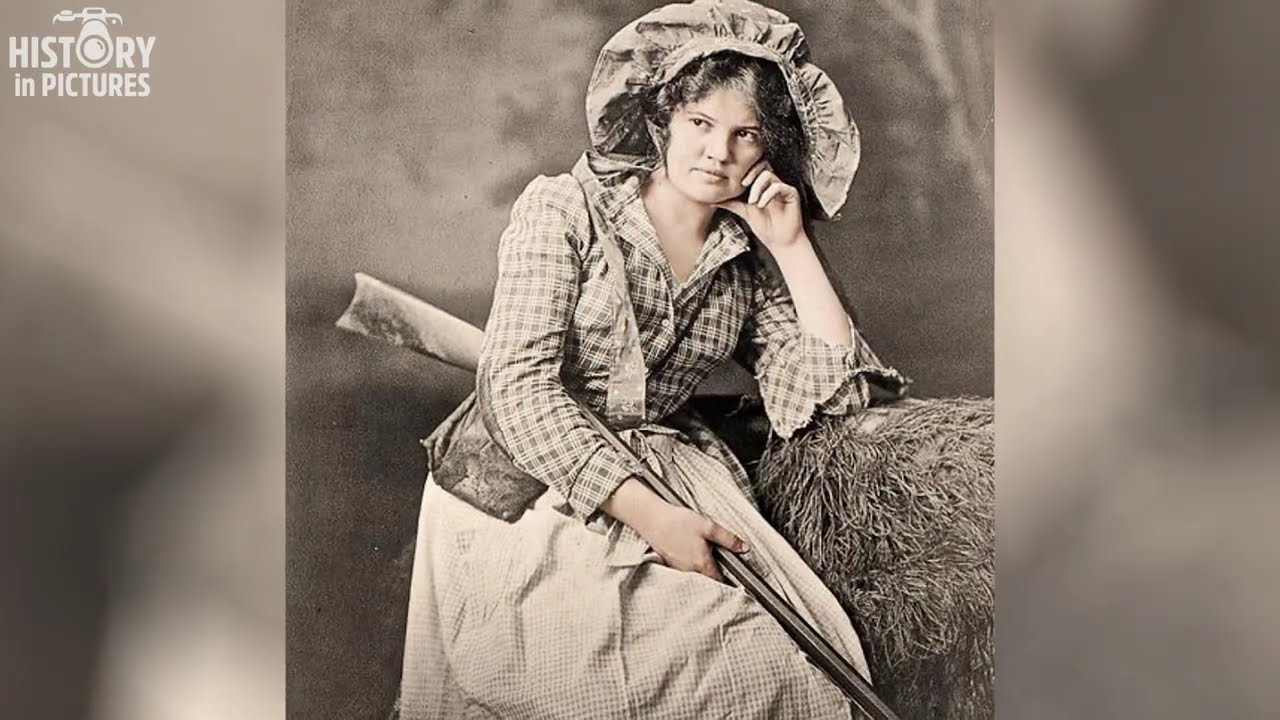
Most trials in the Old West lasted less than an hour. A man could be accused of cattle theft in the morning and have his fate sealed before lunch. The judge did not even live in town. He traveled by wagon across a huge territory, stopping in each small town.
He arrived early, handled about 15 cases in a single day, and moved on to the next one. Almost nobody had a defense attorney. The accused had to defend himself in front of everyone. The jury was made up of whatever men happened to be out on the street that day.
The witnesses spoke for five minutes. The jury met for half an hour, and that was it. What decided everything was not the evidence presented. It was your reputation in town. If people already disliked you before you even walked in, the verdict was almost always decided in advance.
One man fought the United States Army for three years and was never defeated. Billy Bowlegs, whose Seminole name was Halpatter Micco, led the Third Seminole War between 1855 and 1858 in the swamps of Florida.
While the army sent troops to hunt him through the Everglades, he and his warriors attacked and disappeared into the wilderness. Trained soldiers with tracking dogs could not catch him. Bowlegs was never captured.
In 1858, the US government itself offered him money to leave. Ten thousand dollars for him, one thousand for each chief, and payments for his people. After turning it down once, he accepted and went with his people to the Oklahoma territory. The army did not defeat this man, it paid him to leave.
The saloon was the town bank, and often more trustworthy than a real bank. In small towns that did not even have a bank, the saloon owner looked after everyone's money. He kept the safe in the back, and the storage fee was simple: a few free drinks.
He wrote everything down in a ledger and knew everyone by name. He had every reason to be honest, since he spent 16 hours a day behind the counter and his reputation was worth more than the gold.
Meanwhile, real banks went under, got robbed, or the banker ran off with everyone's money. In several documented cases, the saloon was the safest place in the entire town.
Cowboys sang to the cattle at night, and it was not romantic, it was science. In the late 19th century, during long cattle drives along the trails of the West, any unfamiliar sound could spook hundreds of animals at once. When that happened, the herd would take off in a blind stampede capable of crushing any man in its path.
Cowboys found a simple way to prevent the worst. Keep their voices going all night long. The cattle learned that as long as they heard that steady calm sound, there were no predators nearby. Sudden silence was the real sign of danger.
It did not matter whether the man had a beautiful voice or sounded like a squeaky old door. The cattle did not care about the melody. They only needed to know that the man was still there, watching over them and standing guard until sunrise.
Cholera on the Oregon Trail could wipe out half a group within days. Between 1849 and 1855, the Vibrio cholerae bacterium was hiding in the dirty water these people drank along the way. There was no medicine and no doctor.
A strong man in the morning could be in the grave by nightfall. The fear was so great that bodies were buried in a hurry, often without a single marker on the grave. Along certain stretches, travelers reported seeing graves almost every step of the way.
Historians estimate that the disease killed thousands of pioneers in those few years, perhaps tens of thousands. It was not attacks, wild animals, or hunger that killed the most people on that trail. It was the very water they trusted to keep them alive until they reached the other side.
Cowboys earned less than factory workers. In 1880, a cowboy earned between 25 and 50 dollars a month. That same year, a factory worker in Chicago made between 30 and 50 dollars.
The difference did not end there. Cowboys went about six months a year without work, since handling cattle was seasonal labor. When they were employed, they worked up to 16 hours a day under the sun, rain, and dust.
When you divide the pay by the hours worked, they were among the lowest-paid workers in the United States in the 19th century. The reputation for freedom hid a harsh routine. A lot of work, little money, and no guarantee of what the next day would bring.
The coyote was sacred to many tribes, and the government paid to exterminate it. For decades, the government spent money to kill an animal that entire tribes considered sacred.
The US Biological Survey, which later became the Fish and Wildlife Service, led mass poisoning campaigns between 1900 and 1970. Millions of coyotes were killed with thallium cyanide in traps spread across the country.
For many indigenous peoples, the coyote was not a pest. It was a spiritual figure present in their oldest stories and beliefs. Every animal killed was not just a loss to nature. It was a piece of their culture being erased. The program remained funded by Washington for years until it was finally scaled back.
The Old West did not end with a shootout. It ended with a man reading a paper at a conference. In 1893, historian Frederick Jackson Turner stepped onto a stage at the Chicago World's Fair and presented an essay that changed everything.
He explained that the 1890 census had already recorded a fact no one had stopped to think about. There was no longer a continuous frontier line in the United States. The entire territory had already been settled or mapped.
That idea of lawless land, of open space waiting to be conquered, had ended three years earlier and no one had noticed. There was no final battle, no last outlaw arrested, and no last sheriff hanging up his badge.
The official end of the Old West was declared by a college professor looking back and saying that world had simply ceased to exist. The frontier was not closed with gunpowder. It was closed with census data and an academic lecture.