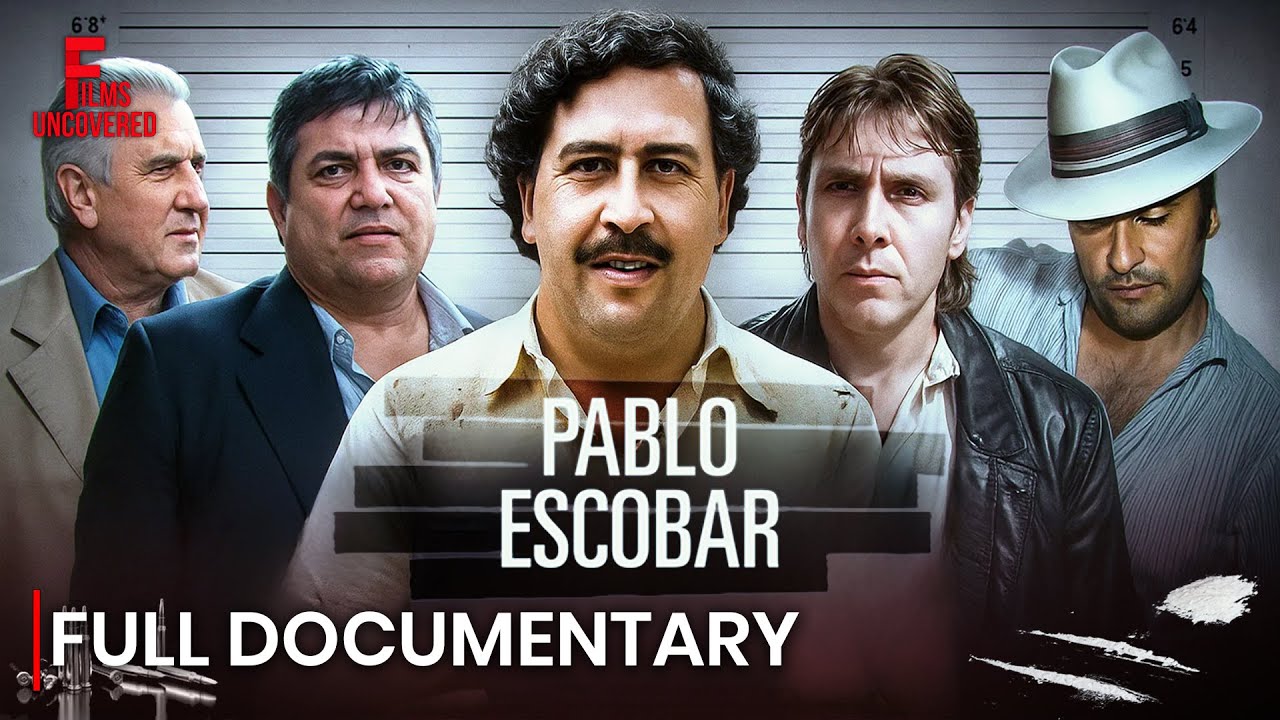
Pablo Escobar remains one of the most notorious figures in modern history. He was a man of immense power, wealth, and brutality who controlled the world's cocaine supply in the 1980s.
As leader of the Medellín cartel, his life blended crime, politics, and philanthropy. That combination made him both a feared and revered figure in Colombia.
His legacy extends beyond violence and crime. It also includes a profound influence on the drug trade and the sociopolitical landscape of Colombia.
Before he became the world's most powerful drug lord, Escobar stole gravestones from cemeteries and sold fake lottery tickets. Even as a teenager, he was already planning something much bigger.
Pablo Emilio Escobar Gaviria was born on December 1, 1949, in Rionegro, Antioquia, Colombia. He grew up in the bustling city of Medellín.
His father, Abel de Jesús Dari Escobar, worked as a farmer. His mother, Hermilda Gaviria, was a dedicated school teacher.
Despite their modest means, Pablo harbored grand ambitions of power and wealth from a young age. His early childhood was spent in rural settings before the family moved to Medellín.
There, he became exposed to the socioeconomic disparities that defined Colombian society. Those experiences helped shape his mindset.
He came to believe that wealth and influence were the ultimate keys to success, regardless of the methods used to achieve them.
Escobar was one of several siblings, with Roberto Escobar being the most well-known among them. Roberto would later become his accountant and a key figure in the cartel's operations.
From an early age, Pablo showed an uncanny ability to manipulate, negotiate, and hustle. He began engaging in minor crimes during his teenage years, from selling fake lottery tickets to stealing gravestones and reselling them.
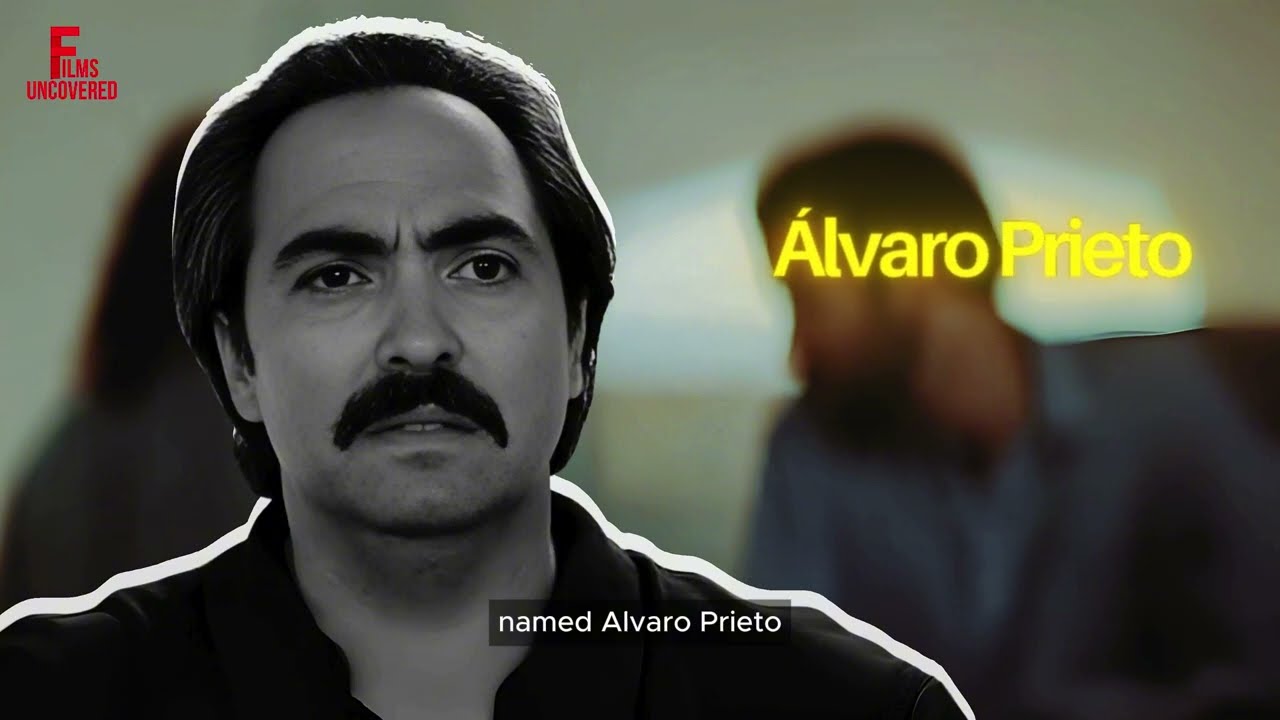
One of his early influences was a local smuggler named Álvaro Prieto, who introduced Escobar to black market dealings and contraband smuggling. That exposure played a pivotal role in shaping the criminal mastermind he would become.
Escobar enrolled at the Universidad Autónoma Latinoamericana in Medellín, where he studied political science but never completed his degree. Though he had aspirations of becoming a politician or businessman, his academic journey was short-lived.
He was more interested in gaining wealth through illicit means. He preferred the street education that came from dealing with smugglers, criminals, and corrupt officials.
By the late 1960s and early 1970s, Escobar had already begun his criminal activities in Medellín. Initially, he was involved in car theft rings and small-scale smuggling.
He would steal luxury cars, modify them, and resell them for profit. One of his first major crimes, however, was the kidnapping of a wealthy businessman, Diego Echavarría, for ransom.
That act brought him a significant sum of money and gained him notoriety in the underworld. The ransom money provided the initial capital for his deeper venture into organized crime, particularly drug trafficking.
In the early 1970s, Escobar transitioned from petty crimes to the more lucrative drug trade. He initially dealt with marijuana smuggling but soon realized that cocaine had much higher demand and profitability.
At the time, cocaine was still relatively new in the international market, but demand was rising rapidly in the United States. Seizing the opportunity, Escobar and his associates began refining, transporting, and distributing cocaine on a massive scale.
His first major partners in crime were Carlos Lehder, a fellow smuggler with ambitions of his own, and José Gonzalo Rodríguez Gacha, also known as El Mexicano. He also worked with the Ochoa brothers, Jorge Luis, Fabio, and Juan David.
Together they formed the Medellín cartel, an organization that would go on to dominate the cocaine industry globally. Escobar was instrumental in establishing cocaine production labs in Colombia and setting up smuggling routes to the United States via the Caribbean and Mexico.
By the mid-1970s, his empire was already taking shape and his network was expanding rapidly.
By the 1980s, the Medellín cartel had become the dominant force in the global cocaine trade, controlling up to 80 percent of the world's supply. Escobar had established a complex and highly efficient smuggling network that transported cocaine from Colombia to various international markets.
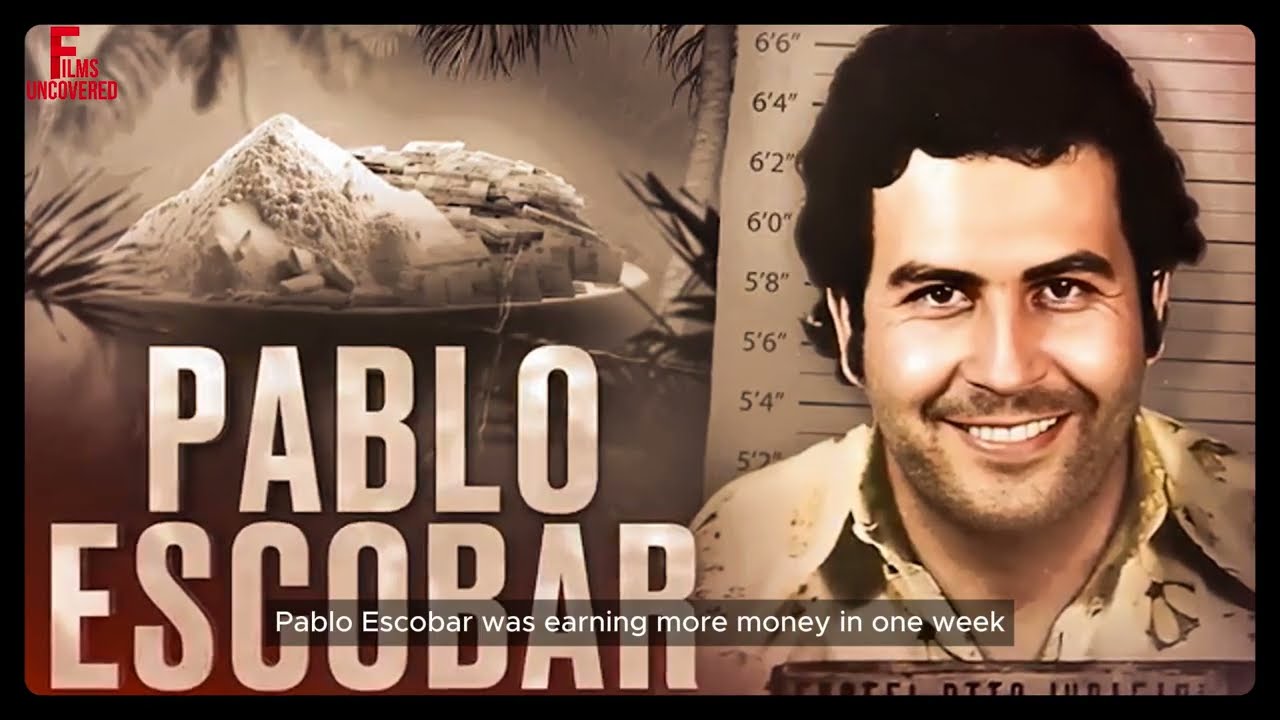
At the peak of his operations, Escobar was reportedly earning more than $420 million per week, making him one of the richest men in the world. His wealth became so vast that he spent $1,000 monthly just on rubber bands to hold his cash together.
Escobar used various transportation methods to smuggle cocaine across international borders. He purchased fleets of aircraft, including small Cessna planes and larger models such as the Learjet 23, which were used to fly cocaine shipments directly into the United States.
To evade radar detection, he also invested in semi-submersible submarines, which were used to transport large quantities of cocaine into Florida and other coastal regions. Trucks and cars were another favored method, with cartel members modifying fuel tanks and other compartments to conceal drugs.
Escobar also leveraged commercial airlines by bribing airline employees to transport cocaine hidden in cargo and luggage compartments. Beyond land, air, and sea transportation, he utilized secret airstrips in the jungles of Colombia and private islands in the Caribbean to temporarily store and transfer shipments.
His smuggling empire was so well coordinated that he once sent an entire shipment of cocaine disguised as concrete for construction purposes. His ability to adapt and innovate in transportation methods allowed him to stay ahead of authorities for years.
Despite being a ruthless criminal, Escobar sought to present himself as a man of the people. He strategically used his wealth to gain public favor, funding various social projects that benefited Colombia's lower-class communities.
He built entire neighborhoods such as Medellín Sin Tugurios, providing housing for thousands of impoverished families. He also financed the construction of sports facilities, believing that engaging youth in sports could keep them away from crime.
He donated large sums to hospitals, schools, and churches, further cementing his status as a benefactor among the people. His philanthropic efforts were not purely altruistic, however. They were part of his larger strategy to secure political power.
In the early 1980s, he successfully ran for a seat in Colombia's Congress as a substitute legislator. His entry into politics gave him direct influence over government affairs and allowed him to protect his cartel's interests.
His political ambitions also made him many enemies, including Colombia's elite and the United States government. Washington saw him as a major threat due to his control over the global cocaine market.
In 1991, after intense pressure from the Colombian and U.S. governments, Escobar agreed to surrender under one condition: he would be allowed to build his own prison, known as La Catedral.
The prison, rather than being a place of punishment, was a luxurious fortress that allowed Escobar to continue running his drug empire with little interference. The facility included a nightclub, a soccer field, a fully stocked bar, a jacuzzi, and even a waterfall.
He received visitors regularly, including cartel members, prostitutes, and corrupt officials who helped him maintain his influence. When Colombian authorities attempted to move Escobar to a more secure facility in 1992, he orchestrated a daring escape.
With the help of his most trusted allies, he bribed guards and used secret tunnels to flee into the mountains surrounding Medellín. His escape sparked one of the largest manhunts in history, with Colombian and U.S. authorities relentlessly pursuing him.
In July 1992, the most powerful drug lord in history vanished into the mountains of Medellín. He left behind his luxury prison fortress and triggered what would become the most expensive manhunt in history.
Escobar had transformed from a small-time criminal stealing gravestones to the undisputed king of cocaine, controlling 80 percent of the world's supply and earning $420 million every week. He had built an empire through violence, corruption, and cunning, becoming both the most feared and, paradoxically, the most beloved figure in Colombia.
But his escape from La Catedral marked the beginning of the end. The man who once seemed untouchable was now a fugitive hunted by Colombian police, the DEA, the CIA, and even his former allies.
The final chapter of his life would include the formation of Los Pepes, a vigilante group, and the dramatic rooftop shootout that would finally bring down the king of cocaine. The hunt for Pablo Escobar was about to reach its explosive conclusion.