Vincent “Chin” Gigante would eventually be remembered as the powerful boss of the Genovese crime family, commanding hundreds of made men with the power of life and death. But in the 1950s, long before he sat at the top, the future Mafia boss was a young hustler finding creative ways to make money. His early career, as detailed in FBI files, reveals a man deeply involved in everything from car theft to fireworks distribution, long before he became one of the most feared figures in New York City organized crime. During his youth, Gigante was a boxer, fighting under the ring name “Billy Chin.
” An FBI file confirms that in his early days, he was known to be a member of the Thompson Street gang in New York City. This street-level experience served as his initial foray into the criminal underworld, setting the stage for a life of more serious crimes. By 1952, at just 24 years old, Gigante had already graduated to more lucrative and risky ventures, reportedly participating in a car theft ring that operated out of Greenwich Village. The operation involved stealing late-model Cadillacs and selling them in other states using New York registrations, with Gigante allegedly working alongside a man named Dominic “Fat Dom” Alongi, who would later become a close associate as they both rose through the ranks of the Genovese family.
While authorities suspected Gigante and Alongi’s involvement, they could never make the charges stick. Except for two cars recovered in Newark, New Jersey, no stolen vehicles were found to substantiate the claims, and the investigation ultimately failed to produce enough evidence for a conviction. The FBI noted that despite suspicions, they could not tie the pair to the car theft ring. While the car theft ring was a significant early operation, Gigante was also branching out into other ventures.
An FBI file from December 1957 indicated that he was running an after-hours club on Sullivan Street in Manhattan, a common side hustle for mobsters of the era. The same year, law enforcement began to take note of his ambitious moves. An FBI report from October 20, 1958, detailed that Gigante was a close associate of Vito Genovese and was attempting to move into the Lower East Side of New York City to operate a business there, signaling his rapid ascent and his willingness to expand his territory. That same year, 1958, Gigante was allegedly involved in a truck hijacking scheme.
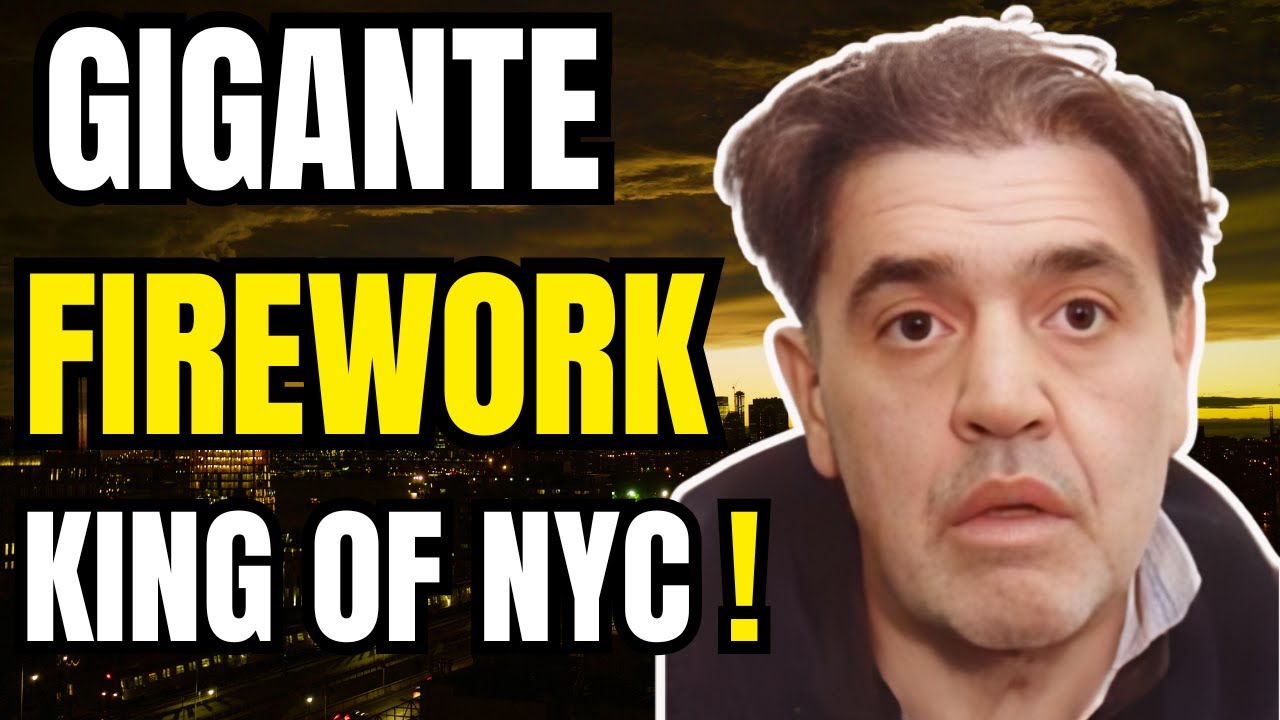
According to the FBI, he may have been a senior figure in the operation, as he personally purchased a warehouse in North Bergen, New Jersey, to serve as a drop for the stolen trucks and their cargo. The scale of this operation was impressive. An FBI report from October 30, 1958, suggested that Gigante’s control over this racket was so complete that it prevented other crime families from getting a foothold in the market. He was, in effect, becoming the sole distributor of fireworks in New York City, a monopoly that highlighted his growing influence.
The FBI’s files on Gigante also paint a picture of a man diversifying his criminal portfolio. In 1959, he reportedly owned a cigarette vending machine company, and all the bars and nightclubs in Greenwich Village were forced to use his services. An FBI report noted that Vincent Gigante owned and operated the Try and Vending Company on Thompson Street, and that all bars and clubs in the area got their cigarettes and recording machines from his company. This control over local businesses was a classic mob tactic, ensuring a steady stream of income and solidifying his power base.
As the 1960s dawned, Gigante’s reputation continued to grow, and he became known for his willingness to use violence to maintain order and settle disputes. One of his most famous efforts, which FBI files detail, was an attempt on the life of Frank Costello, which served as a warning for Costello’s opposition to members of the organization. Despite his notoriety, Gigante was not promoted to the rank of captain upon his release from prison in October 1964. Contrary to some books and documentaries, he remained a soldier throughout the 1960s, a testament to the careful, patient rise that would eventually lead him to the top of the Genovese family.
Gigante’s early career was a masterclass in criminal enterprise, demonstrating that his eventual power was built on years of diverse and ruthless money-making schemes, a legacy of crime that would define his life and the history of New York’s underworld.