The frontier-era gunslinger, a figure deeply embedded in American mythology, did not vanish in a single dramatic showdown. Instead, historians argue that the era of the armed cowboy and outlaw was a brief, concentrated burst of violence that peaked after the Civil War and then steadily faded, long before the new century arrived. The peak period of frontier violence is generally placed between 1865 and 1890. This coincided with the cattle-town boom, gold rushes, and a wave of young men, many carrying the psychological weight of the Civil War, heading west.
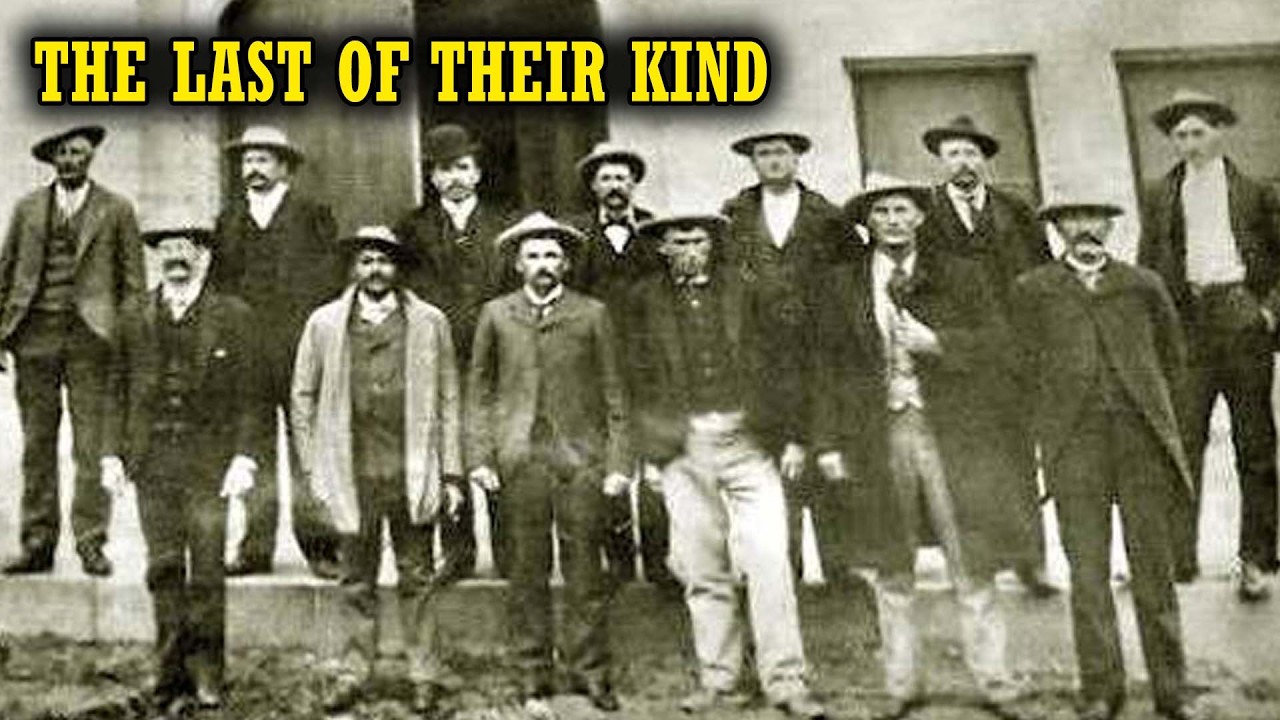
Cheap six-shooters were widely available, and exposure to war’s conflict had made many less cautious about danger. Towns like Dodge City, Kansas, and Tombstone, Arizona Territory, built enduring reputations during this time. Yet, even then, the historical record tells a more measured story. Crime data indicates that even a notorious cattle town like Dodge City recorded only a handful of homicides annually during its rowdiest seasons.
The trouble was real but localized, tied to specific places like saloons and gambling halls, and a narrow demographic of transient young men. By the late 1890s, conditions had changed drastically. The real turning point was not a famous gunfight but an administrative one. In 1890, the U.
S. Census Bureau declared the frontier line was no longer a tangible line of unsettled land. The West was, officially, no longer open. With the open range gone, the old patterns vanished as well.
Newspapers from that era, such as the Dodge City Times and the Tombstone Epitaph, clearly reflect this change. Headlines shifted away from dramatic showdowns toward local governance, municipal ordinances, infrastructure, and tax matters. Local governments imposed increasing restrictions on carrying firearms within town limits. By 1901, the possibility of a local lawman stopping a man wearing a visible pistol on a main street in a place like El Paso or Wichita was greater than the chance of a gunfight.
The expansion of law enforcement and county administrative boundaries steadily shrank the spaces where chaos had once thrived. This shift reflected a cultural and generational change all at once. The individuals associated with the most turbulent decades of the 1870s and 1880s had either died, been imprisoned, or aged into a world that no longer accommodated their old lifestyle. The homicide rates in former frontier hubs eventually fell to levels comparable to or lower than those in established eastern cities.
By the turn of the twentieth century, the western gunman had become largely symbolic, a figure of the past rather than the present. The violence did not completely disappear, but its nature changed. It became isolated and episodic rather than central to the westward expansion. The historical data supports this narrative clearly.
[… ] Newspapers like the Dodge City Times and the Tombstone Epitaph from this period show a distinct shift in coverage away from gunfights and toward civic matters like road maintenance and tax levies. By the 1890s, many of the most famous gunmen had died or moved on, and the remaining ones often found work in Wild West shows, reenacting a lifestyle that was already disappearing. This symbolized the end of an era, turning a harsh reality into a nostalgic performance for eastern audiences.
The closure of the frontier was official, but the cultural shift was gradual, a slow fade into history rather than a sudden cut.