In the summer of 1975, on a quiet cul-de-sac of tract homes in Arizona, a man stepped out of his house and into his driveway. He was of medium height with dark hair receding at the temples, wearing a short-sleeved shirt and work trousers. He had lived there for two years, a model neighbor who never mentioned Chicago. He opened his car door, settled behind the wheel, and turned the key in the ignition.
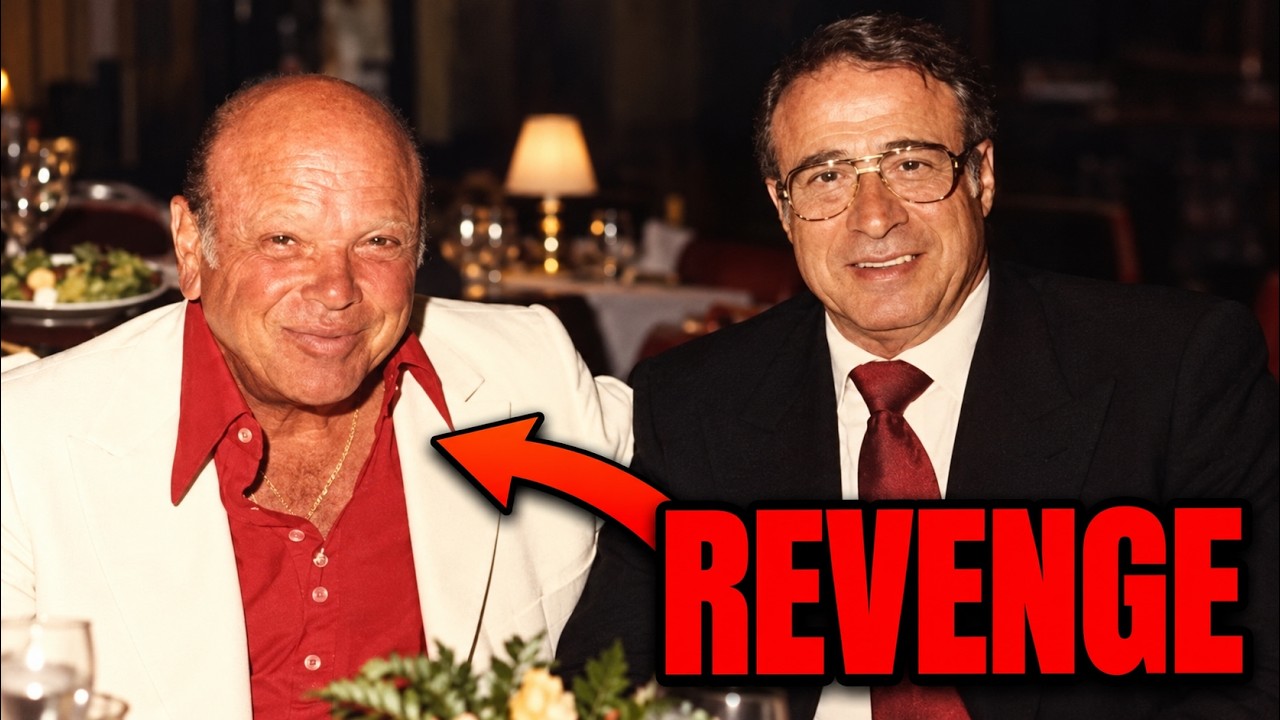
His wife, still inside, heard the blast and ran to the front door. The man inside was dead. The story of Louis Bombacino rarely appears in popular histories of the Chicago Outfit. When it does, it is a cautionary footnote about the mob’s gambling empire.
The version that hardened into the record is told as if the outcome were obvious and deserved, a lesson about the cost of disloyalty. What that version leaves out is the machinery that made his death possible, the specific failure of the federal government to keep its promise, and the long reach of a man named John Cerrone, known as Jackie the Lackey. His name surfaces only in court transcripts and yellowed newspaper columns. This is the story of a man who did exactly what the government asked and a government that could not protect him from the consequences.
The real story is worse, not because the killing was brutal, but because it was inevitable. In the mid-1960s, the Chicago Outfit controlled a vast bookmaking network that processed millions of dollars in bets on horse races and professional sports. Street-level bookmakers like Louis Bombacino collected cash from bettors and kept a percentage. The operation was interstate, routinely using telephone lines to lay off large wagers to other cities, which brought it under the Federal Wire Act.
Bombacino was not a made member of the Outfit; he was an associate, a working man who had drifted into the bookmaking trade in his 20s and proved reliable with numbers. He knew the operation’s structure intimately because he had handled the money and listened to the conversations. When he was arrested on an unrelated robbery charge in 1965, he carried that knowledge into a cell in the Cook County Jail and decided to trade it. Louis Bombacino was born in Chicago in 1932, the son of Italian immigrants.
He married young, had children, and worked a series of blue-collar jobs before gravitating toward bookmaking. He had no serious criminal record before the robbery charge that upended his life. He earned the nickname “Bombacino” because he served as a chauffeur and errand boy for a capo, a title he never shook even as he rose to become a trusted man in the operation. Though he was never convicted of a killing, he managed enforcement for the gambling operation and reported directly to Fiori “Doves” Buccieri.
The details of the holdup are not central to this story, but the stakes were. He faced a sentence of 10 to 20 years in state prison. While awaiting trial in the Cook County Jail, he made a decision that would alter the course of his life and the lives of a dozen Outfit figures. A live cooperator from inside the gambling operation was a rare opportunity.
The federal government promised him a new identity, a new location, and a new life in exchange for his testimony. In 1970, he testified against the leadership of the Chicago Outfit, including the head of the gambling operation, John Cerrone, and several of his associates. The trial resulted in guilty verdicts against all five defendants. Each was sentenced to five years in federal prison and ordered to pay fines.
After the trial, Bombacino and his family were placed in the federal witness protection program. They were given new identities and relocated. But the promise of protection was a contract written in disappearing ink. In 1973, Bombacino was released from custody after serving his time for the robbery, and the government moved him and his family to Arizona.
He was given a new name and a new life, but the Outfit’s memory was long. The gambling operation that he helped dismantle had a national network of associates who still had ties to the underworld. On the morning of October 6, 1975, Bombacino followed the same routine he had kept for two years. He rose before 7, had coffee with his wife, and prepared to leave for his shift at a warehouse.
The house with its desert landscaping and gravel yard looked like any other on the block. His wife, still inside, heard the explosion and ran outside to find the car engulfed in flames. The bomb had been wired to the ignition. The blast killed him instantly.
Investigators quickly focused on two men with Outfit connections, Paul Schiro and Tony Amadio. Both were known associates with a history of violence. Investigators believe the two had traveled to Arizona specifically to carry out the hit and that the order had come from John Cerrone. The case remained open for years, then went cold.
The men Bombacino helped convict served their sentences and returned to the Outfit. Joseph Ferola, who had been a relatively junior defendant in the gambling case, rose to become the boss of the Outfit after Buccieri’s imprisonment. He never cooperated with the government, never acknowledged the murder of Bombacino, and never faced a charge for it. James Cerrone and Frank Aureli served their time and faded from public view.
Fiori Buccieri, the co-architect of the gambling operation, had died of natural causes in 1973, months before Cerrone’s release. Paul Schiro and Tony Amadio, the prime suspects in the bombing, were never charged with that crime. The wife and children of Louis Bombacino were relocated once more after the bombing and disappeared into the program. Their names and fates are not part of the public record.
The only monument to Louis Bombacino is a sheaf of bureau documents and the transcript of a trial that for a few months in 1970 had promised to break the Outfit’s grip on gambling. The promise the federal government makes to a cooperating witness is absolute in its language: a new identity, a new location, a new life. Two thousand kilometers of highway and five years of silence were not enough to protect him from the memory of the Chicago Outfit. The bomb that killed him did not just destroy a car; it shattered the compact between the state and the men it asks to betray their former lives.
That was not enough. It still is not.