Lower Manhattan, September 21, 1961. Aniello "Neil" Dellacroce was eating inside Luna Restaurant when a group of men connected to the Gallo crew came for him.
Dellacroce was not an easy target. He was a captain in Carlo Gambino's crime family, a feared figure in Little Italy, and a man who would later become one of the most powerful underbosses in America.
Under Mafia rules, striking a made man from another family could bring a death sentence. Attacking a captain could start a war.
But the Gallo men did not stop after one punch. A government account said they beat and kicked Dellacroce so severely that he might have been killed if soldiers from the Genovese family had not intervened.
Yet the most astonishing part came after the attackers walked away. Carlo Gambino did not order them killed. Dellacroce did not immediately answer the humiliation with the revenge his reputation seemed to demand.
The future mentor of John Gotti had been left badly injured in a public restaurant, and the Mafia's most powerful boss allowed the insult to stand.
Why? Because Dellacroce had entered a war that was not his to enter. And by the Mafia's own logic, the beating may have been the punishment for breaking a rule that power alone could not erase.
The Luna Restaurant incident is often reduced to a dramatic line about Crazy Joe Gallo punching Neil Dellacroce. The surviving record is more complicated.
A 1972 New York Times report said Joseph Gallo found Dellacroce in Little Italy and punched him in the eye. A federal chronology described a severe group assault at Luna Restaurant.
A public crime hearing later identified Gallo associate Larry "Big Lollipop" Caruana as the man who had severely beaten Dellacroce. Those versions agree on the essential event.
Dellacroce was attacked by the Gallo faction. They disagree about precisely who struck each blow and how many men participated.
That uncertainty matters because the incident was not a private fistfight between two famous mobsters. It was a collision between two Mafia families during one of New York's most dangerous internal rebellions. And Dellacroce had placed himself directly in its path.
In 1961, he was not yet the Gambino underboss. That promotion would come several years later. He was a captain with a reputation that already reached far beyond his rank.
Born in New York City in 1914, Dellacroce came from an Italian immigrant family and grew up around Manhattan's Little Italy. His first name, Aniello, was gradually shortened into Neil.
As a young man, he moved from ordinary work into street crime and then into the organization that would become the Gambino family. His rise took place under Albert Anastasia, one of the most feared figures of the old New York underworld.
Anastasia became boss after Vincent Mangano disappeared in 1951. Dellacroce belonged to Anastasia's hard, street-oriented wing and rose to captain.
That relationship would become important when Anastasia was murdered in a Manhattan hotel barbershop in October of 1957. Carlo Gambino emerged as the new boss.
Gambino and Dellacroce represented different styles of power. Gambino preferred patience, alliances, and quiet calculation. Dellacroce projected physical menace and commanded men who valued street authority.
Later accounts describe tension between the boss and some Anastasia loyalists. Whatever Dellacroce privately believed about Gambino's rise, he eventually remained inside the family and accepted his authority.
That decision preserved Dellacroce's career. It did not give him permission to operate without limits.
Across New York, Joseph Profaci was facing a rebellion inside his own family. Profaci had led his organization since the late 1920s.
He had survived national upheavals, law enforcement pressure, and decades of underworld politics. But by the end of the 1950s, a faction within his family believed he demanded too much tribute while returning too little.
At the center of that faction were the Gallo brothers, Larry, Joseph, and Albert. The Gallos were based in Brooklyn and surrounded themselves with younger men who were willing to challenge the old hierarchy.
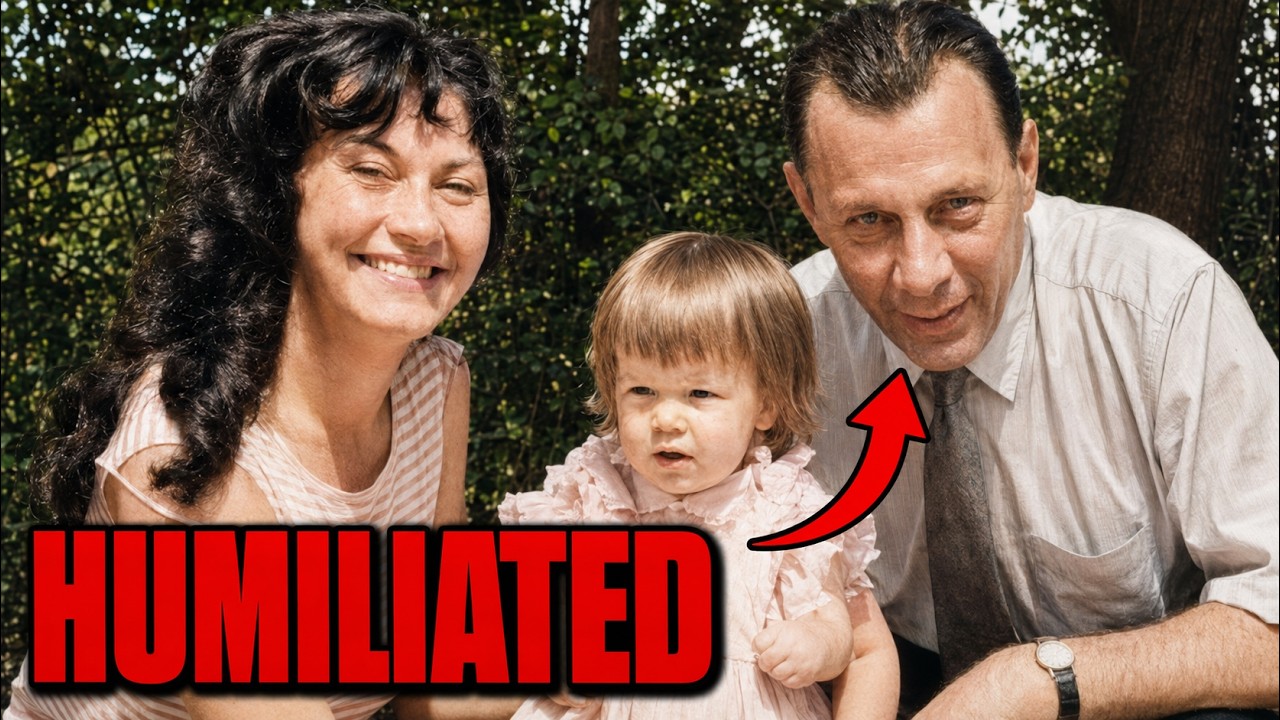
Joseph became the public symbol of the faction. Newspapers later called him Crazy Joe, but the rebellion was larger than one personality.
It involved money, control of rackets, resentment toward Profaci, and the belief that the boss could be forced to surrender power.
Profaci's authority rested on more than fear. He controlled access to profitable gambling, loans, labor influence, and protection. Every crew was expected to send money upward.
The rebels did not object to the existence of tribute. They objected to how much Profaci demanded and to how little independence they believed they received in return.
That difference is important. The Gallos were not trying to abolish the Mafia system. They wanted a more favorable position inside it.
The streets around South Brooklyn made that struggle intensely local. Social clubs, restaurants, garages, and apartment buildings doubled as meeting places and observation posts.
A man could cross from a friendly block into hostile territory without seeing a border. Residents saw familiar faces disappear, storefronts close early, and groups of men watching passing cars.
The war was fought by an organization that officially did not exist inside neighborhoods where everyone could feel that something had changed.
The dispute sharpened after the death of Profaci captain Frank Abbatemarco in November of 1959. Abbatemarco had reportedly withheld tribute from Profaci.
Accounts differ over the Gallo crew's precise role in his killing, but the aftermath deepened their conflict with the boss. The Gallos believed they had been denied profitable operations that had been promised to them. They also resisted demands involving Abbatemarco's son.
By early 1961, negotiation had become rebellion. On February 27, Gallo allies seized several senior Profaci figures, including underboss Joseph Magliocco, Profaci's brother Frank, captain Salvatore Musacchia, and John Simone.
Profaci avoided capture and remained away from New York while negotiations began. The kidnappings shattered the appearance of obedience.
These were not outsiders attacking the Profaci family. They were members and associates of the same organization detaining their own leadership.
The rebels wanted better financial terms and a change in the balance of power. Profaci promised to consider their grievances if the captives were released.
The hostages survived, and for a short time an uneasy truce held, but Profaci had not surrendered. Behind the peace, both sides tried to pull men away from the other faction.
Loyalists persuaded rebels to defect. The Gallos attempted to replace those who abandoned them. Men who appeared to be switching sides could be acting as traps.
Nobody knew which handshake represented a real agreement and which one marked the beginning of an ambush.
Carmine Persico became the most consequential example. Persico had been associated with the rebellion, but he returned to Profaci's side.
In August of 1961, Larry Gallo entered the Sahara Lounge in East Flatbush for what he believed was a meeting. A police sergeant conducting a routine inspection heard sounds from the rear and discovered Larry being strangled.
Persico and other men fled. Larry survived and the Gallo faction branded Persico the snake.
Another Gallo loyalist, Joseph "Joe Jelly" Golli, disappeared after reportedly being invited on a fishing trip. His clothing was later thrown near a Gallo restaurant with fish placed inside it.
It was a deliberate taunt that told the faction Profaci's loyalists were no longer pretending to honor peace.
The Gallos withdrew into fortified apartments on President Street in Brooklyn. The location became known as the dormitory.

Cots, food, weapons, and men were gathered inside. Windows became observation points. Ordinary neighborhood movement was measured for signs of an approaching attack.
Yet even after the betrayals, the Gallo faction reportedly waited for a ruling from the Mafia Commission before striking back. Their war was internal, but every family in New York had an interest in preventing it from spreading.
That is where Neil Dellacroce entered the story. Mafia tradition held that one family should not interfere in another family's internal conflict unless both sides invited mediation.
The rule was not based on fairness. It protected the independence of each boss and prevented a local dispute from pulling all five families into open warfare.
Dellacroce appeared to be advising Profaci's lieutenants. The record does not establish exactly what advice he provided, how often he met them, or whether Carlo Gambino had authorized his involvement.
That gap has produced competing interpretations. Dellacroce may have acted on his own because he favored the old leadership. He may have believed Profaci's survival served Gambino interests, or he may have been carrying messages that could not be publicly acknowledged.
Carlo Gambino also had reasons to watch the conflict without openly choosing a side. Profaci was an established boss, and allowing soldiers to overthrow him could create a precedent dangerous to every family leader.
At the same time, openly rescuing Profaci could unite the rebels against outside interference and expose Gambino's family to police scrutiny. Dellacroce's alleged advice offered influence without a public commitment.
It also created the risk that the Gallos would recognize what was happening. What mattered to the Gallos was the appearance of interference.
From their perspective, they were already fighting a boss with greater resources. If a powerful Gambino captain was quietly helping Profaci organize his response, the conflict was no longer contained inside one family.
Waiting for a formal commission decision while Dellacroce advised the enemy would leave the rebels exposed. The Gallos decided to answer him directly.
On September 21, Dellacroce sat inside Luna Restaurant in Lower Manhattan. The restaurant stood in the world he understood best.
Little Italy was his territory, filled with familiar faces and the invisible boundaries that told a mobster where he was protected. That setting made the assault more humiliating.
According to a 1964 federal intelligence summary, Gallo strong-arm men suddenly attacked him. The document said Dellacroce was beaten and kicked without mercy, suffered severe injuries, and reportedly might have been killed if Genovese soldiers had not stepped in.
The intervention created an extraordinary scene. Men from a third family were not arriving to punish the Gallos or support Profaci. They were stopping an assault on a Gambino captain before it became a murder that could ignite a larger conflict.
The incident lasted minutes. Its meaning lasted decades.
Joseph Gallo's personal role remains disputed. The New York Times later described him seeking Dellacroce out and punching him in the eye. The federal chronology attributed the assault to a group of Gallo men.
At a 1970 public hearing, legislative counsel Edward McLaughlin confronted Dellacroce with the claim that Larry Caruana had severely beaten him. Dellacroce did not provide the public explanation investigators wanted.
Like other Mafia figures called before official inquiries, he avoided confirming the underworld relationships behind the questions. But the hearing introduced another mystery.
Caruana was shot and wounded roughly three months after the restaurant attack. McLaughlin asked Dellacroce whether that shooting had been retaliation for the beating. No proven answer followed.
Caruana survived, and the wider Gallo war already contained enough violence to make motive difficult to isolate. The shooting may have been revenge. It may have belonged to another part of the feud. No court established that Dellacroce ordered it.
What can be explained is Carlo Gambino's public response inside the Mafia. There was no immediate order to eliminate Joseph Gallo for striking a Gambino captain.
According to the New York Times, Gambino accepted that Dellacroce had breached Mafia tradition by siding with Profaci. Dellacroce had crossed the boundary first.
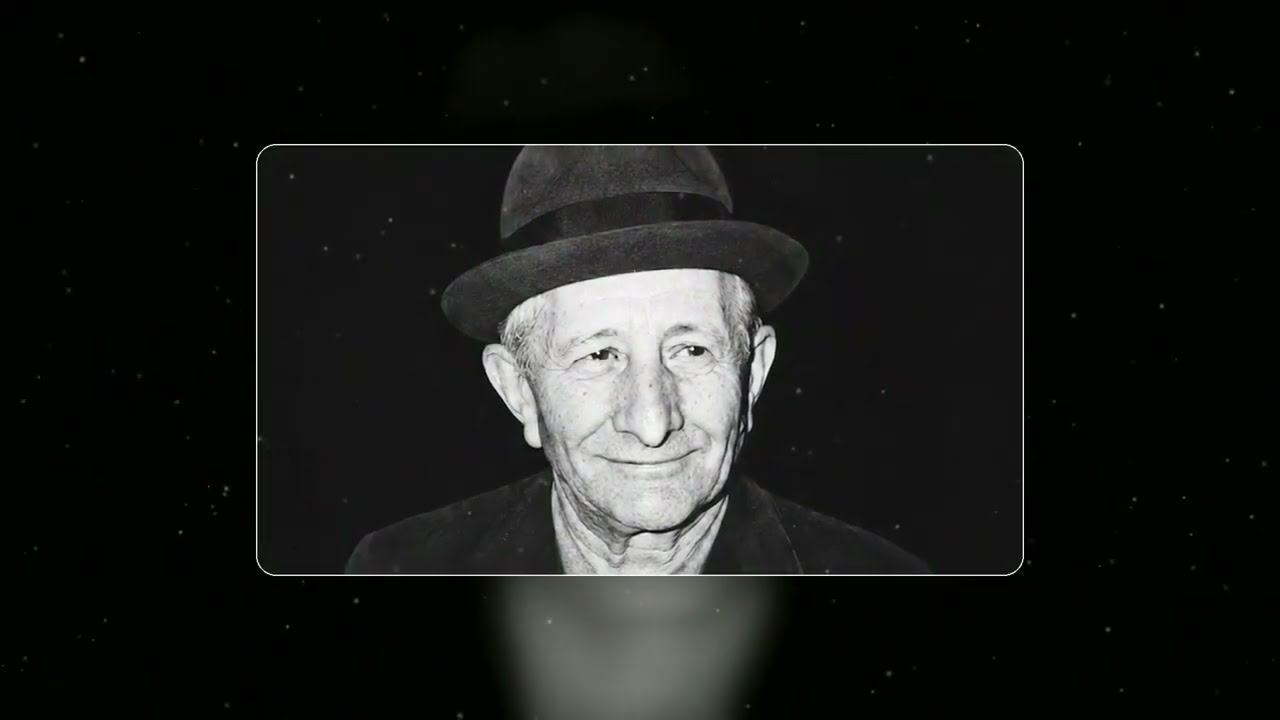
The Gallo assault was extreme, but punishing the rebels could force Gambino to admit that his own captain had entered a forbidden dispute.
That decision protected Gambino in several ways. It kept the Gambino family from being formally dragged into the war. It reinforced Gambino's authority over Dellacroce. It also denied Profaci the automatic military support that might come from an attack on a neighboring family's captain.
Most importantly, it showed that Mafia protection was conditional. Being made did not mean a man could do anything without consequence.
Rank protected him while he operated inside the accepted structure. If he violated the structure, his boss could decide that enforcing his honor would cost more than abandoning it.
For Dellacroce, that may have been the real injury. The physical wounds healed. The lesson could not be forgotten.
He had built a fearsome reputation. Yet Carlo Gambino controlled whether that reputation could be defended. Dellacroce could retaliate privately and risk defying his own boss, or absorb the insult and preserve his place in the family. He chose survival.
The Profaci war continued around him. In November of 1961, Joseph Gallo was convicted in an extortion and conspiracy case. He received a sentence of seven to fourteen years, removing the rebellion's most famous figure from the streets.
Profaci died of cancer in June of 1962. Joseph Magliocco succeeded him briefly, and the organization eventually passed to Joseph Colombo.
Mediation helped quiet the first conflict, but the Gallo dispute never truly disappeared. When Joseph Gallo returned from prison in 1971, tension with the Colombo leadership erupted again.
Joseph Colombo was shot at a public rally that June and left incapacitated. Authorities did not prove that Gallo ordered the attack, but Colombo loyalists blamed him.
On April 7, 1972, Gallo was killed at Umberto's Clam House in Little Italy. That murder remains officially unsolved.
Later accounts claimed Gambino figures were consulted as the Colombo faction pursued Gallo. Some writers have interpreted those contacts as Dellacroce's delayed revenge for Luna Restaurant.
The evidence does not establish that he ordered Gallo's killing, and no one was convicted for it. The temptation to turn the story into a perfect circle is understandable.
Gallo humiliates Dellacroce, then Dellacroce waits eleven years and helps arrange Gallo's death. But organized crime history rarely provides such clean conclusions.
The documented story is more revealing because the revenge cannot be proven. Dellacroce did not need a public act of vengeance to recover his power.
In 1965, Carlo Gambino elevated him to underboss. The captain who had been beaten in Luna Restaurant became the second-ranking figure in the family.
He oversaw street crews, settled disputes, and earned the loyalty of younger mobsters who identified with his hard-edged style. One of those men was John Gotti.
Gotti treated Dellacroce as a mentor and respected his authority even when he disliked decisions made by the boss. That relationship helped hold the Gambino family together.
After Carlo Gambino chose Paul Castellano as his successor in 1976, many street-oriented members expected Dellacroce to become boss. Instead, Gambino selected his cousin and brother-in-law, a man associated with the family's more sophisticated business interests.
Once again, Dellacroce faced a choice between wounded pride and organizational discipline. He accepted Castellano as boss and remained underboss.
The family effectively divided into two wings, with Castellano above and Dellacroce supervising much of the street faction. Dellacroce's acceptance restrained men who might otherwise have challenged the succession.
The pattern echoed the lesson of 1961. Personal humiliation did not justify action unless the hierarchy allowed it. A man who wanted to survive inside the Mafia had to know when anger served power and when it threatened it.
Dellacroce died of cancer on December 2, 1985. He was 71.
His death removed the figure who had kept Gotti loyal to Castellano. Two weeks later, Castellano and his new underboss, Thomas Bilotti, were killed outside Sparks Steak House in Manhattan. Gotti then took control of the Gambino family.