In 1953, on coronation day, Princess Margaret reached up and picked a piece of lint off the uniform of Group Captain Peter Townsend. The two-second gesture was noticed by American reporters, who quickly began asking what the Queen’s 22-year-old sister was doing with a divorced equerry 16 years her senior. British papers kept quiet, but the palace learned a lasting lesson: Margaret generated headlines she never intended, and those headlines were always about her personal life. Two years later, Margaret turned 25 and issued a public statement saying she was mindful of the Church’s teaching that Christian marriage is indissoluble and conscious of her duty to the Commonwealth.
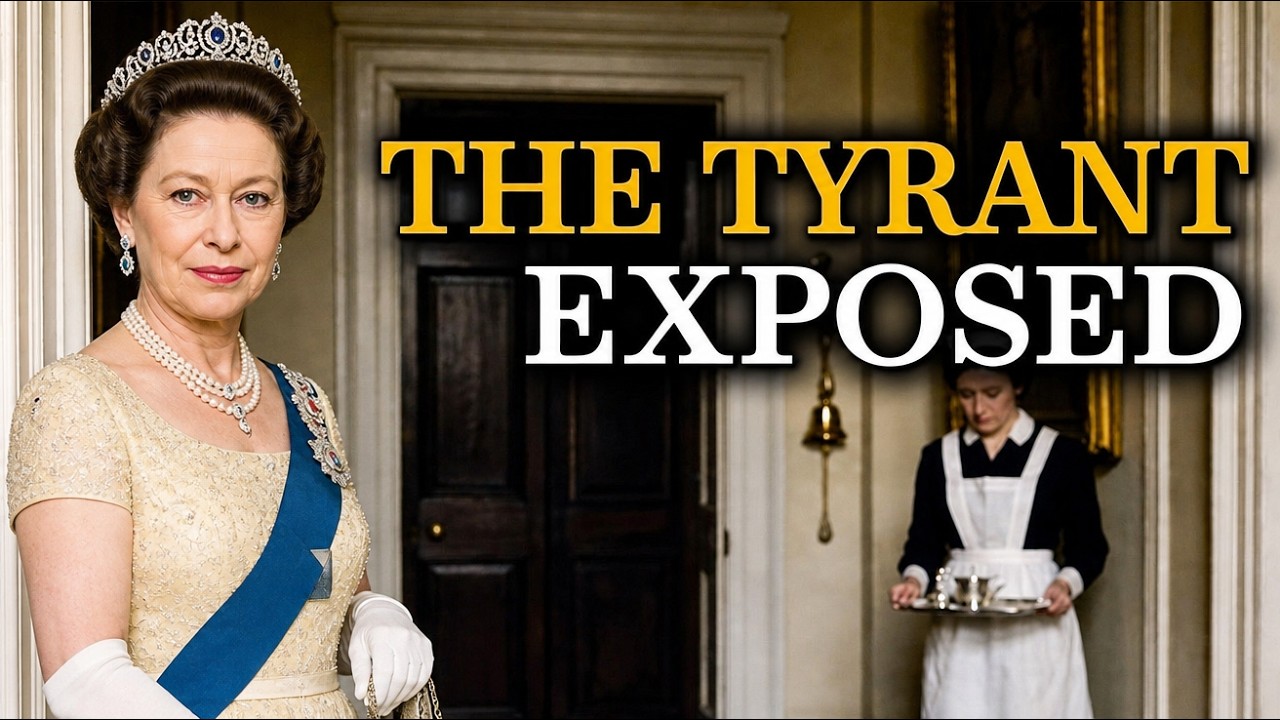
She was widely seen as a sacrificial princess who chose God and country over love. Cabinet papers released in 2004 showed the government had actually prepared a workable arrangement allowing her to marry Townsend if she renounced her succession rights and accepted a reduced income. Several biographers later concluded she was also simply less in love by 1955 than the legend suggested, and that her statement was drafted with help. Margaret married photographer Antony Armstrong-Jones in May 1960, in the first royal wedding ever broadcast live on television.
The public saw a modern, romantic marriage of her own choice. Weeks after the wedding, Camilla Fry gave birth to a daughter who was later confirmed by DNA testing to be Antony Armstrong-Jones’s child. The relationship had been ongoing while the engagement was being negotiated, and the man originally chosen as best man had withdrawn weeks before the ceremony after the press began investigating a 1952 conviction for a homosexual offense. The couple came home to a 20-room house inside Kensington Palace, refurbished at significant public expense.
A footman who wrote a tell-all memoir had it suppressed by palace lawyers in 1960, and versions surfaced abroad later. Margaret learned that the people who cleared her plates could convert her private life into cash, and that lesson shaped the rest of her life. At first the marriage worked. The couple had two children, toured the United States successfully, and were described by friends as funny and affectionate together.
A private photograph from the early 1960s shows Margaret naked in a bathtub wearing the Poltimore Tiara, a picture taken by her husband that many who saw it later described as affectionate rather than cruel. By the late 1960s, the couple had moved apart, with separate floors, separate careers, and affairs on both sides. Armstrong-Jones built a serious career as a photographer and documentary filmmaker, which took him away from home for long periods. Later biographies reported that he left written messages where Margaret would find them, including a list of reasons he hated her that is usually said to have contained 24 items.
He denied some of the reports but never fully denied all of them. In 1973, Margaret built a house on a plot of land given to her as a wedding present on the island of Mustique. That same year, she met Roderic Llewellyn, a gardener 17 years her junior. In February 1976, the News of the World published photographs of the two in swimwear on the island.
The photos had been taken by another guest and sold. Margaret was publicly condemned as a parasite on the taxpayer during an economic crisis, and there were calls to remove her from the civil list. The separation was announced in March 1976, and the divorce was finalized in 1978. Armstrong-Jones remarried within months, and the relationship that preceded that marriage went unreported.
He continued speaking about his life with Margaret for decades, cooperating with biographers and maintaining friendships in the press. Margaret never gave a significant interview about her marriage. In the 1990s, Margaret burned substantial quantities of personal correspondence, including letters from her mother, her sister, and material relating to her marriage and the Townsend years. Historians have criticized the destruction as an irrecoverable loss of primary material about the British monarchy, but she had spent decades watching private moments become someone else’s property in print.
Margaret suffered a stroke in 1998, and later a serious foot injury on Mustique. She died on 9 February 2002 at the age of 71. Her children sold her possessions at auction in 2006, partly to meet inheritance tax. The Poltimore Tiara from the bathtub photograph sold for £926,400.
The photograph itself was published after her death.