Hollywood spent decades portraying Native people as background extras in Westerns. But the real history stayed locked away in archives. Empires that rivaled Europe, military tactics that American generals copied, and massacres the government preferred to forget. These aren't campfire legends. They're documented facts that schools never taught and studios never filmed.
Long before Columbus ever set foot in America, a busy city already existed where Illinois is today. Cahokia, near present-day St. Louis, had as many as 20,000 people around 1050. London around the same time had fewer people.
The residents built massive earthen pyramids, some bigger than any European structure of that era. They developed agriculture that fed huge crowds and created an organized society with trade that reached the Gulf of Mexico.
So what happened to this civilization? Around 1350, Cahokia was empty. Researchers believe overpopulation drained the region's resources. The land couldn't support that many people. When Europeans arrived centuries later, they found only weed-covered mounds with no idea what had existed there.
During World War II, the US military had a serious problem. The Japanese were breaking every communication code within hours. Then came the most unlikely solution. Young Navajo men were recruited to create a code based on their own language.
The result was a language with more than 400 military terms that the Japanese never managed to crack. These men sent messages at Iwo Jima and Okinawa while bullets flew all around them. Without them, a lot of battles would have ended differently.
Here's the part most people don't know. When they got back home, they were forbidden to talk about what they did. The code stayed secret until the 1960s, and official recognition only came in 2000, when most of them were already gone.
Long before the founding fathers met in Philadelphia, six native nations had already worked out a problem that would keep Washington and Jefferson up at night. How to unite different peoples without anyone losing their voice.
The Haudenosaunee, known as the Iroquois, created a confederacy with councils where each nation had veto power. Benjamin Franklin saw this system up close and was impressed. In 1754, he proposed the Albany Plan, clearly inspired by this native structure.
When delegates debated the Constitution decades later, that model was already on the table. Senators and representatives, states with autonomy, but united under a federation. Historians still argue about how directly the Iroquois influenced things, but one thing is certain: representative democracy already existed in America centuries before 1776.
When Columbus arrived, the Americas had around 100 million people, maybe even more than all of Europe. Organized cities, advanced farming systems, trade routes that crossed continents. In less than 150 years, diseases brought by Europeans wiped out about 90% of that population. It was the biggest population collapse ever recorded in human history.
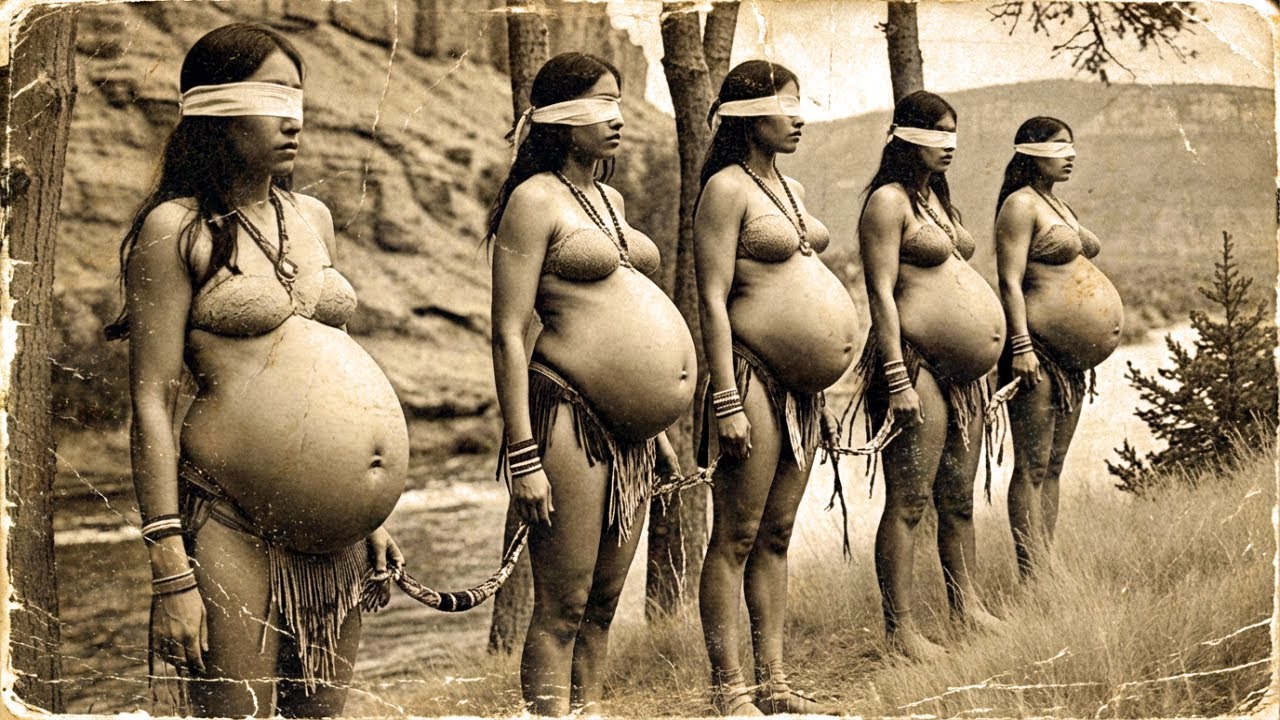
But here's what few people talk about. For centuries, school books taught that colonizers found lands that were basically empty, ready to be taken. The truth is very different. Explorers described dense villages along rivers and fields under cultivation for miles. Decades later, other travelers passed through the same places and found only forest, ruins swallowed up by vegetation. The empty land story didn't come out of nowhere. It was more convenient than admitting what really happened.
The US government created a system that lasted nearly 100 years to completely erase the identity of indigenous peoples. Beginning in 1879, more than 400 boarding schools were established across the country with a clear mission to turn indigenous children into civilized Americans. The official slogan was brutal: "Kill the Indian, save the man."
Federal agents showed up on reservations and took children away, often by force. Some families never saw their children again. At the schools, boys' hair was cut, speaking even a single word in indigenous languages was forbidden, and harsh punishments were used against anyone who disobeyed.
What few people know is that many of these children lost their connection to their roots and communities. Recent investigations are uncovering records that are only now being properly documented and understood. The last boarding school didn't close until 1978. That's less than 50 years ago.
In 1890, an indigenous ceremony sent Washington into total panic. The Lakota practiced the Ghost Dance, a ritual that promised something deeply unsettling to settlers. The land would be renewed, the buffalo would return by the millions, and white men would simply vanish. Not through war, but through spiritual power.
The movement spread like wildfire among different peoples, and the army didn't wait to see whether the prophecy would come true. Fear of a coordinated uprising brought troops to Wounded Knee, resulting in one of the most tragic and well-documented losses of life of that era in December of that year. Authorities confiscated records of the dancers, fearing they would inspire other indigenous peoples to join the movement.
In several Native American tribes, women were the ones who really ran things. Among the Cherokee, for example, clans were organized through the mothers. They controlled the land, the homes, and even made decisions about war and peace. The men fought, but the final word on a lot of issues came from the clan's older women.
Some women weren't just behind the scenes. Lozen, an Apache warrior, rode alongside Geronimo in battles against the US Army in the late 1800s. She was known for her tracking skills, and people say she could sense enemies coming. Geronimo called her the shield of his people. This female power structure was something Europeans simply couldn't understand when they arrived.
Imagine dozens of tribes speaking completely different languages, still being able to make deals, organize hunts, and even form military alliances without understanding a single spoken word from each other. That's how it worked on the Great Plains.
Native peoples developed a hand-sign system so effective it worked better than a lot of written treaties. Traders swapped horses for weapons. Warriors coordinated strategies. Rival tribes negotiated peace, all in silence. Historians estimate that more than 30 different nations knew and used this code.
When the first white explorers showed up, many of them learned these signs before they learned any spoken native language. It was simply the most practical way to survive and do business across that huge territory where every valley could have a different language.

Lacrosse started as something very different from the college sport we know today. The Iroquois called this game "little war," and they had good reason for it. Matches could last for whole days with hundreds of men on each side on a field that stretched for miles.
There were no rules against physical contact. Broken bones were common, and deaths sometimes happened. Tribes used these games to settle territorial disputes, train warriors, and even get men ready for real battles. It was violent, but it also had deep spiritual meaning. Native people believed playing pleased the creator. When French colonizers saw the game for the first time, they were shocked by how intense it was.
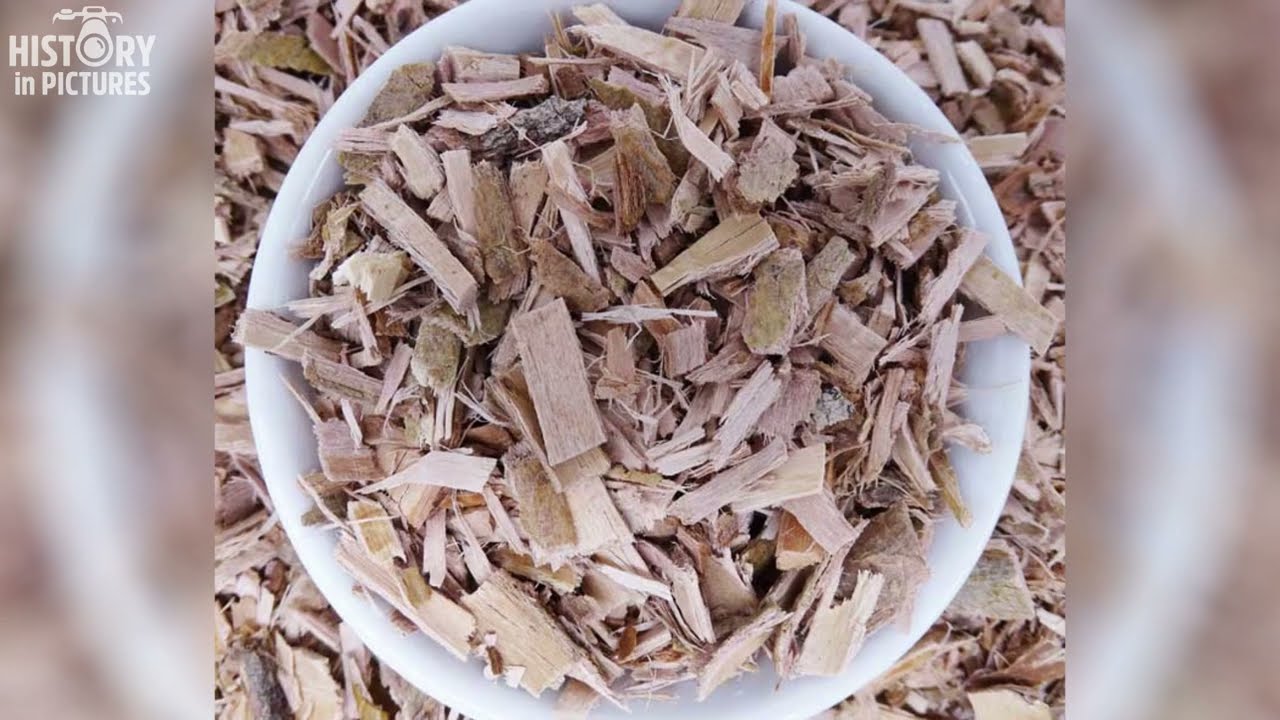
Long before pharmacies existed, Native Americans already knew something science would take centuries to confirm. They chewed willow bark to ease pain and fevers. The secret was a substance we now know as salicylic acid, the basis of aspirin.
When colonizers arrived, they noticed this knowledge and took it back to Europe. In 1897, Bayer patented aspirin and made billions. But no credit was given to the peoples who discovered it first. It was shamans and healers who passed this knowledge down from generation to generation. They also treated infections and wounds with plants that modern medicine studies today.
Before Columbus arrived, slavery already existed here. Long before Europeans set foot on this continent, native tribes were already practicing something that few history books mention. When one tribe won a battle against another, the losers didn't just walk away. Captives became the property of the winners.
This happened from Canada all the way down to South America. The Aztecs, for example, kept thousands of enslaved people from neighboring tribes. In the Pacific Northwest, some tribes passed enslaved people down from one generation to the next.
It wasn't the same as the system that came later with Europeans, but it was slavery. Captives worked, had no freedom, and could be traded like goods. When colonizers arrived, some tribes even sold their enslaved people to them. The full story is more complicated than what we were told in school.
In 1680, something happened in New Mexico that history books almost forgot. A leader named Popé pulled off what seemed impossible. He united Pueblo tribes that spoke different languages and had old rivalries. On August 10, they attacked at the same time on multiple fronts. Around 400 Spanish colonizers were killed, and the survivors fled south in desperation.
What came next is the part few people know. The Pueblo ruled their own land for a full 12 years. They burned churches, destroyed colonial documents, and brought back their traditional practices. It was the biggest defeat the Spanish Empire suffered in the Americas at the hands of native peoples. When the Spanish finally returned in 1692, they found a people who had proven they could win.
For decades, diggers went onto tribal lands and just took whatever they found. Ancestors' bones, ceremonial items, pieces tribes had protected for generations. It all ended up in museums and private collections across the country. It's estimated that US institutions still hold hundreds of thousands of these items.
In 1990, Congress passed a law requiring their return, but the process drags on to this day. Many tribes don't even know exactly what was taken or where it is. Some items have been gone for so long that young people on reservations have never seen objects their great-grandparents used in rituals. Museums claim it's bogged down in red tape, but critics say the slow pace is convenient. Meanwhile, whole communities are waiting to get back pieces of their own history.
For centuries, Native Americans lost pretty much everything: land, rights, dignity. But in 1988, a federal law literally changed the rules of the game. The Indian Gaming Regulatory Act allowed tribes to operate casinos on their reservations, areas where state laws didn't have authority.
The result was a historic turnaround. Today, the native gaming industry brings in more than $40 billion a year, beating Las Vegas and Atlantic City combined. Some tribes went from extreme poverty to building schools, hospitals, and giving scholarships to their young people. Not everyone benefited equally, and the money came with its own problems. But the irony is impossible to miss. The same government that tried to erase these communities ended up creating the legal loophole for their economic comeback.
The United States signed more than 500 treaties with indigenous nations and broke every single one of them. Not some, every one. Since 1778, the federal government promised land protection and sovereignty to native peoples. In return, tribes peacefully gave up millions of acres. But every time gold, oil, or railroads showed up, the agreements turned into worthless paper.
The most famous case happened in 1868, when the Fort Laramie Treaty guaranteed the Black Hills to the Sioux forever. It lasted eight years. Gold was discovered, and the army moved in. The Supreme Court recognized in 1980 that it was theft. It offered money. The Sioux refused. They want the land back. Today, the amount is over a billion dollars sitting in an account.
Long before there was any debate about controlled substances, Native American tribes had been using peyote for thousands of years. And it wasn't for fun. It was serious religion. Shamans consumed this cactus in sacred rituals to connect with the spiritual world and receive visions that guided the whole tribe. Decisions about war, hunting, and even marriages depended on these ceremonies.
The interesting part is that the US government tried to ban the practice several times, but in 1994, a federal law finally protected the religious use of peyote by tribes. Scientists today study these substances to treat depression and trauma. What native people knew for centuries, modern medicine is only rediscovering now.
A lot of people think native peoples lived in total peace before Europeans showed up. That's not really true. Tribes fought each other over territory, resources, and power long before Columbus was even on the map. The Comanche, for example, dominated the plains and pushed the Apache to the southwest. The Iroquois built an empire in the northeast through conquest.
There were alliances, betrayals, and battles that lasted for generations. That doesn't lessen the devastating impact of colonization, of course. But understanding the full history shows they were complex societies with politics, military strategy, and power struggles like any civilization. The arrival of horses and firearms later on only intensified conflicts that had already existed for centuries.
Sixty percent of everything you eat today came from the Americas before Columbus arrived. Corn, potatoes, tomatoes, squash, peanuts. Native peoples had been growing all of that for thousands of years. Italy didn't have tomato sauce. Ireland didn't know potatoes. Africa didn't have corn. These foods crossed the ocean and changed the way the whole planet eats.
But here's the problem. For centuries, history books gave credit to Europeans who simply took these plants away. The real farmers who developed these methods over generations were forgotten. This farming knowledge goes back at least 9,000 years.
Scientists studying ancient DNA found something surprising in Native American genes. They found genetic traces that suggest contact with European populations long before Columbus ever set foot in the Americas. We're talking thousands of years ago.
How is that possible? Some researchers believe groups from what's now Iceland or Scandinavia may have crossed the North Atlantic using ice routes during the Ice Age. Others point to the Vikings, who we know reached North America around the year 1000. Our DNA tells stories that history books are still trying to catch up with. The truth about who really got to this continent first may be a lot more complicated than what we were taught in school.
In 1680, a man named Popé did something few people ever managed to do. He kicked the Spanish out of New Mexico for 12 years. He united Pueblo tribes that didn't always get along and led a revolt that caught the colonizers off guard. The Spanish only came back after he died.
Today, his statue is in the US Capitol in Washington. He's the only Native American in the National Statuary Hall. Each state can place two statues there, and New Mexico chose Popé in 2005. For centuries, history books barely mentioned him. Now he shares space with famous presidents and generals. History doesn't always remember who it should, but sometimes it corrects itself.