The story of Edward VIII’s abdication in 1936 has long been presented as a romance. A king gave up his throne for the woman he loved. But the events that followed the abdication tell a different story. They suggest a calculated removal from power, not a willing departure.
Edward had been Prince of Wales for over two decades. He was charming in public but disengaged in private. He neglected official papers and dismissed the work of government. Those closest to him found him unreliable in his duties.
There was also the matter of his political sympathies. In the mid-1930s, as Hitler consolidated power, Edward held views about the Nazi regime that ranged from naive to dangerous. His relationship with Joachim von Ribbentrop raised concerns beyond ordinary diplomatic formality.
In October 1937, those concerns became public. Edward and Wallis Simpson visited Germany and were received by Hitler at Berchtesgaden. Photographs show a former King of England appearing entirely at ease with a regime Britain would be at war with within two years.
The government of Stanley Baldwin presented the abdication almost entirely as a question of marriage. The political dimension was buried. If the only problem had been the marriage, it is unlikely the establishment would have moved with such speed and finality.
After the abdication, Edward did not settle into contented retirement. He sought roles. He made requests. He asked about positions in Britain and Europe. During the Second World War, he asked repeatedly whether he might serve in a formal capacity.
The requests were met with managed disapproval. There were delays, conditions, and expressions of concern about his judgment. The door opened just far enough to suggest it was not locked, but never far enough to allow entry.
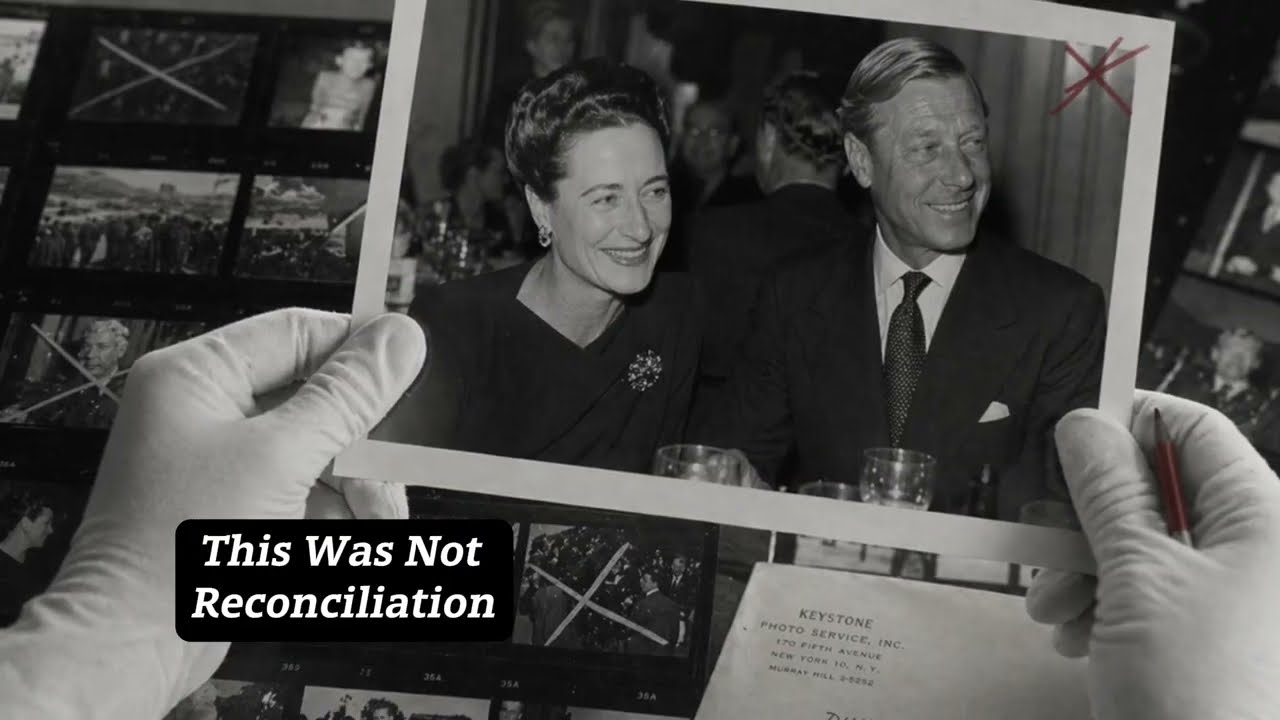
The public saw none of this. They saw a former king living in a villa in the south of France, photographed at parties and golf tournaments. The image was carefully managed.
The legal documents formalizing his abdication contained a crucial detail. Edward retained the style of His Royal Highness, but this style would not extend to his wife or any children they might have. Wallis Simpson would never be Her Royal Highness.
In the architecture of royal hierarchy, that title signals membership. Denying it to Wallis was a declaration that she would never fully belong. And if she did not fully belong, neither did he.
Edward understood this immediately. He wrote to his brother, George VI, with urgency. He described the decision as cruel and vindictive. His protests were noted but not acted upon.
When Edward and Wallis married in June 1937, none of the royal family attended. The absence was not logistical. The family had been strongly advised not to attend. The Church of England refused to conduct the service.
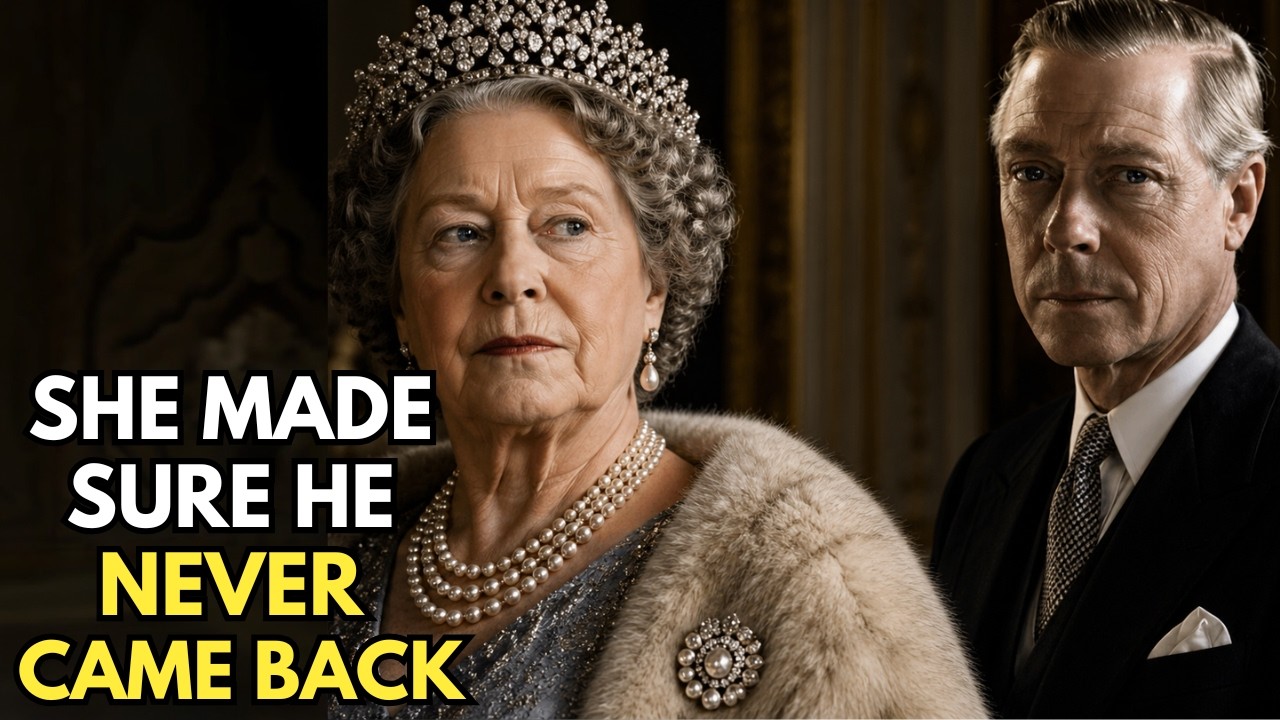
The driving force behind these decisions was not George VI himself. He was not a man comfortable with confrontation. The most influential force within his household was his wife, Queen Elizabeth, later known as the Queen Mother.
She had married the second son expecting a quiet life. The abdication ended that expectation permanently. She watched her husband inherit a burden created entirely by his brother’s choices. She did not forgive this.
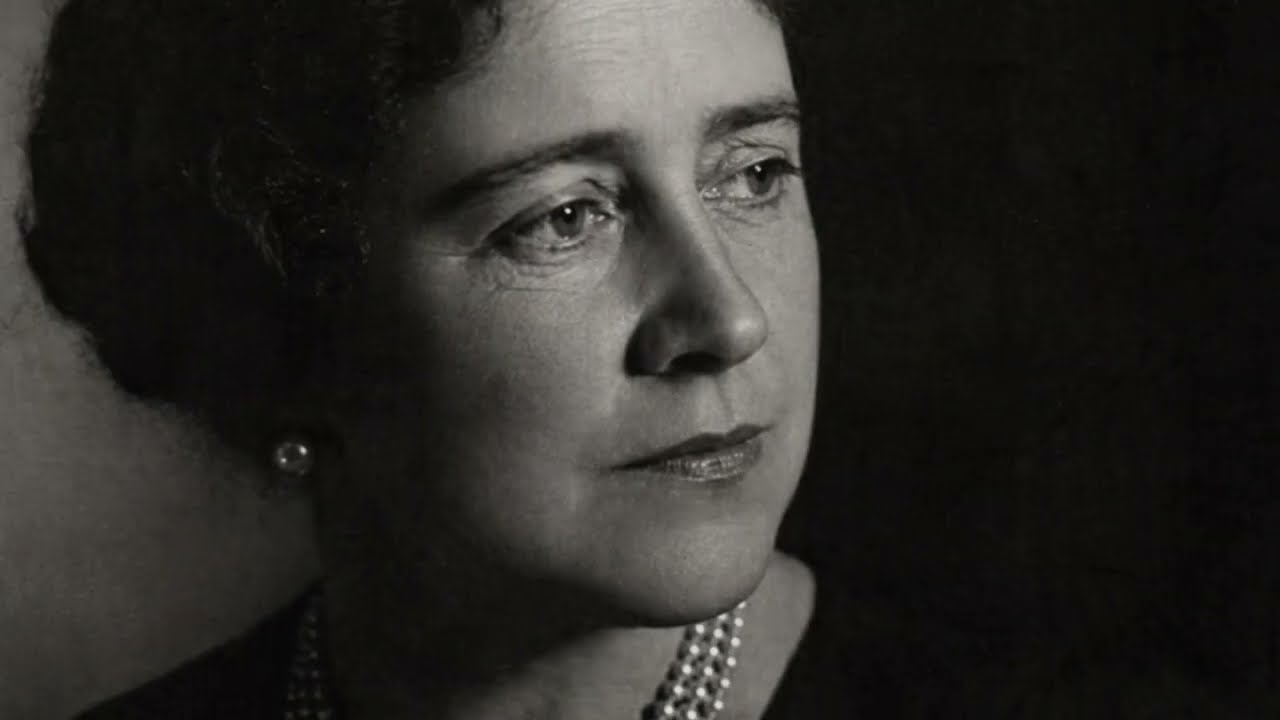
Her resentment aligned with the monarchy’s need for stability. Personal feeling and institutional calculation became inseparable. She became a consistent and determined presence whose position gave her influence over every door that might otherwise have opened.
In August 1940, Edward was appointed governor of the Bahamas. The role carried a title and a salary. It carried nothing else. He had sought more meaningful alternatives, but they were blocked due to genuine security concerns about his Nazi sympathies.
By the end of the war, Edward was 60 years old. George VI had stayed in London during the Blitz and walked through bombed streets. He had become genuinely trusted. The gap between the brothers was irreversible.
Walter Monckton, Edward’s legal adviser during the abdication crisis, left behind private papers describing a man who felt deceived. Edward believed commitments made to him would be honored. Over years, he discovered they would not be.
The romantic narrative solved a serious problem for the monarchy. If Edward left because of love, the institution had not failed. It had simply been tested by an exceptional circumstance. The narrative required everyone to have behaved correctly.
The other version, in which political calculation drove events as much as romantic scandal, was not permitted to take hold.
The Queen Mother lived until she was 101. She died in March 2002, beloved by the public. Her public service was real. But the pattern of decisions across 35 years is difficult to ignore.
Even decades after the abdication, Edward’s contact with the royal family remained formal, controlled, and infrequent. This was not drift. Drift does not require maintenance.
When historians later examined the abdication with greater seriousness, they found evidence that did not fit the romantic narrative. They published their findings in academic journals and serious biographies. The findings were acknowledged, briefly discussed, and then absorbed back into the dominant narrative.
The Duke of Windsor died in May 1972. He had spent 35 years outside the institution. He died in a house in Paris, receiving occasional visits from royal family members that were brief and formal.
Queen Elizabeth II attended his funeral. The Duchess of Windsor was later brought to Windsor for burial. The gesture was described as magnanimous. It may have been the final act in a long story, one in which the institution could afford to absorb them without risk after their deaths.
The myth endured because it was useful. Useful to the monarchy, which needed a story that assigned blame to an individual rather than the institution. Useful to the government, which had its own reasons for not examining Edward’s political sympathies too closely.
A king stepped down under pressure in circumstances the public never fully understood. He was then managed, controlled, and gradually rendered irrelevant by a system that had decided his return would not be permitted.
Within that system was a woman whose influence became increasingly difficult to ignore. Whether her motivations were personal or institutional, the outcome was the same. Edward VIII never came home.
History had the material to tell this story. It chose instead to give a love story. Because love stories are easier. They ask less of you. They do not require you to look too closely at how institutions protect themselves.