The announcement that Princess Märtha Louise and Ari Behn were separating in 2016 carried a weight that most royal breakups never do. It did not read like a carefully managed statement designed to protect an institution. It read like a confession. The couple admitted they were ashamed because they could no longer create the “common safe harbor” their children deserved.
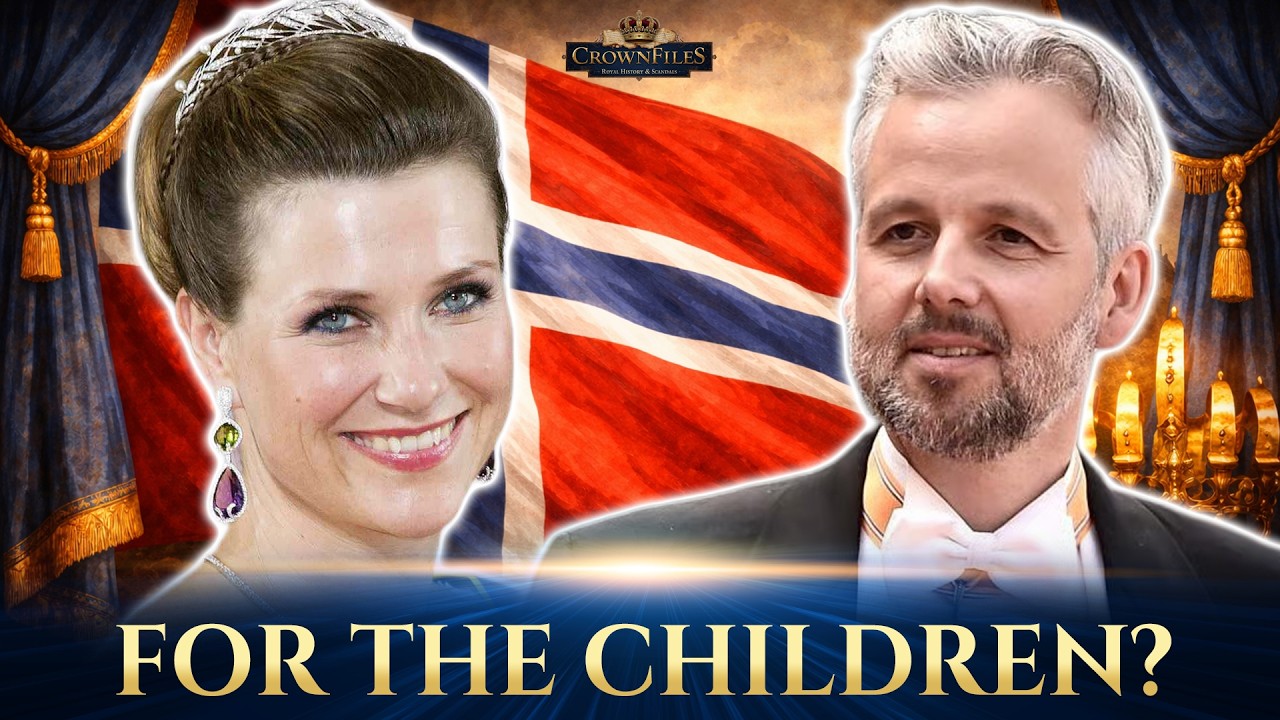
That single line turned what could have been a routine royal separation into something far more painful, a public admission of private failure. The Norwegian princess and the writer from a completely different world had once seemed like an unlikely but compelling match. When they married in Trondheim on May 24, 2002, it was seen less as a royal arrangement and more as a modern love story. Ari Behn held no title and did not represent the royal house of Norway, a detail that gave the marriage a freer feel while also leaving it without the usual institutional safeguards.
Märtha Louise was already moving away from traditional palace life by then. The Norwegian royal court notes that from 2002 onward, she was self-employed, did not carry out official royal duties, and no longer received an appanage. She was a king’s daughter who was steadily building a more independent identity, while her husband remained an expressive, occasionally provocative author who never fit the royal mold. The couple had three daughters, Maud Angelica, Leah Isadora, and Emma Tallulah, and lived at times in New York, London, and Norway.
To many observers, they represented a softer, more human version of monarchy, less concerned with ceremony and more with authenticity. But the same qualities that made them appealing also made the marriage fragile, since both partners were difficult to contain within royal expectations. Signs of strain appeared well before the official end. In 2009, Ari Behn spoke openly about his mental health in an interview, saying he was chronically depressed and that it was getting worse.
The reaction was telling. Some critics were less concerned with his suffering than with the fact that he had spoken so candidly in public, breaking the unspoken rule that royal-adjacent lives must remain composed. By the summer of 2016, the couple still appeared together publicly despite the private collapse. They were seen during the Silver Jubilee events for King Harald and Queen Sonja in Trondheim in late June, only weeks before the separation was made public.
The announcement came on August 5, 2016. According to the Associated Press, Märtha Louise said they had decided to end the marriage but remain together in parenthood, explaining that they had grown apart. What made the statement so striking was not the separation itself but the guilt expressed in it. They asked for peace during a difficult process, said their children needed time to grieve and find new footing, and made clear the priority was stability.
People magazine reported that the arrangement involved joint custody of the three daughters, who would continue living with their mother and remain in their current schools. The emphasis was not on protocol or image but on protecting the children from being consumed by a public story. The palace response added another layer of sadness. King Harald and Queen Sonja said many people are affected when a marriage breaks up, that it was painful and sad for those close to the couple, and that they remained fond of Ari and grateful for what they had shared together as a family.
He was not cast out as a failed outsider, even in separation. The divorce was finalized in 2017, but the public memory of the breakup remained tied to Ari Behn’s increasingly fragile public image. Later reporting after his death described that he had long struggled with alcoholism and mental health problems. On Christmas Day 2019, Ari Behn died by suicide at the age of 47.
The Associated Press reported that the Norwegian royal family said he had been an important part of their family for many years and that they carried warm and good memories of him. He remained part of the family’s history and part of the lives of the three daughters he left behind. That loss changes how the entire marriage is viewed in hindsight. The 2016 divorce statement no longer reads like standard separation language.
It reads like an early sign of something far more painful than most people understood at the time. This was never a story with a clear villain or a dramatic betrayal that could explain everything. The public was left with something more uncomfortable and more familiar. A marriage worn down by difference, visibility, and emotional strain.
A family that seemed to promise warmth and honesty but could not hold itself together. And a line about failing to protect their children that grew more devastating with time, because the real damage happened not in public view, but in the ordinary space where children are supposed to feel safe.