During World War II, a number of women served as guards in the Nazi concentration camp system. Far from being peripheral figures, many of them committed brutal acts of violence and murder. Some were tried for their crimes after the war, while others escaped justice entirely.
The SS recruited thousands of women to oversee female prisoners, particularly at camps like Ravensbrück, which became the main training center for female guards. There, women were taught to use violence, intimidation, and cruelty to control prisoners. Many came from ordinary professions, including cooks, waitresses, and hairdressers, often responding to newspaper advertisements.
One of the most notorious was Jenny-Wanda Barkmann, a fervent Nazi supporter who joined the camp system at the age of 22. In 1944, she began working at the Stutthof concentration camp near Danzig. Stutthof was the first camp established outside German borders and one of the last to be liberated. Conditions there were horrific, with prisoners subjected to starvation, disease, forced labor, and execution. Around 65,000 people died within the camp’s walls.
Barkmann quickly became known for her cruelty. She participated in selections, deciding who would live and who would be sent to the gas chamber. She beat prisoners with her bare hands and whipped them for minor rule violations. She earned the nickname the "Beautiful Specter" for her brutal behavior. Despite serving at Stutthof for only about a year, she left a legacy of terror.
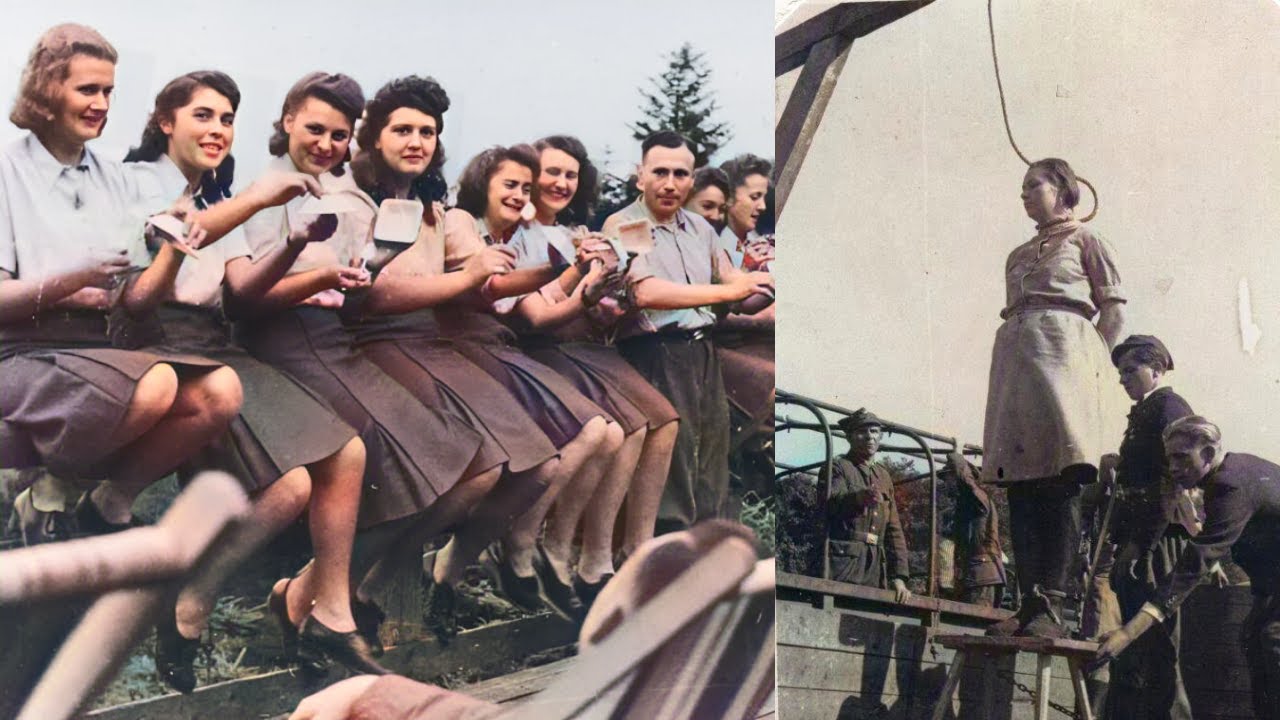
After the war, Barkmann attempted to flee using a false name but was arrested in May 1945. During her trial, she appeared more concerned with her appearance than the proceedings, styling her hair differently each day and flirting with guards. She was sentenced to death and hanged before a crowd of thousands. Her execution took place on a hill near Gdańsk.
Another guard, Carmen Mory, was a Swiss national who worked as a journalist before the war. She became involved with the Gestapo as a spy, gathering intelligence in Paris and other locations. After being arrested in France, she was sentenced to death but later pardoned. Following the German occupation, she was arrested again and sent to Ravensbrück concentration camp.
At Ravensbrück, Mory became a kapo, a prisoner who oversaw other prisoners. She was described as a sadistic and psychopathic individual. Witnesses reported that she beat women with belts and rubber pipes, poured cold water on prisoners in freezing conditions, and threatened them with lethal injections. She reportedly took pleasure in watching prisoners suffer and boasted about withholding food from those under her charge.
After the war, Mory was identified by fellow prisoners and brought to trial. She was sentenced to death but committed suicide in April 1947 before the sentence could be carried out.
Herta Bothe joined the SS in 1942 and trained at Ravensbrück before being assigned to Stutthof. Standing over six feet tall, she was known as the "Sadist of Stutthof." She was accused of beating prisoners, sometimes to death, and of using a pistol to threaten and shoot inmates. In 1944, she was transferred to a subcamp and later accompanied a death march to Bergen-Belsen.
At Bergen-Belsen, Bothe oversaw a wood-cutting commando. She claimed she never struck prisoners, but witnesses testified otherwise. One prisoner stated that Bothe beat a woman to death for stealing food. Another claimed she shot two prisoners without cause. Despite these testimonies, the evidence was considered weak, and Bothe was sentenced to ten years in prison. She was released in December 1951 and lived until the year 2000.

Maria Mandel was one of the most senior female guards in the camp system. She served at Ravensbrück before being assigned to Auschwitz-Birkenau, where she became the head of all female camps. She was known for her extreme cruelty and for conducting selections that sent thousands of women and children to the gas chambers. Witnesses described her tearing children from their mothers and beating women who tried to intervene.
Mandel was also responsible for creating a roster of brutal female guards who enforced her reign of terror. She was known to beat prisoners with her bare hands and kick them with her boots. She reportedly selected attractive women for death out of jealousy. After the war, she was captured and tried in Poland. She was sentenced to death and hanged in Kraków.
Annelies Kohlmann was born in Hamburg and worked as a tram conductor before being assigned to the Neuengamme concentration camp system. She served at a subcamp where she was known for her violent behavior. She whipped prisoners, including pregnant women, and kicked them with her boots. She also sexually abused young Jewish girls.
In 1945, Kohlmann was transferred to Bergen-Belsen. After the camp was liberated, she tried to pass herself off as a prisoner but was identified within two days. At her trial, she was convicted of war crimes but sentenced to only two years in prison. Because of time already served, she was released on the day of her sentencing. She later moved to West Berlin and died at the age of 56.
Irma Grese joined the League of German Girls as a teenager, despite her father’s objections. She trained at Ravensbrück and was later assigned to Auschwitz-Birkenau, where she became one of the most infamous female guards. Known as the "Hyena of Auschwitz," she was accused of beating prisoners, setting her dog on them, and shooting inmates without cause. She also participated in selections, sending many women to the gas chambers.
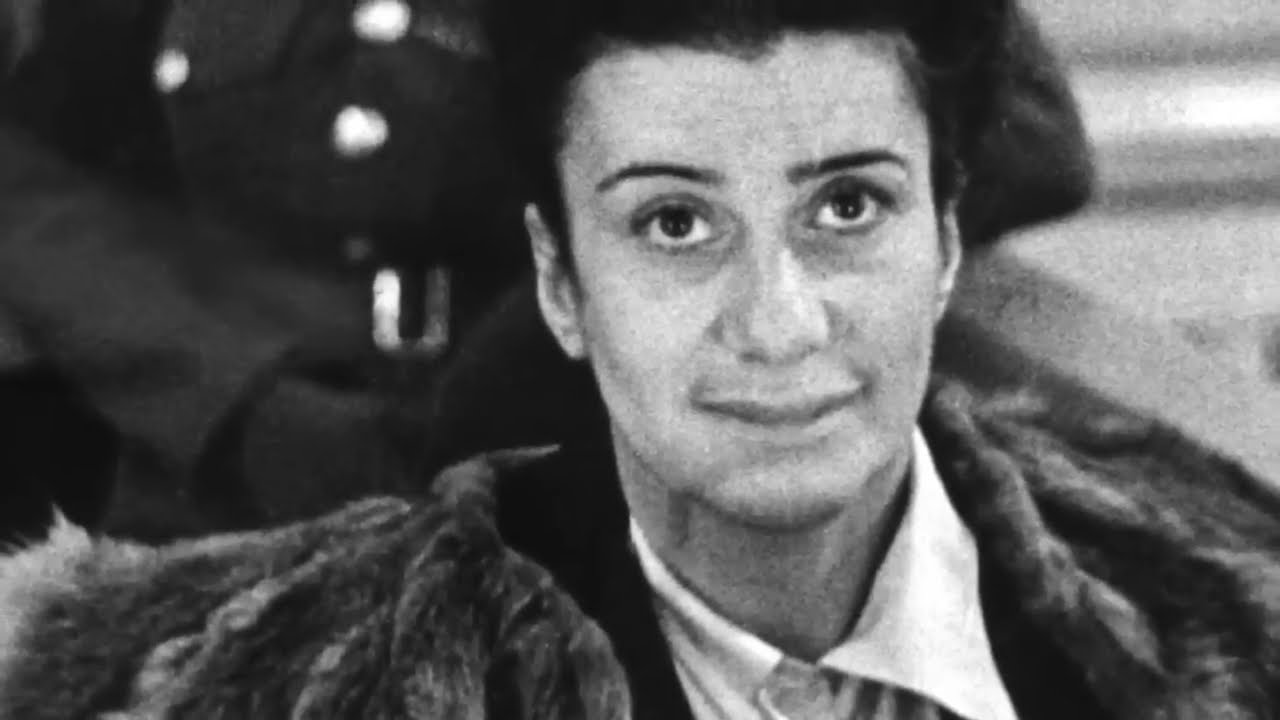
At her trial, Grese denied most of the accusations against her. She was sentenced to death and hanged in December 1945 at the age of 22. The executioner later described her as calm and composed, reportedly telling him to make it quick.
Elisabeth Volkenrath worked as a hairdresser before joining the SS in 1941. She trained at Ravensbrück and later served at Auschwitz-Birkenau, where she participated in selections and was known for her violent behavior. She beat prisoners with rubber sticks and was accused of pushing an elderly woman down stairs, killing her. She also withheld food and water from prisoners.
Volkenrath was transferred to Bergen-Belsen in early 1945 and was arrested by British forces after the camp’s liberation. She was sentenced to death and hanged in December 1945 at the age of 26.
Johanna Bormann joined the SS in 1938, initially working in a kitchen. She served at Lichtenburg and Ravensbrück before being transferred to Auschwitz. Known as "The Woman with the Dog," she was accused of setting her dog on prisoners, often causing severe injuries or death. Witnesses testified that many women attacked by her dog were later sent to the gas chambers.
Bormann was also present during selections and was known for beating prisoners. After the war, she was tried at Bergen-Belsen and sentenced to death. She was hanged in December 1945 at the age of 52.
Ilse Förster was born in 1922 and worked in a factory before joining the SS. She was assigned to a labor camp and later accompanied prisoners on a death march to Bergen-Belsen. At Belsen, she worked in the kitchen and was accused of beating prisoners who tried to steal food. Witnesses described her using thick sticks and rubber pipes, sometimes beating prisoners until they lost consciousness.
Förster was convicted of war crimes but was not sentenced to death. Because she had only served at Bergen-Belsen and not at camps like Auschwitz, her sentence was ten years in prison. She was released in December 1951 after serving six years. Her fate after release is unknown.
The crimes committed by these women were not isolated incidents. They were part of a system that encouraged and rewarded cruelty. While some were held accountable, many others escaped punishment or received lenient sentences. The full extent of their actions remains unknown to this day.