On April 2, 1942, at age 20, Filip Müller was deported from Slovakia to Auschwitz-Birkenau on one of the earliest Holocaust transports. He was Jewish, and his country had become the first Axis partner to consent to the deportation of its Jewish residents under the Final Solution.
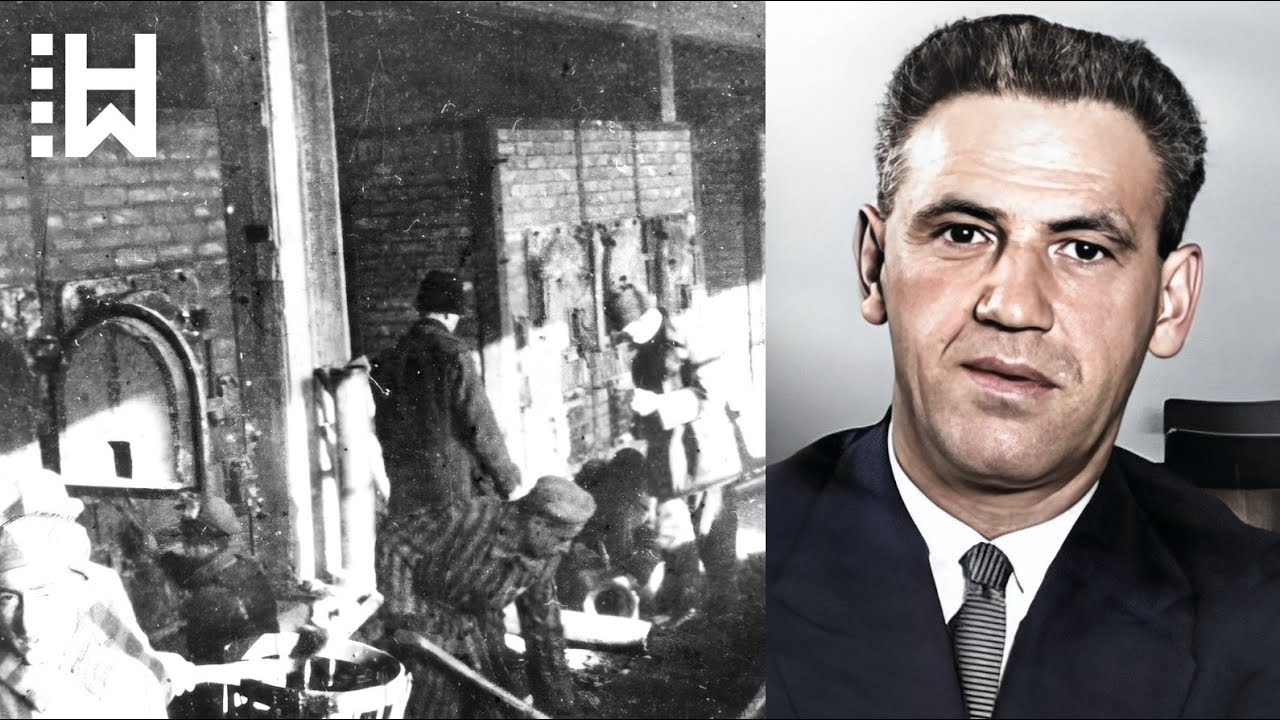
Müller was initially assigned to Block 11, a building used by the SS for punishment and torture. There, he was horribly tortured before being assigned to the Sonderkommando, a unit of prisoners forced to work in the crematoria and gas chambers.
Between March and October 1942, some 58,000 Slovak Jews were transported to Nazi camps in German-occupied Poland. The Slovak State paid Nazi Germany 500 Reichsmarks for every deported Jew, a total of 10 million Reichsmarks for the murder of its own citizens. Only 300 of the deported Slovak Jews survived.
In 1943, the four large crematoria and gas chambers at Auschwitz-Birkenau went into operation. The process of selection and murder was carefully organized. SS physicians such as Josef Mengele performed selections on the arrival ramp, deciding at will who would work and who would die.
Prisoners were told they were being sent for disinfection and bathing. They were promised soup and coffee after their showers. Instead, they were sealed inside gas chambers, where SS men dropped Zyklon B pellets through vents. Victims were dead within 20 minutes.
Müller’s Sonderkommando unit was tasked with removing bodies and grouping them by size and fatty tissue for disposal in the furnaces. Those who refused to do the terrible work were often thrown alive into burning furnaces. If valuables were found in a prisoner’s possession, the SS would pour gasoline over them and set them on fire.
In April 1944, two Slovak Jewish prisoners, Alfred Wetzler and Rudolf Vrba, escaped from Auschwitz. Their report, which relied in part on Müller’s detailed knowledge of the crematoria operations, provided some of the first reliable eyewitness accounts of the camp. Its publication is credited with helping persuade Hungarian Regent Miklós Horthy to halt the deportation of Hungary’s Jews, which had been proceeding at a rate of 12,000 a day.
Between May 15 and July 9, 1944, nearly 440,000 Hungarian Jews were deported in more than 145 trains. About 80 percent were gassed on arrival.
Müller witnessed numerous atrocities committed by SS personnel. On one occasion, he saw deputy commandant Hans Aumeier and Gestapo chief Maximilian Grabner shoot Russian prisoners of war and Polish political prisoners in Block 11. When they decided the shooting was too slow, they beat the prisoners before killing them. Polish prisoners who shouted “Long Live Free Poland” were shot in the stomach so that it would take them two to three hours to die.
On another occasion, Müller saw the flesh of executed non-Jewish prisoners collected in boxes. When German inspectors asked whether it was human flesh, Aumeier replied, “We could also use horse meat, but why should we waste it?”
On March 8, 1944, the Germans liquidated the Jews from the Theresienstadt Family Camp. Müller decided to die with them, feeling there was no reason to live. He had also learned that the resistance had postponed an uprising.
A girl named Jana saw him and pushed him out of the gas chamber. She told him he needed to live to tell the story of what had happened to the Jews. “We understand that you have chosen to die with us of your own free will,” she said. “We must die, but you still have a chance to save your life. You have to return to the camp and tell everybody about the agonizing death we will go through here.”
She gave him a gold necklace to deliver to her boyfriend Sasha, a Soviet prisoner of war. Müller later recalled being beaten by SS men after he was pushed from the chamber. One yelled at him, “We decide how long you stay alive and when you die, and not you. Now piss off to the ovens.”
When Müller gave Sasha the necklace, Sasha broke down and cried. He told Müller that he and Jana had spoken weeks earlier and hoped to marry after the war.
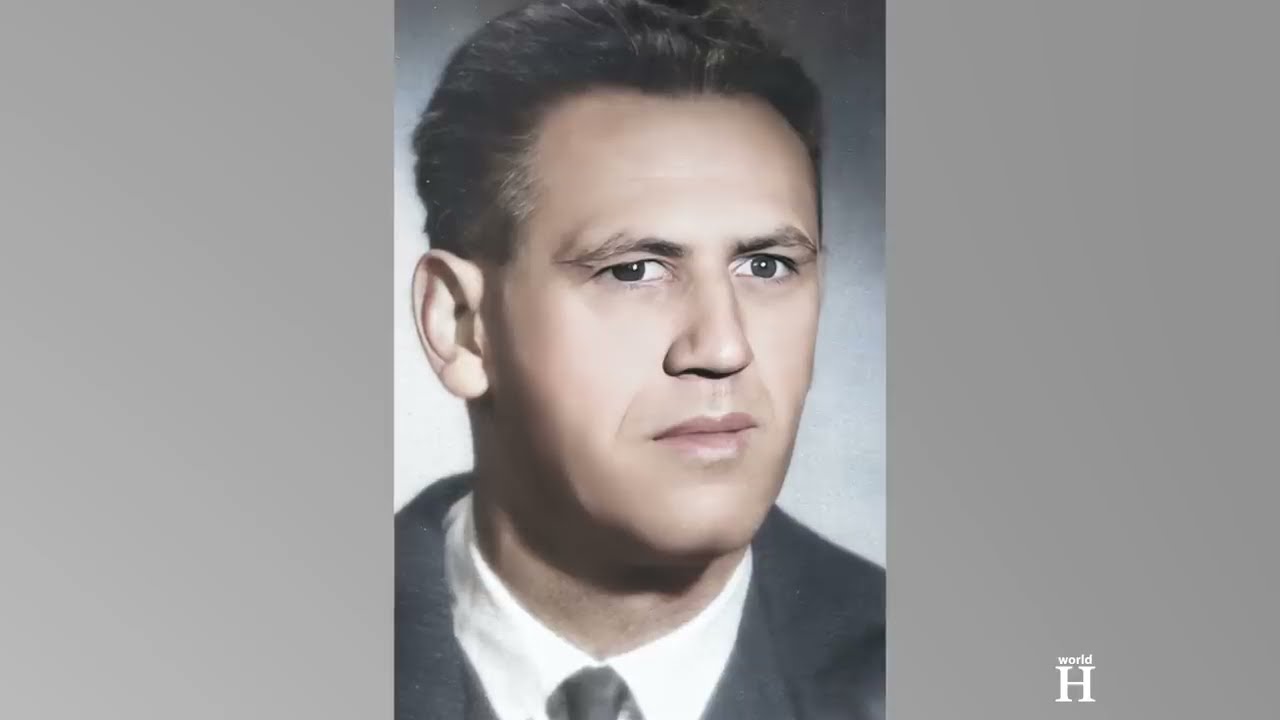
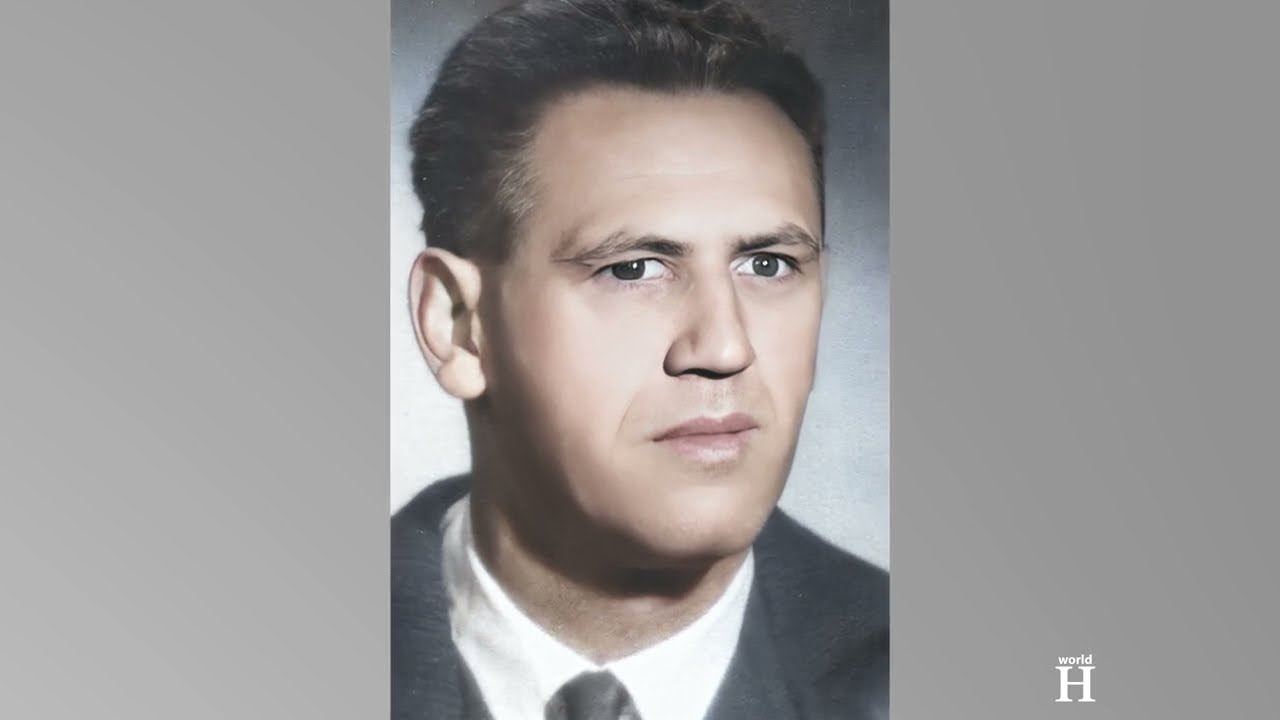
Müller came to believe he had a duty to stay alive and become a living witness to the horrors of the Holocaust.
On January 18, 1945, with Soviet forces fighting only a few kilometers away, Müller and other prisoners were evacuated from Auschwitz in severe winter weather. The evacuation became one of the infamous death marches. Prisoners who collapsed or could not keep pace were shot by SS guards.
Müller ended up at Mauthausen concentration camp. He could not believe he had been allowed to leave Auschwitz without being shot, because Sonderkommando units were periodically murdered to eradicate witnesses.
Mauthausen became the destination for evacuations from camps near the front line. Tens of thousands of prisoners arrived, leading to overcrowding, lack of food, and rampant disease. Brutal killings continued until the final days of the war.
In April 1945, SS guards beat several hundred prisoners to death at Gusen, a sub-camp of Mauthausen. In one of the last gassing operations in the Third Reich, the SS murdered 650 ill prisoners with poison gas. The camp’s gas chamber remained operative until the very last days of the war.
On May 5, 1945, American forces liberated Mauthausen. They found hundreds of dead bodies and prisoners who looked like walking skeletons. Thousands of prisoners were so weak that despite medical care, they died in the weeks and months following liberation.
Filip Müller was among the approximately 40,000 surviving inmates freed from the camp.
After liberation, Müller moved back to Czechoslovakia. He testified at the Auschwitz trial in December 1947, contributing significantly to the convictions of Hans Aumeier and Maximilian Grabner. He also testified at the second Frankfurt Auschwitz trial in 1964, where his testimony was taken into account in the verdicts against SS officers including Wilhelm Boger, Franz Hofmann, and Franz Lucas.
Müller was cited as a key informant for one of the first books about the Holocaust, “The Death Factory,” which appeared in Czech in 1946. In 1979, he wrote his memoir, “Eyewitness Auschwitz: Three Years in the Gas Chambers,” which is considered one of the most powerful and important testimonies about the Holocaust.
Filip Müller’s revenge was not only that he survived, but that his legacy lives on through his testimonies, interviews, and book. His later years were spent in seclusion, alone with his traumatic memories. He died on November 9, 2013, in Mannheim, Germany, at age 91.