Silas Soule was born in Bath, Maine, on July 26, 1839. He was one of seven children, though only four survived to adulthood. His father, Amasa Soule, was a committed abolitionist who named his oldest son after the famous anti-slavery activist William Lloyd Garrison.
The family moved to Chelsea, outside Boston, where Silas spent an idyllic childhood. He developed a talent for mimicking the local Irish accent, a skill that would prove useful later in life. The family regularly read abolitionist literature together, including *Uncle Tom's Cabin*.
When the Kansas-Nebraska Act of 1854 opened the Kansas Territory to the possibility of slavery, Amasa Soule joined the flood of settlers heading west. He and his oldest son, William, arrived in Kansas City in late 1854 and built a cabin near Lawrence. Silas, then 15, stayed behind in Boston to work in a factory and support his mother and sisters.
The family reunited in Kansas the following year. By then, the territory was in the grip of a violent conflict between pro-slavery and anti-slavery factions, a period known as Bleeding Kansas. Silas and his brother joined the local militia, and Silas became a member of Captain Samuel Walker's unit.
The Soule family also opened their home to the Underground Railroad, a network of safe houses that helped enslaved people escape to freedom. This was dangerous work, as it directly violated federal fugitive slave laws.
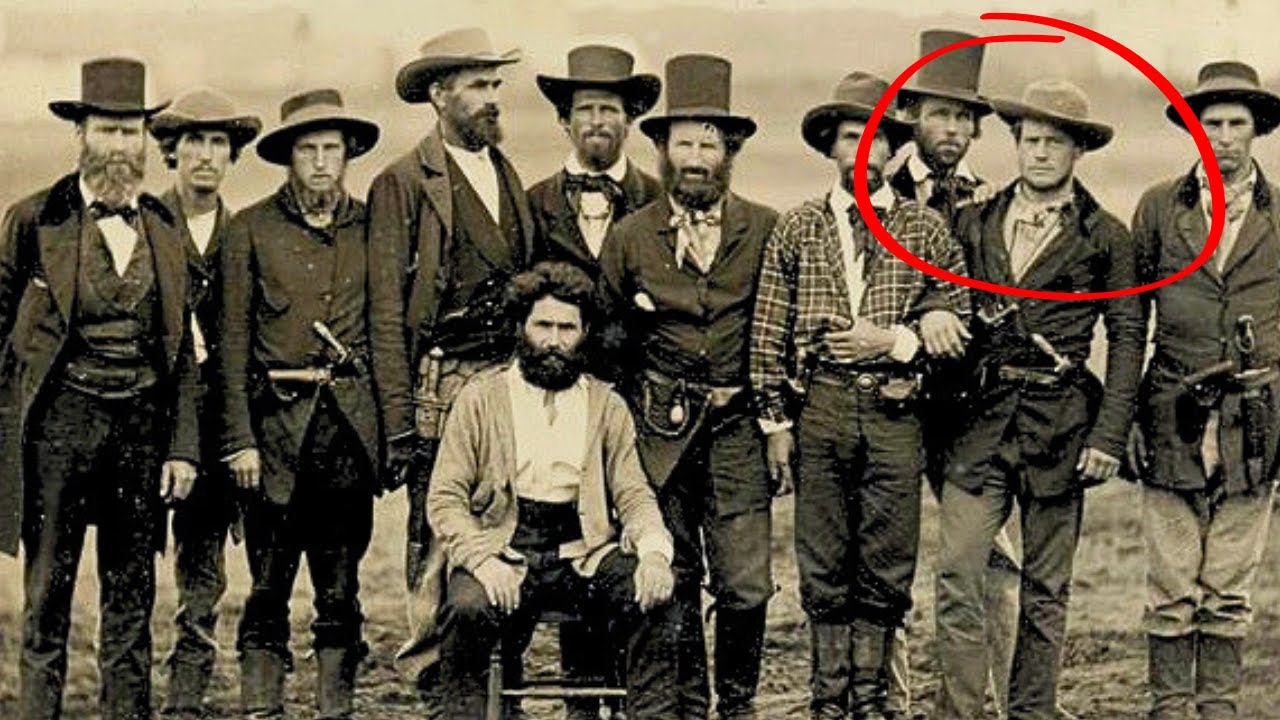
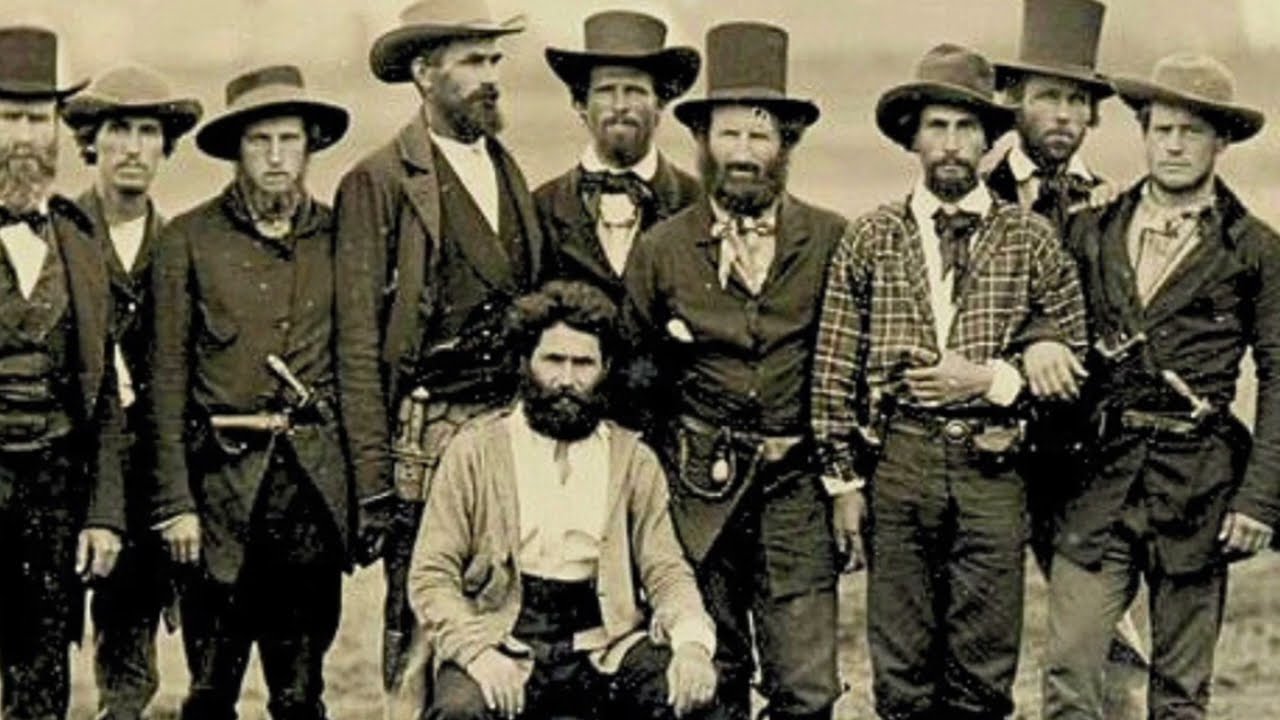
In January 1859, a friend of Silas, Dr. John Doy, was captured while trying to escort a dozen enslaved people to Iowa. He was sentenced to five years in a Missouri prison. On July 23, 1859, Silas and nine companions rode into St. Joseph, Missouri, to free him.
Silas used his Irish accent to pose as a traveler and gain access to the jail. He handed Doy a note that read simply, "Be ready at midnight." That night, the group overpowered the guards and escaped with the doctor. The enslaved people Doy had been helping were unfortunately recaptured.
Silas also allegedly attempted to help John Brown escape after the failed raid on Harpers Ferry in 1859. Brown refused the rescue, reportedly saying his death would do more to advance the abolitionist cause than anything he had done in life. Historians are uncertain whether Silas was actually involved in this attempt.
What is documented is that Silas helped plan an escape for two of Brown's co-conspirators, Aaron Stevens and Albert Hazlett. He got himself arrested by pretending to be a drunken Irishman and was thrown in the same jail. Stevens and Hazlett also refused rescue, choosing to die as martyrs. Silas was released the next day, his identity never discovered.
In 1860, Silas followed his brother to Colorado during the gold rush. The mining prospects did not pan out, and Silas found work as a blacksmith. When the Civil War broke out, he joined the Colorado First Infantry as a lieutenant.
Silas served with distinction at the Battle of Glorieta Pass in New Mexico in March 1862. After returning to Denver, he was made acting adjutant to the district commander, Colonel John M. Chivington. Chivington, a Methodist minister by trade, was a respected officer who had also performed well at Glorieta Pass.
The two men initially had a good relationship. Silas signed a petition to have Chivington promoted, and Chivington tried to make Silas a lieutenant colonel. Silas was later reassigned to Denver as an army recruiter, where he excelled. Chivington described him as the best recruiting officer he knew.
In 1864, Silas was promoted to captain and assigned to Company D of the First Colorado Cavalry at Fort Lyon. Tensions with the Cheyenne and Arapaho tribes were escalating. The Treaty of Fort Laramie in 1851 had recognized much of eastern Colorado as Cheyenne and Arapaho land, but the Treaty of Fort Wise in 1861 reduced it by about 90 percent. Many bands, especially the Cheyenne Dog Soldiers, rejected the new treaty.
Violence broke out across the region. The Army burned Cheyenne villages, and warriors attacked settlers and wagon trains. In May 1864, Lieutenant George Eayre attacked a Cheyenne band under Black Kettle and Lean Bear, despite Lean Bear carrying a peace medal and a letter from President Lincoln. Lean Bear was killed.
By the summer of 1864, the situation had spiraled. There were dozens of recorded attacks on settlers, and the Army was targeting Native Americans wherever they could be found. Territorial Governor John Evans declared martial law and raised a volunteer regiment to supplement the regular troops.
In September 1864, Black Kettle sent emissaries to Fort Lyon seeking peace. Major Edward Wynkoop, the fort's commander, was so impressed by their courage that he decided to meet with Black Kettle in person. Silas accompanied him with about 130 troops.
The meeting went well. Four captives were recovered, and Wynkoop offered to escort Black Kettle and other chiefs to Denver to meet with Governor Evans. But Evans did not want peace. He and Chivington were planning political careers and believed a decisive blow against the Cheyenne would help their ambitions.
Chivington's volunteer regiment had been mockingly called the "Bloodless Third" for failing to engage the enemy. He was eager to prove himself. Evans and Chivington told Black Kettle that if he wanted peace, he should surrender to Major Wynkoop at Fort Lyon.
Black Kettle agreed and began gathering his people. Major Wynkoop was relieved of command for his willingness to negotiate. His replacement, Major Scott Anthony, told Black Kettle to move his camp to Sand Creek, about 40 miles northwest of the fort. Anthony suggested Black Kettle fly an American flag over his lodge to show he was friendly.
On November 27, 1864, Chivington arrived at Fort Lyon with his 700-man regiment. He commandeered Anthony's troops, including Silas Soule's company. When Silas and other officers learned of the planned attack, they protested. Silas declared that any man who would take part in murdering peaceful Native Americans was a "low-lived cowardly son of a bitch."
Chivington responded by saying it was "right and honorable to use any means under God's heavens to kill Indians." He suggested that any officer in sympathy with the Indians should resign. Despite their objections, Silas and Lieutenant Joseph Cramer joined the march. They may have hoped to prevent the worst or to protect their men.
Black Kettle's village at Sand Creek held between 700 and 800 Cheyenne, plus about 10 lodges of Arapaho. Most of the men of fighting age were away hunting buffalo, leaving fewer than 100 warriors to defend the camp. The attack began at dawn and lasted until about 4 p.m.
At least 100 Native Americans were killed, most of them women and children. Some estimates run much higher. Chivington claimed over 500 dead. Eyewitness accounts describe horrific mutilations, including women's breasts cut off and stretched over saddles. One witness, John Smith, recalled seeing children as young as two or three months old lying dead.
Silas refused to let his company fire. He spent the battle as a spectator, moving along the creek bank. He later wrote to his mother that he had witnessed a massacre of 300 Indians, mostly women and children. He described seeing children on their knees having their brains beaten out.
Chivington and his men were celebrated as heroes when they returned to Denver. Chivington led a parade while holding a live bald eagle on a pole. His men displayed severed body parts in Denver saloons. Chivington sent a telegram to his superiors criticizing Silas for his refusal to participate.
Silas was transferred to Denver as an assistant provost marshal. When a military investigation into Sand Creek began, Silas was the first witness. He testified against Chivington. He told a fellow officer he expected to be killed for his testimony. He received death threats and was fired upon on at least one occasion.
Despite the danger, Silas continued his life. He married a woman named Hersa on April 1, 1865. He had less than a month to live.
On the night of April 23, 1865, Silas and his wife were walking home when they heard gunshots. Silas went to investigate. He encountered two drunken men firing their weapons, one of whom was Private Charles W. Squire of the Second Colorado. They recognized each other. Silas reached for a derringer in his pocket. Both men fired simultaneously.
Silas's shot hit Squire in the hand, but Squire's bullet struck Silas just under the right cheekbone. Silas died on the street, three months shy of his 27th birthday. Squire and his companion, William Morrow, fled into the night.
Silas was buried at Denver's Mount Prospect Cemetery, now known as Cheesman Park. He was later reinterred at Riverside Cemetery. Squire was arrested in New Mexico as a deserter. He claimed Silas was the aggressor and that Morrow fired the fatal shot. The officer who arrested Squire, Lieutenant James Cannon, was found dead in his hotel room days later. The cause of death was ruled an overdose.
Three months later, two men entered Squire's jail cell, removed his shackles, and set him free. He returned to his parents' home in New York, where he died of gangrene in December 1869 after an on-the-job injury.
Chivington faced two congressional investigations. Both found that he had "surprised and murdered in cold blood" the men, women, and children at Sand Creek. He never faced any legal consequences. He moved to Nebraska and worked as a freighter. His political ambitions were destroyed. He died in Denver in 1894 at age 73, still defending his actions.
The question of whether Silas was assassinated on Chivington's orders remains unresolved. Chivington had publicly offered $500 for the killing of an Indian sympathizer. Silas's former commander, Major Wynkoop, believed Chivington was behind the murder. But Squire had not been part of Chivington's regiment and had a history of trouble with the law. He may have acted impulsively.
The massacre at Sand Creek only intensified the violence. Many peaceful Cheyenne were radicalized. They attacked Julesburg, Colorado, in January 1865 and burned the town the following month. Raids continued along the South Platte River. Black Kettle escaped Sand Creek but was killed four years later at the Washita Massacre in Oklahoma, where many women and children again died.
Silas Soule is not a household name, but his courage is remembered. In 2013, a descendant of Sand Creek survivors dedicated a healing run to Silas and Lieutenant Cramer, saying that if they had followed orders, there might not be any Cheyenne or Arapaho people alive today. Their refusal to participate in the massacre, and their willingness to testify about it, helped ensure the truth was recorded.