# A Friendship That Outlasted a Throne: The Story of Prince Philip and Hélène Cordet
In the autumn of 1986, an elderly man traveled halfway around the world to sit in an office in Beijing, across from a university professor rumored to be his son. The man was the husband of the Queen of England. The moment cameras captured the two together, a 40-year-old rumor stirred back to life.
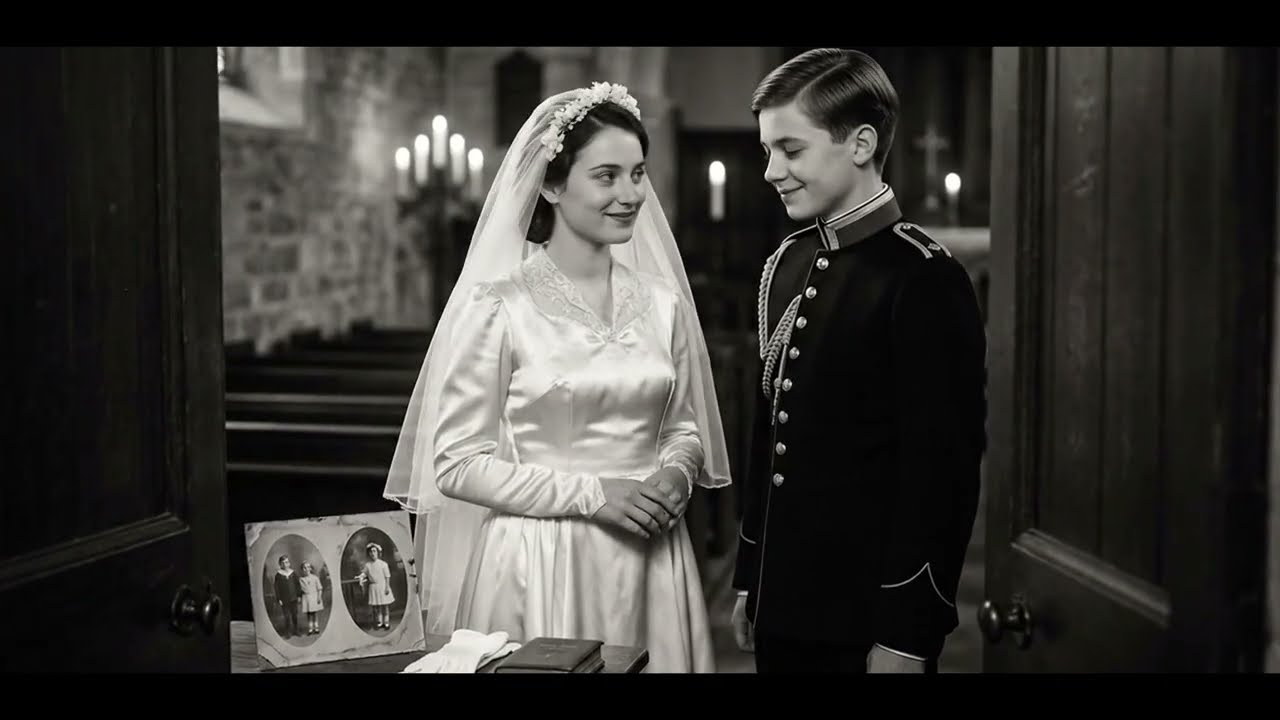
Prince Philip had long described the professor's mother as merely a friend, a girl he had known since he was three years old, when their families lived in exile, without money or homeland. Yet he had paid for her son's education at his old school. He stood as godfather to her children. He attended her wedding when he was a seventeen-year-old boy.

This is the story of a friendship the palace could never fully explain, and of a son who spent his life saying the one thing no one wanted to hear.
## Two Children Without a Homeland
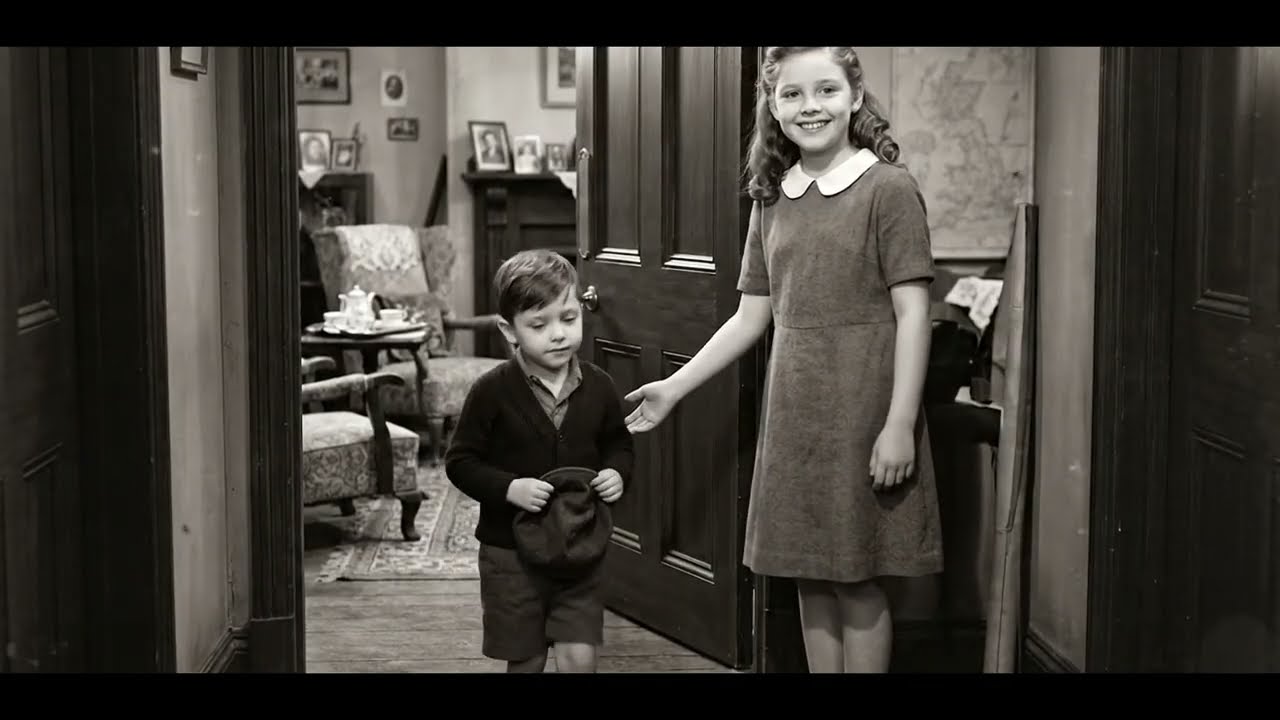
Before he was a prince of anything found on a map, he was a small boy in a rented apartment in Paris, and she was the older girl who welcomed him. Both were children of the same disaster.
In the early twentieth century, Europe's royal families were falling one by one, and the Greek royal family fell with them. Philip was born on June 10, 1921, on the island of Corfu, a prince of Greece and Denmark by blood, owning nothing of wealth. Before he turned one, everything collapsed. His uncle, King Constantine I, lost his throne. His father, Prince Andrew, was tried and exiled. The family fled.
The story that followed Philip ever since claims the infant was taken out of Greece in a cradle made from a fruit crate. Whether the crate story is fact or legend, its essence is true. He began life as smuggled goods from a country that no longer wanted his name.
The Fountaine family knew the same path. They were Greek royalists, expelled when the tide turned against the monarchy. Hélène's grandfather had been a wealthy man before exile emptied his pockets. He was remembered as a cotton magnate who lost the world he had built.
Both families ended up in France, among the scattered community of Greek and Russian exiles who filled the cheap suburbs of Paris in the 1920s, clinging to traditions they could no longer afford.
Hélène was born on July 3, 1917, in Marseille, making her roughly three years older than Philip. According to the account she told for the rest of her life, they met when she was six and he was three.
In the Fountaine house, Philip found something he found almost nowhere else: a family that was simply glad to see him.
Philip's childhood was not stable. His mother, Princess Alice, suffered a severe nervous breakdown and was placed in a sanitarium while he was still a boy. His four sisters married German princes and drifted into their own lives across borders. His father drifted south. Philip was passed between noble relatives who loved him unevenly, moving from France to England to Germany and back again, a boy with a title and no address.
In the midst of that wandering, the Fountaine family was a fixed point. Hélène was the older girl at its center.
The world would later look at the prince's adult loyalty to this woman and see only one explanation, the oldest and most scandalous. But the child taken from his country in a box, whose mother faded into illness)Skip