NUREMBERG, Germany — The trapdoor swung open at 1:52 a. m. on October 16, 1946, and the man who had orchestrated the military machinery of the Third Reich plunged into the darkness of the gymnasium gallows, but the snap that should have ended his life never came.
Field Marshal Wilhelm Keitel, the 64-year-old former Chief of the German Armed Forces High Command, did not die quickly. For 28 agonizing minutes, witnesses reported, the condemned war criminal convulsed at the end of the rope, his body twisting and jerking in a grotesque dance of death as the insufficient drop failed to break his neck, leaving him to strangle slowly in full view of the Allied officers, journalists, and medical staff who had gathered to witness justice being done. The hangman, American Master Sergeant John C.
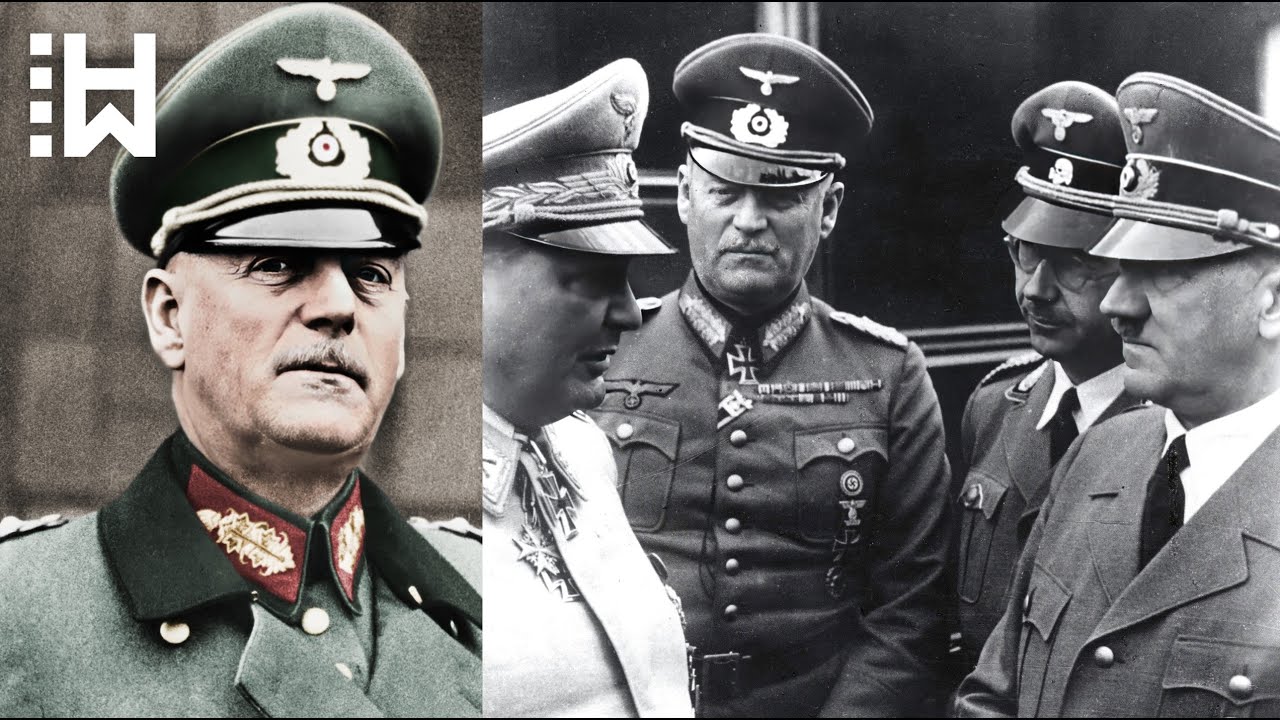 Woods, had miscalculated the drop length, and Keitel’s death became one of the most painful and prolonged executions in modern history, a fittingly brutal end for a man whose signature had authorized the murder of countless innocents across Europe.
The execution of Keitel, the highest-ranking military officer to face the gallows at Nuremberg, marked the culmination of a trial that had laid bare the criminal conspiracy at the heart of Nazi Germany. For over ten months, the International Military Tribunal had listened to harrowing testimony, examined thousands of documents, and watched films of liberated concentration camps that reduced hardened soldiers to tears. The verdict, delivered on October 1, 1946, was unequivocal: Keitel was found guilty on all four counts of the indictment, including crimes against peace, war crimes, crimes against humanity, and conspiracy to commit these atrocities.
As the sentence was read, Keitel stood rigidly at attention, his face pale, his hands trembling slightly, but his posture betraying the Prussian military discipline that had defined his entire adult life. He had requested death by firing squad, a soldier’s death, but the tribunal denied the request, noting that his crimes were not military in nature but criminal, and that he would hang like the common murderer the court deemed him to be.
The path to that gallows had been a long and bloody one, paved with the bodies of millions. Born on September 22, 1882, in the village of Helmscherode in the German Empire, Keitel was the son of a landowner who had initially expected his son to take over the family estate. But when his father refused to retire, the young Wilhelm joined the Prussian army as an artillery officer in 1901, a decision that would set him on a course toward infamy.
His marriage to Lisa Fontaine, the wealthy daughter of a brewery owner, in April 1909, produced six children, one of whom would die in infancy, and the family’s prosperity shielded him from the hardships that many Germans faced during the First World War. During that conflict, Keitel served on the Western Front, was seriously wounded by shrapnel in Flanders in 1914, and after recovery, was assigned to the Army General Staff where his organizational talents were first recognized. The war ended in November 1918 with Germany’s humiliating defeat, and the Treaty of Versailles that followed imposed crippling restrictions on the German military, limiting the Reichswehr to just 100,000 men and stripping the nation of territory and pride.
In the turbulent years of the Weimar Republic, Keitel navigated the political chaos with a single-minded focus on military advancement. He was retained in the new Reichswehr, helped organize the paramilitary Freikorps units that brutally suppressed communist uprisings, and by 1924, was transferred to the Ministry of the Reichswehr in Berlin, where he served in the Truppenamt, a shadow organization that concealed the existence of the proscribed German General Staff. It was during this period that Keitel’s ambition and his wife’s desire to be an officer’s wife rather than a farmer’s spouse solidified his commitment to a military career.
When Adolf Hitler and the Nazi Party seized power in January 1933, Keitel saw an opportunity. He played a crucial role in the clandestine rearmament of Germany, using front organizations like glider clubs and sporting associations to train pilots and soldiers in direct violation of the Treaty of Versailles. By 1935, he was appointed head of the Armed Forces Office, and in 1938, when the Ministry of War was abolished, he became the Chief of the newly created German Armed Forces High Command, effectively making him the second most powerful military figure in the Reich, subordinate only to Hitler himself.
His rise was met with disdain from his peers, who viewed him as a sycophant and a mediocrity. They called him “blindingly loyal toady” and “a stupid follower of Hitler” behind his back, and they frequently bypassed him to deal directly with the Führer. Hitler, for his part, valued Keitel not for his intellect or strategic acumen, but for his dogged obedience.
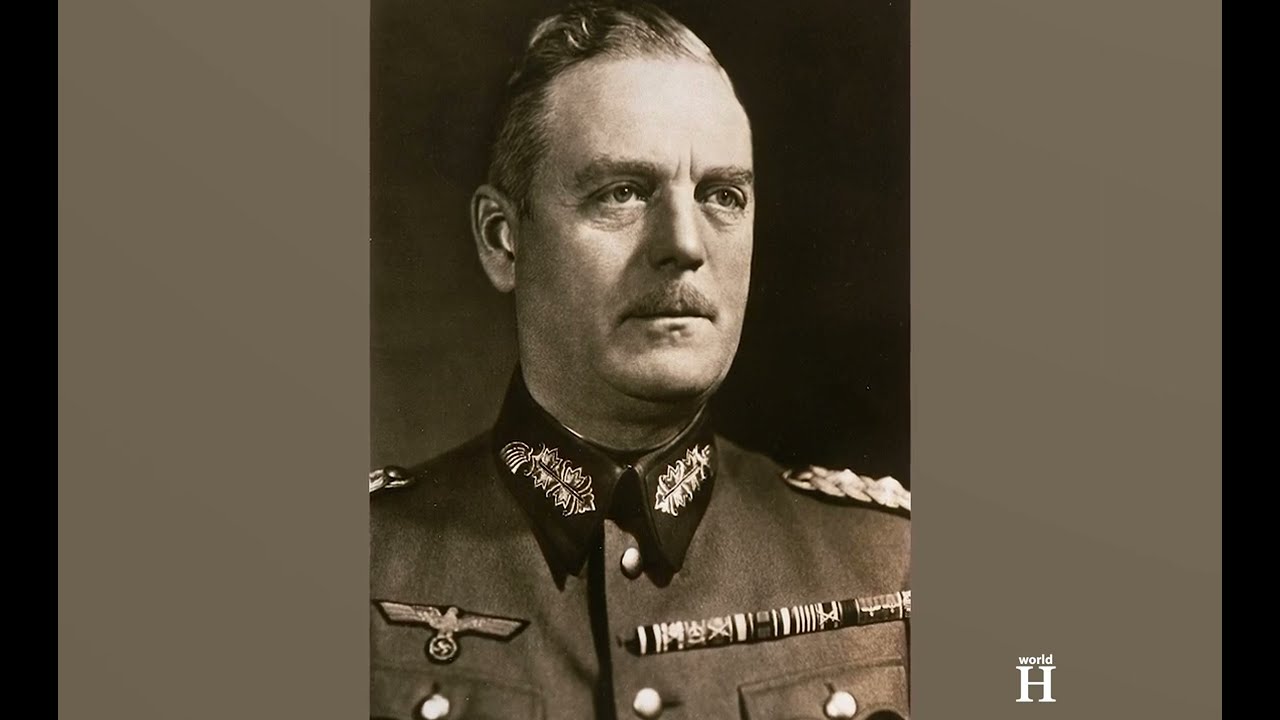 “He is as loyal as a dog,” Hitler once remarked, and it was this loyalty that Keitel would carry to the gallows. He supported Hitler’s plans to redraw the borders of Europe, participated in the Anschluss with Austria in March 1938, and was awarded the Anschluss Medal for his role in the annexation. When World War II began with the invasion of Poland on September 1, 1939, Keitel was deeply involved in the planning, fully aware of the criminal nature of the operation.
He added Poland’s intelligentsia to the list of those to be murdered, and in the first three months of the war, some 60,000 Polish officials, officers, landowners, clergy, and intellectuals were executed in the so-called Intelligentsia Action, a systematic ethnic cleansing that Keitel had helped to orchestrate. For his loyalty, he received a bonus of 100,000 Reichsmarks.
The German victories in the West only inflated Keitel’s sense of purpose. After the fall of France in June 1940, he described Hitler as “the greatest warlord of all time” and was promoted to field marshal. But the contempt of his colleagues remained.
Hermann Göring, the head of the Luftwaffe, sneered that Keitel had “a sergeant’s mind inside a field marshal’s body.” Undeterred, Keitel continued to issue and sign a series of criminal orders that would define his legacy. From April 1941, he authorized the execution of Jews, civilians, and non-combatants for any reason, exempting those who carried out the murders from court-martial or future prosecution.
He dismissed warnings about the logistical problems of invading the Soviet Union, telling his economic strategist that Hitler would not want to see the pessimistic studies. When Operation Barbarossa began on June 22, 1941, Keitel issued orders demanding “unusual severity” in stamping out resistance, including a directive that the execution of 50 to 100 “Communists” was the appropriate response to the loss of a single German soldier. In October 1942, he signed the infamous “Commando Order,” which authorized the killing of Allied special operations troops without trial, even if they were captured in uniform or attempting to surrender.
He also drafted the “Night and Fog” decree, which allowed German authorities to abduct suspected resistance members by night, making them vanish without a trace. Under this decree, approximately 7,000 individuals were arrested in occupied Western Europe, interrogated, tortured, and sent to concentration camps, their families left in agonizing ignorance of their fate.
The war brought personal tragedy to Keitel as well. His youngest son, Hans-Georg, was killed in July 1941 during the invasion of the Soviet Union, an attack that Keitel had helped to plan and execute. His eldest son, Karl-Heinz, was captured by the Russians at the end of the war.
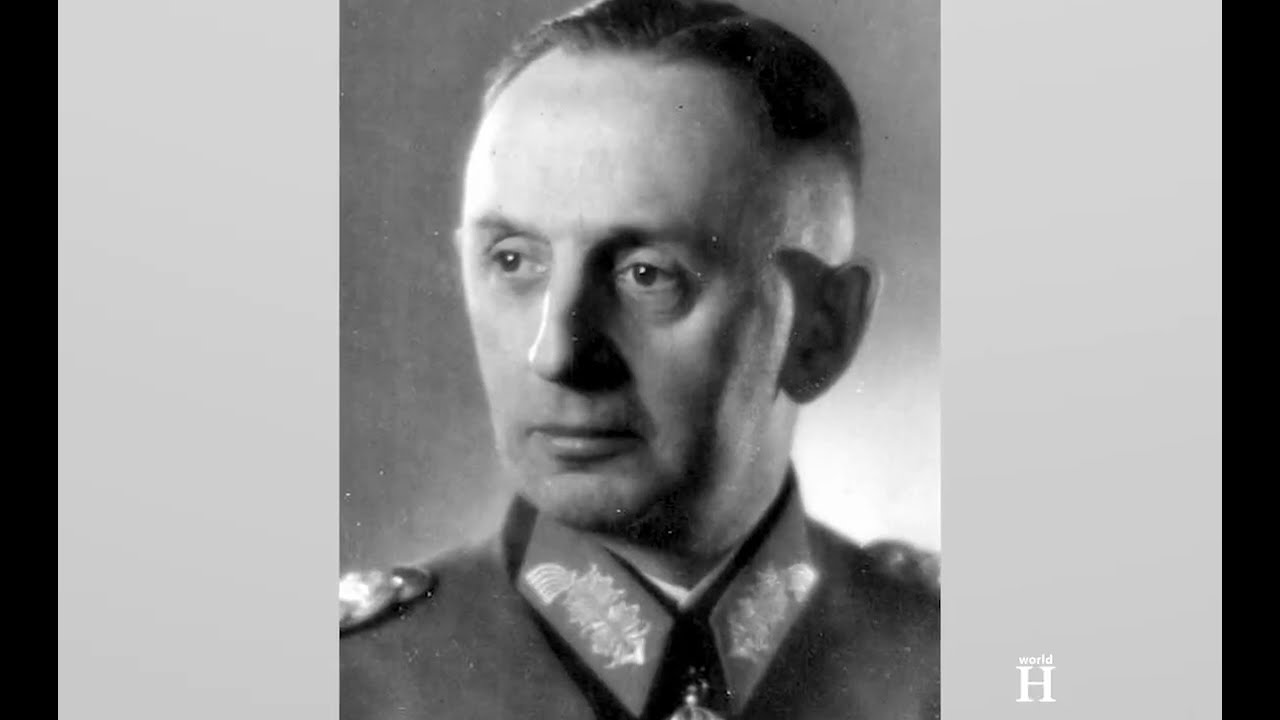 When the July 20, 1944, assassination attempt against Hitler failed, Keitel personally led the wounded Führer out of the bomb-damaged room and subsequently sat on the Army “court of honor” that handed over many implicated officers to the brutal People’s Courts. On Hitler’s orders, he sent two generals to Field Marshal Erwin Rommel, the famed Desert Fox whose involvement in the conspiracy remains debated, offering him the choice of suicide or a court-martial. To protect his family, Rommel chose the cyanide pill and was given a state funeral, with the official story claiming he had succumbed to injuries from an Allied strafing attack.
Keitel’s loyalty to Hitler never wavered, even as the Reich crumbled around them.
Adolf Hitler committed suicide on April 30, 1945, and on May 7, 1945, Alfred Jodl signed Germany’s unconditional surrender in Reims, France. But the Soviet High Command rejected that document, insisting that the supreme commander of all German forces, Wilhelm Keitel, must personally sign the definitive instrument of surrender. Fearing the creation of a new “stab-in-the-back” myth, the Allies wanted the highest-ranking German military officer to put his name to the document that ended the war in Europe.
On the night of May 8, 1945, Keitel signed the German Instrument of Surrender in Berlin, his face a mask of barely contained fury and humiliation. He was arrested shortly thereafter and brought before the International Military Tribunal at Nuremberg, where he was confronted with the full horror of the crimes committed in the name of the regime he had served so faithfully. In his defense, Keitel admitted that he knew many of Hitler’s orders were illegal, but he insisted that he had only followed them under orders and that all responsibility lay with the dead Führer.
He claimed that the atrocities had developed “step by step” without foreknowledge of the consequences, and he expressed agonies of conscience and self-reproach. The prison psychiatrist, G. M.
Gilbert, was unimpressed, noting that Keitel “had no more backbone than a jellyfish.”
The tribunal was equally unimpressed. On October 1, 1946, Keitel was found guilty on all four counts and sentenced to death by hanging. His request for a military execution by firing squad was denied, as the court deemed his crimes to be criminal rather than military in nature.
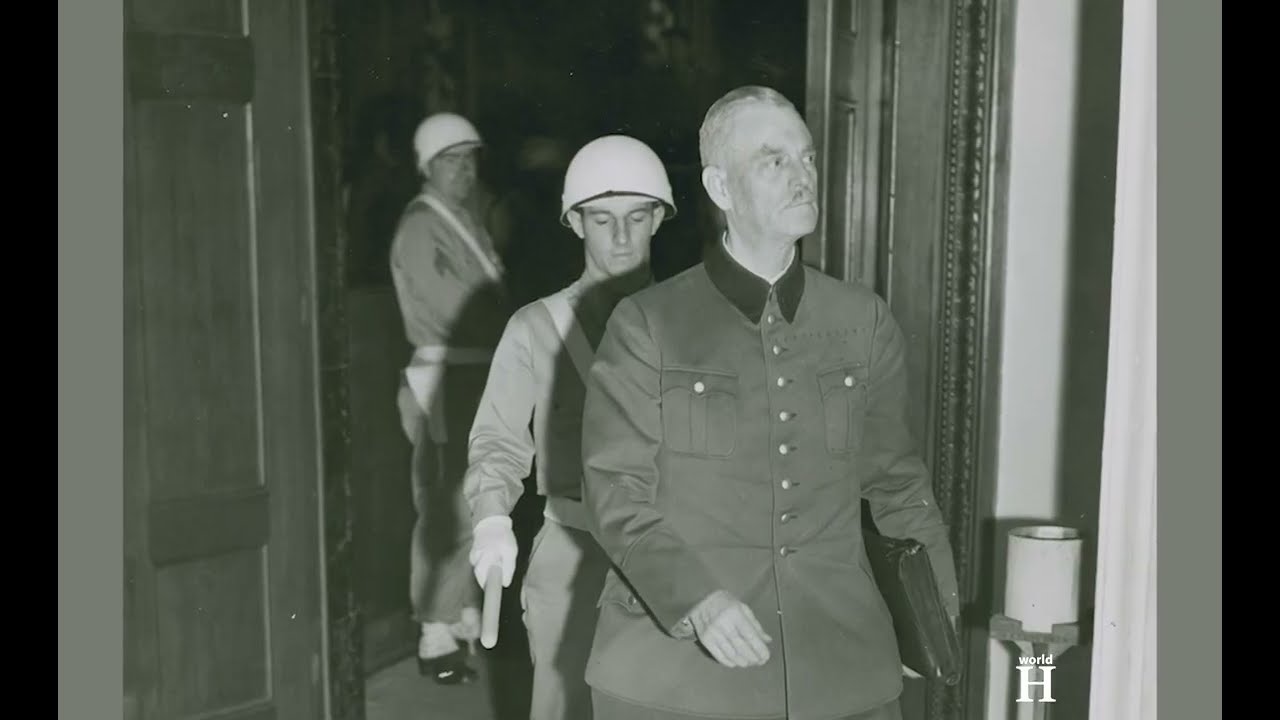 In the days before his execution, Keitel sought solace in religion, telling the prison chaplain, “You have helped me more than you know. May Christ, my savior, stand by me all the way. I shall need him so much.”
On the morning of October 16, 1946, he received Communion and was led to the gallows. His last words were a plea for mercy for the German people: “I call on God Almighty to have mercy on the German people. More than two million German soldiers went to their death for the fatherland before me.
I follow now my sons – all for Germany.” Then the trapdoor opened, and the execution began.
Sergeant Woods, the American hangman, had no documented pre-war experience in his grim trade, and his incompetence was on full display that night. The drop was insufficient to snap Keitel’s neck, and the trapdoor itself was too small, causing painful head injuries as he fell. For 28 minutes, Keitel convulsed and struggled at the end of the rope, strangling slowly in front of the assembled witnesses.
Some reports suggest that Woods was deliberately bad at his job, ensuring that the ten Nazi war criminals executed that day suffered prolonged and agonizing deaths. Keitel’s death was the longest of all, a final, brutal punishment for a man whose signature had sent millions to their graves. After his death, his corpse was cremated, and his ashes were scattered in the river Isar.
There were no tears shed for Wilhelm Keitel, no mourners at his passing, only the quiet satisfaction of a world that had finally seen justice done. The man who had been Hitler’s most loyal soldier, the “blindingly loyal toady” who had signed the orders that authorized mass murder, had met his end in a manner that matched the cruelty of his crimes. The gallows at Nuremberg had claimed another victim, but this time, the victim was one of the executioners of Europe.