In August 1944, the German city of Königsberg in East Prussia lay in ruins after a devastating RAF bombing raid. The attack destroyed much of the city, including its historic castle, and left an estimated 200,000 people homeless. Among the survivors were roughly 40,000 children, many of whom were now orphans. As the Red Army advanced in early 1945, these children faced a brutal choice: stay and face the oncoming Soviet forces, or flee into the unknown.
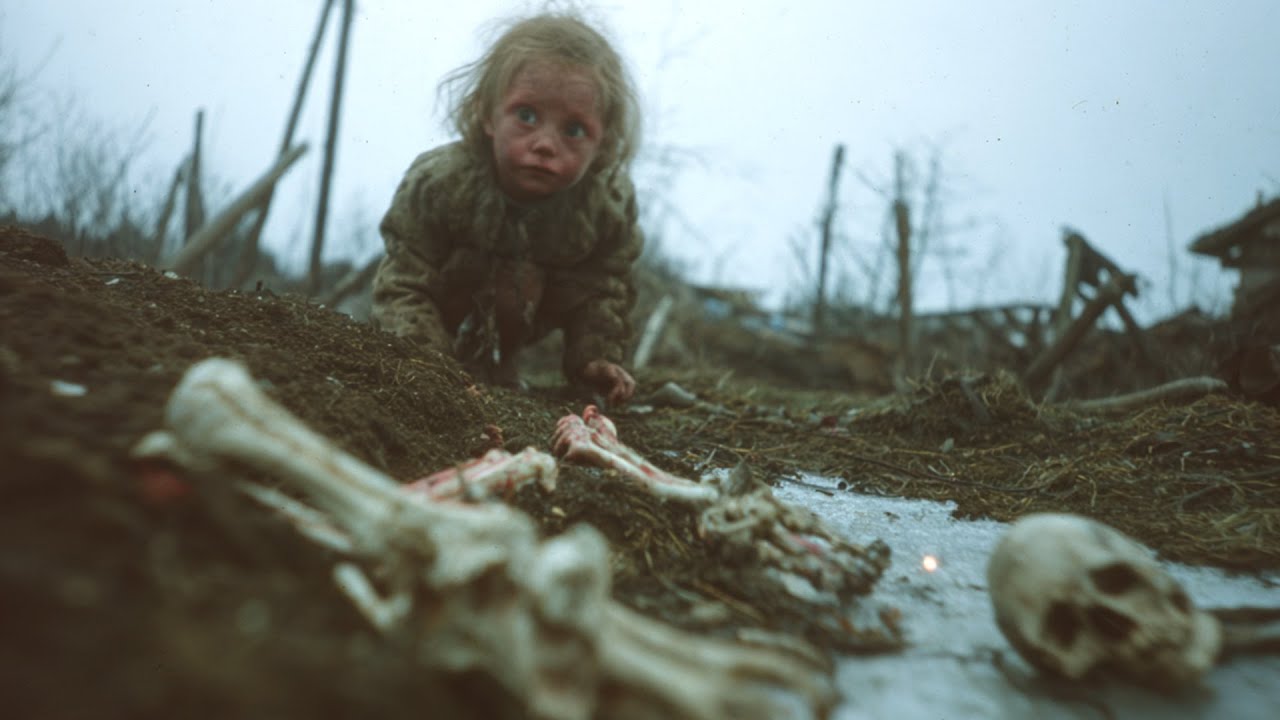
Many of these children scattered into the countryside, often heading east toward Lithuania. They became known as the *Wolfskinder*, or "wolf children," for their feral, desperate existence in the forests. One such child was five-year-old Helmut Falk, who became separated from his family at a train station when he wandered off to play. The last train leaving the city departed without him, leaving him alone in a warzone.

The trek east was deadly. Winter snows froze refugees where they stood, and the roads were lined with the bodies of those who had perished. For those who survived the journey, life in the Lithuanian forests was a constant struggle. The children survived by begging, stealing from farms, and hiding from authorities. They formed small packs for protection, but they were often treated as pests or thieves by locals who had suffered under Nazi occupation.
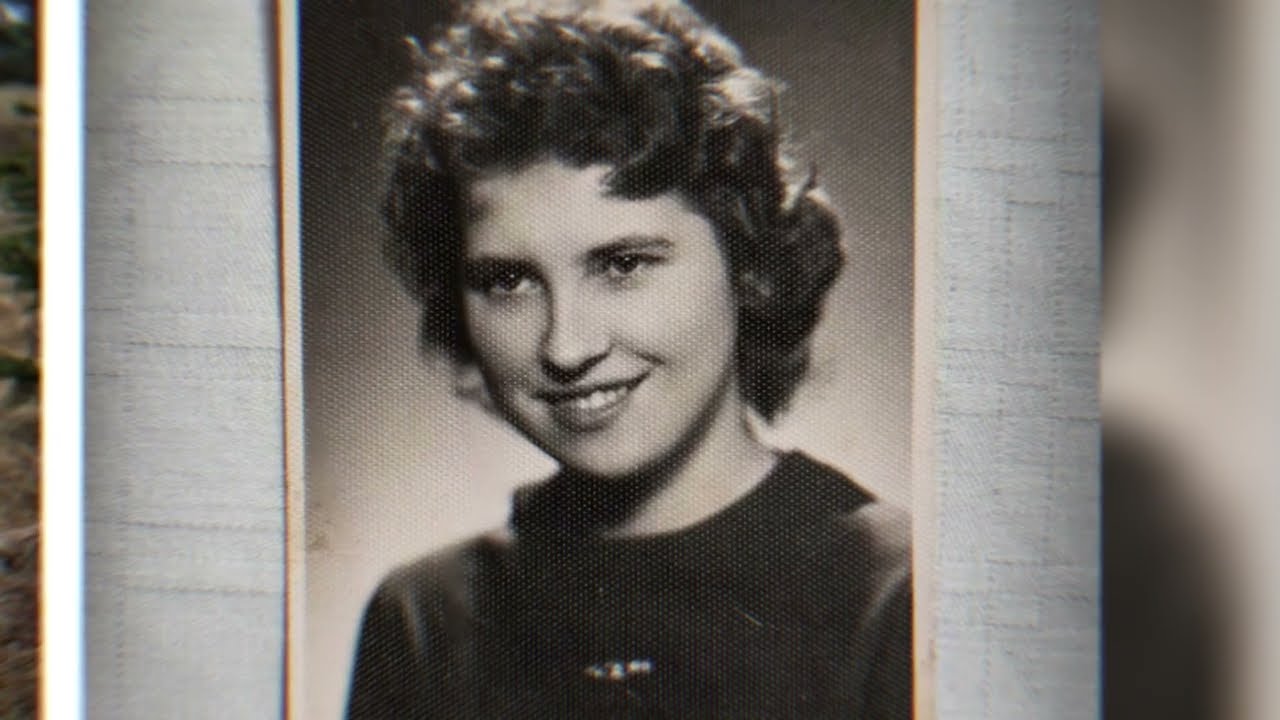
Twelve-year-old Eva Briskorn was one of the few who survived. After watching Soviet soldiers kill her siblings and her mother die of typhus, she was left completely alone. She spent years drifting, eventually hopping a train that took her to Lithuania instead of Germany. After collapsing from starvation, she was taken in by a hospital where she slowly recovered. She later learned Lithuanian and assimilated into the local society, hiding her German identity to avoid deportation.
The Red Cross made efforts to reunite wolf children with their families, but the process was slow and difficult. Many children had been separated from their parents for decades. Alfreda Müller was one of the lucky ones. After being separated from her mother and brother in 1945, she received a letter from her mother in 1957, who had survived a Siberian labor camp. Her brother also survived, though his health was destroyed by years in the gulag. He died of tuberculosis shortly after his release.
It wasn't until the 1980s that many wolf children were able to return to Germany. Eva Briskorn reunited with her father and sister in 1980, 35 years after she had last seen them. She had spent years in a hospital, recovered from malnutrition, and built a new life in Lithuania. Though she could never reclaim the lost years, she was able to reconnect with her family before her father's death in 1982.
The story of the wolf children remained largely unknown outside of Lithuania and Germany until the 1990s. Today, advocacy groups work to trace family histories and support the survivors, who are now in their 80s or older. Their story is a tragic reminder of the innocent victims left behind by war, and the long, painful road to recovery that many of them had to walk alone.