In the bleak winter weeks following the devastating Union defeat at the Battle of Fredericksburg, Virginia, on December 13, 1862, the two great armies of the Civil War settled into winter quarters on opposite banks of the Rappahannock River. The Army of the Potomac and the Army of Northern Virginia were separated by little more than an icy river, their camps situated within sight and sound of one another. The Confederates had won the bloody battle but lost an estimated 5,300 men, while the defeated Union forces suffered more than 12,000 casualties. Despite the proximity of the two hostile forces and the bitter cold, something unexpected began to happen along the riverbanks.
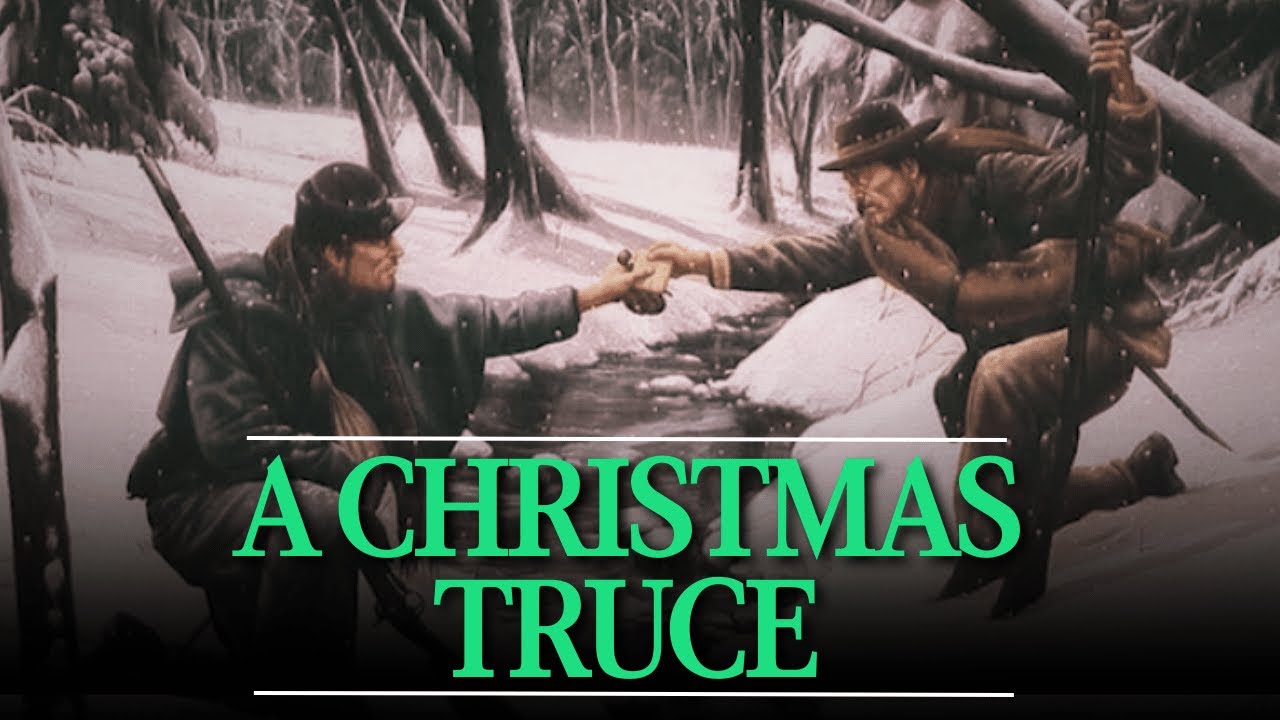
Unsanctioned ceasefires broke out unofficially along the lines as common soldiers, men who shared the same language and the same fears, began conversing across the water. They traded coffee for tobacco and tobacco for coffee, and in some cases, soldiers crossed the river without permission to visit their counterparts on the other side. Union morale in the wake of the December defeat was at its lowest point of the war, with desertions reaching their worst levels of the conflict. In an effort to mend broken spirits, a Union band took action and began moving from one federal encampment to another, playing martial airs and patriotic songs, including “The Battle Hymn of the Republic,” “Hail Columbia,” and “Father Abraham, We Are Coming.
”
During the impromptu concert, the musicians became aware of unexpected listeners. Hundreds of Confederate soldiers had taken seats along the opposite bank, watching and listening to the performance. At one pause in the music, a grizzled Southern veteran rose and shouted across the river, “I play some iron,” referring to the banjo or perhaps another stringed instrument, according to the account. The Union band responded by breaking into Southern tunes, including “Dixie” and “The Bonnie Blue Flag.
” As those familiar melodies floated across the water, thousands of soldiers from both armies rose and joined together in singing, with cheers and laughter echoing over the icy river. As evening approached and the sunset deepened into lavenders and purples, the band chose to play one final song: “Home Sweet Home. ” Thousands of men warring against one another began singing the lyrics, which at that moment carried more meaning than ever before, but many voices cracked and words were drowned by tears. Historian Bruce Catton later wrote that there was not a dry eye on the Rappahannock.
The event, believed to have taken place in January 1863, remains one of the most remarkable moments of the Civil War, a reminder that even amid a nation torn by conflict, the men who fought it shared a common humanity grounded in the same language, religion, dreams, and fears. As the last notes rolled across the landscape and the sun sank below the horizon, the soldiers drifted back to their respective camps, their thoughts turning to loved ones at home and the uncertain length of the war that had already consumed so many lives. The story carries a message that extends beyond the historical moment, a reminder that the American soldiers of that era, for all their divisions, remained bound together as one people.
The account offered a hopeful lesson, urging listeners to find peace not only with others but within themselves, and to rediscover the wonder of the holiday season.