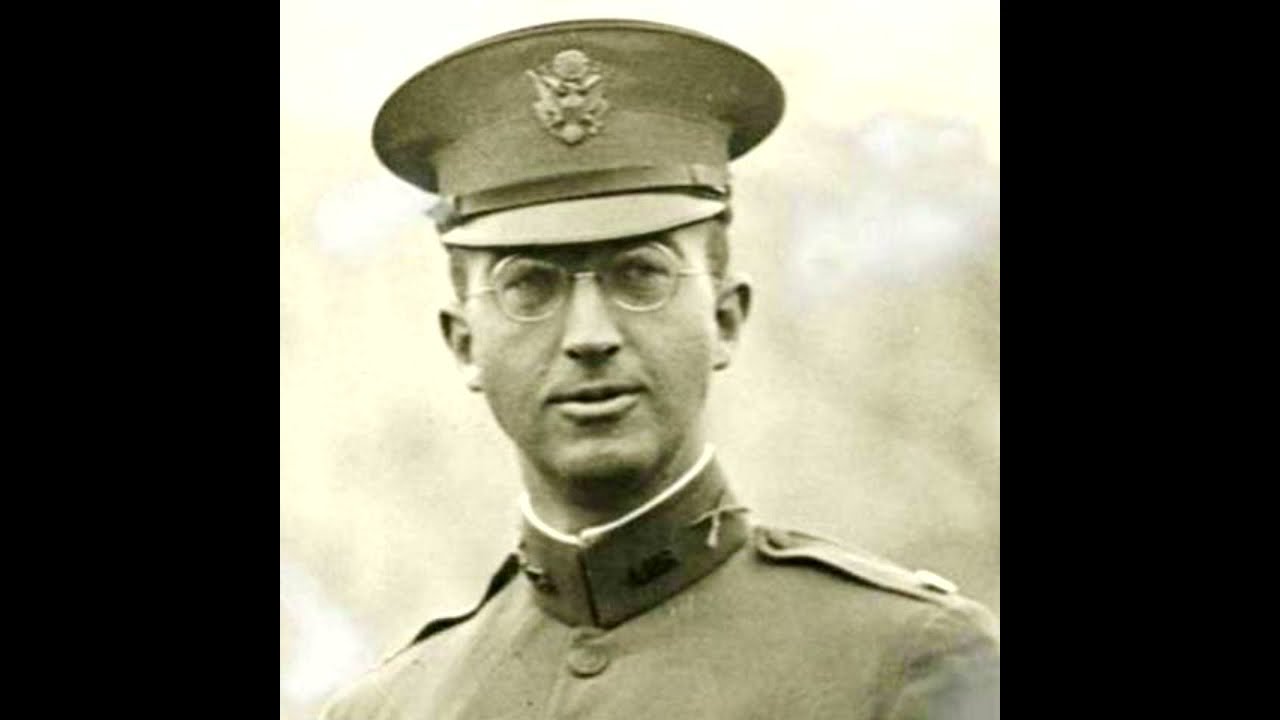
In October 1918, during the final months of World War I, nine companies of the 77th Division became isolated by German forces in the Argonne Forest. The unit, which would become known as the Lost Battalion, was roughly 555 men strong at the start of the action. They were led by Major Charles Whittlesey.
The ordeal began on October 2nd when the 77th launched an attack into the Argonne. The operation was based on the belief that French forces were supporting their left flank and that two American units, including the 92nd Infantry Division, were supporting their right. Within the 77th’s sector, some units, including Whittlesey’s 308th Infantry, made significant headway. Unknown to Whittlesey, the units on their left and right had been stalled.
Because of this lack of information, the men advanced beyond the rest of the Allied line. They soon found themselves surrounded by German forces. For the next six days, they endured intense combat and heavy losses while cut off from friendly troops.
The men of the Lost Battalion faced severe hardships. Food was scarce, and water was only available by crawling under fire to a nearby stream. Ammunition ran low, and communications were a constant problem. At times, they were bombarded by shells from their own artillery. Attempts to resupply the battalion by airdrop failed, with supplies either getting lost in the dense woods or falling into German hands.

Every runner dispatched by Whittlesey either became lost or ran into German patrols. As a result, carrier pigeons became the only reliable method of communicating with headquarters. In an infamous incident on October 4th, inaccurate coordinates were delivered by one pigeon, leading to friendly fire landing directly on the unit.
The battalion was saved by another pigeon that carried a desperate message. It read: "We are along the road parallel 276.4. Our artillery is dropping a barrage directly on us. For heaven's sake stop it." Despite the relentless pressure, the men held their ground. Their stand created enough of a distraction for other Allied units to break through the German lines, forcing the Germans to retreat.
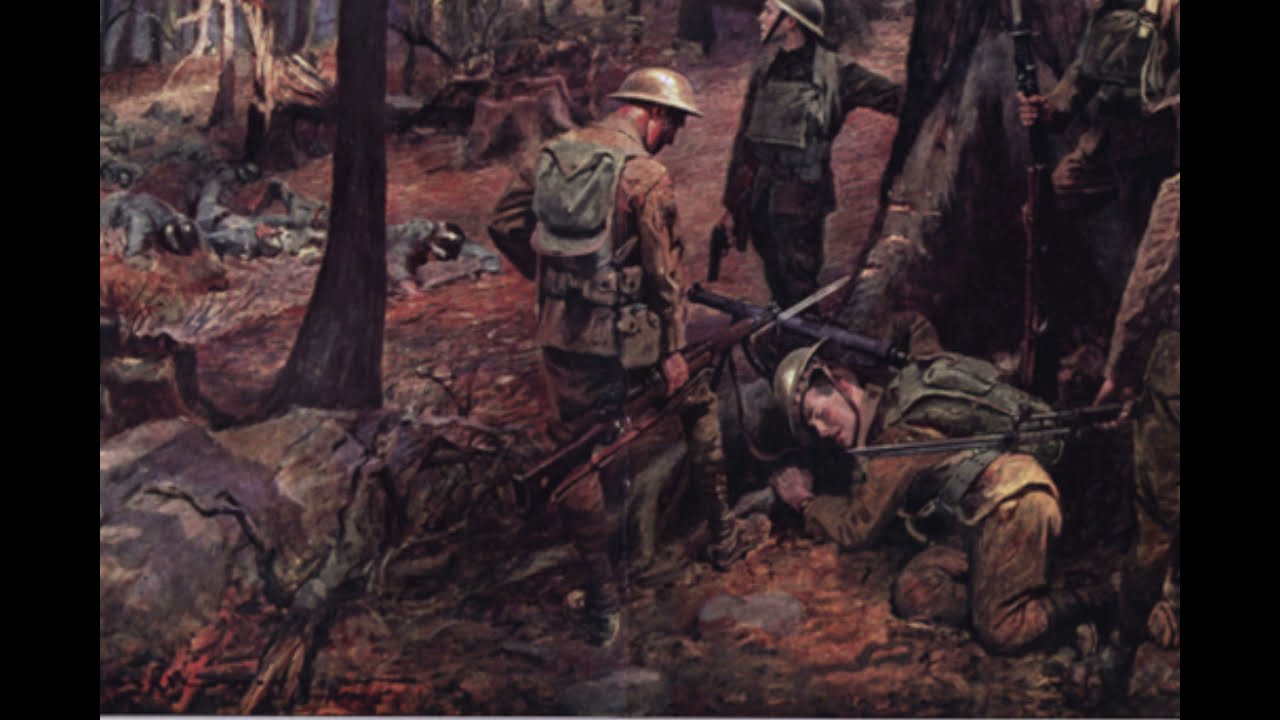
Of the over 500 soldiers who entered the Argonne Forest, only 194 walked out. The rest were killed, missing, captured, or wounded. Major Charles Whittlesey received the Medal of Honor for his leadership during the siege. He was later recognized as one of the pallbearers for the remains of the Unknown Soldier.
The story also includes a notable baseball figure. Former major league player and captain in the 77th Division, Eddie Grant, was killed in one of the missions to search for the battalion. A large plaque was placed in center field at the Polo Grounds in New York in his honor.