The quiet fields of rural Pennsylvania seemed a world away from the blood-soaked hedgerows of Normandy, but for Major Richard “Dick” Winters, the ghosts of the past were never far behind. The man immortalized in Stephen Ambrose’s “Band of Brothers” as the stoic, resolute leader of Easy Company survived the relentless onslaught of the German army, the freezing hell of Bastogne, and the capture of the Eagle’s Nest. Yet, according to newly surfaced biographical accounts, the greatest threat to his life after the war did not come from a Wehrmacht sniper or an artillery barrage.
It came from the trembling, alcohol-soaked hand of his best friend’s father, who leveled a loaded revolver at his chest in a New Jersey mansion.
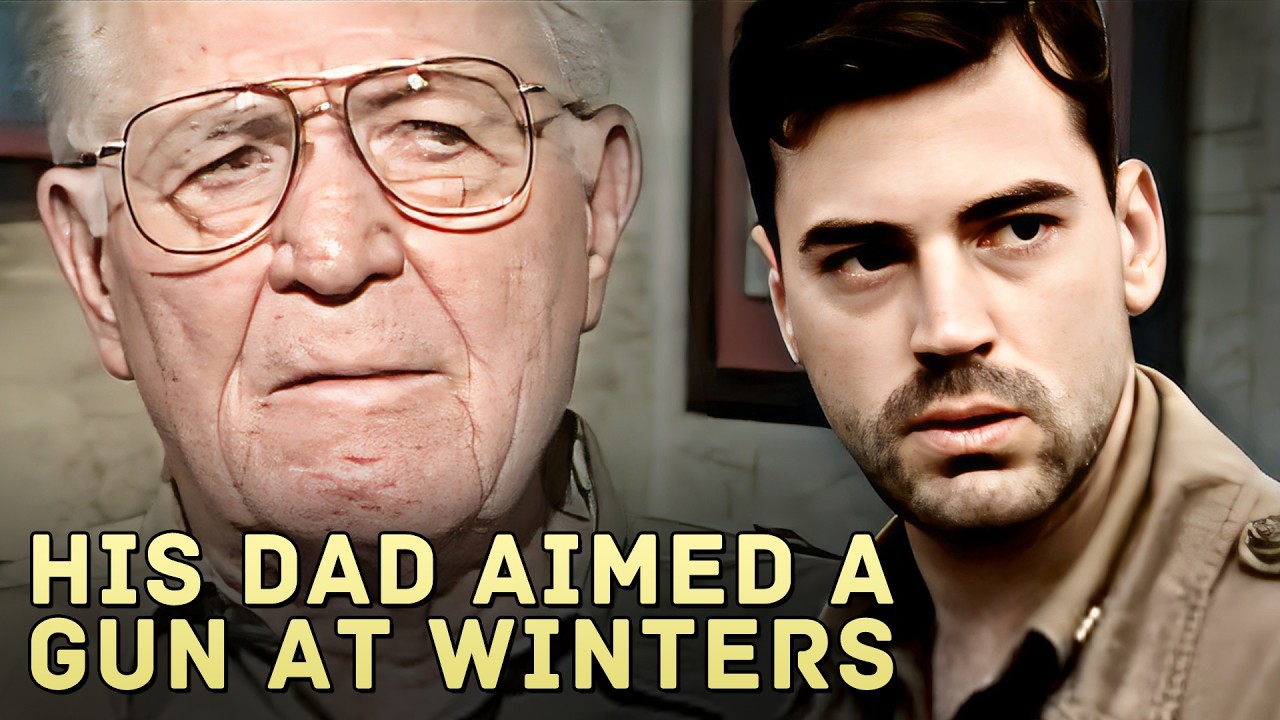 The incident, detailed in the comprehensive biography “Biggest Brother” by Larry Alexander, reveals a harrowing post-war chapter that Hollywood left untold. While the HBO miniseries concludes with Winters accepting a position at Nixon Nitration Works, the reality of his six-year tenure was a slow-burning psychological siege that culminated in a terrifying standoff. The war hero, who had faced down the elite of Hitler’s army without flinching, found himself staring into the barrel of a gun held by Stanhope Nixon, a man unraveling under the weight of alcoholism and familial neglect.
It was a moment of profound betrayal and danger that shattered Winters’ tolerance and forced him to walk away from the only civilian life he had known.
To understand the depth of the crisis, one must return to the autumn of 1945. A 27-year-old Winters, freshly discharged and carrying the weight of command, traveled to New York City to meet the patriarch of the Nixon family. Stanhope Nixon, a wealthy industrialist, offered Winters a role as personnel manager at the family’s plastics plant in New Jersey.
For a young man seeking stability, the offer was a lifeline. He accepted, moving his life to the Garden State to work alongside his wartime comrade, Lewis Nixon. The arrangement seemed ideal—a chance to translate battlefield camaraderie into civilian partnership.
But the foundation was cracked from the start, built upon the shifting sands of a family dynasty in decline.
The cracks began to show almost immediately. Lewis Nixon, Winters’ closest friend and the man who had shared his foxholes, was a shadow of his wartime self. He appeared at the plant only once or twice a week, not to manage, but to collect his paycheck and his mail.
When Winters confronted him, urging him to take an active role, Lewis replied with a disarming smile that his conscience wouldn’t allow him to take a job that someone else could do. Winters saw through the facade instantly. The same man who had been a brilliant tactical officer in combat was now a functional alcoholic, delegating the mundane details of life to others while he drifted through a haze of liquor.
The bond of war was the only thread holding their friendship together, and Winters found himself sitting by, watching his friend drink, waiting for the night to end.
The situation at Nixon Nitration Works deteriorated as the industry shifted. The company, built on cellulose nitrate—a highly flammable plastic used for film—was being rendered obsolete by safer acetate alternatives. Stanhope Nixon, spending most of his time in Florida or his New England summer home, made the cold, executive decision to downsize.
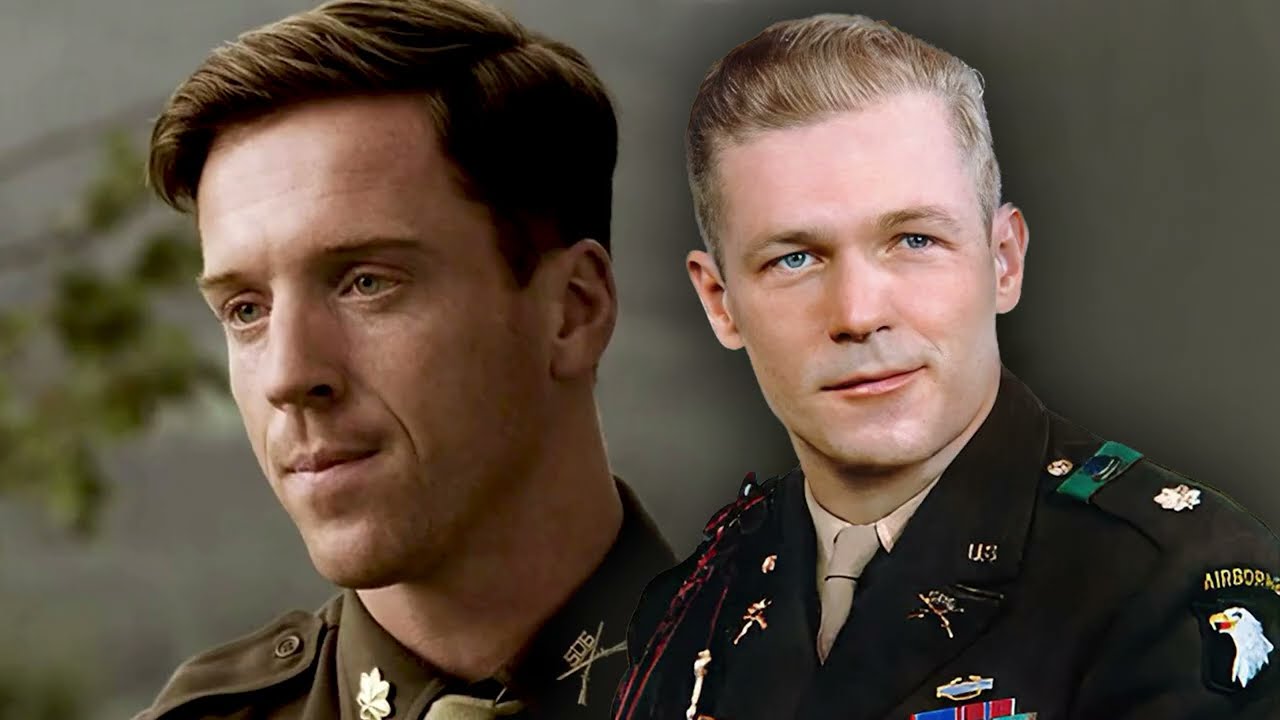 As personnel manager, Winters was tasked with the grim duty of firing the very men who had helped build the company. He became a harbinger of doom, a figure of dread whose approach sent shivers through the workforce. The pressure mounted as he was promoted to plant manager, inheriting the responsibilities that Charlie Schuster, the experienced president, had once handled before being let go himself.
Winters was now the sole captain of a sinking ship, taking orders from a distant, increasingly erratic owner.
Stanhope Nixon’s behavior became the central crisis. A worsening alcoholic, he was a volatile mix of entitlement and paranoia. He was embroiled in an 𝒶𝒻𝒻𝒶𝒾𝓇 with his Japanese housekeeper, Lillian, a relationship that added to the chaotic atmosphere of the Nixon household.
It was Lillian who placed the frantic call to Winters at the plant. “I must see you,” she pleaded, her voice trembling. “I can’t control him.”
She insisted that Winters, and only Winters, could intervene. Despite his reservations, Winters told his colleagues he was delivering mail to the boss and drove to the sprawling Nixon estate, a place called Fington Lake.
What Winters found inside that house would test his nerves more than any German ambush. The door was ajar. After knocking without response, he pushed it open, calling out into the silence.
Stanhope Nixon emerged from a hallway, half-dressed, his eyes unfocused, his balance unsteady. In his right hand, he held a pistol, the barrel aimed squarely at Winters’ chest. The scene was surreal: the man who had survived the Bulge, who had led men through the gates of hell, was now standing unarmed in a domestic no-man’s-land, facing a threat he could not outflank or outmaneuver.
Winters knew he had to act, not with aggression, but with the calm, deliberate precision that had defined his leadership in combat.
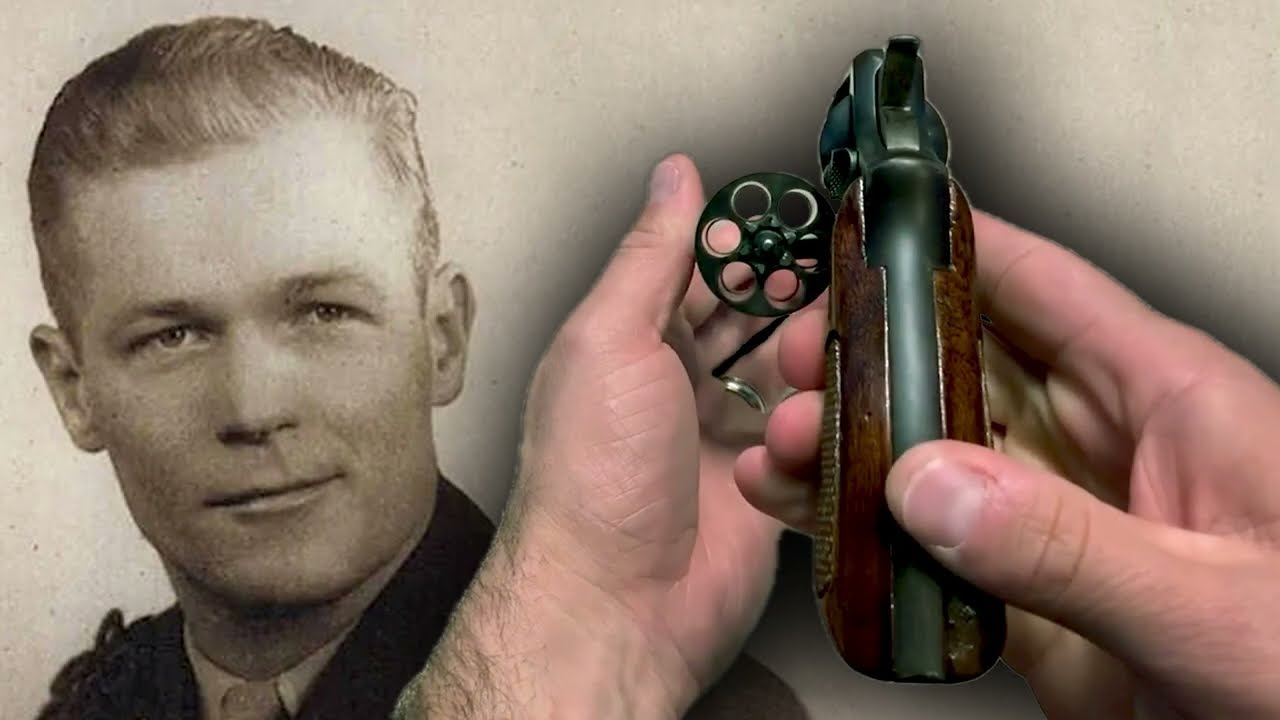 With his eyes locked on Stanhope’s, Winters began to walk forward slowly. He spoke of the mail, keeping his voice steady and low, a tactic to distract the inebriated man. He did not think of the war, or of his family, but only of the immediate need to disarm the situation.
He reached out, gently pushing the gun aside, and pried it from Stanhope’s grasp. He opened the revolver. It was empty.
All six chambers were spent. Glancing toward the screened-in porch, Winters saw six holes in the screen—the drunkard had been firing at ducks on his own pond. Stanhope laughed, a hollow, mocking sound.
“I’ll bet you thought I was going to shoot you,” he slurred. Winters wasn’t sure of anything in that moment, but he knew one thing with absolute certainty: he was done.
Winters placed the gun on the table and walked out the door. The decision to resign was immediate, but the execution required patience. He had a wife and a one-year-old son to support.
He could not simply walk away without a safety net. The universe, however, provided an escape hatch. The Army recalled him to active duty for the Korean War.
It was a grim irony—a war he did not want, but one that offered him a dignified exit from the Nixon nightmare. He served briefly at Fort Dix, New Jersey, before being given the option to resign. He took it without hesitation.
He had seen enough of war. But when he attempted to return to Nixon Nitration Works in September 1952, his position was gone, filled by someone else who had assumed he was shipping out to Korea.
 The aftermath of the gunpoint incident left Winters adrift. His best friend, Lewis Nixon, stepped in with a gesture of loyalty that transcended the dysfunction of his family. He gave Winters six months’ severance pay and signed over the company car.
It was a lifeline that allowed Winters to find his footing. He secured a position as a production supervisor at Johnson & Johnson in New Jersey before eventually purchasing a 300-acre farm in Lebanon County, Pennsylvania. It was there, in the quiet countryside, that Winters finally found peace, building a home for his wife Ethel and their children, Tim and Jill.
He started a successful livestock feed business, transforming himself from a celebrated soldier into a self-made entrepreneur.
The years at Nixon Nitration Works were a crucible of a different kind. While the war had tested his physical courage and tactical genius, the post-war years tested his mental fortitude and his tolerance for the decay of those he loved. The incident with Stanhope Nixon was not just a moment of physical danger; it was the symbolic death of the illusion that the post-war world would be a simpler, safer place.
It proved that the demons of the past—alcoholism, neglect, and entitlement—could be just as deadly as any enemy bullet. Winters’ decision to walk away, to prioritize his own sanity and his young family, was perhaps his most significant act of leadership after the war.
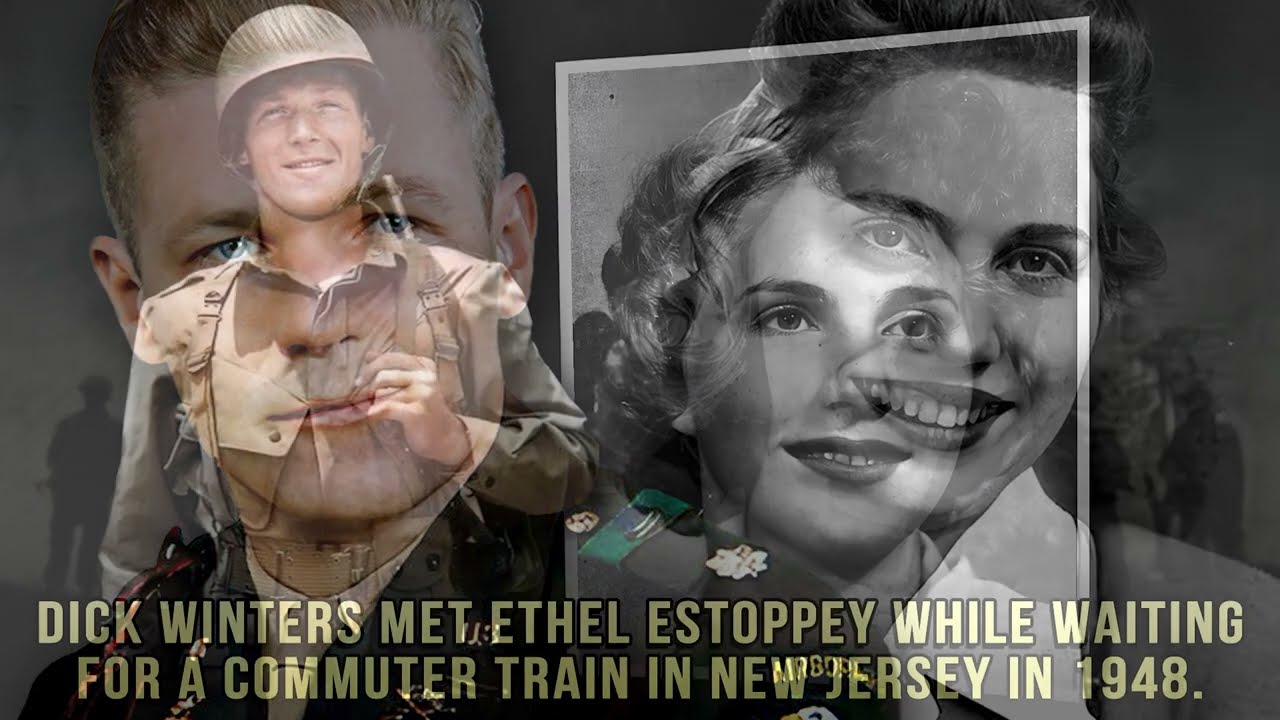
Yet, the story is not one of pure bitterness. It was during this period that Winters met his wife, Ethel, at a restaurant near the train station. And despite the trials, the bond with Lewis Nixon endured.
They remained close friends until Nixon’s death from diabetes complications in 1995. Their friendship, forged in the crucible of war, was a rare and invaluable resource. For Winters, having someone who understood the weight of Easy Company’s journey was essential to his own mental health.
The gunpoint incident, while terrifying, was a catalyst that pushed Winters toward the life he was meant to live—a life of quiet dignity, hard work, and family, far from the volatile whims of the Nixon family empire. The man who conquered Europe had finally conquered his own demons by walking away.