The man they called “The Beast” of Sobibor is dead, his body discovered in his secluded Brazilian hideaway with a knife lodged in his chest, a final, silent end to a life that redefined the depths of human cruelty. Gustav Franz Wagner, the deputy commandant of the Sobibor extermination camp, was found on October 3, 1980, in his home in the wooded hills outside São Paulo, a place where he had lived freely for nearly three decades, shielded from justice by a combination of bureaucratic loopholes, forged documents, and a world that had largely forgotten to look for him. Brazilian authorities would rule the death a suicide, a claim met with skepticism by Nazi hunters and survivors who knew the man’s history of violence, but the news sent a shudder through the global community, a stark reminder that the architects of the Holocaust had not all faced the gallows at Nuremberg.
Wagner’s death closes a chapter on one of the most brutal figures of Operation Reinhardt, the Nazi plan to exterminate the Jews of occupied Poland. Born in Vienna on July 18, 1911, Wagner was a mechanic by trade, but his trajectory from Austrian soldier to SS officer and mass murderer was paved by a fanatical devotion to the Nazi cause. He joined the Nazi Party in 1931, a full seven years before the Anschluss, and his political activities, which included painting swastika graffiti, landed him in an Austrian prison.
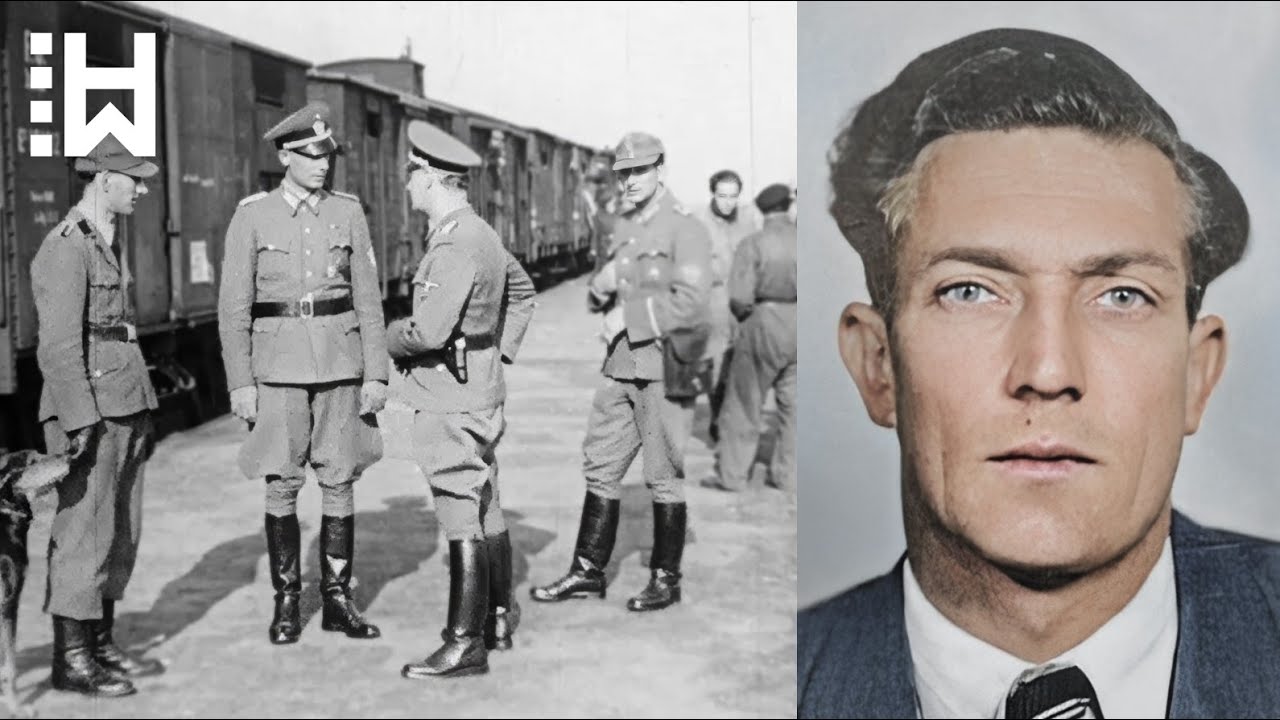 Upon his release in 1934, he fled to Germany, seeking refuge in the embrace of the regime he idolized, first with the SA and later with the SS under Heinrich Himmler, where he would find his true calling in the machinery of death.
His apprenticeship in murder began with the T4 program, the Nazi euthanasia initiative that systematically killed over 250,000 people deemed “unworthy of life,” including the disabled, the mentally ill, and institutionalized patients. Wagner worked at the Hartheim killing center near Linz, where his duties included the grim task of cremating the bodies of the victims, a job that desensitized him to the mass slaughter that was to come. This experience made him a prime candidate for the more ambitious horrors of Operation Reinhardt, and in March 1942, he was transferred to the Sobibor killing center, a remote camp in eastern Poland designed for one purpose: the efficient, industrial murder of Jews.
At Sobibor, Wagner rose to the position of deputy commandant under Franz Stangl, and it was here that he earned his monstrous reputation. Survivors described him as a towering figure, nearly two meters tall and weighing over 100 kilograms, with long, disproportionate arms that gave him the appearance of an orangutan. His physical deformities, including a severe shoulder misalignment that made him walk with a strange, lurching gait, only added to his terrifying presence.
But it was not his appearance that terrified the prisoners; it was his behavior. Wagner was not content to simply oversee the gassing operations; he actively sought out opportunities to 𝓀𝒾𝓁𝓁 with his own hands, using an axe, a shovel, a whip, or his bare fists to dispatch his victims with a casual brutality that shocked even his fellow SS officers.
His methods were sadistic and inventive in their cruelty. His favorite pastime was to shoot a father and son with a single bullet, forcing them to lean their heads together before pulling the trigger. On another occasion, he discovered a woman who had smuggled her baby into the camp in a knapsack; he forced the mother to kneel, shot the infant first, and then killed the screaming mother.
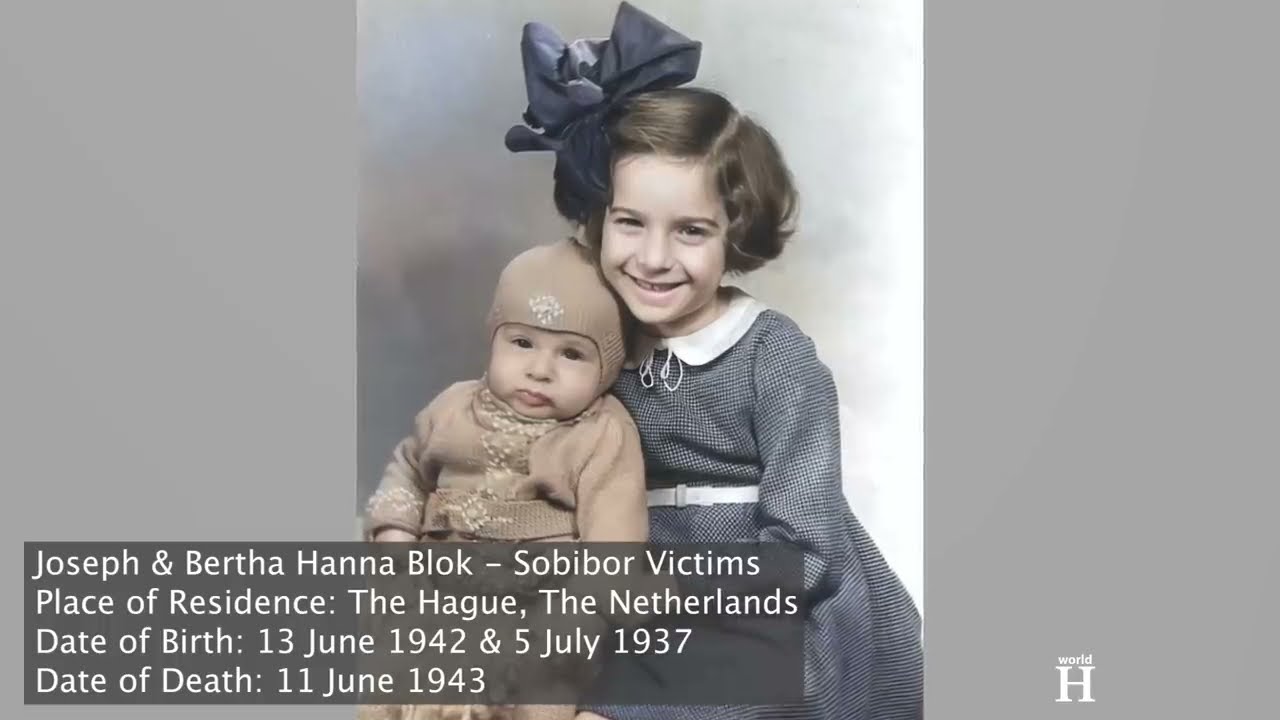 He would shoot prisoners for trivial offenses, such as stealing a can of sardines, and force inmates to sing demeaning songs while they worked or were being executed. The prisoners called him “The Beast” and “Wolf,” and his presence alone signaled that someone was about to die. He treated the camp as a source of entertainment, forcing prisoners to perform mock cockfights and engaging in sexual orgies with Jewish women before having them shot, as testified by fellow SS officer Erich Bauer after the war.
The camp itself was a factory of death, a rectangular plot of land surrounded by double barbed wire fences woven with tree branches to hide the horrors within. Between May 1942 and October 1943, approximately 250,000 Jews were transported to Sobibor, most of them gassed within hours of their arrival. The victims were told they were at a transit camp, that they would take showers and receive a meal before being sent to labor camps.
They were forced to undress, hand over their valuables, and then marched at a run to the gas chambers, where 450 to 550 people were packed in at a time. Carbon monoxide from a large engine was piped in, and within 20 to 30 minutes, all inside were dead. Those too weak or elderly to make the walk were shot in an open pit.
The SS staff, including Wagner, enjoyed privileges for their work: higher pay, regular home visits, and the spoils of their victims, including gold, food, and even toys taken from murdered children to give to their own families.
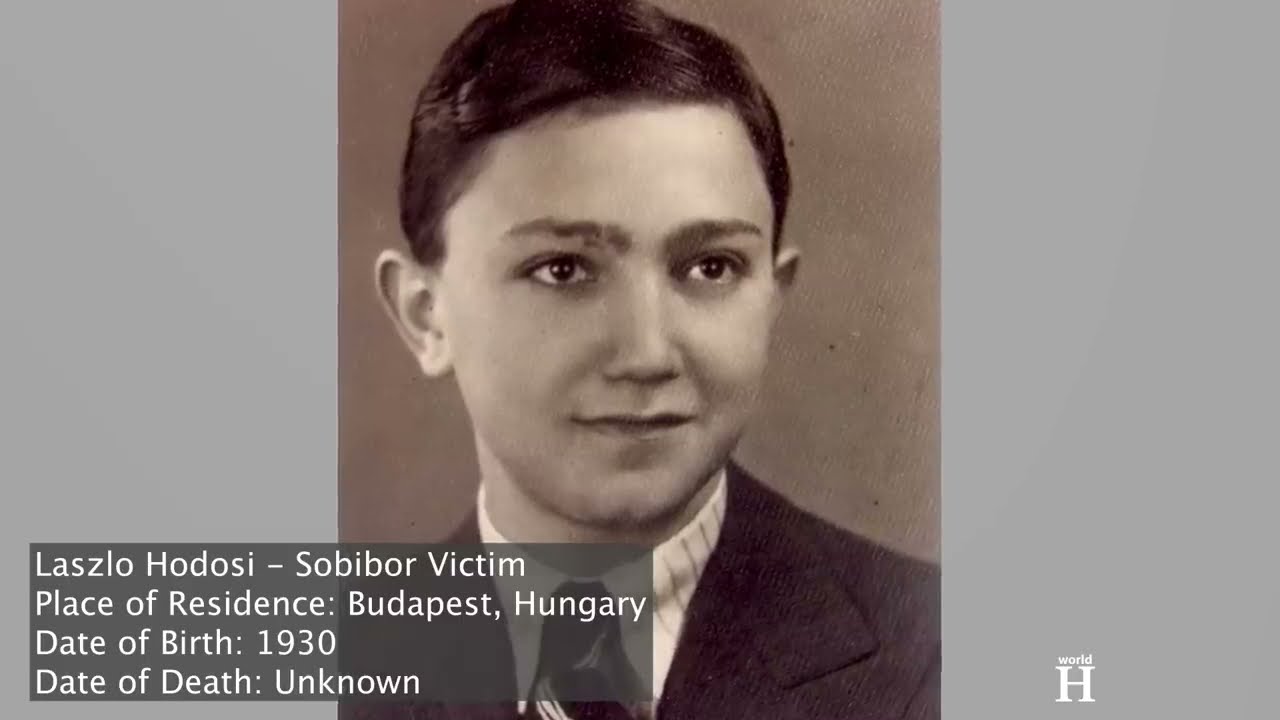 Wagner’s reign of terror at Sobibor was interrupted on October 14, 1943, when the prisoners, led by Soviet Jewish POW Alexander Pechersky, staged a daring revolt. The prisoners killed 11 SS officers and managed to escape, with approximately 300 breaking through the fences and minefields, though most were recaptured and killed; around 50 survived the war. Wagner was not present that day, having taken a holiday to celebrate the birth of his daughter, a fact that the prisoners had noted and used to their advantage, knowing that his absence would improve their chances of success.
After the revolt, Wagner was ordered to help dismantle the camp, ruthlessly commanding the Jewish prisoners who were forced to destroy the evidence of the atrocities before being killed themselves. For his service, he was awarded the War Merit Cross, and Himmler personally praised him as one of the most deserving men of Operation Reinhardt.
Following the liquidation of Sobibor, Wagner was transferred to Italy, where he participated in the deportation of Jews before the war’s end. He was captured by American forces but released after several weeks, a common occurrence for SS men who managed to hide their identities. In 1948, while working on a building site in Austria, he was spotted by his former commandant, Franz Stangl, who had escaped from prison and was on his way to Rome with the help of an underground Nazi escape network.
Wagner joined Stangl, and together they fled to Italy, where they sought the assistance of Bishop Alois Hudal, a priest who ran one of the “ratlines” that helped Nazi war criminals escape Europe. Hudal provided them with Red Cross passports, and within three weeks, they sailed for Beirut, Lebanon, eventually making their way to Brazil in 1952.
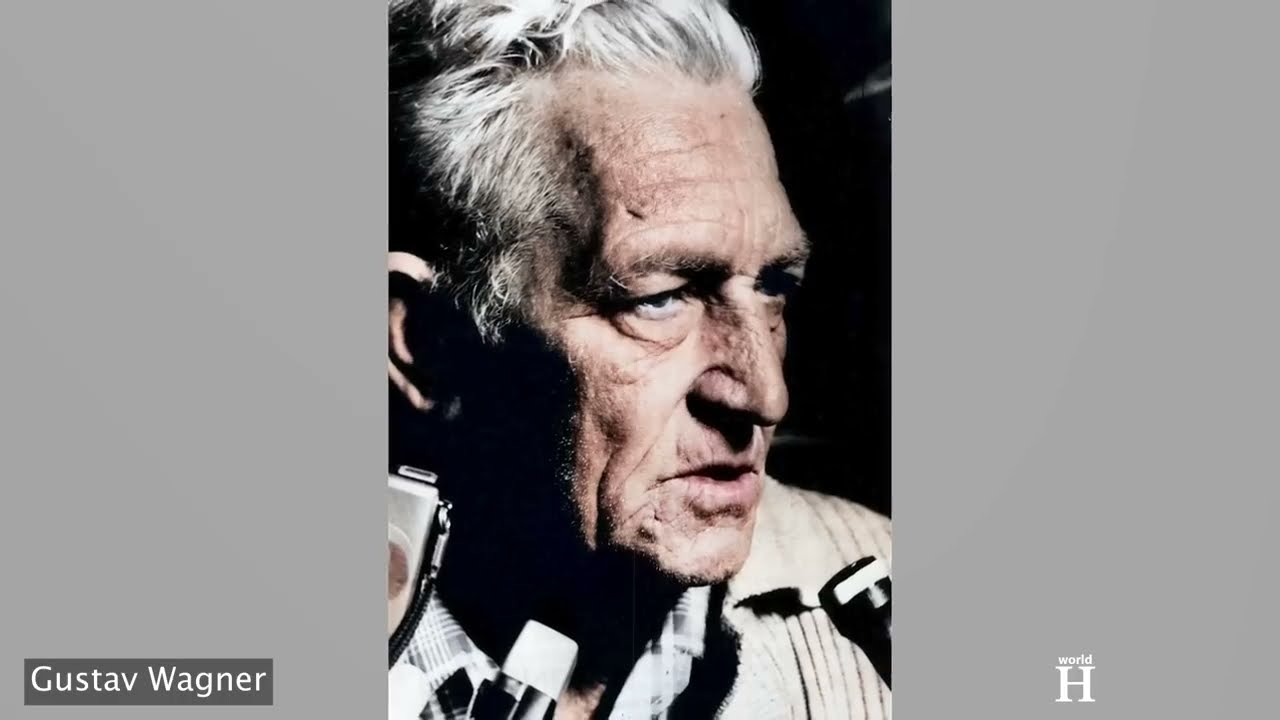 In Brazil, Wagner lived openly under his own name, marrying a Brazilian woman and building a solid, Bavarian-style house in the isolated hills outside São Paulo. For 26 years, he lived a quiet life, and no one in Brazil ever questioned his past. Meanwhile, in Germany, prosecutors believed he was hiding in Egypt, and it was not until 1978 that Nazi hunter Simon Wiesenthal tracked him down, leading to his arrest on May 30 of that year.
The arrest sparked international demand for his extradition, with West Germany, Austria, Poland, and Israel all seeking to put him on trial. Wagner, who had been sentenced to death in absentia in Poland, grew increasingly unstable in prison, attempting suicide three times by swallowing broken glass, cutting his wrists, and bashing his head against a wall. The Brazilian Supreme Court, citing a technicality, refused to extradite him, and he was released.
In a 1979 BBC interview, Wagner showed no remorse, stating, “I had no feelings. It just became another job. In the evening we never discussed our work, we just drank and played cards.”
He expressed no regret for the hundreds of thousands of deaths he had overseen, and his cold, detached demeanor shocked the world. His death a year later, with a knife in his chest, was officially ruled a suicide, but many believe that former Nazis or others with a grudge may have silenced him permanently. There were no tears shed for Gustav Wagner, only a quiet sense of relief that a man who embodied the darkest depths of human depravity was finally gone.
His legacy remains a chilling testament to the banality of evil, a reminder that the monsters of history often walked among us, wearing the faces of ordinary men.