The final gasp of a regime built on industrialized murder was heard in a Polish prison cell on the 26th of October 1948, as Elsa Erich, a former SS overseer whose name became synonymous with sadistic cruelty, was hanged for her crimes. The 34-year-old, who had callously beaten and killed children in front of their horrified mothers at the Majdanek concentration camp, had her desperate plea for clemency rejected by Polish President Bolesław Bierut. Her execution marked the definitive end of a brutal career that saw her rise from a slaughterhouse worker to one of the most feared women in the Nazi camp system.
Erich’s trial and subsequent death sentence were the culmination of a painstaking pursuit of justice that began with the liberation of Majdanek in July 1944. As the first major Nazi camp to be freed by Allied forces, its horrors were laid bare for the world to witness, providing the first irrefutable evidence of the systematic genocide that defined the Holocaust. The testimony of survivors, who described Erich’s penchant for violence with chilling clarity, painted a portrait of a woman who derived genuine pleasure from the suffering of others, a stark contrast to the image of a remorseful mother she attempted to project in her final days.
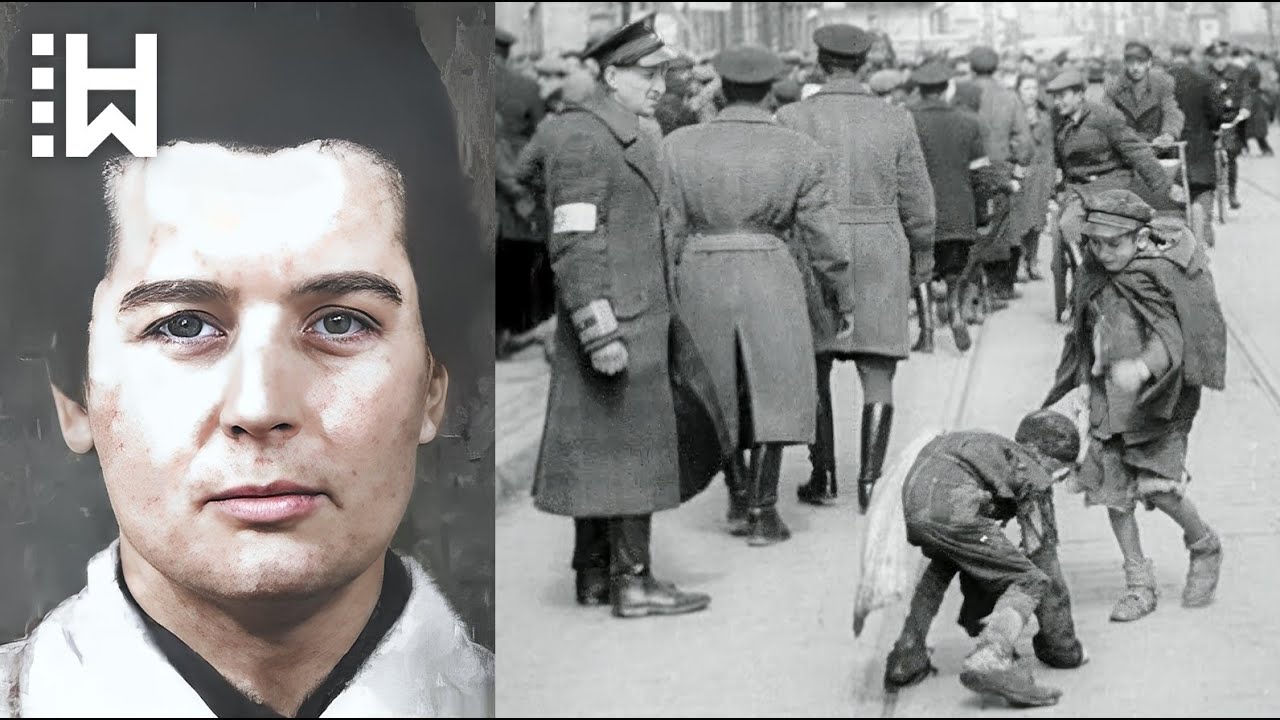 Born on the 8th of March 1914 in the town of Breda, then part of the German Empire, Erich’s early life gave little indication of the monstrosity she would later embody. Baptized as a Protestant on the 1st of June 1914, she was the daughter of Anna and Albert, a skipper by trade. After completing her schooling, she found work at a local slaughterhouse, an occupation that would later take on a grimly ironic significance given her role in the mass murder of innocents.
The economic desperation of the early 1930s, which saw millions of Germans unemployed, created a fertile ground for the Nazi Party’s rise to power, a political earthquake that would forever alter the trajectory of her life.
With Adolf Hitler’s appointment as Chancellor on the 30th of January 1933, the Nazi state rapidly consolidated its power, establishing a network of concentration camps across the country to imprison political opponents and those deemed “subversive.” These camps, controlled by the SS, became the cornerstone of a terror apparatus that would eventually expand to encompass the systematic annihilation of European Jewry, a plan euphemistically termed the “Final Solution.” The outbreak of World War II on the 1st of September 1939, with the German invasion of Poland, set the stage for the industrial-scale atrocities that would soon follow.
On the 15th of August 1940, Erich volunteered for service as an SS guard at the Ravensbrück concentration camp, the only major women’s camp established by the Nazis. She was among the 150 female supervisors who staffed the camp alongside SS men, women who were either ideologically committed to the Nazi cause or attracted by the relatively good pay and working conditions. The camp, which opened in May 1939, held approximately 132,000 women from across Europe, of whom over 92,000 perished due to inhumane conditions, forced labor, and systematic murder.
Erich’s enthusiastic performance of her duties did not go unnoticed, and by 1941 she had been promoted to the rank of SS Report Leader, a position notorious for its brutality.
As a Report Leader, Erich’s primary duty was to conduct the daily and evening roll calls, grueling ordeals that could last for hours in all weather conditions, forcing prisoners to stand at attention until they collapsed. She also oversaw camp discipline and the training of junior SS personnel, responsibilities she carried out with a zeal that quickly earned her a reputation for extreme cruelty. Her transfer to the Majdanek concentration camp in mid-October 1942, where she became the head female overseer in charge of the women’s camp, placed her at the epicenter of the Holocaust’s killing machine.
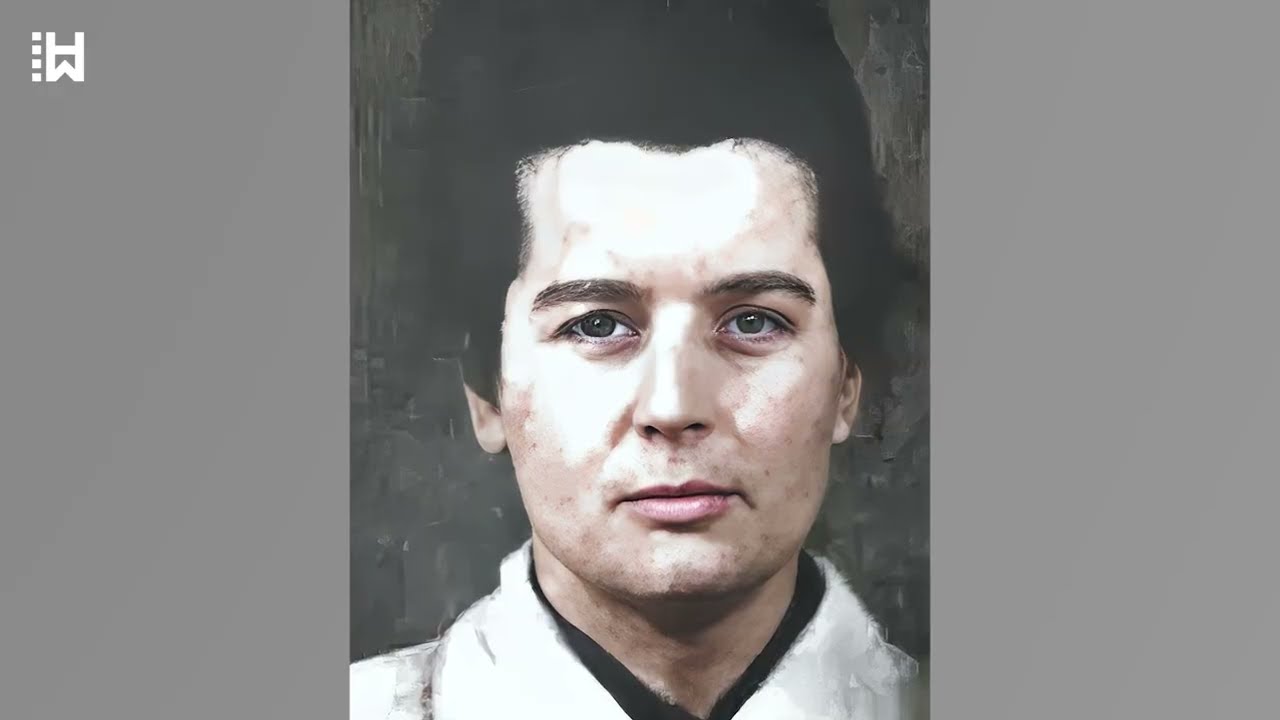 It was here that her sadism would find its most horrific expression.
Upon arrival at Majdanek, prisoners were stripped of their identities, their belongings confiscated, and their names replaced with numbers. Children were registered with their mothers under the same number, a bureaucratic detail that underscored the Nazis’ intention to annihilate entire families. The admission process itself was designed to humiliate and terrorize, with prisoners forced to strip naked in front of SS personnel and subjected to brutal “bathing” and disinfection procedures.
Survivor Jadwiga van Jeta recalled the trauma of this experience, describing the shock of being forced to undress under the leering gaze of male guards, their resistance met with shouts and physical violence.
The living conditions in the women’s barracks were appalling, lacking even the most basic sanitary facilities when the first female prisoners arrived in October 1942. Erich, along with her deputy Hermine Braunsteiner, was responsible for the daily roll calls and the assignment of female prisoners to labor groups, duties that gave her absolute power over life and death. In the winter of 1941-42, the camp authorities began using Zyklon B gas to murder prisoners too weak to work, with mass murder operations continuing until the end of 1943.
The camp had three gas chambers, two of which were converted shower rooms, capable of holding up to 300 people at a time. Erich actively participated in the selections for the gas chamber, a role that made her directly responsible for the deaths of thousands.
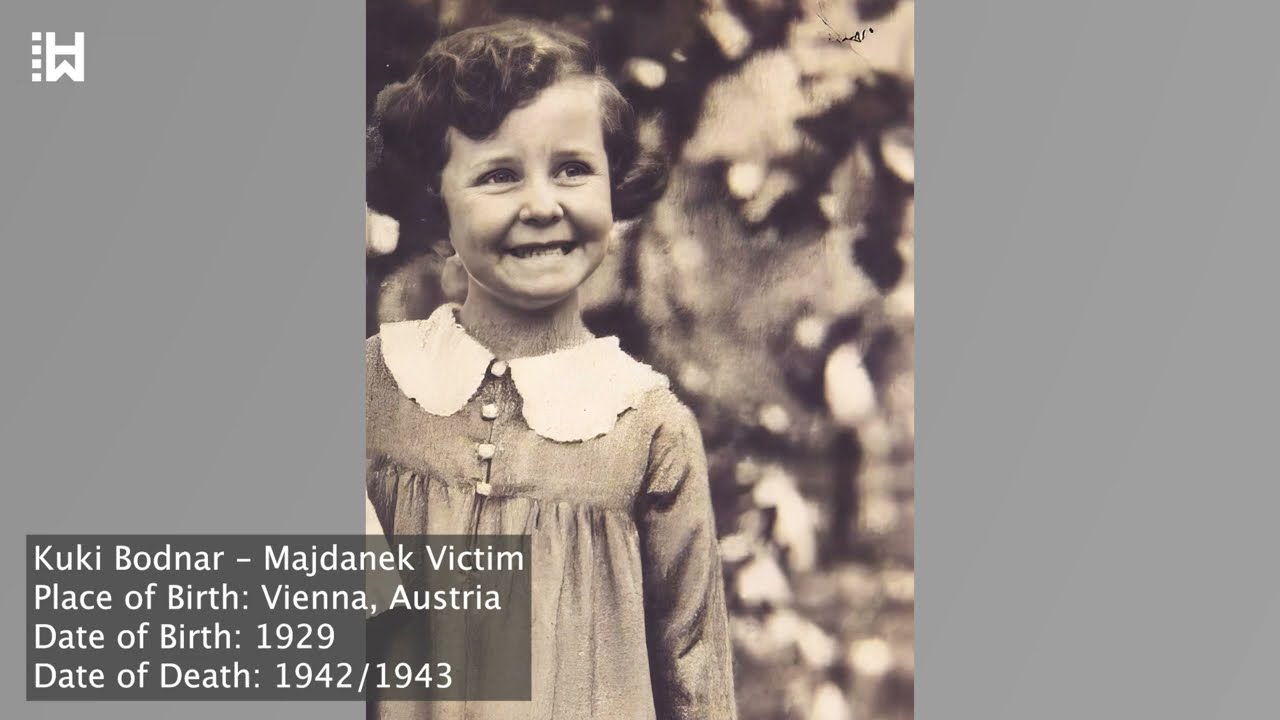
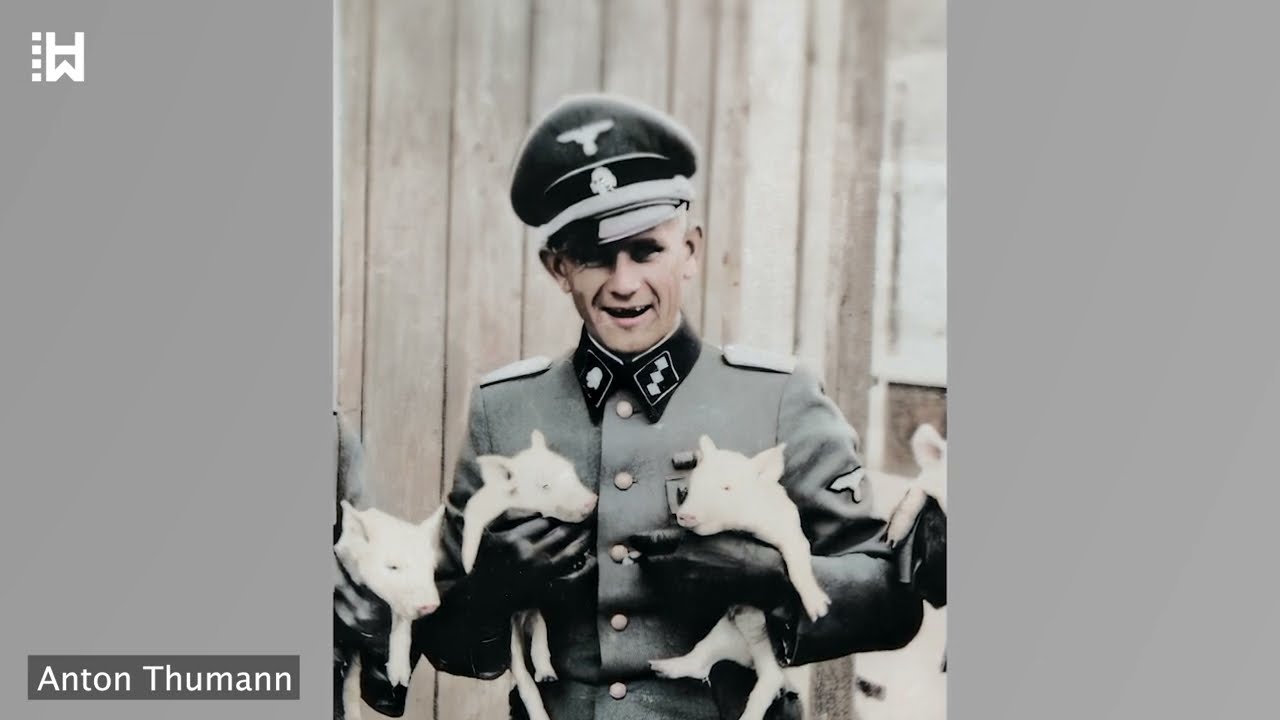 Survivors’ testimonies paint a harrowing picture of Erich’s methods. One former inmate recalled how she would lure children to their deaths by offering them cocoa and candy, only to have them loaded onto trucks moments later, still smiling with sweets in their hands, destined for the crematorium. Her background as a butcher’s assistant was often cited by prisoners who described her as “primitive,” yet it was her unrestrained cruelty that set her apart.
She was known to slap and kick prisoners for no reason, deriving particular pleasure from brutalizing the weak, emaciated, and elderly. She had a habit of punching women in the face until blood flowed, and she did not spare children, whom she would beat and 𝓀𝒾𝓁𝓁 in front of their mothers.
Dr. Stefania Panova, a prisoner who tried to improve medical care for the inmates, once requested an allowance of milk for her sick babies. Erich responded by slapping her across the face and screaming, “This is not a sanatorium but a death camp.”
Panova later testified that while everyone in the camp beat prisoners, no one did so with the same passion and cold cruelty as Erich. “She beat with passion and cold cruelty in her eyes,” Panova recalled. “No SS woman did it as hard and as severely as she did.”
Erich referred to female prisoners with contempt and hatred, seizing any pretext to assault them, and she selected children, the elderly, and the weak for the gas chambers with great zeal, never showing mercy to anyone.
 In early 1943, Erich even attempted to establish a brothel in the camp, a project that was only abandoned after one of the enslaved 𝒔𝒆𝒙 workers was diagnosed with typhus. Her own health suffered when she contracted typhoid in February 1943, but this did little to temper her brutality. As the tide of war turned against Germany, the SS intensified its efforts to eliminate evidence of its crimes.
In November 1943, as part of Operation Harvest Festival, approximately 42,000 Jews were massacred in a single day across the Lublin District, with music played through loudspeakers to drown out the sound of gunfire. At Majdanek, Erich supervised the loading of sick prisoners onto trucks destined for execution, pulling blankets off them and lashing Dr. Panova with a whip when she tried to cover their nakedness, coldly stating, “Do not waste hospital property.”
Following the evacuation of Majdanek, Erich was transferred to the Płaszów concentration camp and later to the Neuengamme concentration camp in Germany, where she worked until April 1945. In May 1945, shortly after the end of the war, she was arrested by British occupation authorities in Hamburg and transferred to U. S.
custody at the war crimes camp in Dachau. It was there that she shared a cell with Maria Mandl, another equally sadistic Nazi overseer from Ravensbrück, a fitting alliance of two women whose cruelty had become legendary. In 1948, Erich was brought before the District Court of Lublin for the second Majdanek trial, accused of committing war crimes and crimes against humanity.
On the 10th of June 1948, Elsa Erich was found guilty on all charges and sentenced to death by hanging. After the judgment was announced, she petitioned Polish President Bierut for clemency, pleading that she had a small son and wished to atone for her guilt. Her request was summarily rejected.
The execution was carried out on the 26th of October 1948 in Lublin prison, a moment of justice for the tens of thousands of victims who had suffered under her hand. There were no tears shed for Elsa Erich, whose name remains a dark testament to the depths of human depravity and the chilling banality of evil that the Holocaust unleashed upon the world.