Vito Genovese was one of the most powerful and ruthless figures in American organized crime. His name became synonymous with a New York Mafia family that still carries his name. He was known for his willingness to eliminate anyone who stood in his way.
Genovese was born on November 21, 1897, in Italy to Felice and Nunziata Genovese. His family was not wealthy. Like many other Italians at the time, they sought a better life in the United States. His father moved to New York in 1905 to work and send money home. The rest of the family joined him later. In 1913, at the age of 16, Vito Genovese arrived in New York City.
Little is known about his early activities, but he had numerous arrests. He may have had connections to the Camorra, a criminal organization from Naples active in New York at the time. In 1917, he was arrested for illegal possession of weapons. He was 19 years old. Instead of punishment, authorities offered him the chance to fight in World War I. He was told that service would grant him U.S. citizenship. He agreed to join the Army but never saw combat. He spent the war at a camp near New York.
In 1918, Genovese was arrested again on charges of armed attack. The victim did not recognize his attacker, and the charges were dropped. By the mid-1920s, Genovese was involved in bootlegging. He was not a major player like Frank Costello or other leaders, but he made hundreds of thousands of dollars. Competition among smaller bootleggers was fierce and often violent.
In the summer of 1926, a conflict with another bootlegger escalated. On July 5 of that year, Genovese was shot in the neck on the threshold of his own home. His father found him and called paramedics, saving his life. Genovese was also involved in counterfeiting. By the late 1920s, he owned a paper recycling factory. This gave him access to high-quality paper, which he supplied to a group forging gold certificates. Authorities could not prove his involvement.
Genovese’s activities brought him to the attention of Mafia boss Joe Masseria. Masseria was at war with another leader, Salvatore Maranzano. Masseria began taking non-Sicilian Italians into his family. This allowed Genovese, a Neapolitan, to join the Mafia between 1923 and 1928. During the Castellammarese War, Genovese sided with Charles Luciano. They betrayed and killed Masseria. Luciano then took over the family, and Genovese became his deputy.

With Prohibition repealed, Genovese lost his main source of income. He invested in restaurants and clubs throughout New York City. He was not listed as an owner but received regular payments. He also made money from illegal Italian lotteries. One scam would nearly cost him his life. Genovese and another mobster, Mike Miranda, cheated a man out of more than $100,000. A man named Ferdinand Boccia, who had introduced Genovese to the victim, demanded his share of $35,000. Genovese decided it was cheaper to kill Boccia than to pay him.
Genovese and Miranda chose two acquaintances, William Gallo and Ernest Rupolo, to carry out the murder. The assassination was successful in September 1934. To cover his tracks, Genovese planned to kill the two assassins. The plan failed. Gallo survived an assassination attempt. Rupolo and another gangster were caught and sentenced to 12 to 20 years. Genovese and Miranda were named as instigators, but the perpetrators refused to testify against them. The authorities had to let Genovese go.
A new threat loomed. Prosecutor Thomas Dewey had already put Charles Luciano in jail. Genovese knew he would be next. He also knew that if Rupolo or another witness talked, he could face the electric chair. Between December 1936 and February 1937, Genovese put $750,000 in a suitcase and fled to Italy.
Italy was a dangerous place for a Mafia member. Benito Mussolini had persecuted the Mafia harshly. Yet Genovese managed to gain favor with the fascist regime. He had joined the fascist party in New York before leaving. In Italy, he made generous donations to the party. One donation of $25,000 was reported in a local newspaper. He also made connections through upscale brothels frequented by government officials and military commanders. He eventually met Galeazzo Ciano, Mussolini’s son-in-law and Minister of Foreign Affairs. Within a few years, Genovese was dining with Mussolini himself. The dictator gave him the title of Commendatore.
Genovese organized a drug operation in Italy. He bought opium in Turkey and had it turned into heroin. The drugs were exported to Europe and the United States. It was rumored that Ciano had a share in the enterprise. When the war broke out, Genovese also traded in scarce goods on the black market.
In 1943, Mussolini’s power began to crumble. Genovese switched sides without hesitation. He joined the partisans and helped the Americans fight the Germans. After Naples was liberated, he took a job as an interpreter for the U.S. Army. He used his position to steal goods from warehouses. Flour, butter, and salt were taken and sold on the black market. Soldiers were bribed to transport the goods. It was rumored that General Charles Poletti was involved, but this was never confirmed.
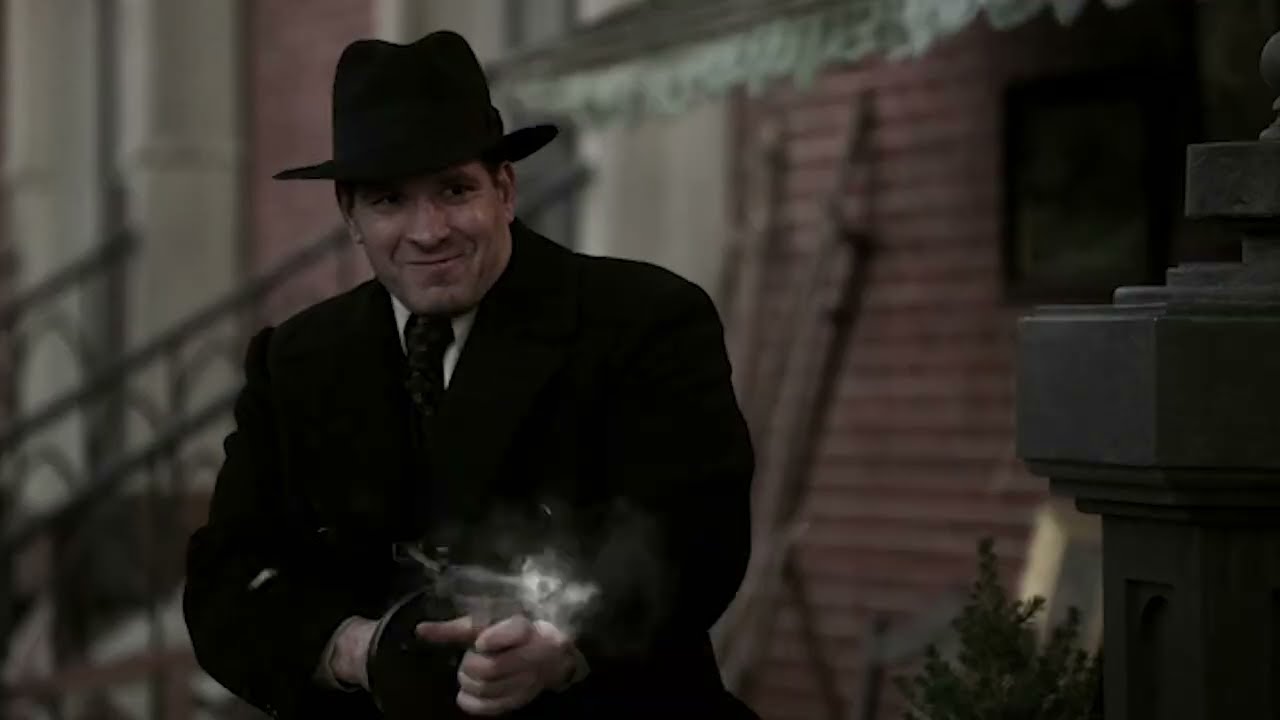
In 1944, Army intelligence Sergeant Orange Dickey investigated Genovese. He determined that Genovese was a major black market player in Naples. In August 1944, Genovese was taken into custody. Dickey also learned that Genovese was suspected of murder in the United States. Ernest Rupolo had been released on parole in 1944 but was arrested again for murder. Facing 80 years, Rupolo decided to cooperate and told everything he knew about the Boccia murder.
Dickey wanted to send Genovese back to the United States for trial. There were disputes between Italian and American authorities. In May 1945, Dickey personally escorted Genovese to the United States. The case relied on Rupolo’s testimony and that of another gangster, Peter LaTempa. LaTempa had witnessed the Boccia murder. Under New York law, a defendant could not be convicted solely on the testimony of other participants in the crime. LaTempa was a key witness.
LaTempa died in a prison cell in early 1945. An autopsy showed he died of an overdose of sleeping pills. Some believed Genovese had him killed. Others said LaTempa committed suicide. Either way, the case against Genovese collapsed. In June 1946, he was released.
When Genovese returned to New York, Frank Costello was running the family. Luciano had been deported to Italy. Genovese pretended to be Costello’s friend, but he resented taking orders from a man who had once answered to him. He told his close associates how he really felt. He chastised Anthony Strollo for losing influence in the family during his absence. Strollo reminded him that Genovese had ordered him to lay low. Genovese replied, “I told you to lay low, not to let yourself be buried.”
Genovese’s financial situation was strong. His businesses were still earning about a million dollars a year. He also had interests in garment industry unions and the dock workers union. But his personal life became a problem. His wife Anna filed for divorce in 1952. She called him a womanizer and a tyrant who beat her. She also testified about his illegal earnings. Genovese responded that she was lying and that he was a legitimate businessman. The divorce trial dragged on for two years. Anna did not get what she wanted.
Genovese’s authority in the family grew while Costello weakened. The Kefauver Hearings in 1950 caused trouble for many mobsters. Costello lost two strong supporters, Joe Adonis and Willie Moretti. Adonis was deported to Italy. Moretti was killed by his own comrades after talking too freely. Costello himself faced legal troubles and went to jail. While Costello was in prison, Genovese moved to take power.
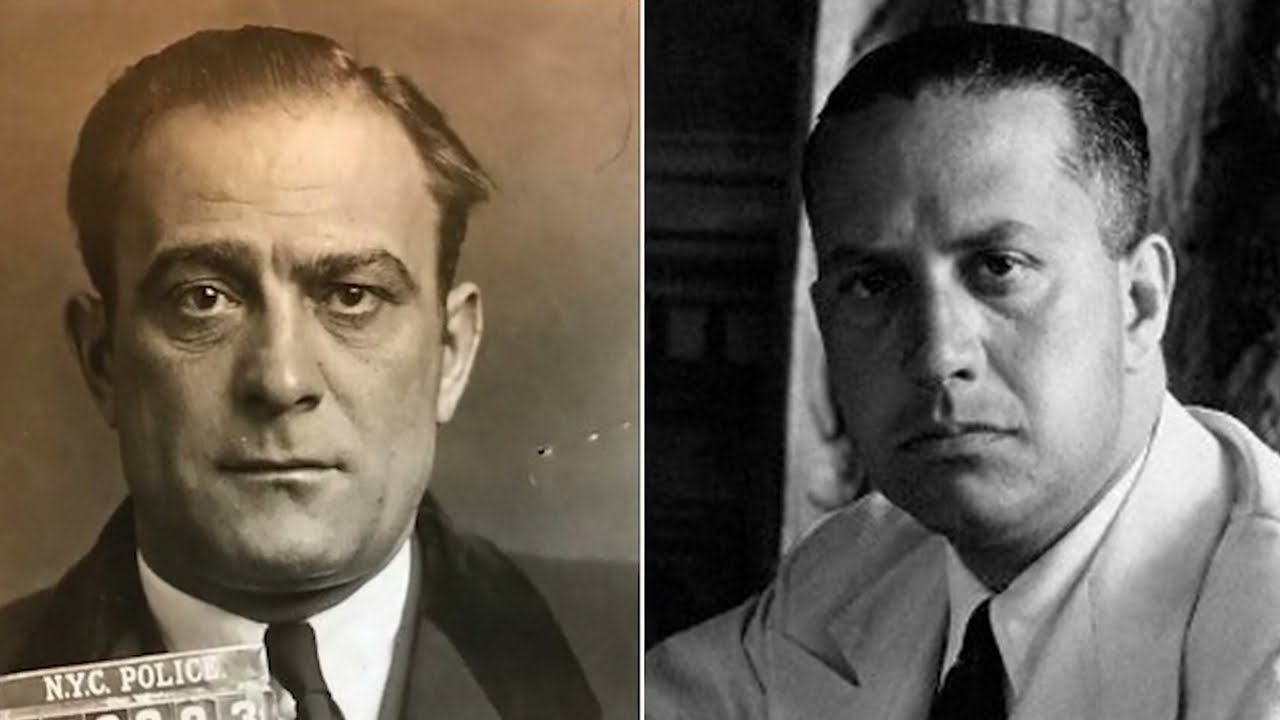
In May 1957, Genovese ordered Vincent Gigante to kill Costello. Gigante ambushed Costello in the lobby of his apartment building. The bullet grazed Costello’s head but did not kill him. Despite the failed attempt, Genovese took control of the family. Costello agreed to retire and keep his sources of income. Genovese accepted the terms.
Genovese feared retaliation from Albert Anastasia, an ally of Costello. He began plotting against Anastasia. He supported a coup led by Carlo Gambino. On October 25, 1957, Anastasia was assassinated. Two consecutive assassination attempts on top bosses alarmed the Mafia nationwide. Genovese called for a national convention to explain the situation.
The convention was held on November 14, 1957, at the estate of Joe Barbara in Apalachin, New York. Local police discovered the gathering and arrested many of the attendees. The arrests proved to authorities that a nationwide organized crime group existed. The Apalachin meeting caused serious problems for many bosses.
The Federal Bureau of Narcotics believed Genovese was a key figure in heroin trafficking. After Apalachin, they focused on putting him away. In late 1957, they got a man named Nelson Cantalopes. Cantalopes had been part of a drug operation involving Genovese. Facing a long sentence, he agreed to cooperate. He testified about meetings with Genovese and his role in the drug trade.
In July 1958, Genovese was arrested and charged with conspiracy to import and distribute heroin. The trial began in January 1959 and ended in April. Genovese was sentenced to 15 years in prison. He was sent to a prison in Atlanta.
In prison, Genovese remained powerful. He was 62 years old and looked harmless, but he held leadership among Italian inmates. One inmate, Joe Valachi, became paranoid that Genovese was going to have him killed. Valachi beat an innocent man to death in a panic. Facing a murder charge and threats from other inmates, Valachi decided to cooperate with authorities.
Valachi’s testimony before a U.S. Senate committee in September 1963 was the first comprehensive look at the Cosa Nostra. He described the initiation ceremony and explained the structure of the families. Genovese continued to serve his time quietly.
Genovese was transferred to Leavenworth Prison. He was later moved to the hospital wing due to health problems. He suffered from pulmonary emphysema, clogged arteries, and bladder cancer. The cancer was removed, but the other conditions worsened. By 1969, he was transferred to a medical center for federal prisoners in Springfield. He died there on the night of February 14, 1969.