On June 25, 1876, along the sun-baked valley of the Little Bighorn River in Montana territory, Lieutenant Colonel George Armstrong Custer led his men into one of the most infamous defeats in American military history. He commanded roughly 600 troopers of the 7th Cavalry Regiment, chasing shadows of Lakota and Cheyenne warriors across the plains. Intelligence suggested a massive village ahead, teeming with fighters under leaders like Sitting Bull and Crazy Horse.
Custer split his force into three battalions, a bold gamble. He took five companies, roughly 210 troopers, and charged ahead, leaving Major Marcus Reno and Captain Frederick Benteen to flank or support. As his men trotted forward, they spotted the enemy, thousands strong, not the fleeing band they expected. Bullets whizzed and arrows rained down, yet these soldiers, farm boys, immigrants, and veterans, followed Custer up that fateful hill into what history calls Last Stand Hill.
The question remains: why did they ride into a whirlwind of death, outnumbered five to one, with no retreat in sight? To understand this, one must rewind to the roots of the Indian Wars. By the 1870s, America’s westward expansion was a steamroller. Gold in the Black Hills, sacred to the Lakota, drew miners like flies and violated treaties. The US government demanded tribes onto reservations, branding non-compliers as hostiles.
The Great Sioux War of 1876 was orchestrated by General Philip Sheridan as a three-pronged invasion. Columns from the east, south, and west were sent to crush the roaming bands. Custer, at 36, was the army’s golden boy. A West Point graduate who rocketed to brevet major general in the Civil War, he was famed for daring cavalry charges at Gettysburg and Appomattox. Post-war, demoted to lieutenant colonel, he rebuilt his reputation on the plains.
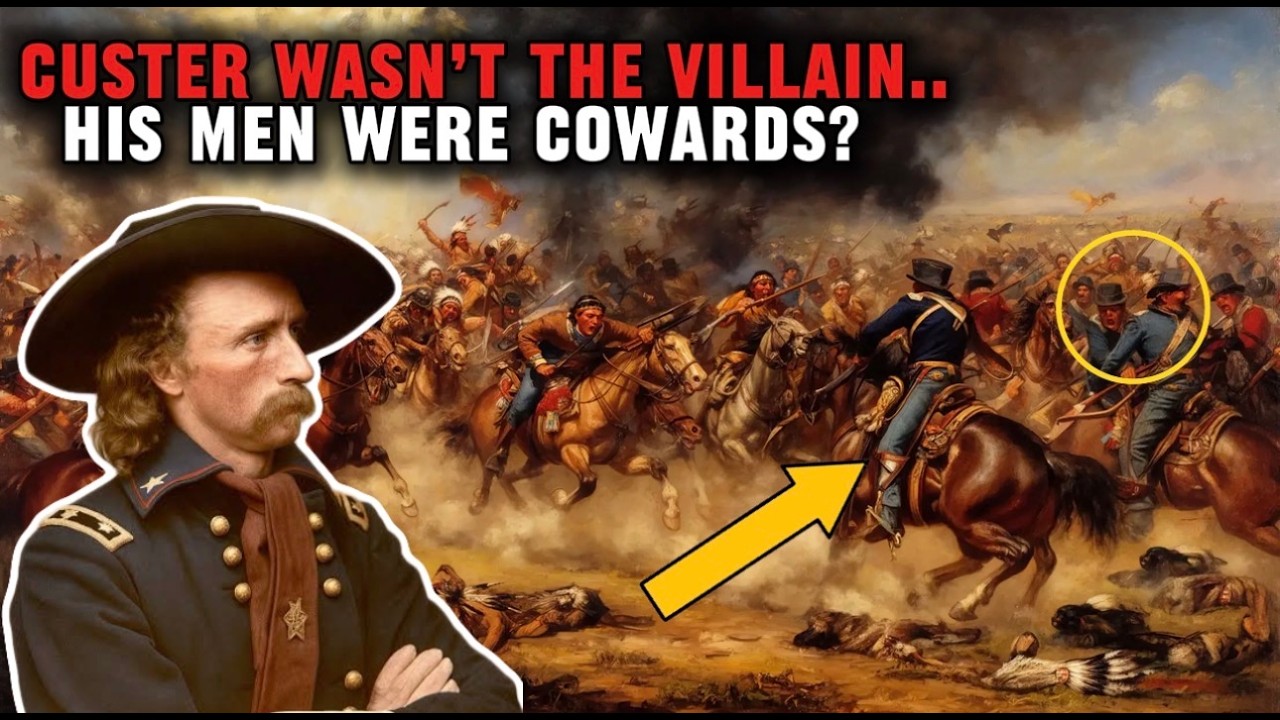
At the Battle of Washita in 1868, Custer massacred a Cheyenne village, including women and children. Controversy dogged him. He was court-martialed once for going AWOL to see his wife Libby and suspended without pay. But his charisma was electric. Troopers called him Autie or Yellow Hair. He wrote articles for Galaxy magazine and posed for photos in fringed buckskins. To his men, he was a living legend, brash but a winner.
The 7th Cavalry was not an elite unit. Recruited from saloons and immigrant ships, many were greenhorns who had never fired a shot in anger. Pay was $13 a month, food was rancid hardtack and salt pork, and desertion rates hit 30% some years. Discipline was brutal. Officers like Custer ruled with an iron fist, favoring loyalists and punishing doubters. As one trooper later grumbled, you followed orders or faced the guardhouse or worse.
The psychology of command played a huge role. In the frontier army, obedience wasn’t optional; it was survival. Custer’s orders came down the chain from Sheridan to Brigade Commander Alfred Terry, who instructed a cautious advance. But Custer, ever the glory seeker, interpreted loosely. He feared the village would scatter before he could strike a blow. “Boy,” he reportedly told his officers, “we’re going to have the biggest Indian fight ever.”
His men trusted that bravado. Many were Civil War veterans who had seen Custer’s luck hold. Private Charles Windolph, a German immigrant, recalled in his memoir, “We thought Custer could lick anything. He’d always come through before.” Camaraderie sealed it. Units were tight-knit, Irish in one company, Germans in another. Deserting meant abandoning brothers. Fear was potent too. Court-martial for cowardice could mean execution by firing squad.

Cavalry doctrine emphasized shock and speed. Dismount to fight on foot if needed, but always press the attack. Custer’s Springfield carbines and Colt revolvers outgunned bows and old muskets, or so they thought. But the warriors had repeaters like Winchesters, traded from fur posts. Custer dismissed scouts’ warnings of numbers. His Crow and Arikara allies begged caution, but he snapped, “I don’t need your advice.”
Hubris was absolutely a factor. Dividing forces violated basics: never split when outnumbered. Reno’s battalion charged the village south, got mauled, and retreated to a bluff. Benteen dawdled with the pack train. Custer pushed north, perhaps aiming to capture women and children as leverage, a Washita replay. As they crested the ridge, reality hit. Warriors swarmed like ants from a kicked hill, 2,000 or more, fueled by visions from Sitting Bull’s Sun Dance.
Custer’s men dismounted and formed skirmish lines, with horses held in the rear. But ammunition ran low. The pack mules were with Benteen. Arrows pierced from all sides and bullets cracked skulls. Troopers fell in heaps. Some shot themselves to avoid torture. Custer, wounded in the chest and temple, went down fighting, revolver blazing.
There was no mutiny, no bolt for safety. Energy and terrain factored in. Galloping full tilt exhausted mounts. A steady trot conserved strength for the clash. But once engaged, retreat meant exposing backs to pursuit, a cavalry’s nightmare. The river crossings were bottlenecks. Warriors knew the land and forded swiftly. As Lakota warrior Rain in the Face later boasted, “We circled them like hawks on a wounded deer.”

Personal stories bring the horror home. Sergeant Daniel Kanipe, sent back with a message, survived to tell. The men were cheerful, joking even. But on the hill, terror reigned. Bodies were mutilated post battle, scalps taken, limbs hacked, not out of savagery alone but ritual and revenge for lost kin. Libbie Custer, widowed at 34, spent decades burnishing her husband’s myth through books like Boots and Saddles, portraying him as a martyr.
Adaptation came too late. The army learned bigger columns, better scouts, and Gatling guns, which Custer refused, calling them cumbersome. Little Bighorn galvanized natives briefly, but the victory was Pyrrhic. Reinforcements crushed resistance by 1877. Sitting Bull fled to Canada. Crazy Horse surrendered and was bayoneted in custody.
Critics blast Custer as reckless, a publicity hound whose ego doomed 268 men, including brothers Tom and Boston and nephew Autie Reed. Defenders say he followed orders and underestimated due to faulty intel. Historian Evan Connell in Son of the Morning Star argues, “Custer wasn’t suicidal. He was supremely confident, fatally so.”
As the dust settles on that bloody valley, one truth echoes. Loyalty in war is a double-edged saber. It forges unbreakable bonds but blinds to folly. Custer’s men followed not just a man but an ideal of duty, glory, and manifest destiny. In a nation hungry for heroes, they paid the price.