On April 21, 2016, Prince was found unresponsive in an elevator at Paisley Park, his Minnesota estate and recording complex. He was pronounced dead at 10:07 a. m. at the age of 57.
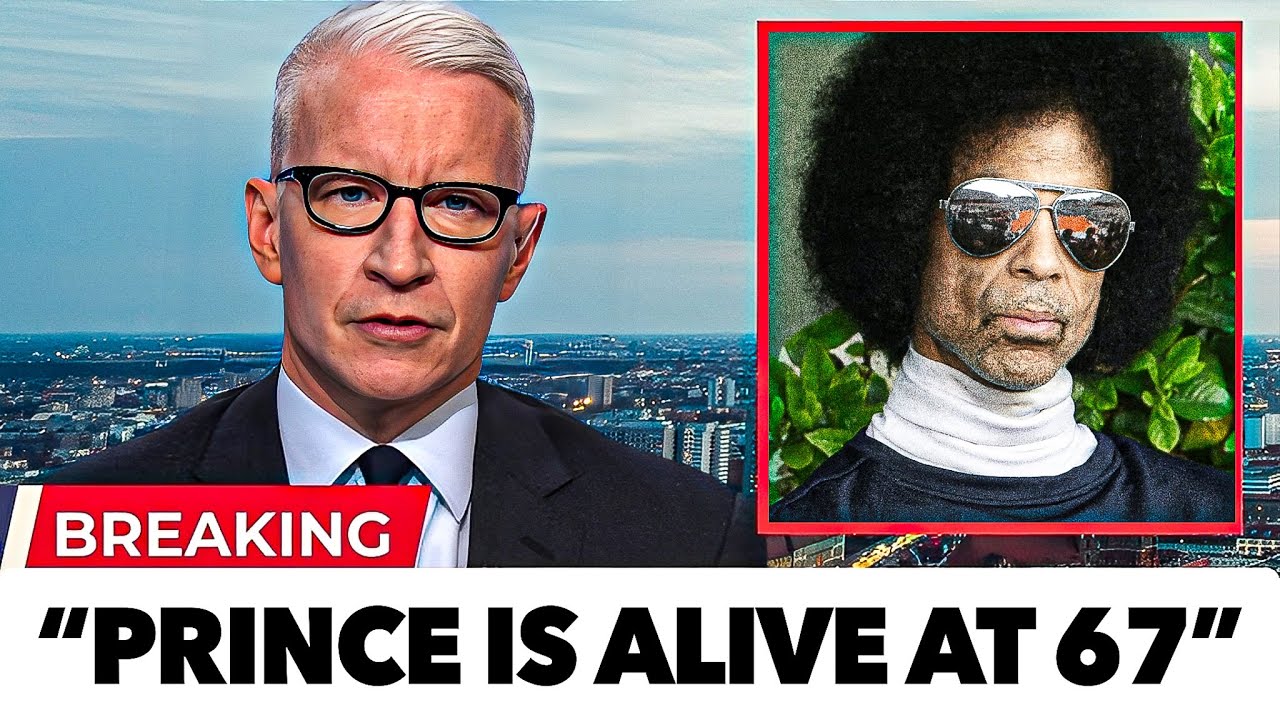
The official cause of death was an accidental overdose of fentanyl, a synthetic opioid roughly 50 times more potent than heroin. The medical examiner’s report revealed a troubling detail: the pills found at Paisley Park were not prescribed in Prince’s name. Bottles were labeled under aliases connected to people close to him, an arrangement that investigators said appeared designed to keep his dependency hidden from public view. Among the recovered pills were counterfeit Vicodin tablets, stamped to look legitimate but laced with lethal doses of fentanyl.
In the weeks before his death, Prince’s public image told one story while his private life told another. On April 14, 2016, he performed what would be his final concert in Atlanta, ending the show with a rare piano-only encore of “Purple Rain. ” The very next day, his private jet made an emergency landing in Moline, Illinois, after he was found unresponsive mid-flight. Authorities confirmed he was revived with naloxone, a drug used to reverse opioid overdoses.
Despite the scare, Prince addressed fans publicly, telling them to “wait a few days before you waste your prayers. ” He continued to appear active, riding his bike, playing basketball, attending church, and hosting events at Paisley Park. Behind the scenes, staff described him as restless and in visible decline. On April 20, he visited a local Walgreens pharmacy several times, appearing tired but composed on surveillance footage.
Friends and insiders later said Prince had been suffering from crippling hip pain for years, the result of decades of acrobatic performances. Doctors reportedly urged him to undergo double hip replacement surgery, but his faith as a Jehovah’s Witness discouraged blood transfusions, a standard part of such operations. Instead, he turned to holistic remedies, physical therapy, and eventually prescription opioids. Witnesses recalled him walking with a cane, masking pain with bursts of energy on stage, and ending rehearsals early when the discomfort became unbearable.
By 2015, his reliance on painkillers had deepened. Investigators later found that many of the pills Prince believed were ordinary painkillers were counterfeit and laced with fentanyl. The timeline of his final hours remains haunting. Around 6:00 a.
m. on April 21, staff arrived at Paisley Park but saw nothing unusual at first. By mid-morning, concern grew when no one had heard from him. At 9:43 a.
m. , his longtime assistant discovered him collapsed in the elevator. The autopsy revealed no alcohol, cocaine, or heroin in his system, only fentanyl at levels far beyond what the human body could withstand. The medical examiner also noted signs of long-term opioid use.
Dozens of pill bottles, many unlabeled, were found hidden throughout the compound, in drawers, backpacks, and even guitar cases. Some bore the names of associates rather than Prince himself. After his death, the DEA and local sheriff’s department launched a full-scale investigation into the source of the counterfeit pills. The case quickly hit walls.
Witnesses were evasive, doctors denied wrongdoing, and close staff members claimed ignorance. Investigators discovered that Dr. Michael Schulenberg, a local physician, had written prescriptions for Prince under the name of his bodyguard. Schulenberg paid a $30,000 settlement for improper prescribing practices but was never charged in connection with Prince’s death.
Federal agents also probed drug rings in Minnesota, looking into whether counterfeit pills had been funneled into Prince’s circle. No arrests were ever made. In 2018, prosecutors announced the case was closed with no charges. The official explanation was that the source of the counterfeit pills could not be identified.
Many fans saw the outcome as a failure, questioning why no one close to Prince had intervened despite visible warning signs. Prince left no will, and his estate, estimated at more than $156 million, became the subject of a lengthy legal battle. A web of half-siblings, distant relatives, and others claiming ties to his bloodline fought for control. The estate remained in legal limbo for years, with its value diminished by legal fees and drawn-out negotiations.
Paisley Park itself was converted into a museum, a move some saw as the commercialization of a sanctuary. Prince’s death drew widespread attention not only because of his fame but because of what it represented. He became one of tens of thousands of Americans killed by fentanyl each year, victims of counterfeit pills sold as relief but delivering death. The case underscored how the opioid epidemic reaches across every corner of society, affecting the wealthy and the powerful as much as the poor and the unknown.
His music continues to endure. “Purple Rain,” “Kiss,” and “When Doves Cry” remain staples of radio and live performances. His legacy carries both his artistic brilliance and a cautionary warning about the dangers of hidden pain and silence.
The mystery of how Prince died has been solved, but the answer offers little comfort, only a reminder that genius does not grant immunity from tragedy.