Willard Erastus Christiansen lived a double life across the American West, moving between both sides of the law under aliases including Matt Warner, Ras Lewis, and the Mormon Kid. Born in Ephraim, Utah, in 1864 to a Danish father and German mother who had converted to Mormonism, his early years gave no hint of the path ahead. At age fourteen, a fight changed everything. Christiansen believed he had killed another boy, so he fled rather than face the consequences.
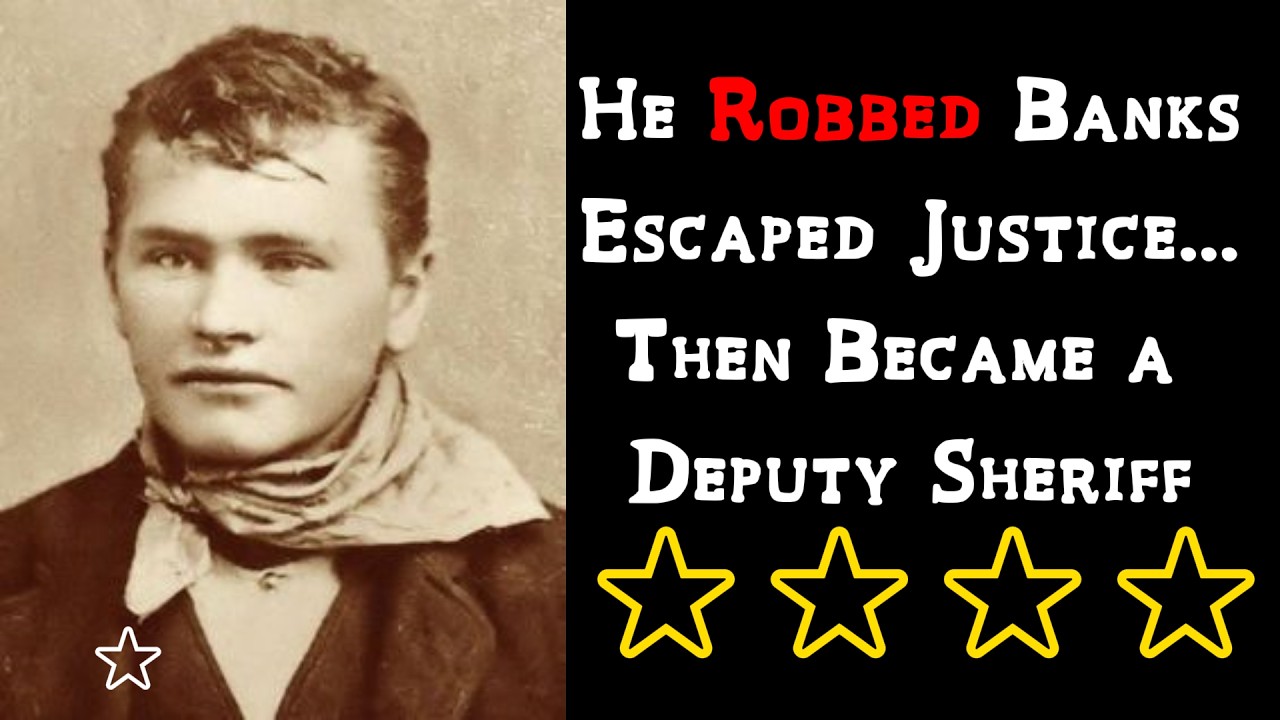
On the run, he fell in with a gang of cattle rustlers who shaped the rest of his youth. Around that time, he took the name Matt Warner, an alias that would eventually become more central to his identity than his real name. He later married a woman named Rose Morgan, and together they established a cattle ranch in Big Bend, Washington, before relocating back to Utah with their daughter. His return to Utah brought him into the orbit of his brother-in-law, Tom McCarty, and the two operated out of the Robbers Roost region in the southeastern corner of the territory.
That harsh landscape of rugged badlands became a favored refuge for men whose relationship with the law demanded strategic geography. Warner soon joined Elza Lay and Butch Cassidy, shifting from cattle theft to robbing banks and trains with a skill suggesting he had found his true calling. In 1892, he accompanied Bill and Tom McCarty in a bank heist in Roslyn, Washington. When citizens tried to intervene during the escape, two of them were shot.
Warner was eventually captured and taken to Ellensburg, Washington, to stand trial for robbery. He escaped custody two days before proceedings were set to begin. The law caught up with him again in 1896 after a shootout that left two men dead. He was convicted of manslaughter and sentenced to five years in the Utah State Penitentiary.
He received early release for good behavior. His wife did not survive his imprisonment, passing away during his sentence, a loss not recorded in prison records. After his release, an unexpected turn followed. He remarried and settled in Carbon County, Utah.
He ran for public office under his original name and lost, then took the practical step of legally changing his name to Matt Warner, the name by which he was already known in the region. The move paid off, and he was elected justice of the peace. He later served as a deputy sheriff. After that, he worked as a night watchman and detective in Price, Utah, taking on various jobs in between.
Farmer, cowboy, rancher, ferry operator, and at times a bootlegger, he seemed to see no complication in any of this work. He died on December 21, 1938, at age 74, from natural causes. It was a quiet end that his earlier life gave little reason to expect, and one he lived long enough to reach regardless.