On January 29, 1994, the body of a young woman was found in California. There were clear signs of violence, and investigators knew immediately that her death was not an accident. But as they worked the scene, they faced a devastating obstacle: they had no idea who she was.
Without a name, the investigation was crippled from the start. There was no last known address to check, no confirmed missing person report to link her to, and no family calling police stations for answers. In 1994, forensic technology had limits. DNA testing existed, but it required a comparison sample from a family member or a database. Fingerprints led nowhere. Dental records had no match. Every attempt to identify her ended in silence.
She was cataloged as a Jane Doe and stored away in the records. As months turned into years, her case faded from active investigation, not because she didn’t matter, but because investigators had nowhere left to go. Somewhere, her family lived without answers, not knowing she had been found or that she had been buried without her name.
For nearly two decades, the truth about her life, death, and identity remained locked away. In the 1990s, unidentified victims were tragically common. Databases were fragmented, communication between states was slow, and missing persons reports often went unconnected to Jane Doe cases. If a family didn’t know where to look, the system failed silently.
Her remains were examined again and again as technology improved. Each review brought fragile hope, but hope kept collapsing under the same reality: DNA without a comparison was just a code. Investigators preserved what they could, aware that the future might hold answers the present could not provide.
By the late 2000s, the landscape of forensic science was changing. DNA technology was no longer experimental. It was becoming the backbone of modern cold case investigations. Detectives reopened her file, not because of a new tip, but because science had finally caught up. The biological evidence collected years earlier was re-examined using updated techniques, and this time, it produced a usable genetic profile.

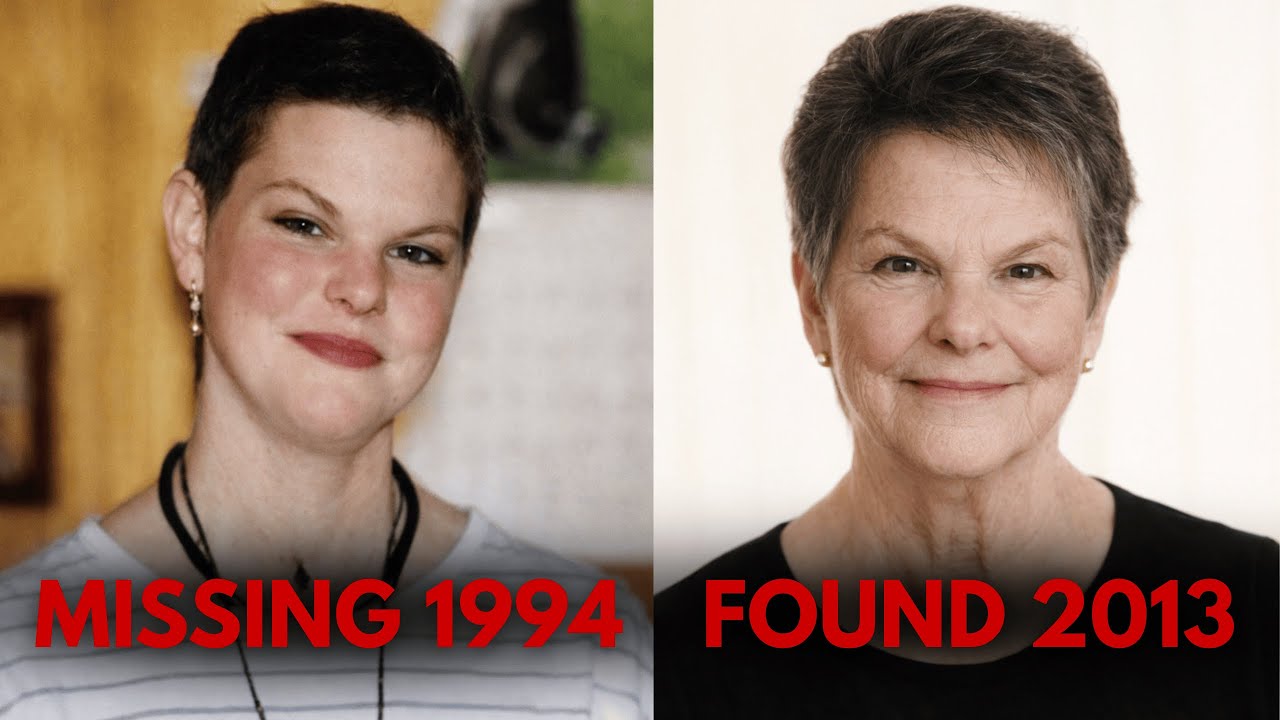
That profile was entered into expanding national databases and cross-referenced against missing person records. Cold case DNA work is slow and filled with false starts, but this time there was real momentum. Then, in 2013, the breakthrough finally came. The DNA matched records that led investigators directly to Cory Lamaster.
After nearly 19 years as an unidentified victim, she had her name back. She was no longer a Jane Doe or a case number. She was a real person whose life had been stolen and whose absence had gone unexplained for far too long. For investigators, the moment was powerful. For Cory’s family, it was devastating and clarifying all at once. The years of not knowing ended in a single moment of truth.
Identification did not undo the violence or erase the years of loss, but it restored something essential: dignity. It gave investigators a foundation to pursue justice and transformed a forgotten case into a story that could finally be told truthfully, with her name attached.

Once identified, the case shifted in tone and direction. Detectives were no longer asking who she was. They were asking what happened to Cory and who did this to her. Her name reframed everything. Timelines were rebuilt, old evidence was re-examined with renewed urgency, and witness statements were anchored to a real person with a real life.
For Cory’s family, the identification reopened wounds that had never truly healed. Grief that had been suspended in uncertainty came rushing back with clarity. Knowing what happened did not make the pain disappear, but it replaced endless questions with painful truth. They could finally mourn her properly and say her name out loud without wondering if she was still out there.
Cory’s story resonated because it exposed how easily someone can disappear and how long it can take for the system to catch up. Her case became a reminder that unidentified victims are not faceless mysteries. They are people with histories, families, and futures that were stolen.
Nearly 19 years after her body was found, her identity was restored through DNA. While justice in the legal sense may still remain complicated, justice in memory was finally achieved. Cory was no longer lost to anonymity. She was known. She was remembered.
Her case stands as a powerful reminder of why cold cases matter and why evidence preservation is critical. Science did not fail her. It simply arrived late. And when it did, it proved that even decades later, the truth can still be uncovered. Her story now serves as hope for countless other families still waiting for names, answers, and dignity for their loved ones.