Princess Anne has spent most of her life watching strangers misunderstand her parents. They saw the Queen in one palace, Prince Philip in another, and decided the marriage must have gone cold. Anne knew better. Her father did not leave because he had stopped loving the Queen. He left because loving her had already cost him almost every room in which he had once been himself.
What looked like marital distance was, to Anne, the final proof that her mother understood the man behind the uniform better than almost anyone else ever had. That is the part polite royal history often softens. The Queen and Prince Philip were devoted to each other. But devotion did not mean living in each other's pockets.
Their marriage was built inside a machine that controlled their names, their bedrooms, their children, their meals, their holidays, and even the order in which they entered a room. By the end, the sight of Philip at Wood Farm while the Queen remained at Buckingham Palace looked like distance. To Anne, it was something more complicated. It was a hard-won arrangement between two people who had spent decades learning that closeness and freedom were not always the same thing.
Before there was Wood Farm, there was a teenage princess staring at a tall naval cadet. Elizabeth was 13 when she visited the Royal Naval College at Dartmouth in 1939. Philip was 18, fair-haired, athletic, and almost offensively confident. He was also, in practical terms, homeless.
He had been born a prince of Greece and Denmark, but his family had fled Greece when he was still a baby. The story later acquired a romantic detail about being carried away in an orange crate. Whether the crate was quite as picturesque as memory made it, the fact beneath it was real. Philip began life with titles, relations, and royal blood, but without the security those things were supposed to provide.
His father lived mostly apart from the family. His mother, Princess Alice, suffered a severe mental breakdown and was placed in a clinic. His sisters married German princes and scattered into lives that became politically awkward when Europe moved toward war. Philip was passed between relatives, schools, and countries. He learned early that a house could vanish, a parent could disappear, and a surname could become a problem overnight.
This made him exciting to Elizabeth. It also made him dangerous by the standards of the court of her father. Elizabeth had been raised inside the opposite kind of uncertainty. Her family appeared settled, but the crown above them had shifted without warning. Her uncle Edward VIII had abandoned the throne to marry Wallis Simpson. Her father, shy and never prepared to reign, became King George VI.
The abdication turned Elizabeth from a protected princess into the future queen. It also taught the family that romantic choice could wreck a dynasty. So when Elizabeth became attached to Philip, the adults did not see only a handsome young officer. They saw an unpredictable foreign prince with no fortune, troublesome relations, German connections through his sisters, and a manner that did not always bend for older men.
Her quiet determination was later mistaken for passivity. She could sit quietly while an entire room argued, then continue doing exactly what she had intended. Philip wrote to her during the war. She kept his photograph. He was serving in the Royal Navy, and he served with distinction. He was not waiting in a drawing room for a princess to rescue him.
That mattered to Elizabeth. Her world was full of men who inherited rank and called it character. Philip had rank by birth, but little comfort from it. The Navy gave him order, purpose, and a place earned through competence. It also gave him something the palace would later take away: a career that belonged to him.
Their courtship took place through letters, brief meetings, family negotiations, and the long shadow of war. King George VI liked Philip more than some accounts suggest, but liking a young man and wanting him as a son-in-law were different matters. The king knew his daughter. He also knew the institution.
The king asked that the engagement remain private until Elizabeth was older. This created one of those royal arrangements in which everyone important knew, but no one was supposed to behave as if they knew. Elizabeth and Philip were effectively committed before the public announcement in 1947. The secrecy did not weaken the bond. It probably strengthened it.
Philip paid heavily for entry into the British royal family. He gave up his Greek and Danish titles. He became a naturalized British subject. He took the surname Mountbatten, drawn from the family of his mother. He changed religious allegiance from Greek Orthodoxy and was received into the Church of England.
He stopped being Prince Philip of Greece and Denmark and became Lieutenant Philip Mountbatten. The palace worried about his sisters because they had married Germans, some with ties to the Nazi regime. They were not invited to the wedding. His mother attended in her nun-like clothing, a striking figure who had known palaces, illness, separation, and service. His father had died before the marriage.
Britain in 1947 was still living with rationing. Elizabeth saved clothing coupons for her wedding dress, though gifts of coupons from members of the public had to be returned because the rules did not allow her to use them. The gown was magnificent, covered in embroidery and symbolism. Yet even on the morning of the ceremony, there was a small crisis. Her tiara broke. A court jeweler rushed it away under police escort and repaired it.
Philip stood waiting at Westminster Abbey. He had been created Duke of Edinburgh by the king. They married on the 20th of November. The ceremony was grand, but what followed briefly resembled a life they might have chosen for themselves.
Charles was born in 1948 and Anne followed in 1950. Philip continued his naval career, and the young couple spent an important period in Malta where he was stationed. Malta became one of the most romantic chapters in the marriage because it was so unlike what came later. Elizabeth could attend dances, go to the cinema, visit friends, and move through parts of life as a naval wife rather than as the central figure of a state.
Philip had command, colleagues, and professional respect. He was not merely the man walking behind his wife. In Malta, the balance between them was more natural. Elizabeth had royal importance. Philip had a naval identity, and neither role had yet completely swallowed the marriage.
Anne was born into this period of almost normal happiness. She would later become the child most like Philip in temperament. Direct, hard-working, impatient with fuss, and unimpressed by self-pity, she understood him in a way that came less easily to others. Charles was sensitive, hesitant, and burdened by the knowledge that he would one day be king. Anne had no such future placed before her.
King George VI was seriously ill. The strain of kingship, war, and heavy smoking had taken its toll. In February 1952, Elizabeth and Philip left on a Commonwealth tour. The king came to see them off at the airport. He looked frail. It was the last time Elizabeth saw him.
In Kenya, the news arrived that George VI had died. Elizabeth was 25. She had gone to sleep a princess and woke as queen. Philip was the person who told her. He had to tell his wife that her beloved father was dead and that their marriage had changed forever.
They returned to Britain. Elizabeth descended from the aircraft dressed in black. Waiting officials bowed to their sovereign. Philip walked near her, but the old equality had already shifted. She was no longer merely his wife. She was the Queen, and the rules around a Queen are not suggestions.
The naval career of Philip was effectively over. He was only 30. He had trained for command and expected to rise. Instead, he became consort to a monarch whose reign might last for decades. There was no exact job description because the role was defined mainly by what he could not be.
He could advise but not rule. He could lead projects but never outshine the Queen. He could speak but not create political trouble. He had to be masculine without appearing dominant, useful without appearing ambitious, and loyal without seeming idol. For a man like Philip, this was not a small adjustment. It was the surrender of a life.
Elizabeth did not create the system that trapped him. She was trapped, too. Her father had died. Her children were young, and the crown arrived before she had time to prepare emotionally. She needed Philip not simply as a husband, but as the one person who knew her before everyone began addressing her as Majesty.
The first great domestic battle concerned the family name. Philip assumed that his wife and children would bear the name Mountbatten. It seemed natural to him. He had already surrendered titles, country, religion, and career. The name was one thing that appeared to remain.
But Queen Mary, Winston Churchill, and senior courtiers opposed it. The dynasty was Windsor. Britain had only recently fought Germany, and Mountbatten itself was an English form of the German name Battenberg. The palace was not interested in his feelings. Dynastic symbolism came first.
Elizabeth decided that the royal house would remain Windsor. Philip was furious. He reportedly complained that he was the only man in the country not permitted to give his name to his own children. He was married to the most powerful woman in Britain. Yet in his own household, he could feel strangely powerless.
Anne grew up in the atmosphere created by that wound. She saw a father who could command a ship but had to walk behind his wife. She saw a mother who relied on him privately while outranking him publicly. She saw courtiers enforce rules that were described as tradition even when the tradition was only a preference held by an older person with a louder voice.
The easy version of their marriage says Philip modernized the palace while Elizabeth preserved tradition. The truth was more intimate. Philip pushed against anything that made him feel ornamental. He reorganized parts of the royal household, encouraged new technology, and searched for work that carried visible purpose.
He helped establish the Duke of Edinburgh Award, supported science and industry, and traveled constantly. He also developed a reputation for bluntness. Some of it was wit, some of it was impatience. Elizabeth understood that trying to sand away every rough edge would leave him with nothing.
Their private life followed aristocratic habits that outsiders sometimes misread. Separate bedrooms were not evidence of divorce. The Queen and Philip often had rooms near each other, sometimes connected. They shared private time, meals, country weekends, and a family life that could be warm, noisy, and much less formal than public appearances suggested.
Still, physical separation became part of the marriage early. Her work fixed her to official residences and constitutional duties. Philip traveled for naval reviews, charities, sporting interests, and tours. At times, he was away for months. Society gossiped. A handsome prince with independent habits was always going to attract stories.
No conclusive public evidence established the grand secret romance people wanted. But rumors do not require proof. They only require distance, glamour, and silence. Philip had all three. Elizabeth did not answer gossip. She had been trained not to complain and not to explain.
Anne learned from both parents. From her mother, she learned discipline. From her father, she learned contempt for unnecessary drama. When asked years later about her family, she rarely fed the appetite for confession. She could correct a false assumption with one dry sentence.
That is why her later comments about his life away from the Queen mattered. Anne was not exposing a loveless marriage. She was describing the cost of a loving one. Her father needed territory. He needed work, routine, and a place where every object did not belong to the crown.
The Queen understood this because she knew what had been taken from him. But that understanding took years to mature. In the first decade of the reign, they were still discovering what the arrangement demanded. Her day was filled with official papers, audiences, ceremonies, and decisions that could not be postponed.
Philip took charge of parts of family life, but even there he faced limits. He wanted more authority over the education of Charles. He believed toughness could be taught. He admired Gordonstoun, the school that had given structure to his own disrupted youth. Charles was not Philip. The things that had hardened the father wounded the son.
Philip saw sensitivity and feared weakness. Charles saw criticism and felt rejection. Elizabeth stood between them, loving both, but often allowing the louder will to prevail. Anne watched. She was sent to school and took to the demanding royal schedule with fewer visible scars. She rode, competed, worked, and developed the brisk emotional style that would later make her seem formidable.
The family spent holidays at Balmoral and Sandringham, where the formal machinery loosened. Philip could barbecue. The Queen could walk dogs and discuss horses. For a few hours, the family could pretend the outside world was not measuring every gesture. These country interludes were essential to the marriage.
Philip needed practical tasks. Elizabeth needed privacy. Their happiest spaces were often the places where both could do something rather than sit and perform royalty. Yet the palace followed them even there. Letters arrived. Ministers called. Children learned which door to use and when to speak. No royal residence was ever completely a home.
His solution was movement. If one room became too narrow, he found another project, another journey, another committee, another shooting party, another ship to inspect. He was not running from Elizabeth. He was running from uselessness.
That is what Anne eventually made clear. The absences of her father did not prove that the marriage had failed. They revealed the bargain that allowed it to continue. He could remain beside the Queen only if he was also permitted sometimes to stand somewhere that did not belong to her.
The Queen, for her part, learned not to confuse control with loyalty. She had seen what happened when the monarchy tried to control love too tightly. Her uncle had chosen Wallis over the throne. Her sister Margaret had been torn between desire and duty. Elizabeth would not turn Philip into another royal casualty if she could help it.
But she could not simply free him. Every separate journey became supposed evidence. Every female friend became a possible mistress. Every private room became a symbol to people who did not have to live inside the rules they were interpreting.
So the marriage developed its own language. A shared look in public. A joke at a ceremony. A weekend together after weeks apart. Philip walking a few steps behind, then speaking to the Queen in private with a directness no courtier would dare use. Elizabeth listening, sometimes refusing, sometimes yielding, and often laughing.
This was not the soft marriage of romantic fiction. It was harder, stranger, and in some ways more intimate. Philip could wound her pride. She could erase his place with a constitutional decision. They could irritate, disappoint, and rescue each other without ever discussing those acts before the public.
Anne saw the whole pattern from inside. She saw that her father was not diminished by living separately. At times, he was diminished when people expected him to have no separate life at all. And long before Wood Farm became the setting for the final chapter, the question had already been decided.
Philip could give the crown his time, his energy, and his public loyalty. He could not give it the last private corner of his personality without becoming bitter. Elizabeth understood this in theory. In practice, she was surrounded by men who believed that a husband of the Queen should be grateful merely to stand close to history.
The coronation made the problem visible. On the 2nd of June 1953, Elizabeth entered Westminster Abbey as a young woman and emerged carrying the full weight of an ancient institution. At the most solemn moment, Philip knelt before his wife and swore to become her liege man of life and limb. It was a medieval promise placed inside a modern marriage.
The husband knelt. The wife wore the crown. Millions watched. Philip performed the act with complete seriousness. But no one who understood his nature could imagine that he found the symbolism easy. He had been raised to command himself and, when possible, everyone else.
Philip did not sulk in public. He worked. That was his answer to almost every injury. He pushed for the coronation to be seen on television, believing that monarchy could not survive by hiding from the people who paid for it. Traditionalists feared that cameras would cheapen the service. Philip saw the greater danger.
The broadcast became a national event. Families crowded around small screens. The sacred ritual entered homes smelling of tea, coal fires, and Sunday furniture polish. Elizabeth became more visible than any British sovereign before her. Philip had helped open the palace door, then discovered that the cameras would be watching him, too.
Every expression acquired meaning. If he looked serious, he was resentful. If he smiled at a woman, he was flirting. If he traveled alone, he was escaping. A consort could not simply have a face. He had to maintain an official expression for decades.
Anne was still a little girl, but she was already learning the value of not giving observers too much. During the coronation, she was considered too young to attend the entire service. She appeared on the balcony afterward, a small figure inside a family tableau that was becoming familiar across the world.
Charles was more visibly affected by the atmosphere around him. He was the heir, and everyone treated his childhood as the opening chapter of a future reign. Anne was the spare child before anyone used the phrase so casually. She had greater freedom because the crown did not need to rehearse itself through her.
Philip responded differently to the two children. With Anne, he found a companion in motion. Horses, boats, dogs, countryside, practical jokes, physical courage, and the satisfying absence of emotional speeches. With Charles, he found a son whose sensitivity seemed to challenge his own methods.
Philip wanted to prepare the boy for a hard world. Charles wanted, at least sometimes, to be protected from his father. Elizabeth saw the mismatch, but the early years of her reign allowed little room for leisurely parenting. She traveled. She received ministers. She read state papers late into the evening.
When she and Philip left for long tours, Charles and Anne remained behind. On returning from one journey, the Queen greeted the children in a way that looked formal to modern eyes. The cameras recorded restraint, not the private reunion that may have followed. The image lasted longer than the explanation.
Anne later defended her mother against the suggestion that she had been uncaring. She understood the schedule, the duty, and the emotional rules of that generation. She also understood that Philip had been more available in certain ways, though his availability often came with instruction. He did not want royal children raised as decorative creatures.
He expected competence. Anne learned to saddle a horse, endure bad weather, finish what she began, and avoid making a tragedy out of discomfort. These lessons suited her. The same medicine did not suit Charles, but Philip was slow to accept that children could require different prescriptions.
Philip searched for a realm of his own. He became involved in industry, engineering, conservation, sport, education, and youth development. He visited factories and laboratories with genuine curiosity. He asked direct questions, some admired and some dreaded. He had little patience for speeches written by committees.
His bluntness became part of his legend. It also served a purpose. A man whose constitutional position was vague could create authority by force of personality. If the rules would not give him a clear kingdom, he would build one out of schedules, patronages, arguments, and miles traveled.
In 1956, he founded the award scheme that carried his title, designed to encourage young people through service, skill, physical effort, and adventure. It was exactly the sort of project that appealed to him. It rewarded action rather than pedigree. It also allowed him to become something more than a handsome figure at the Queen's side.
That same year, he began a long journey aboard the Royal Yacht Britannia. The official purpose included opening the Olympic Games in Melbourne and carrying out engagements across many countries. The private consequence was that he would be away from Elizabeth for months.
Britannia suited Philip. It was royal, but it was also a ship. There were decks, watches, technical conversations, and movement toward a destination. At sea, rank followed rules he respected. He could escape the suffocating softness of palace life and return to the world of officers, weather, and practical decisions.
The Queen remained in Britain with her duties and young family. They wrote and communicated, but separation invited gossip. It always had. Philip traveled with a group of male friends and associates whose social behavior attracted attention. His private secretary, Mike Parker, was a close companion from naval days.
Parker was energetic, sociable, and comfortable in the masculine world Philip had lost when he left active service. Their friendship gave the Duke something he could not receive from courtiers who bowed before offering an opinion. Then Parker's marriage collapsed in public. His wife sought divorce, and newspapers became interested in the behavior of the men around Philip.
Stories appeared about drinking, clubs, parties, and women. The most damaging feature of the scandal was not evidence against Philip. There was no proven affair. It was the suggestion that his separate life might be more exciting than his married one.
The palace denied improper behavior. Philip continued his tour. Elizabeth continued her work. Their public composure did not stop speculation. It improved it. Silence creates an empty ballroom, and gossip is always willing to provide the guests.
Parker eventually resigned. Philip was furious at losing a trusted friend and at the implication that the household around him had been morally suspect. Elizabeth was placed in the familiar position of wife, sovereign, and guardian of appearances. She could sympathize privately, but the institution required distance from scandal.
This was one of the first moments when their different kinds of power became painfully clear. Philip could choose his friends, but not always keep them. Elizabeth could protect her husband, but only until protecting him threatened the crown. Anne absorbed the lesson. Public life did not merely examine conduct. It could force a person to abandon someone whose presence had become inconvenient.
Rumors about Philip had existed before the Britannia journey and would continue afterward. The actress Pat Kirkwood had been linked to him after they met in the late 1940s. She spent years burdened by a story she denied. Other names would appear over the decades, usually women who were attractive, intelligent, and socially close enough to be plausible.
Philip did enjoy female company. He liked women who could talk without trembling and laugh without asking permission. He also lived in a world where married aristocratic men were often granted freedoms their wives were expected not to notice. But suggestion is not proof. Anne knew the difference, and the difference mattered.
To say that her father needed independence was not to confess that he used it dishonorably. It was to admit that he would have suffocated under constant supervision. Elizabeth's response to gossip was not passivity. It was control. She would not offer the public a marital performance merely to quiet a headline.
Instead, she made a significant gesture in 1957. Philip was formally created a Prince of the United Kingdom. The title did not solve the emotional problem, but it repaired part of the imbalance. He had entered marriage a prince, surrendered that status, and then spent years occupying a position everyone recognized but few could define. Now he was Prince Philip again, this time by the authority of his wife.
The question of the family name remained. Philip had not forgotten. Men like him rarely forgot a defeat, especially one delivered in a room where they had been expected to smile afterward. By the end of the 1950s, the older forces that had resisted him were disappearing.
Queen Mary had died in 1953. Churchill had left office. The family was changing. Elizabeth was no longer the very young sovereign surrounded by elders who had served her father and grandfather. She had grown more confident, and Philip had proved that he was not a temporary complication.
In 1960, shortly before the birth of their third child, the Queen announced a compromise. The royal house would remain Windsor, but descendants who did not carry the style of Royal Highness or the title of Prince or Princess could use the surname Mountbatten-Windsor. It was not the complete victory Philip had wanted. Yet his name would continue through part of the family.
The arrival of Prince Andrew in 1960 altered the family rhythm. Elizabeth had been Queen for eight years. She was more secure in the role and could spend more time with the baby than she had during the earliest years with Charles and Anne. Four years later came Prince Edward. The younger boys experienced a somewhat different mother.
Anne was old enough to notice. Charles certainly did. Yet Anne did not build her personality around grievance. She had already found her strongest relationship outside the nursery with horses. Riding gave her what Philip had found in the Navy: a hierarchy based on performance.
A horse did not care whether its rider was a princess. It responded to balance, confidence, patience, and skill. A title could not keep a rider in the saddle. Philip encouraged her. He understood the appeal of a world that judged action. Elizabeth loved horses too, but her passion was often breeding and racing. Anne wanted the physical test. She wanted to compete.
Their shared interest created one of the warmest strands in the family. The Queen could discuss bloodlines and temperaments with Anne for hours. Philip respected the discipline. For once, the daughter did not have to choose between her parents' different worlds. The stable connected them.
At home, however, the family remained divided by role. Charles was being shaped for kingship. Anne was being trained for duty without a crown. Andrew and Edward were children of a more established reign. Philip moved between them, sometimes affectionate, sometimes demanding, always restless.
He continued traveling at a pace that made absence normal. The Queen did the same. Their marriage was not organized around constant physical presence. It was organized around return. They met again after tours with stories, complaints, and private jokes.
Philip was one of the few people who could tell Elizabeth that an idea was foolish. She did not always enjoy the information, but she valued the source. Courtiers might flatter, ministers might maneuver. Philip had nothing to gain by pretending she was always right. This was his great usefulness and his occasional danger.
Anne saw how her mother's face changed around him. Elizabeth could be reserved with strangers and cautious with officials. With Philip, she laughed in a way that seemed to surprise her whole body. His jokes were not always gentle. His teasing could annoy, but he released her from the stiffness of majesty.
He also gave her someone to resist. That may have been equally important. A marriage between two endlessly agreeable people would not have suited either of them. Elizabeth appeared mild, but beneath the calm was a will strong enough to survive war, widowhood, family scandal, and decades of men explaining her own institution to her.
As a teenager, Anne became more visibly independent. She was sent to Benenden school in Kent rather than being educated entirely at home. It was an important step. She lived among other girls, followed school routines, and encountered a world in which royal status attracted interest but did not excuse unfinished work.
She was not universally easy. She could be sharp, private, and impatient with foolishness. These were traits that looked commanding in a man and difficult in a young woman. Society had a tidy role prepared for a princess. She was expected to be gracious, decorative, marriageable, and grateful for flowers. Anne preferred mud, competition, and direct answers.
The press watched her appearance and manners, searching for romance before she had finished becoming herself. She learned that a princess could be criticized for smiling too little and mocked for smiling at the wrong person. Her father understood the trap. He had spent years being told that his natural expression looked rude.
Their alliance deepened through shared irritation. Neither enjoyed ceremony for its own sake. Both respected duty but disliked fuss. Both could work through exhaustion and then become offended by a badly organized lunch. Elizabeth occupied a different emotional place. Anne admired her mother, but Philip gave her a model for how to remain an individual inside royal service.
By the middle of the 1960s, the marriage at the center of the family had settled into a pattern. Elizabeth carried the constitutional burden. Philip created parallel missions. They were together for the great occasions and apart for many ordinary days. Their homes were shared, but their schedules often were not.
To an outsider, the arrangement could look lonely. To them, it was functional. More than that, it preserved desire. Philip could return as a man with experiences, not merely as an accessory who had waited in another room. Elizabeth could meet him as a woman who had mastered her own day, not as a wife asking permission.
The cost was paid by the children, the staff, and sometimes by the marriage itself. Charles longed for reassurance. Anne learned not to ask for it. Andrew enjoyed the confidence of a child born after the crisis years. Edward arrived when his parents were older and more practiced. Each child met a different version of the same couple.
The public, meanwhile, received photographs of unity. Balmoral picnics. Christmas walks. Balcony appearances. The images were true, but incomplete. Unity did not mean sameness. It meant that two strong people had stopped trying to force the other into a shape that would be easier to explain.
By the late 1960s, Britain was changing faster than the palace could pretend not to notice. Deference was weakening. Newspapers were becoming bolder. Television had moved from a novelty into the center of family life. And the royal household faced a dangerous question. Should it remain mysterious, or should it let the public see enough to believe that the people inside were human?
Philip favored openness. Mystery, in his view, could become decay if it was allowed to harden. He had pushed for television at the coronation, and now he supported the idea of allowing cameras to follow the family more closely. The result was the documentary Royal Family, broadcast in 1969.
For the first time, millions saw the Queen and Philip at meals, on journeys, and in moments designed to look unguarded. Philip barbecued. The Queen spoke more casually. The children appeared not as symbols, but as young adults with opinions, moods, and family roles. The film was meant to bring the monarchy closer. It succeeded almost too well.
Once the public had been invited into the sitting room, it became difficult to persuade them to leave. Viewers began to feel that they knew the family. Newspapers began to behave as if private life had become public property. The palace discovered that intimacy could not be offered in carefully measured spoonfuls. People wanted the whole pot.
Anne was 19 and already wary of the exchange. She understood that being seen could produce affection, but it also produced ownership. A friendly image one year could become evidence against you the next. Her father was less frightened of exposure because he believed competence would survive scrutiny. He underestimated the public appetite for emotion.
Anne's first serious romantic interest emerged from the close world of horses, soldiers, and country houses. Andrew Parker Bowles was handsome, confident, socially effortless, and already known in the circles around Prince Charles. He was older than Anne and possessed the kind of charm that could make several women believe they had been singled out.
Their relationship has often been described with the certainty people apply after the participants have chosen discretion. What is clear is that they were close, moved in the same equestrian world, and were widely understood to have had a romance. Andrew was Catholic, which made marriage to the daughter of the sovereign complicated under the rules and expectations of the time.
Camilla Shand was part of the same social web. She and Andrew had a long intermittent attachment. Charles would later become involved with Camilla, creating a romantic knot that looked less like a fairy tale than a country house seating plan drawn after too much wine.
Anne did not publicly plead, complain, or compete. That was not her method. She could be deeply attached and still refuse to stage her pain. When the relationship did not become a marriage, she moved forward with the speed of someone who considered lingering a form of humiliation.
Philip would have understood that instinct. He had spent his life converting rejection into activity. Anne's activity was eventing, one of the most demanding forms of equestrian competition. It required elegance in dress, nerve across country, and precision in showjumping. A rider could not survive on beauty or title.
In 1971, riding her horse Doublet, Anne won the individual title at the European Eventing Championships at Burghley. She became the first member of the British royal family to win a European championship in the sport. The victory transformed her public image. She was no longer simply the Queen's daughter with an impatient expression. She was a serious athlete.
She was named the British Broadcasting Corporation Sports Personality of the Year, and even people who disliked monarchy could recognize what she had accomplished. Elizabeth was delighted. Horses were one of the few subjects that could make the Queen forget time. Philip was proud in a more urgent way. Anne had proved his favorite belief that rank should not excuse a person from standards.
Her success also gave her something Philip had spent years trying to create for himself: a separate identity attached to the crown but not entirely owned by it. The palace could announce her engagements. It could arrange her transport. It could not ride the horse for her.
In the horse world, she met Captain Mark Phillips. He was a cavalry officer, a skilled rider, and part of the British equestrian establishment. He was handsome in the tidy outdoors way that suited the period. More importantly, he understood the life Anne had chosen. They could discuss horses without anyone lowering their voice because she was royal.
Philip approved of ability. Mark had served in the army and had Olympic standing. He was not a court ornament. He appeared capable of living beside a woman whose title would always be larger than his. The Queen also had reason to welcome the match. Mark was British, Protestant, disciplined, and familiar with royal circles without being swallowed by them.
Anne and Mark announced their engagement in May 1973. When a reporter asked whether the proposal had been romantic, Anne replied with characteristic dryness that it probably depended on what one meant by romantic. There would be no trembling princess pretending she had been carried away by moonlight. Anne spoke like a woman agreeing to a serious partnership.
Their wedding took place at Westminster Abbey in November. It was televised around the world and watched by an enormous audience. Anne wore a high-necked gown inspired by the Tudor period, elegant but armored. Mark wore military uniform. The ceremony offered exactly the kind of image the monarchy needed: a beautiful princess, an accomplished officer, a national celebration untouched by visible scandal.
Yet one decision quietly separated Anne's marriage from the usual royal pattern. Mark Phillips was offered a title and declined it. This meant Anne's future children would not automatically be titled through their father. Later, the absence of titles would be presented as a deliberate gift of normality. At the time, it also reflected Mark's desire to remain Captain Phillips rather than become a decorative lord.
Philip could hardly have missed the irony. His own fight over status and surname had scarred the early years of his marriage. His daughter was now marrying a man who refused the kind of title Philip had once been forced to surrender and later had restored.
The wedding was followed by the ordinary royal pressure to produce children. Anne did not immediately become a mother. She continued competing and carrying out engagements. She wanted a life in motion, not a sudden retreat into the nursery. Some admired her determination. Others judged her as if motherhood were a public appointment she had been slow to accept.
Then, only months after the wedding, violence entered her life. On the 20th of March 1974, Anne and Mark were returning to Buckingham Palace after a charity event. Their car was traveling along The Mall when another vehicle forced it to stop. A man named Ian Ball approached with guns and a plan to kidnap the princess for ransom.
Anne's bodyguard, Inspector James Beaton, got out to confront the attacker and was shot. The chauffeur was shot. A passing journalist who tried to help was also shot. A police constable arrived and was shot as well. Ball opened the rear door of the royal car and ordered Anne to come with him. She refused.
Her reply, remembered in several versions, was blunt enough to become legend. She had no intention of going quietly, and she told him so in language that sounded far more like Philip than any palace script. Mark tried to pull her back while Ball attempted to drag her from the car. Anne resisted, argued, and looked for a way to escape from the other side.
This was not the calm of someone who did not understand danger. It was the concentration of a rider facing an obstacle that had to be survived rather than discussed. Eventually, help arrived. A former boxer named Ronnie Russell struck Ball and helped disrupt the kidnapping. Police overpowered the attacker. Anne was taken safely back to the palace.
The incident horrified the Queen and Philip. Their daughter had come within moments of being abducted, and several men had been wounded protecting her. Philip's response carried pride and anger. Anne had behaved exactly as he had trained himself to behave under pressure. She had refused to become passive. Yet a father could admire courage and still know how close it had come to becoming tragedy.
Anne later described the episode without self-pity, even finding humor in parts of it. She explained the practical problem with the attacker's demand. The back of the car was cramped, her dress restricted movement, and she did not intend to cooperate. Her account made the event sound almost like an argument with a particularly rude driver.
That manner protected her. It also protected everyone else. If Anne had spoken with tears, the family would have been required to respond emotionally. By turning terror into anecdote, she kept control of the story. Philip had used the same defense for years. Make the joke first. Keep moving. Do not let the room decide that you are the victim.
The attack strengthened the bond between father and daughter. But it also revealed the cost of their shared style. Courage became expected. Vulnerability had nowhere obvious to go.
The marriage to Mark appeared strong in the years that followed. They worked within the equestrian world, traveled, and built a life that was partly royal and partly agricultural. The Queen purchased Gatcombe Park in Gloucestershire for the couple. It was a substantial country estate, but it offered what Anne valued most: land, horses, and distance from palace routine.
Gatcombe became her version of the territory Philip had always needed. It was not separation from the family. It was protection from being consumed by it. At Buckingham Palace, Anne was the Princess. At Gatcombe, there were stables to manage, events to organize, children eventually to raise, and mud that did not care about precedents.
Her competitive career continued. In 1975, she won silver medals in both the individual and team events at the European Championships. The next year, she competed at the Olympic Games in Montreal, becoming the first British royal to take part in the Olympics. During the cross-country phase, her horse fell. Anne suffered a concussion, but she remounted and completed the course.
Later, she had little memory of the remaining jumps. The episode was celebrated as determination. It was also alarming. The royal habit of continuing while injured had produced another heroic story, and no one seemed eager to ask whether always continuing was wise.
Philip admired endurance. Anne had inherited it in abundance. The Queen admired duty. Anne had learned to make duty look like instinct. Between them, her parents had produced a daughter almost incapable of publicly admitting defeat.
In November 1977, Anne gave birth to a son, Peter. He was the Queen's first grandchild. Because Mark had no title, and Anne's children did not receive royal titles through her, the baby was simply Peter Phillips. The decision gave him a degree of freedom unusual for a grandchild of the sovereign. It also established Anne as a mother who would not use rank merely because it was available.
Philip may have seen another irony. His grandchildren through Anne would carry the surname Phillips without dispute. Their father's name would pass to them in the ordinary way that had been denied to him at the beginning of Elizabeth's reign. Yet Philip did not treat the boy as a symbol in an old argument. He became a grandfather, and grandfatherhood suited parts of him that fatherhood had sometimes strained.
Anne returned to work with the speed expected of royal women and praised in royal men. She combined engagements, horses, estate life, and motherhood. The press admired her energy while continuing to describe her as difficult whenever she declined to smile on demand.
Her marriage seemed practical rather than theatrical. Anne and Mark shared interests and rarely performed romance for photographers. This resembled the model she had grown up watching. Her parents did not prove devotion through public tenderness. They proved it through endurance, shared purpose, and the acceptance of separate work.
But Anne had copied a structure without possessing the same foundation. Elizabeth and Philip were unequal in rank, but emotionally they had built a private language strong enough to survive the imbalance. Mark and Anne shared horses, but shared interest was not the same as shared character.
He was sociable, attractive, and increasingly comfortable in worlds beyond the stable. She was disciplined, guarded, and often absent on royal duty. The very independence that had protected her parents' marriage could create emptiness in her own.
At first, the cracks were easy to hide because the couple had so much to do. Gatcombe required management. Competitions required travel. Anne's public workload expanded. Mark pursued equestrian ambitions and training interests of his own. They were together, then apart, then together again.
To Anne, this may have felt normal. Her parents had spent decades moving between separate schedules and returning to a secure center. She had no reason yet to believe that absence itself was dangerous.
In 1981, Anne gave birth to a daughter, Zara. The name was unusual within the royal family. Charles was said to have suggested it because the baby arrived suddenly and he liked it. The choice suited a child who would grow up near the crown without carrying a title. The Queen now had two grandchildren through her daughter. Philip had a granddaughter who would inherit the family's competitive nerve.
That same year, Charles married Lady Diana Spencer. The wedding changed the emotional temperature of the monarchy. Diana was young, beautiful, visibly nervous, and immediately adored. Where Anne resisted public fantasy, Diana seemed to invite it simply by entering a room. The press discovered a princess who could fill front pages with a glance.
Anne had never asked to play that role, but comparisons arrived anyway. Her clothes were judged beside Diana's. Her reserve was measured against Diana's warmth. Her experience was made to look severe beside the newcomer's vulnerability.
Philip watched this with interest and concern. He knew what it meant to enter the royal family from outside and lose control of one's identity. He also knew that Diana was entering as the future king's wife, not the reigning queen's husband. Her trap would be different, but it would still be a trap.
Elizabeth hoped the marriage would settle Charles. Anne was less easily enchanted. She knew her brother, knew the country house circle from which Camilla had never truly disappeared, and knew that weddings could solve public problems while creating private ones.
The family photographs from the early 1980s suggested abundance. The Queen and Philip had four adult children. Anne had a husband and two children. Charles had a glamorous wife. Andrew and Edward were young men with futures still open before them. But abundance inside a royal family can conceal rival loneliness.
Each person occupied a role. Each role came with its own rooms. Doors opened for ceremonies and closed afterward. Anne had built her refuge at Gatcombe. Philip still moved through his projects and private pursuits. The Queen remained tied to the center, the one person who could never fully leave.
For years, their arrangement had worked because Philip always returned to a marriage whose loyalty he trusted. Anne was about to discover that living separate lives only feels like freedom when both people are still traveling toward the same home.
The home Anne had built began to divide long before the public was allowed to see the crack. From the outside, Gatcombe still looked like success. There were horses moving across the Gloucestershire fields, children growing up without royal titles, and a husband and wife whose shared sporting world seemed to protect them from the usual palace pressures.
Anne worked relentlessly. Mark traveled for equestrian commitments. Their absences looked practical, even healthy. Inside the marriage, however, independence had begun to turn into detachment.
Anne had been raised to believe that two people could spend long periods apart and still remain completely loyal to the same center. Her parents had proved it for decades. Philip traveled, pursued his interests, and created space around himself, but Elizabeth remained the fixed point of his life. Their quarrels never erased the deeper agreement beneath them.
Anne and Mark did not possess that agreement in the same form. They shared a sport, children, property, and history. They did not always share the same emotional destination. The difference was subtle at first. It appeared in schedules, friendships, and the widening private lives that busy married people can describe as unavoidable until avoidance becomes the marriage itself.
Mark was attractive, sociable, and frequently away. He moved easily through the international equestrian world where admiration came without the rigid manners of the royal court. Anne, meanwhile, carried an expanding public workload and expected the people around her to cope. She did not ask for much emotional reassurance, partly because she had trained herself not to need it, and partly because asking would have meant admitting that something was missing.
This was the weakness hidden inside her strength. Anne could endure almost anything. Endurance is admirable, but it can keep a person inside a failing arrangement long after honesty would have been kinder. Philip recognized her instinct because it was his own. When wounded, both father and daughter became busier. When disappointed, they preferred a task to a conversation.
During the early 1980s, the royal family entered a period of glamorous expansion. Diana gave birth to Prince William in 1982 and Prince Harry in 1984. The nation saw a young family and imagined renewal. Prince Andrew returned from the Falklands conflict with the shine of military service and the confidence of a favored son. Prince Edward experimented with theater and television.
Anne continued working, riding, and raising Peter and Zara with little appetite for publicity around motherhood. Philip was now grandfather to a growing generation. He could be playful with the children in ways that had not always come easily when he was a young father under pressure. Grandchildren did not threaten his role or expose his uncertainties.
At Balmoral, he organized barbecues and outdoor activities. At Sandringham, he walked, shot, painted, and managed practical details. He remained active enough to make age seem like an administrative error. Elizabeth loved these family gatherings, though they rarely produced the harmony suggested by official photographs.
The royal family was too large, too competitive, and too watched to be simple. Everyone arrived carrying private tensions and then stood together for the camera as if blood automatically created agreement. Anne was often useful in such moments because she did not require the gathering to be emotionally perfect.
Diana was different. She needed visible reassurance, and the royal household was poor at providing it. She watched the family and saw emotional coldness. Anne watched the same family and saw rules that could be understood and managed. Neither woman was entirely wrong. They simply required opposite things from the same people.
Anne found Diana's dependence on public affection difficult to respect. Diana found Anne intimidating and unsympathetic. Their personalities did not naturally fit. Anne had spent years earning recognition through work and sport. Diana became internationally beloved almost immediately through beauty, vulnerability, and instinctive warmth.
Philip could be protective of Diana because he understood what it meant to marry into the family and discover that the role came before the person. He also became frustrated with her emotional volatility. He believed problems should be confronted privately, decisions made, and duty resumed. Diana experienced emotion as something that demanded recognition. Philip experienced it as something that should not be allowed to command the room.
Anne sided more naturally with her father. She saw Charles as flawed, but she had known him all her life. She saw Diana as unhappy, but happiness was not in Anne's moral vocabulary as the only measure of whether a duty should be performed. This did not mean she lacked compassion. It meant compassion rarely altered her standards.
Meanwhile, her own marriage was becoming increasingly difficult to defend. Rumors about Mark's relationships circulated within the equestrian world before they became public property. The marriage had always allowed separate travel and separate professional identities. Now, those freedoms created opportunities neither spouse could easily police without becoming someone they did not wish to be.
Anne did not want to play detective. She also did not want to become a public fool. In 1985, a daughter named Felicity was born in New Zealand to an art teacher, Heather Tonkin. Years later, after legal proceedings and a test, Mark Phillips was identified as Felicity's father. At the time of the child's birth, the truth was not publicly established, and Anne continued her life under an arrangement whose full humiliations would emerge only gradually.
There is a particular cruelty in royal marriage scandals. Ordinary betrayal is painful enough. Royal betrayal arrives with photographers, old friends choosing sides, courtiers calculating consequences, and strangers debating whether the injured person should have noticed sooner. Anne's reserve protected her dignity, but it also encouraged people to imagine that she did not suffer. A woman who refuses to collapse is often treated as if nothing has fallen on her.
Philip would have understood the insult. Rumors had followed him for decades, though none had been publicly proved in the manner that later exposed Mark. He knew how quickly absence could be converted into accusation. He also knew that marriage required a private loyalty deeper than public appearances. Whatever freedom he and Elizabeth allowed each other, their partnership had survived because neither publicly abandoned the other.
Anne's marriage no longer had that security. She found companionship with Commander Timothy Laurence, a naval officer who had served on the royal yacht Britannia and later became an equerry to the Queen. He was intelligent, discreet, and familiar with the discipline of royal service. He understood schedules, hierarchy, and the emotional caution of people who live close to power.
The connection between Anne and Laurence grew quietly. Quietly did not mean harmlessly. Letters he had written to her were stolen and sent to a newspaper in 1989. The palace confirmed that the letters were personal, though their contents were not published in full. The existence of intimate correspondence made the state of Anne's marriage impossible to disguise.
For years, she had avoided the kind of romantic theater that surrounded other royal women. Now she became the center of a story involving secret letters, a naval officer, and a failing marriage. The public was fascinated because Anne seemed the least likely person to write or receive a love letter. Her image was built around horses, duty, and impatience. The discovery that someone had reached the private woman beneath the uniform gave the scandal an intimacy more powerful than open display.
Anne did not explain. Mark did not produce a public scene. The family moved into its familiar formation around scandal. Protect the sovereign. Limit comment. Continue engagements. Allow time to make the intolerable merely historical.
In August 1989, Anne and Mark announced that they intended to separate. The wording was controlled. There were no plans for divorce. The palace said such assurances had become almost ritual. Royal separation was presented as a practical adjustment, not the death of a marriage.
Divorce still carried discomfort for the family of the head of the Church of England. But the world had changed since Princess Margaret's crisis. Society was less deferential, divorce more common, and newspapers less willing to preserve royal dignity.
Elizabeth was personally distressed by marital breakdown. Her own marriage had demanded enormous discipline, and she regarded endurance as both virtue and obligation. Yet she was not blind. She could see that Anne's marriage had ceased to function as a marriage.
Philip's feelings were likely more complicated. He admired Mark's sporting achievements and understood the original logic of the match, but betrayal offended his sense of loyalty, especially when it humiliated his daughter. At the same time, he could not comfortably condemn Anne's relationship with Laurence without confronting the long history of rumors surrounding his own friendships.
Anne did not ask permission to be unhappy. She simply reorganized her life. Gatcombe remained her base. Peter and Zara were protected as far as possible from the public conflict. Mark continued to be involved in equestrian life. Anne maintained a punishing schedule of engagements, becoming one of the hardest working members of the royal family.
Work gave her moral cover. Newspapers could criticize her manner, her clothes, or her marriage, but they could not easily call her idle. This distinction was important to Philip. He had taught her that usefulness could become a shield. The crown might forgive many private complications if the public role continued without complaint.
Yet the scandal around Anne was only one strand in a family beginning to unravel. Prince Andrew married Sarah Ferguson in 1986. At first, Sarah seemed a lively answer to the palace's stiffness. She was energetic, informal, and apparently comfortable with the Queen. She and Diana were close for a time, two young women married to royal brothers and learning the strange rules together.
The weddings created an illusion of generational success. Charles had Diana, Andrew had Sarah, Anne had Mark, at least publicly. Edward remained unmarried, but young enough for hope. The Queen and Philip stood at the center of a family expanding through marriages and grandchildren. Then almost every bond began to strain.
Charles and Diana were deeply mismatched. Andrew's naval career required long absences, and Sarah struggled with isolation, press cruelty, and her own impulsive choices. Anne and Mark were already separated in everything but formal language. Elizabeth and Philip watched their children's marriages fail to reproduce the durability of their own.
This was painful, but it also revealed how unusual their partnership had been. The Queen and Philip had not survived because marriage was easier in their generation. They had survived because duty, temperament, history, and genuine attachment held them together when comfort did not. Their children inherited the institution, but not the same emotional arrangement.
Philip tried to advise. Advice was his natural response to suffering. Diana received letters from him during the breakdown of her marriage to Charles. Some were sympathetic. He acknowledged faults on both sides and tried to guide the couple toward a solution. He could be compassionate in writing, perhaps because paper allowed him to organize emotion without being overwhelmed by it.
He understood Diana's fear of being swallowed by the monarchy. He had lived a version of it himself. But he also believed that Charles and Diana had responsibilities larger than personal fulfillment. He wanted them to repair the marriage if possible. Diana later spoke positively about some of his letters, though their relationship became more difficult as the crisis deepened.
Anne had little patience for the spectacle. Her own separation was handled with restraint. She did not give interviews describing loneliness, invite cameras into emotional pain, or use public sympathy against Mark. Diana's method was almost the opposite. To Anne, discretion was dignity. To Diana, disclosure was survival. The conflict between these approaches would shape the family's most damaging years.
By 1990, Anne was living publicly as a separated woman and privately moving toward a future with Laurence. He remained discreet, and discretion mattered more to her than charm. She had already experienced the instability of a husband comfortable with broad admiration. Laurence offered steadiness.
He also came from the Navy, the institution that had once given Philip his identity. This was not accidental in emotional terms, even if Anne never described it that way. Naval men understood discipline, absence, and the importance of returning without elaborate explanation. Philip could recognize Laurence as a man of service. He could also recognize that his daughter had chosen someone who would not compete with her title through vanity.
The Queen knew Laurence through his work in the royal household. That made the situation more delicate but also more intelligible. He was not an unknown adventurer. He understood the family, the demands, and the silence expected around them.
Still, remarriage was not simple. Anne remained married. The Church of England's position on remarriage after divorce created a practical obstacle. A civil ceremony outside England might eventually provide the answer, but first the existing marriage had to end.
Mark and Anne divorced in April 1992. The year would become one of the most notorious in the Queen's reign. Later, she would call it her annus horribilis, her horrible year. Before it was over, three of her children's marriages had collapsed in public. Scandal had moved from whispers to photographs, and Windsor Castle itself had burned.
Anne's divorce came first, but she refused to let it become a long public funeral. She had spent years separated. By the time the legal ending arrived, the emotional decision had already been made. Eight months later, in December, she married Timothy Laurence in Scotland.
The ceremony was small, private, and held at Crathie Kirk near Balmoral. Scotland allowed remarriage in church under circumstances not then available in the same way in England. Anne wore a simple outfit rather than a grand bridal gown. There was no Westminster Abbey, no global television audience, and no attempt to recreate the spectacle of her first wedding.
This marriage was not offered as a national fairy tale. It was a personal correction. The Queen attended, Philip attended, the family accepted Laurence. That acceptance revealed how far the monarchy had moved.

Elizabeth had once lived within a family scarred by abdication because a king wished to marry a divorced woman. Her sister Margaret had surrendered Peter Townsend under the pressure of church, government, and public expectation. Now the Queen's own divorced daughter remarried, and the crown survived.
Anne had done what Margaret could not. She had chosen a second marriage without surrendering her place. The difference was partly law, partly time, and partly personality. Margaret's romance had been framed as a crisis of passion against duty. Anne presented hers as a settled decision made by an adult who would continue working on Monday.
Philip understood the power of presentation. He had spent his life surviving restrictions by appearing useful rather than wounded. Anne made remarriage look not rebellious, but practical.
Timothy Laurence accepted the terms of her life. He did not receive a title. He did not attempt to dominate the public stage. He supported her work and maintained his own naval career. He could accompany her without needing to become the story.
In this, he solved a problem that had haunted Philip's marriage from the beginning. How does a capable man live beside a more important woman without either disappearing or turning resentment into war? Philip had fought the imbalance. Laurence seemed more willing to absorb it.
This did not make Laurence weak. It made him suited to Anne. She did not need a husband who demanded reassurance about rank. She needed one who understood that her duty would interrupt dinner, rearrange holidays, and place strangers ahead of private plans. The second marriage was quieter because Anne had learned that shared passion was not enough. Mark had shared horses. Laurence shared discipline.
At the same moment Anne found stability, the wider family was falling apart. In March 1992, Andrew and Sarah announced their separation. That summer, photographs appeared of Sarah on holiday with the American businessman John Bryan, including images that humiliated the royal family and delighted the tabloids.
Charles and Diana's separation was announced in December, only days before Anne's wedding. Their marriage had become a battlefield of leaks, biographies, recordings, accusations, and rival efforts to control public sympathy. The Queen's children were not merely divorcing. They were exposing one another.
Philip hated the spectacle. He believed private failure should remain private. The newspapers had become more aggressive, but the family had also become more willing to use them. Each side briefed, friends spoke. Biographers received intimate material. The royal household, once protected by silence, now leaked from every corridor.
Anne refused to join the campaign. Her discretion made her seem cold, but coldness was becoming one of the last forms of loyalty available.
Then, in November 1992, fire broke out at Windsor Castle. The blaze began in the Queen's private chapel and spread through the ancient building. Flames consumed rooms filled with history. Firefighters fought for hours. Staff carried works of art and furniture to safety.
The images were brutal. Windsor, the family name Philip had once resented, was burning before the nation. The symbolism was almost too obvious. The Queen's family was fractured. Her children's marriages were collapsing. And now one of her great homes stood blackened and open to the sky.
Public sympathy was complicated by argument over who should pay for repairs. The monarchy faced criticism over wealth, taxes, and privilege. Elizabeth agreed to pay income tax and opened Buckingham Palace to visitors to help fund restoration. For once, technical questions changed personal fate. The Queen's finances were no longer treated as purely private, and the family had to show that grandeur came with accountability.
Philip supported modernization, but the year wounded them both. They had spent decades protecting the institution, only to watch scandal and fire penetrate its strongest walls. In a speech marking the 40th anniversary of her accession, Elizabeth admitted that 1992 was not a year she would remember with undiluted pleasure. The phrase was restrained, but the pain beneath it was unmistakable.
Philip sat nearby as he had through triumph, bereavement, irritation, and scandal. He could not solve the marriages of their children. He could not rebuild Windsor with advice. He could only remain. That was the real difference between his independence and abandonment. Philip had gone away many times. He had never withdrawn his allegiance from the woman at the center.
Anne had now discovered the same truth through failure. Separate lives can strengthen a marriage only when separation rests on trust. Without trust, space becomes absence, and absence becomes permission for another life to begin. Her second marriage would endure because it was built with that knowledge from the first day.
The Queen looked at her daughter and saw scandal survived without self-destruction. Philip looked at Anne and saw the child most like him choose at last a man who understood how to stand beside power without trying to own it. But the family's worst crisis had not yet arrived.
The fire at Windsor could be repaired with stone, money, and time. The damage unfolding around Diana would be far harder to contain because Diana had discovered that the public could become her palace, and the public had already decided whom it loved.
The public loved Diana with an intensity the palace had never learned to manage. Love of that kind does not remain polite. It chooses heroes, searches for villains, and demands emotional proof from people who have spent their lives believing that emotion becomes less honest the moment it is performed.
Anne wanted no part in the contest. She had never competed with Diana for affection, though newspapers constantly behaved as if they had been entered into the same race. Diana could touch a hand and make a stranger feel seen. Anne could complete hundreds of engagements, remember the purpose of every charity, and still be accused of looking as though she would rather be somewhere else.
The difference was not kindness. It was style. Diana expressed feeling. Anne expressed commitment. The public preferred feeling because it photographed better.
Philip understood both sides more than either woman may have realized. He had entered the royal family as an outsider, surrendered his career, and been judged for every sign of resistance. He knew the loneliness of standing close to the crown without being allowed to control the terms. Yet he also understood the discipline that Diana increasingly rejected. He had survived by building a life beside the monarchy. Diana began surviving by building a life against it.
After the separation from Charles, she kept her title as Princess of Wales, but no longer lived as a conventional royal wife. She continued charitable work, attracted enormous attention, and allowed trusted writers and broadcasters into emotional territory the palace considered forbidden.
The most explosive moment came in November 1995 when Diana appeared in a television interview and discussed her marriage, her unhappiness, her own relationship outside it, and the continuing presence of Camilla in the life of Charles. Millions watched.
For the Queen, the interview was not merely embarrassing. It was an attack on the principle that family pain should never be used as public ammunition. Elizabeth had endured marital rumors, the collapse of three marriages among her children, and criticism of her own mothering without granting an interviewer access to her wounds.
Philip was equally disturbed, though his feelings were complicated by sympathy. He knew Charles had behaved badly. He also knew Diana had been emotionally abandoned inside a structure that demanded loyalty while offering little comfort. His letters to her during the marriage crisis had sometimes shown patience that surprised those who knew only his sharper public manner. But patience had limits. Public confession placed the monarchy on trial before an audience already in love with the witness.
Anne saw something more personal. Diana had done what Anne would never do. She had taken private humiliation and turned it into public strength. The method worked. Diana emerged wounded but powerful. Charles looked faithless. The family looked cold. The Queen looked unable to control her own house.
Anne may not have admired the tactic, but she could not deny its force. Soon afterward, the Queen wrote to Charles and Diana urging them to divorce. The marriage had become impossible to preserve and dangerous to prolong. The divorce was completed in August 1996.
Diana lost the style of Royal Highness, though she remained Princess of Wales and mother of the future king. She received a financial settlement and continued to live at Kensington Palace. The institution had removed her from the formal structure, but it could not remove her from public imagination.
In some ways, freedom made her even more compelling. She traveled, worked with causes that carried emotional power, and entered a new phase of romantic speculation. Every dinner companion became a possible husband. Every holiday became a signal. Every photograph was examined for proof that she had found happiness beyond the family that had failed her.
The Queen and Philip returned to the old method. They worked. Anne did the same. Her marriage to Timothy Laurence remained quiet. There were no dramatic interviews and few public gestures. He accompanied her when appropriate, continued his naval career, and accepted that the demands of her position would frequently come first.
Their relationship looked modest beside the storms surrounding Charles and Diana. That modesty was its protection. Laurence did not appear threatened by Anne. He did not demand a larger title, a grander public identity, or constant recognition. He had entered the marriage knowing that she would never become smaller to make him comfortable.
In this respect, he achieved naturally what Philip had spent decades learning painfully. A man beside a powerful woman needed private confidence. Public rank could not provide it. Philip respected Laurence because he did not confuse supporting a royal woman with surrendering manhood. He had his own profession, judgment, and disciplined habits. He could stand slightly behind Anne in public without behaving as though the position had reduced him.
The lesson would matter later when Philip chose to live away from the Queen for long periods. To outsiders, distance suggested emotional decline. Inside the family, distance could be an act of balance. The important question was not whether a husband and wife occupied the same building. It was whether each still understood where home existed.
For Anne, home had become Gatcombe and the steady companionship of a second marriage. For Philip, home remained wherever Elizabeth was, even when he needed another place in which to breathe.
The family entered the summer of 1997 bruised but functioning. Charles and Diana were divorced. William and Harry moved between their parents. The Queen continued her schedule. Philip continued his. Anne remained one of the busiest members of the family.
Diana spent part of the summer traveling with Dodi Fayed, son of the businessman Mohamed Al-Fayed. Photographers followed them relentlessly through the Mediterranean and into Paris. In the early hours of the 31st of August, their car crashed in the Pont de l'Alma tunnel. Dodi and the driver died at the scene. Diana was taken to hospital where she died from her injuries. She was 36.
The news reached the royal family at Balmoral. Charles had to tell William and Harry that their mother was dead. The Queen and Philip faced a crisis unlike any before it. They were grandparents to two grieving boys, parents to a devastated son, and leaders of an institution suddenly blamed for failing a woman who had died outside it.
Their first instinct was to protect William and Harry. The boys were in Scotland, surrounded by family and private landscape. The Queen believed they should remain away from the crowds and cameras. Philip agreed. Neither wanted them displayed before the nation as symbols of grief. It was a humane decision made by people whose public instincts were becoming dangerously outdated.
London filled with flowers. Mourners gathered outside Kensington Palace and Buckingham Palace. The silence of the royal family, intended to protect children, was interpreted as indifference. The absence of the Royal Standard over Buckingham Palace became a national argument. Though the flag was not traditionally flown there when the sovereign was absent, tradition had an explanation. Grief did not care.
The newspapers that had pursued Diana now presented themselves as guardians of her memory. Public anger turned towards the Queen. Why had she not returned to London? Why had she not spoken? Why did the palace appear unchanged while the streets looked like a national shrine?
Elizabeth was wounded by the suggestion that she did not care. She had disagreed with Diana. Certainly. She had also tried to support the marriage, protect the grandchildren, and preserve an institution that Diana had publicly challenged. None of that meant she welcomed the death of a young woman or ignored the pain of two boys.
Philip was angry at the cruelty of the accusation. He had never been sentimental about the press, and now he watched newspapers demand emotion from the same family they had spent years provoking.
Anne understood the public less instinctively than Diana had, but she understood her mother. Elizabeth did not move slowly because she felt nothing. She moved slowly because every action of the sovereign became national language. A rushed decision could not be recalled once it had been performed before the world.
Still, the family had misread the moment. The old silence looked brutal against the scale of public mourning. The Queen returned to London. She delivered a live address in which she spoke as sovereign and grandmother. She praised Diana and acknowledged the unusual public response. Outside Buckingham Palace, the royal family viewed the flowers and met mourners.
At the funeral, the coffin of Diana traveled through streets filled with grief. Behind it walked Charles, William, Harry, the brother of Diana, and Philip. The decision over whether the young princes should walk had been difficult. William was 15. Harry was 12. Philip reportedly offered to walk if they did.
His presence transformed the procession. He was not there as the husband of the Queen or as a distant patriarch. He was there beside two boys facing the eyes of the world. For a man often described as emotionally hard, it was one of the most tender acts of his public life.
Philip understood what it meant to lose a mother while young. Though his own loss had come through separation and illness rather than death, Princess Alice had disappeared from his daily life when he was still a child. He knew the strange loneliness of family catastrophe followed by adults insisting that one carry on. He could not remove the grief of William and Harry. He could make sure they did not walk alone.
Anne attended the funeral with the family, carrying her feelings in the manner she had learned from birth. There was no interview afterward, no public account of private tension, no attempt to improve her own image by describing kindness toward Diana. That silence has sometimes been mistaken for hostility. It was also the last dignity the family could offer.
The death of Diana changed the monarchy. The palace could no longer assume that silence would be interpreted as strength. The public expected emotional recognition. A Queen could not merely perform duty. She had to show that she understood feeling, even if she would never display it in the same language as the people outside her gates.
Philip accepted the lesson reluctantly. Anne accepted it selectively. She became more willing to speak about the value of her work, but not about private emotion. She would explain a charity. She would not explain her heart.
The family returned to work because work was the only common language they trusted. Charles focused on his sons and gradually rebuilt his public position. His relationship with Camilla continued, at first carefully. William and Harry grew into young men under scrutiny. The Queen resumed the long rhythm of audiences, tours, ceremonies, and red boxes. Philip stood beside her and often somewhere else.
Anne traveled constantly. She visited hospitals, rural projects, military units, universities, charities, and organizations that rarely attracted glamorous coverage. She worked with Save the Children for decades, visiting difficult regions and learning enough about the work to speak without sounding like a visitor who had arrived for photographs.
Her manner could still be abrupt. She disliked delays, empty praise, and people who confused royal attendance with the purpose of an event. Staff knew that she expected preparation. Hosts knew that a weak briefing would not be rescued by charm. The same qualities that made her unpopular in light society made her valuable in serious work. She remembered details. She returned. She did not lose interest when cameras left.
Philip admired this. Of all his children, Anne had most completely adopted his belief that service should be measured by usefulness rather than applause. The relationship between father and daughter became less visible but more settled. They did not need long emotional discussions to confirm loyalty. A shared joke, a complaint about inefficiency, or a conversation about horses could carry more affection than a speech.
Elizabeth relied on Anne differently. Her daughter was not a rival, not an heir, and not someone who required constant rescue. Anne could tell the Queen an uncomfortable truth without turning it into drama. She could also defend her mother without making the defense sound sentimental. This became increasingly important as Elizabeth aged.
In 1997, only months after the death of Diana, the Queen and Philip marked 50 years of marriage. The celebration could easily have become a hollow display after the worst royal crisis in living memory. Instead, it revealed the private foundation beneath the institution.
In a speech, the Queen described Philip as someone who did not take easily to compliments, but who had been her strength and stay for all those years. The phrase was restrained enough to suit her and intimate enough to matter. She did not say he had made life easy. He had not. She did not say they had always agreed. They had not. She said he had been the support that allowed her to remain upright.
Philip listened as the public finally heard what the family had always known. The Queen did not need him to remain constantly at her side. She needed to know that the side was his when it mattered.
The anniversary also exposed the difference between their marriage and the marriages of their children. Elizabeth and Philip had survived not by avoiding separate interests, irritation, or temptation, but by preserving the central alliance. Neither had publicly recruited the nation against the other. Neither had allowed personal disappointment to become a campaign of humiliation. Their loyalty was not decorative. It was political, emotional, and practical.
Anne had learned this too late for her first marriage, but in time for her second. The following years brought a calmer public period, though age began to gather around the family. The Queen Mother was approaching 100. Princess Margaret suffered strokes and increasing ill health. The generation above Elizabeth, once powerful and demanding, was fading.
Philip continued at a pace that ignored the calendar. He traveled, attended engagements, drove carriages, painted, and involved himself in the management of the royal estates. His impatience remained vigorous, even when his body became less so.
At Sandringham, Wood Farm became increasingly important as a private refuge. The cottage stood within the estate, but apart from the grandeur of the main house. It had long offered members of the family a more informal place to stay. Staff could dress less formally. Meals could feel less ceremonial. The Queen and Philip could experience something closer to domestic life.
Wood Farm was not yet his retirement home. But it already represented the life he preferred. Useful rooms, privacy, country air, space for painting, fewer people waiting to open doors. He was perfectly capable of opening them himself.
Anne understood the attraction immediately. Gatcombe had given her the same relief. A royal person did not always need greater luxury. Sometimes the rarest privilege was a room in which no one expected a performance.
In 1999, Prince Edward married Sophie Rhys-Jones. Their wedding was more restrained than the grand spectacles of the previous generation. Sophie appeared comfortable with the Queen and gradually became a dependable member of the family. The marriage offered Elizabeth and Philip reassurance. Not every union among their children was destined to collapse.
Edward and Sophie built their life with greater caution, perhaps because they had watched the wreckage around them. Anne welcomed Sophie without surrendering her usual reserve. The family did not require another dazzling figure. It required someone who could understand duty without needing constant applause.
Then came 2002, a year that combined private grief with public celebration. Princess Margaret died in February after years of declining health. She had been the beautiful, difficult younger sister who lived the romantic freedoms Elizabeth could never safely claim. Their relationship had contained loyalty, irritation, protection, and old childhood intimacy. The Queen lost the one person who remembered life before the crown from the same nursery.
Only weeks later, the Queen Mother died at the age of 101. Elizabeth lost her sister and mother within a short period. She was preparing to mark 50 years on the throne while the family of her childhood disappeared around her.
Philip remained the surviving witness to most of her adult life. He had known her parents, watched her become Queen, raised children beside her, and stood through every public change. His value now went beyond companionship. He carried memories no adviser could share. Anne saw the shift. Her father had once been the energetic man pushing the monarchy toward the future. He was becoming the keeper of the private past.
During the Golden Jubilee, public affection for the Queen recovered with surprising strength. Crowds gathered. Concerts filled the palace grounds. The monarchy that had looked endangered after the death of Diana appeared stable again. Elizabeth smiled through the celebrations, but grief sat close beneath the surface.
Philip understood when to tease her out of solemnity and when to say nothing. Anne worked throughout the events, supporting her mother without making a display of support. She had become the dependable daughter who would arrive prepared, stand where required, and leave no emotional debris for others to clear. The Queen had once protected Anne as a child. Anne was beginning to protect the Queen as an old woman.
Philip noticed. He had always respected action, and Anne had turned loyalty into a profession. Yet age was creating a question no amount of work could postpone. What would happen when the man who had spent his life refusing to become an ornament could no longer maintain the schedule that proved he was useful?
Retirement had always sounded dangerous to Philip. It suggested a chair, a blanket, and people speaking slowly. He would not accept it merely because the calendar demanded it. But somewhere in Norfolk, a modest farmhouse waited. It offered no throne room, no line of officials, and no requirement that he live every day according to the movements of the Queen. For the first time, distance would not be created by work. It would be chosen as the final reward for it.
Wood Farm offered Philip something Buckingham Palace could not. It offered him the chance to wake without immediately becoming Prince Philip. There were no endless corridors carrying whispers from one department to another. No great staircase waiting to turn an ordinary movement into a procession. No footman standing nearby with the polite alertness of men prepared to rescue a royal person from the dangerous task of pouring his own tea.
At Wood Farm he could read, paint, write letters, watch the birds, and decide the shape of his day. He could receive friends without making their arrival feel like an audience. He could dress with less ceremony and eat without a household schedule arranging every spoon around the dignity of the crown.
For a man who had spent most of his adult life inside his wife's institution, privacy was not a luxury. It was the last remaining form of independence. Anne understood this before the public did. She had watched her father create separate worlds throughout his marriage.
First there had been the Navy, then the royal yacht, foreign tours, scientific organizations, sporting projects, conservation work, carriage driving, painting, and the management of estates. Each pursuit gave him a place where he was not simply the husband of the Queen. Now age was closing those doors one by one.
His body had carried him through thousands of engagements and millions of miles. He had stood through ceremonies in rain, heat, snow, and the peculiar indoor climate of civic buildings where everyone else was allowed to sit. He had shaken hands until the gesture became a physical occupation. He had listened to speeches long enough to know, often within the first sentence, whether the speaker had anything worth saying.
Philip had never hidden his impatience very well. Age made him less interested in trying. Anne shared the instinct. She once suggested that her father had never been the sort of man who enjoyed attention for its own sake. He wanted to know what was being made, built, tested, repaired, or improved. A ceremonial visit became bearable when there was something real to examine.
This was why retirement threatened more than his diary. It threatened the method by which he had protected his identity. The Queen faced the opposite problem. She could not retire. She could reduce travel, delegate duties, and allow younger members of the family to represent her. She could not resign from being sovereign without creating the kind of constitutional shock that had shaped her childhood.
Abdication remained the family ghost. Her uncle had left, her father had suffered, and her entire life had been built around the promise that she would never do the same. Philip could eventually step back. Elizabeth had to continue until death. That difference began to alter their daily lives more sharply as they grew older.
For decades, they had shared the same movement through public life. Even when traveling separately, both were working. Both returned carrying stories from engagements, complaints about organization, and observations about people they had met. Now the Queen's duty continued while Philip's public role slowly narrowed. If he remained permanently at her side after retirement, he risked becoming exactly what he had resisted since 1952. An elderly consort waiting in a palace for the sovereign to finish her paperwork.
Wood Farm offered another answer. Before that answer could become permanent, the family passed through further changes. Charles and Camilla could no longer remain suspended between private acceptance and public uncertainty. Their relationship had survived scandal, divorce, hostility, and the memory of Diana. By the early years of the new century, the question was no longer whether Camilla would disappear. She plainly would not. The question was how the family would admit that she had stayed.
Anne had known Camilla for decades through the old country and equestrian circles. She was not required to discover her as the public had. She remembered the younger woman before tabloid labels, before secret recordings, and before the triangle became a national morality play. Andrew Parker Bowles, Anne's former romantic companion, had married Camilla. Camilla had later become the defining love of Charles's life.
The connections were so intimate and so socially circular that an outsider might have assumed every country house in Britain contained only the same twelve people changing partners between courses. Anne did not romanticize the history. She also did not pretend it could be erased.
Philip had once hoped Charles would make his marriage to Diana work. When that became impossible, he cared about the survival of his son and grandsons. He may not have approved of every choice, but he understood that permanent punishment was not a family policy.
The Queen moved more cautiously. Camilla represented both her son's happiness and one of the deepest wounds ever inflicted on the monarchy's public reputation. Acceptance had to come gradually, not because Elizabeth was incapable of forgiveness, but because every private welcome would be interpreted as an official judgment on the past.
In February 2005, Charles and Camilla announced their engagement. They married in a civil ceremony at Windsor in April. The Queen and Philip did not attend the civil service, though they attended the blessing at St. George's Chapel and hosted the reception afterward. The arrangement allowed Elizabeth to maintain a distinction between her role as sovereign and her role as mother.
To some, her absence looked cold. To others, it was constitutional caution. Inside the family, the more important fact was that she accepted the marriage and welcomed Camilla into the official structure. Anne knew that second marriages rarely arrive with clean histories. Her own had not. She had remarried while the memory of secret letters and a failed first marriage remained fresh. She could hardly demand that Charles spend the rest of his life performing regret.
Camilla entered the family without trying to imitate Diana. This was wise. No one could replace Diana in the imagination of the public, and anyone who appeared to try would have been punished. Camilla relied on steadiness, humor, and patience. She accepted criticism and continued working.
Philip appreciated resilience and appreciated a person who could survive without explaining herself every week. The marriage gave Charles the private stability he had lacked for much of his adult life. It also placed another capable woman beside a future sovereign, raising an old question in a new form. How should a consort behave when the crown belongs to the spouse?
Philip had answered through restless activity and occasional rebellion. Camilla answered through support, carefully judged visibility, and the confidence not to compete with her husband's destiny. Anne observed all of this from her position as daughter, sister, and veteran of royal marriage. She had seen the danger of a consort who felt erased. She had seen the danger of a royal spouse who used public affection as a weapon. She had seen what happened when private dissatisfaction became national entertainment.
The quiet success of her marriage to Timothy Laurence looked increasingly significant. They were rarely front page news, which in the Windsor family could be considered an achievement of almost heroic proportions. Laurence accompanied her without trying to redesign her life. He understood that Gatcombe was her ground, her children were central, and her work would often dictate the calendar. Anne, in return, respected his intelligence and career. Their independence did not conceal estrangement. It rested on calm.
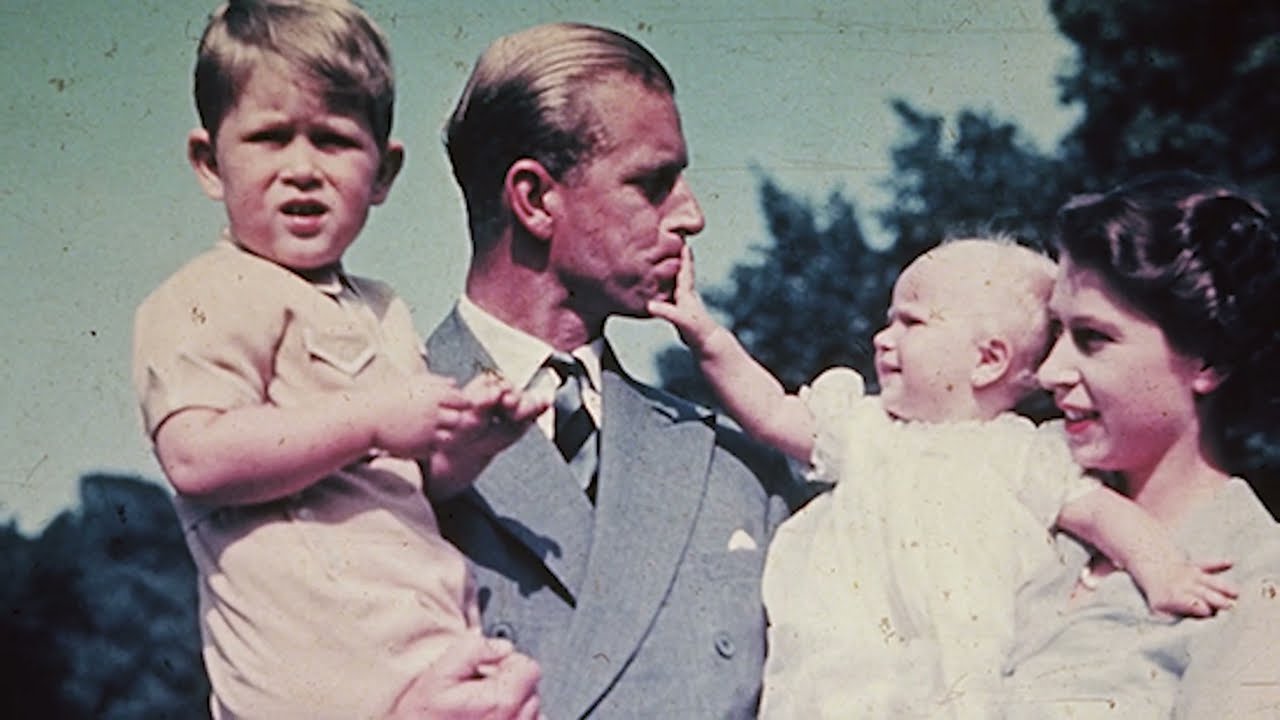
Her relationship with Philip remained equally undemonstrative. As he aged, she became one of the family members most capable of helping without making help feel like supervision. Philip hated being fussed over. Concern had to be disguised as practicality. A suggestion was more acceptable if presented as an efficient solution rather than evidence that he was becoming frail.
This was familiar territory for Anne. She disliked fuss almost as much as he did. She could ask whether something had been arranged without using the soft voice that older people often recognize as the beginning of losing control.
The Queen worried more visibly in private. Philip had always seemed physically indestructible, which made every sign of decline feel like a breach of natural law. He underwent medical treatment over the years, including procedures connected with his heart and other health concerns. Each hospital visit attracted large crowds of reporters. The nation that had once examined his social life now examined his pulse.
Philip reacted with predictable irritation. Illness forced him into passivity and made strangers discuss him as a body rather than a person. He preferred to leave hospital walking if possible, dressed properly and looking as though the entire episode had inconvenienced everyone except him. Anne understood the performance because it was not entirely a performance. Regaining control of the exit mattered. A man who had entered through ambulance doors could still choose how he returned to the world.
In 2007, the Queen and Philip marked 60 years of marriage. No British monarch before Elizabeth had celebrated a diamond wedding anniversary. The achievement was presented through formal photographs, ceremonies, and public praise. Beneath the celebration lay the more remarkable private fact that they still interested each other.
They had lived through the transformation of Britain, the decline of empire, the rise of television, the collapse of deference, family scandal, national mourning, and the arrival of an age in which every person with a telephone could behave like a reporter. Through all of it, Philip remained the one person who spoke to Elizabeth without reverence.
He did not worship the crown. He respected its purpose and protected its holder. That distinction kept their marriage alive. A husband who treated Elizabeth only as Queen would have left her emotionally alone. A husband who ignored that she was Queen would have endangered everything she had promised to preserve. Philip managed the contradiction imperfectly, loudly, and for longer than anyone else could have done.
The public increasingly saw them as an inseparable old couple. This image was affectionate but not quite accurate. They were inseparable in allegiance, not in timetable. Philip still needed his own pursuits. He took up carriage driving after giving up polo, then pursued it with the intensity of a man who had no interest in hobbies that remained harmless. He helped develop the sport internationally and competed well into later life.
The Queen accepted the danger with the weary calm of a wife who had spent decades watching him search for obstacles. Anne shared his equestrian competitiveness and understood why he could not simply stroll for exercise. Movement had to contain a challenge. A day had to resist him slightly before it felt worthwhile.
The family gathered in 2011 for the wedding of Prince William and Catherine Middleton. The marriage carried enormous public hope. William, shaped by the collapse of his parents' relationship, had taken time before committing. Catherine entered the family after years of scrutiny and with a clearer understanding of the role than Diana had possessed at 19.
The Queen and Philip watched their grandson marry in Westminster Abbey, the same church where their own marriage had begun more than six decades earlier. Philip was approaching 90. He remained upright, alert, and capable of turning a solemn occasion lively with one private remark. Elizabeth looked at him with the familiar mixture of affection and caution possessed by a woman who never knew whether the next sentence would make her laugh or require diplomatic repair.
Anne watched William and Catherine with a practical eye. A royal wedding could create a beautiful day. It could not create a successful marriage. That work began afterward in rooms without cameras, when two people discovered whether duty united them or merely occupied them. Catherine appeared to understand the value of patience. She did not attempt to seize attention from William or expose every personal difficulty. She developed causes gradually and built a family life that offered greater emotional warmth than the previous generation had received.
Philip respected her steadiness. The Queen appreciated her discretion. Anne likely approved of her willingness to learn without pretending helplessness.
The following year brought the Queen's Diamond Jubilee, marking 60 years on the throne. The celebrations were grand, but Philip's health created an abrupt reminder that the partnership beneath the pageantry was becoming fragile. During the Jubilee events in June 2012, Philip developed a bladder infection and was admitted to hospital. The Queen continued parts of the program without him.
For the public, his empty place was striking. For Elizabeth, it was something more serious. She had performed alone countless times, but the great milestones of the reign had always included him. His absence changed the shape of the occasion. Anne and the rest of the family supported her, but support was not substitution. Philip had been present at the beginning. He remembered the young Queen beneath the robes and the nervous wife beneath the expression of calm.
As his health became less reliable, the family adjusted around him. Engagements were selected more carefully. Travel reduced. Yet Philip continued appearing long after many men of his age would have accepted complete retirement. He did not want applause for endurance. He wanted to remain useful.
By 2015, Elizabeth had become the longest reigning monarch in British history, surpassing the record of Queen Victoria. Public attention focused on the Queen's extraordinary service. Philip's role appeared in the background, as it had for most of the reign. Anne knew how much of the achievement belonged privately to him.
He had handled family disputes, challenged stale household practices, represented the crown across the world, and absorbed decades of mockery about being a man behind a woman. He had accepted that history would place Elizabeth's name above his, then spent his life strengthening the structure beneath her.
He was not always gentle. He made offensive remarks, misjudged people, and carried the assumptions of his generation into rooms that had moved beyond them. Anne did not need him to be flawless in order to respect him. She understood the difference between admiring a person's service and pretending every sentence had been wise.
The Queen was equally realistic. Her affection did not depend on illusion. She knew his temper, vanity, impatience, generosity, discipline, and need for movement. She had seen him at his most impressive and most impossible. This was why she could allow him freedom. She was not loving an invented prince. She was living with the man who remained after the uniform came off.
In May 2017, Buckingham Palace announced that Philip would retire from public engagements later that year. The decision was handled with humor inside the household because initial reports caused confusion and speculation. Staff were called to a meeting and newspapers briefly behaved as if a national emergency were underway. Philip reportedly found the excitement amusing. He was 96.
By retirement, he had completed more than 22,000 solo engagements, delivered thousands of speeches, and supported hundreds of organizations. The numbers were impressive, but they could not fully describe the physical and emotional occupation of being publicly available for nearly seven decades.
His final solo engagement took place in August when he attended a parade connected with the Royal Marines at Buckingham Palace. Rain fell heavily. Philip stood in hat and coat, inspected the men, and completed the duty without sentimentality. Then he stepped away.
The question immediately arose: where would he live? The Queen still had official work in London and Windsor. Her schedule remained tied to papers, audiences, and the constitutional machinery that could not follow Philip's preference for a quieter life. He moved increasingly to Wood Farm at Sandringham.
There he could paint watercolors, read, write, and receive friends. He could spend time outdoors and live with a smaller household. He was no longer required to appear beside the Queen every day or remain in a palace simply because tradition found the arrangement tidy.
The newspapers described him as living apart from his wife. The phrase sounded dramatic. It suggested a late marital rupture, separate lives, and perhaps some hidden confession at the end of a famous union. Anne rejected that interpretation because she understood what the arrangement meant. Her father had not fled the Queen. He had finally retired from the court. There was a difference.
Elizabeth visited Sandringham and spent private time with him when her responsibilities allowed. They spoke regularly. He returned for family events and major occasions. Their marriage did not depend upon sharing every breakfast. After 70 years, they no longer needed proximity as proof.
Anne explained his retirement in terms of character. Philip had always been practical, active, and independent. At Wood Farm, he could continue living as himself instead of becoming an old man permanently arranged beside the Queen for public reassurance. The separation was not evidence that Elizabeth had lost him. It was evidence that she trusted him enough to let him go.
This trust had been built through every earlier struggle. The abandoned naval career. The argument over the family name. The rumors. The tours. The children. The failed marriages around them. The death of Diana. The long years in which one stood at the center and the other created movement around her.
The Queen knew that keeping Philip physically close against his nature would not create companionship. It would create captivity. Anne knew something else. Her mother did not live with him at Wood Farm because she could not simply leave the crown behind in London. The red boxes still arrived. Government continued. Ceremonies required attendance. A sovereign does not retire to the countryside while remaining sovereign in theory.
Philip had earned the freedom Elizabeth could never claim. That imbalance might have produced resentment in another couple. In theirs, it became a final gift. He could live quietly because she continued carrying the institution they had served together. She could continue carrying it because she knew he remained emotionally beside her, even from another house.
The public saw two addresses. Anne saw one marriage. The arrangement also protected Philip's dignity. Palace life would have surrounded his age with constant observation. Every slower step would become a report. Every missed meal would become concern. At Wood Farm, he could control who saw him and when. Privacy allowed him to remain a person rather than become a national patient.
Anne visited and kept close watch without advertising it. Their conversations remained their own. She did not transform his retirement into a sentimental public story. That would have violated the very freedom he had chosen.
The Queen continued working, often appearing alone. Her silhouette without Philip became more familiar, but never ordinary. At ceremonies, the absence beside her carried the history of all the years when he had been there. She did not complain. That was not her language.
Then the family entered another period of change. Harry married Meghan Markle in 2018. Philip attended despite having undergone hip surgery only weeks earlier. He walked into St. George's Chapel without visible assistance, unwilling to allow frailty to become part of the wedding spectacle. It was a classic Philip gesture. The body might have objected. The man had overruled it.
Anne would have recognized the determination and the danger. Her father had spent his life treating physical limitation as a negotiation he intended to win. But time was no longer negotiating. He returned to Wood Farm, further from public view. The Queen maintained her duties. Their visits and calls continued beyond the reach of cameras.
To people who measured love through shared addresses, the arrangement remained puzzling. To Anne, it was perfectly clear. Her parents had spent a lifetime discovering how to stay together without destroying the separate person inside each of them. Now at the end, Philip lived in the place that gave him back the ordinary freedoms marriage to the Queen had taken away. Elizabeth let him have them because she knew his need for distance had never been a rejection of her.
What neither of them knew was that the outside world was about to close every distance. A sudden crisis would empty the palaces, stop the engagements, and force the Queen and Philip beneath the same roof once more. For the first time in years, there would be no tour waiting, no public ceremony pulling Elizabeth away, and no separate retirement schedule carrying Philip back to Norfolk. The long marriage that had survived through movement was about to enter its final season in stillness.
Stillness had never suited Prince Philip, but in the spring of 2020, it became the condition under which he and the Queen were brought together again. The coronavirus pandemic emptied roads, closed offices, cancelled ceremonies, and forced even the monarchy to retreat behind locked doors. Elizabeth left Buckingham Palace for Windsor Castle. Philip was brought from Wood Farm to join her there.
The move appeared practical. They were both elderly, public life had stopped, and a carefully protected household could reduce the risk of infection. Yet the result was unexpectedly intimate. After years in which the Queen worked in London while Philip lived much of his retirement in Norfolk, they were suddenly sharing the same home for an extended period.
There were no state banquets, no great tours, no garden parties stretching across summer lawns. Foreign presidents did not arrive with motorcades. Thousands of guests did not move through the castle. The vast public machine surrounding Elizabeth became smaller, quieter, and more domestic.
For Philip, the circumstances were grave, but the arrangement offered something almost lost to time. He had his wife without the full court around her. They lived with a reduced group of staff, sometimes called the household bubble. The Queen continued receiving official papers and speaking with the prime minister by telephone. Philip read, painted, and followed events. They ate together more often than their previous schedules had allowed.
After more than 70 years of marriage, the pandemic returned them to a strange version of Malta. Not in youth, not beside the sea, and not free of responsibility, but removed from the daily theater of monarchy. Elizabeth was still Queen. Philip was still Philip. Yet the public performance between them had been suspended.
Anne understood the significance of this final reunion. Her parents had not needed to prove their marriage by living together every day. When circumstances placed them under the same roof, however, they did not discover that they had become strangers. They settled into companionship. That fact quietly destroyed the most dramatic explanation for Wood Farm. Philip had not lived there because the marriage was over. When the distance disappeared, the bond remained.
He was nearly 99 when the crisis began. His body was increasingly frail, but his mind remained engaged. The Queen, four years younger, continued with the discipline that had carried her through every earlier emergency. She addressed the nation from Windsor and promised that better days would return.
Her words were calm, but the circumstances were unlike war. During the Second World War, danger had demanded visible national effort. The pandemic demanded separation. People protected one another by staying apart. Elizabeth knew separation. She had spent her childhood watching her parents perform duty while the country was threatened. She had spent her marriage saying goodbye to Philip before journeys, tours, and naval duties. She had spent years understanding that love could remain steady across distance. Now the whole nation was being asked to learn the same lesson.
Philip avoided becoming a public symbol of frailty. He issued a message thanking essential workers and those involved in medical research. He did not offer a sentimental diary of isolation. He did not invite the public into his final private season.
Anne followed the same rule. She continued supporting organizations through calls and carefully managed engagements. She spoke about her father's work and character when appropriate, but not about every detail of his health. This restraint became more difficult as family tensions moved once again into public view.
Harry and Meghan had stepped back from their roles as senior working royals at the beginning of 2020. They moved first to Canada and later to California. Their departure created questions about duty, money, security, race, family relationships, and the emotional cost of royal life. The story carried echoes Philip knew well. A younger family member felt trapped by the institution. A spouse from outside the royal world struggled under public attack. Private grievances became global news.
The palace responded in formal language while the people involved sought control of their own story. Yet there was one crucial difference. Philip had surrendered parts of his identity to remain beside the future Queen. Harry chose to leave the working structure in order to protect his wife and child. Philip came from a generation that regarded departure as the most dangerous answer. Harry came from one that increasingly regarded personal survival as a duty of its own.
Anne stood firmly within the older tradition. She had endured criticism, marital failure, attempted kidnapping, press intrusion, and the constant demands of rank without withdrawing from public service. She did not necessarily believe that suffering should be celebrated. She did believe that duty continued while suffering was managed.
This made her father understandable to her in ways that he was not always understandable to his grandchildren. Philip had lost his home, name, career, and position, then rebuilt himself through service. He could sympathize with feeling trapped while still judging escape harshly. To him, the answer to an impossible role had been to make it useful. Harry had watched what public life did to Diana. He did not trust usefulness to provide protection.
The disagreement was not simply between generations. It was between two different conclusions drawn from royal pain. The Queen tried to preserve family ties without allowing the institution to be negotiated through emotion alone. Philip was said to be deeply disappointed by the departure, though he had largely withdrawn from direct involvement by then. Anne remained loyal to the sovereign and careful in public. The family had survived abdication, divorce, death, and scandal. It would survive this, too. But survival did not mean the absence of hurt.
At Windsor, Philip and Elizabeth continued their quiet life. Their 73rd wedding anniversary arrived in November 2020. A photograph showed them looking at a homemade card from their great-grandchildren. The image was gentle, but not theatrical. Philip sat beside the Queen. She smiled. The old partnership was visible without explanation. They had reached an age at which marriage no longer needed to promise a future. It had become the future they had once been promised.
Philip had known Elizabeth as a teenager. He had watched her become a bride, mother, Queen, grandmother, and great-grandmother. Elizabeth had known him as the proud young officer with no secure home. She had watched him become consort, father, grandfather, national figure, and finally an old man who wanted a smaller room. No living person had shared more of her transformation. No one else could remember the private woman across the entire reign.
That was why Anne resisted simple descriptions of their relationship. Her father could be difficult, absent, blunt, and fiercely independent. Her mother could be emotionally controlled, absorbed by duty, and unwilling to abandon tradition quickly. The marriage endured not because those qualities disappeared, but because both learned how to live with the other's nature.
The Queen did not force Philip to spend retirement as decoration. Philip did not demand that she abandon the throne for domestic companionship. Each allowed the other to remain faithful to a calling. That mutual permission was their final form of love.
In early 2021, Philip was admitted to hospital after feeling unwell. The stay became longer than expected. He was transferred between hospitals and underwent a procedure for a pre-existing heart condition. He remained in medical care for about a month. The Queen stayed at Windsor carrying out duties while receiving updates.
The pandemic made hospital visits difficult and public discussion intense. Cameras waited outside. Reporters examined every palace statement for signs that the end was near. Anne and the family were worried, but they had been trained by Philip himself not to turn concern into spectacle. His health was private until it affected public duty. Now that he had retired, almost all of it was private.
He left hospital in March and returned to Windsor Castle. The sight of him in the car was sobering. The man who had once appeared incapable of slowing had become visibly thin and tired. Yet returning to the castle mattered. He was back with Elizabeth.
The final weeks were not described in detail by the family. That silence was appropriate. Philip had spent decades in public. He was entitled to die as a husband and father rather than as an exhibition.
On the 9th of April 2021, Prince Philip died at Windsor Castle. He was 99, only weeks from his 100th birthday. The palace announced that he had passed away peacefully.
For Elizabeth, the loss was not simply the death of a husband. It was the removal of the last person who had stood beside every stage of her reign. Ministers came and went. Courtiers retired. Children grew and built households of their own. Friends died. Public opinion changed. Philip remained. Then he did not.
Anne released a tribute that revealed the emotional truth beneath her usual discipline. She said that her father had been her teacher, supporter, and critic, and that she most wanted to follow his example of a life well-lived and service freely given. The words were unmistakably hers. There was admiration but no sugary invention of perfection.
Philip had supported her. He had also criticized her. Anne considered both acts part of fatherhood. She did not describe him as a gentle saint. He would have hated that. She described a demanding man whose example had shaped the way she worked, endured, and served.
This was also why her understanding of his years at Wood Farm carried such weight. Anne knew his independence was not evidence of rejection. It was central to the man she loved. He needed to decide how his day would be spent. He needed practical purpose. He needed privacy from the ceremony that had enclosed him since youth. The Queen gave him that space because she respected him enough not to confuse possession with devotion.
His funeral took place on the 17th of April at St. George's Chapel in Windsor. Pandemic restrictions limited attendance to 30 people. There were no vast crowds inside the grounds, no gathering of foreign royalty filling the chapel, and no great state procession through London. The smallness suited him more than spectacle might have done.
Philip had helped plan the funeral. His coffin was carried on a specially modified Land Rover that he had helped design. It was practical, unusual, and entirely characteristic. Even in death, he resisted being carried according to someone else's idea of royal elegance. His naval cap and sword were placed on the coffin. His insignia reflected the many countries and organizations connected to his life.
The ceremony honored the Prince, but the details remembered the sailor. Anne walked in the procession with Charles, Andrew, Edward, William, Harry, and other family members. She moved with the controlled bearing expected of her. Inside the chapel, she sat with Timothy Laurence, separated from others according to health rules.
The Queen sat alone. The photograph of Elizabeth in black, masked and isolated in the choir, became one of the defining images of her reign. She was surrounded by history and separated from her family. The woman who had spent a lifetime at the center of crowds now mourned without anyone beside her. It looked like the loneliest seat in Britain.
Yet even that image could be misunderstood. She was alone physically. She was not abandoned. Anne, Charles, and the family were close. Staff remained loyal. The country grieved with her. Philip's life surrounded the chapel through music, symbols, and memory.
Still, the empty place beside her could not be softened. For more than 70 years, he had occupied that place in one form or another, even when he lived elsewhere. Wood Farm had never made the Queen a widow. His death did.
This was the point Anne's perspective finally made plain. A shared address is not the measure of a marriage. Presence is deeper than residence. Philip had lived away because the Queen's life could not follow him into retirement. She belonged to the crown until death. He had already given the crown nearly everything it had demanded from him. At Wood Farm, Elizabeth returned one thing. She returned his right to be himself.
After the funeral, the Queen resumed work with astonishing speed. Within days, she carried out official duties. Some people saw strength. Others saw the old royal habit of hiding grief behind paperwork. Anne understood that work was not the opposite of grief in her family. It was the container used to carry it.
Elizabeth did not recover from Philip in the sense of leaving him behind. She continued because continuation was the promise at the center of her life. Her public appearances became more precious and more fragile. She used a walking stick at times. Her mobility declined. Engagements were reduced or adjusted. Charles, Anne, William, and other members of the family assumed greater responsibility.
Anne became increasingly important. She was the daughter who could be trusted with duty without turning succession into personal drama. Charles was the heir and carried the future. Anne carried the present, one engagement at a time. She accompanied her mother, represented her abroad, and maintained a workload that would have exhausted many younger people. She did not behave as though service made her heroic. It was simply the family business, and she had been trained by its most demanding foreman.
The Queen marked 70 years on the throne in 2022. The Platinum Jubilee celebrated a reign longer than anyone could have imagined when the young Elizabeth returned from Kenya. Philip was absent from the balcony, the carriage, the service, and the family gatherings. His absence was everywhere.
During the celebrations, the Queen appeared with younger generations, including Charles, William, and Prince George. The monarchy showed continuity. Yet the person who had helped her carry the reign from its beginning was no longer there to see its greatest milestone. Anne knew the achievement belonged partly to him. The Queen had become the symbol, but Philip had protected the woman inside it.
He had challenged her, amused her, irritated her, and prevented the palace from becoming the only voice she heard. He had given their children a father who was sometimes too hard, often absent, but never indifferent to whether they became useful adults. Anne had become the clearest result of his philosophy. She worked without demanding affection. She refused to let status replace ability. She guarded private feeling and distrusted public self-pity. She chose a second marriage that allowed independence without betrayal. She was not simply her father's daughter in temperament. She was his answer to the problem of royal life.
In September 2022, the Queen traveled to Balmoral, the place where the family had escaped public life for generations. Her health declined rapidly. Anne was in Scotland and spent time near her during the final days. Charles was also close. Other members of the family traveled north as concern deepened.
On the 8th of September, Queen Elizabeth II died at Balmoral. She was 96. The reign that had begun with Philip telling a young wife that her father was dead ended less than 18 months after Philip's own death. Anne was there as the crown passed from her mother to her brother.
In the days that followed, she accompanied the Queen's coffin from Balmoral to Edinburgh, then onward toward London. It was a journey of extraordinary public emotion. Crowds lined roads and stood in silence as the hearse passed. Anne later described it as an honor and a privilege to accompany her mother on her final journeys. Once again, she expressed love through duty.
Charles became King Charles III. Camilla became Queen Consort, later known simply as Queen Camilla. The family structure shifted, but Anne's position remained distinctive. She was the only daughter of Elizabeth and Philip, the sister of the King, and the person who had observed their marriage from a place no historian could occupy.
She had seen Philip before age made him a national grandfather. She remembered the force of his personality inside the household. She knew the anger over his name, the frustration over his role, the joy he found in work, and the relief he found in distance. She also knew her mother.
Elizabeth did not tolerate Philip's separate life because she was too weak to object. She permitted it because she had learned exactly what marriage to her had required him to surrender. He had lost the Navy when she became Queen. He had lost the ordinary authority of a husband when the household answered to the sovereign. He had lost control over the family name. He had spent decades being defined by his relationship to her.
Wood Farm did not take him away from Elizabeth. It gave back the small part of Philip that still belonged only to Philip. The title suggests a revelation filled with scandal. A daughter finally exposing why her father refused to live with her mother. A cold palace. A secret rupture. An elderly couple separated after the cameras stopped watching.
The truth is both quieter and more interesting. Prince Philip did not retire to Wood Farm because he had ceased to love the Queen. He went because he had finished serving the public and wanted before the end to live without serving a timetable. The Queen remained elsewhere because her service had no retirement date.
They spoke. They visited. They reunited at Windsor when the pandemic closed the world. When Philip's health failed, he returned to her. When he died, he died in her home after more than 73 years of marriage.
Anne's account of her father did not reveal abandonment. It revealed understanding. Elizabeth understood that Philip could not remain fully alive if every room belonged to the Queen. Philip understood that Elizabeth could never simply stop being Queen and follow him into private retirement. So they accepted what weaker marriages often cannot.
Love does not always mean asking the other person to choose you over everything else. Sometimes it means refusing to make that demand. Philip gave Elizabeth the freedom to fulfill the promise she had made to the nation. Elizabeth gave Philip the freedom to reclaim the ordinary life he had surrendered to stand beside her.
Anne saw both gifts. She saw the young naval officer trapped inside the consort. She saw the woman inside the sovereign. She saw them argue over names, children, duties, and the shape of family life. She saw them spend months apart and return without treating reunion as proof for anyone else.
Most of all, she saw that her father never needed constant closeness. He needed certainty. He needed to know that however far he traveled, however separate his interests, and however quiet his final farmhouse became, there remained one woman for whom he was not a constitutional position. He was simply Philip.
And Elizabeth, who belonged to millions of people, allowed herself to belong to him in the only way her life made possible. Not through constant presence. Not through public romance. Not through a shared address at the end. Through trust.
That was why he did not always live with the Queen. And that was why, until death, he never truly left.