John Holmes, one of the most famous and controversial figures in the history of the adult film industry, spent his final years in a downward spiral marked by addiction, poverty, and a violent feud that ended in one of Los Angeles’ most infamous unsolved murder cases. By the late 1970s, Holmes had become one of the largest cocaine buyers in the region. In a single year, he spent an extraordinary $750,000 on the drug, making him one of the most reliable customers for his dealer. But as his film career began to decline, his addiction grew stronger and his finances became increasingly desperate.
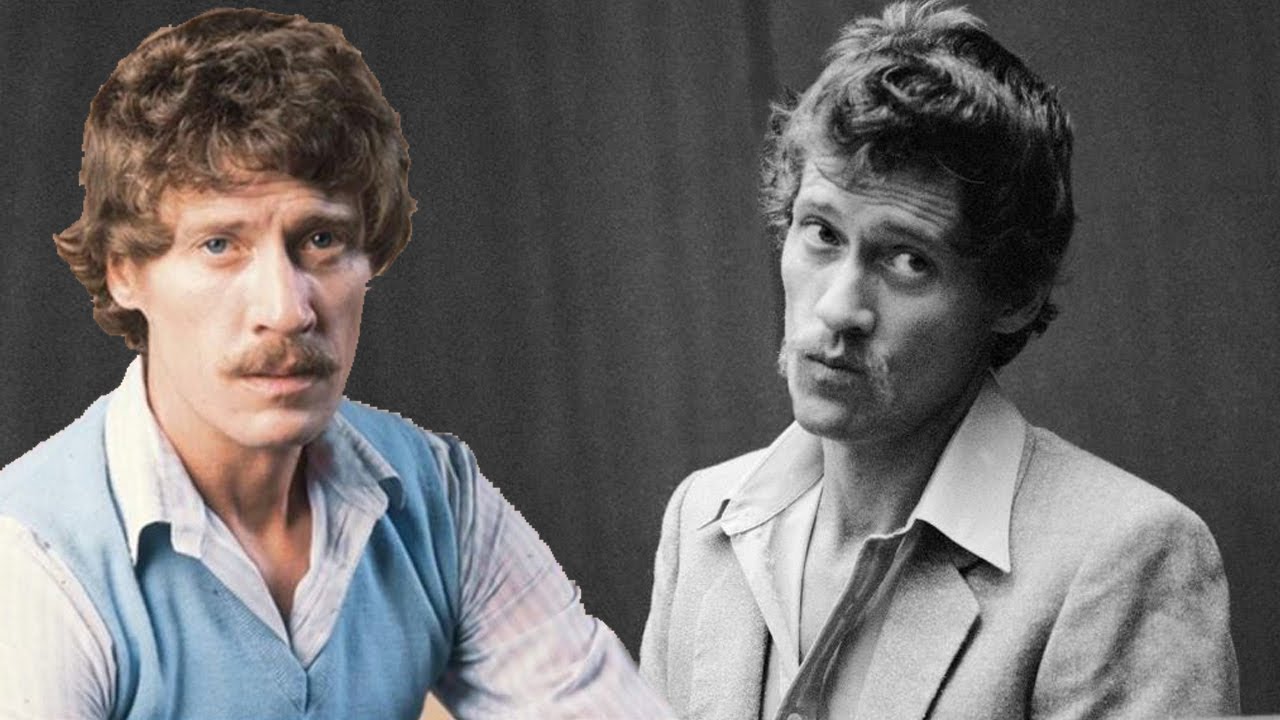
He found himself broke, deeply addicted, and resorting to extreme measures to fund his habit, including breaking into cars and stealing luggage from airports. During this period of decline, Holmes crossed paths with Adel Nasrallah, a nightclub owner who went by the name Eddie Nash. By the late 1970s, Nash was a notorious drug dealer who often sold narcotics to patrons of his clubs, the Kit Kat and the Starwood. The latter was known for hosting popular rock bands such as Quiet Riot, Mötley Crüe, and Van Halen.
Nash’s character was later portrayed in the 1997 film “Boogie Nights” by Alfred Molina. Holmes and Nash developed a working relationship in which Holmes acted as a middleman for Nash’s drug sales. The partnership eventually soured, leading to a violent confrontation between the two men. In the spring of 1981, Holmes became friends with the Wonderland Gang and spent long periods staying at their house.
Although Holmes had once been a famous adult film star, the gang saw him as little more than a loyal servant and errand boy. However, they valued his connection to Nash, and Holmes agreed to help the gang plan a robbery of Nash’s mansion in Studio City. Holmes told the gang that he had visited Nash’s home before and knew that the sliding glass door was often left unlocked. He also told them that Nash kept a large quantity of drugs, jewelry, and cash inside.
Using this information, the gang broke into Nash’s home, posing as police officers and binding his bodyguard, Gregory Diles, who weighed 300 pounds. During the robbery, one of the gang members accidentally fired a shot, waking Nash. Fearing for his life, Nash cooperated with the gang and allowed them to steal drugs, jewelry, and cash valued at $185,000. The robbery was a major blow to Nash, both financially and in terms of his reputation.
The gang divided the stolen goods among themselves, but Holmes and another member named McCourt received a smaller share. This angered Holmes, and rumors circulated that he was seen wearing a piece of jewelry stolen from Nash’s home. Nash suspected Holmes had betrayed him and vowed revenge. The robbery ultimately led to a series of violent events known as the Wonderland Murders.
Nash allegedly ordered the killing of four people, including two members of the Wonderland Gang and their girlfriends, in retaliation for the robbery. Holmes later became involved in the murder case and faced criminal charges, but he eventually pleaded guilty to lesser charges and received a reduced sentence. On the night of the murders, a group of attackers, possibly acting on Nash’s orders, entered a home at 8763 Wonderland Avenue armed with steel pipes. Police, unaware of what was happening, mistook the sounds of the attack for a loud party and ignored them.
The killers moved systematically through the house, smashing the skulls of the occupants. In one room, they found the body of a woman partially covered by a pink and white bedspread. She was later identified as an innocent visitor to the house who had been in the wrong place at the wrong time. In another room, they found Ronald Launius and his wife Susan, who was alive but horrifically disfigured.
Her moans were heard by a passerby, who was the only survivor of the attack. The killers then moved upstairs, where they found another victim. Miller was beaten to death on her bed, while her boyfriend Devereux lay dead in the corner of the same room, having suffered a massive skull fracture. The brutality of the attack shocked the community and sparked a massive investigation.
Despite numerous suspects, including Holmes, no one was ever convicted of the murders. The case remains one of the most brutal unsolved crimes in Los Angeles history. The amount of blood found at the crime scene was so immense that police decided to record it on video, a technique that was relatively new at the time. That video later became essential evidence during the trial, marking the first time in American history that video footage was used as evidence in a criminal trial.
One of the Wonderland residents was luckier than the others. David Lind was reportedly spending the night with a companion at a cheap hotel in the San Fernando Valley. During police questioning, Lind eventually revealed the truth about the break-in at Nash’s home and its possible connection to the murders. One major question remained: where was John Holmes during the murders?
His absence was a mystery that needed to be solved. After the killings, Holmes confessed to his wife Sharon that he had accompanied those seeking revenge and had watched them commit the crimes. Despite his claim that he did not participate in the killings, a handprint matching his was found on a headboard in one of the bedrooms. Holmes fled to Florida with his girlfriend and refused to cooperate with the police investigation.
However, the handprint evidence led police to charge him with murder and ask him for information about Nash. Holmes refused to cooperate and was acquitted of the charges on June 16, 1982. He spent some time in jail for contempt of court but remained uncooperative. On March 13, 1988, Holmes died at a veterans medical center after battling AIDS.
In the weeks before his death, police visited him hoping to obtain a confession about the Wonderland case, but Holmes remained silent. Before his death, Holmes made one final request to his wife, Laurie Holmes: he asked her to make sure his body was intact before it was cremated. The full truth about his involvement in the Wonderland Murders may never be known, but his story remains a cautionary tale about the dangers of drug addiction and the dark side of the entertainment industry.